


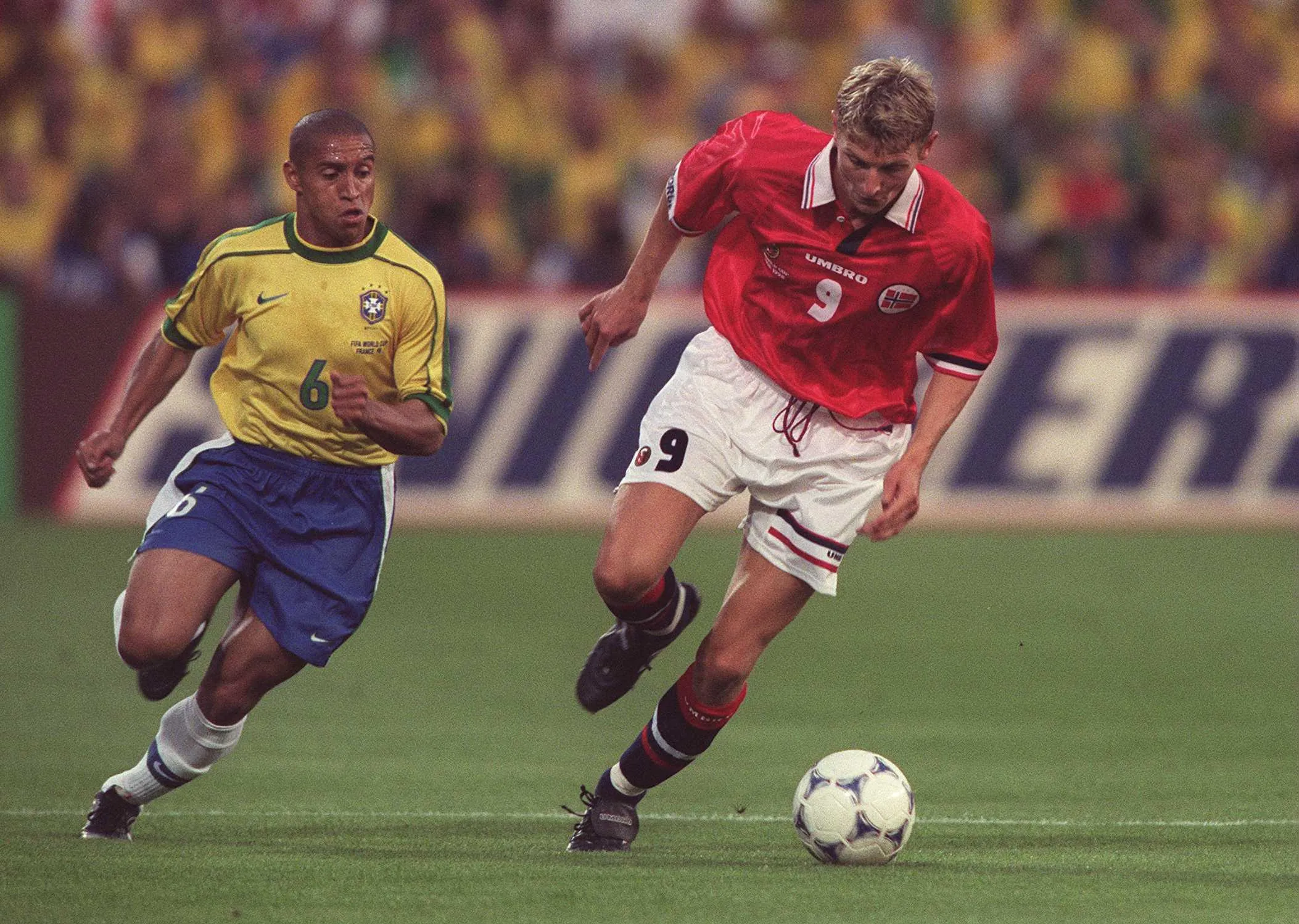
Norway, a nation of just 5.6 million, boasts an impressive array of competitive accomplishments. From dominating Winter Olympics to a formidable women’s handball team, the nation has produced remarkable athletes like the Ingebrigtsen brothers and even the greatest chess player in history. However, it’s football that truly unites the country, with the unforgettable 2-1 victory over Brazil in the 1998 World Cup remaining a defining moment.
The iconic call from commentator Arne Scheie, proclaiming, “Vi har scoret i Marseille!” (“We have scored in Marseille!”), resonates in the hearts of Norwegians, akin to the words of poets and politicians. Scheie, known for his calm and factual commentary, lost his composure when Norway secured a late penalty. His mix-up, calling Kjetil Rekdal “Kjetil Reknett, of Werder Bremen” only added to the moment’s charm.
Describing the impending penalty as “the most important kick of a ball in the history of the Norwegian football federation” may have seemed odd, yet it highlighted the emotional intensity of the occasion. Rekdal converted the penalty, triggering a national celebration that transcended the sport, marking a pivotal moment in Norway’s collective identity.
While many works, including documentaries and even operas, explore the Brazil match, the subsequent 1-0 loss to Italy in the knockout stage often goes unmentioned. Norway’s golden generation qualified for two World Cups and reached as high as second in the FIFA rankings, defeating football giants such as England and the Netherlands, yet they never secured a victory in the knockout rounds. This history weighs heavily on the current roster, with several players having fathers who also competed in the 1994 World Cup. Ståle Solbakken, the current manager, has a personal connection as well, having played in the match against Italy. In a Netflix documentary, he reflected, “Historically in tournaments, Norway have played well in qualifying and then performed worse at the World Cup,”
This backdrop is crucial, as international observers may view the current squad as merely a collection of elite club talents. Expectations ran high for Norway against Senegal and Côte d’Ivoire, largely due to the star power on the team. The sight of Norwegian fans embracing the “Now we have to see if we can raise our game” in America exemplified the joy surrounding the squad. Yet, the players grappled with the burden of history, aware of a 28-year absence from major tournaments and the disappointment of their predecessors. Following the victory over Senegal, an energized Solbakken declared, “Shut up boys! This is the greatest Norwegian football win of all time, and you can quote me on that.”
After the win against Côte d’Ivoire, he addressed his team more calmly, stating, “you are changing not only Norwegian football history, but Norwegian history in general. This is so big. This will never happen again, because we are going to qualify time and time again. Which means these 28 years of hurt, everything that is felt around the country, what I feel right here, what you feel, it will never come back.” This victory marked a significant milestone, as it was Norway’s first knockout win in a major tournament, demonstrating that the team finally lived up to its potential.
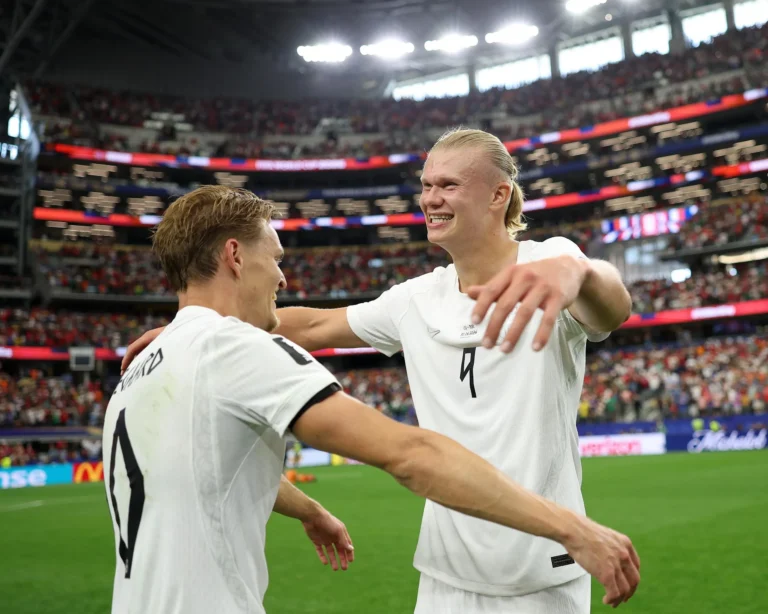
Star players have undeniably made a difference. Erling Haaland, a global sensation with an impressive club record, and Martin Ødegaard, a Premier League-winning captain, embody different leadership styles. While Ødegaard is articulate and thoughtful, Haaland exhibits relentless determination. Both players set high standards for the team. However, the triumph against Côte d’Ivoire was a collective effort, with players like Patrick Berg, who fought to regain his spot on the team, delivering a standout performance in midfield. Goalkeeper Ørjan Nyland, often doubted, made a crucial save in the final moments, while the agile Antonio Nusa scored a goal reminiscent of his idol Neymar.
Haaland expressed optimism post-match, saying, “I think this will change Norway for ever,” Solbakken, who has faced personal health challenges, remarked, “If I survive this I will survive anything,”
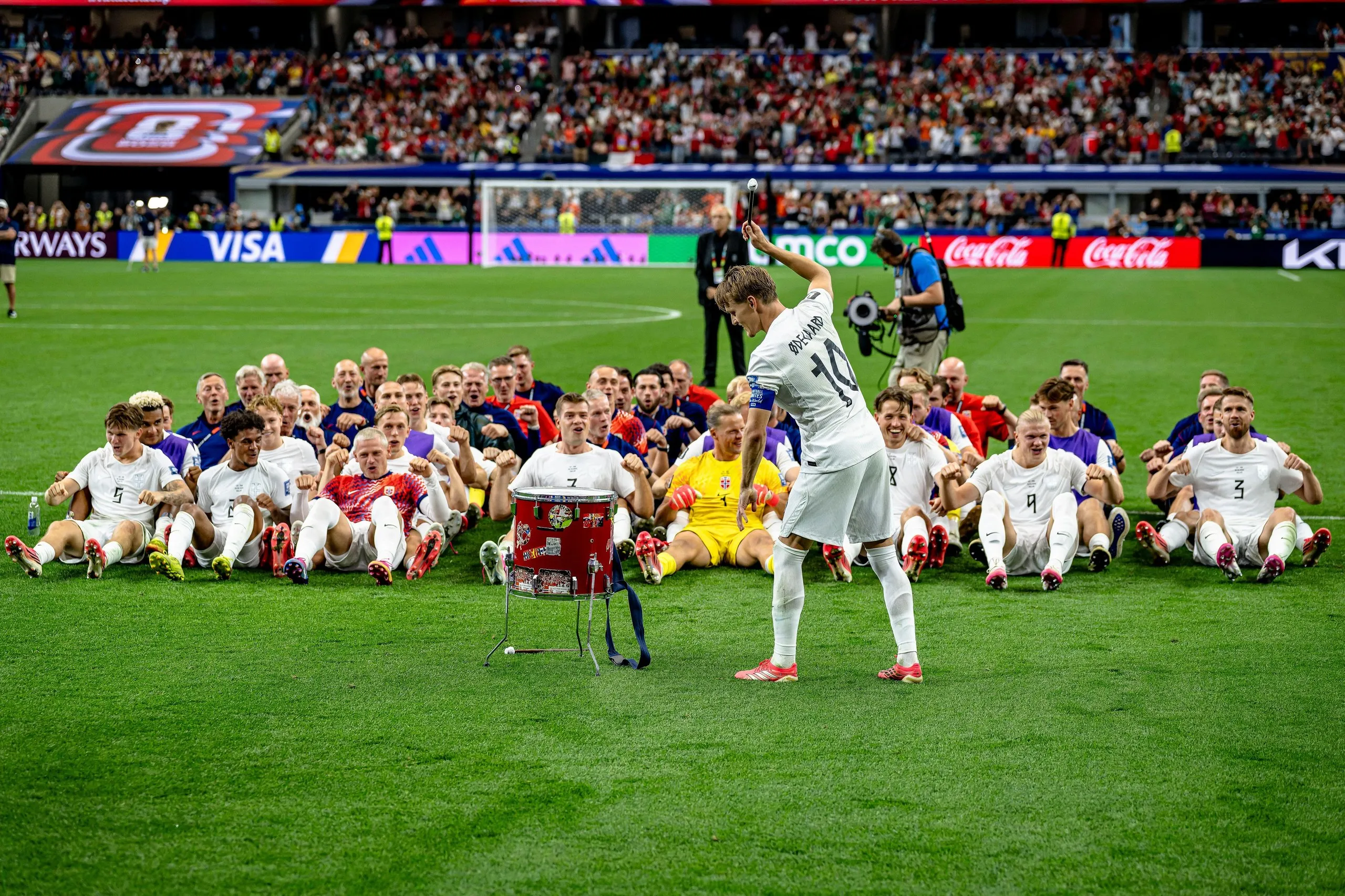
In a heartfelt gesture, it was Haaland and Ødegaard’s suggestion for the team to join fans in the Viking row after victories, reinforcing the emotional connection between the players and supporters. Whether the win over Côte d’Ivoire surpasses the iconic victory against Brazil in 1998 remains a topic of debate. However, fate has orchestrated a significant reunion, as Norway’s next challenge is indeed against Brazil.
- Norway
- World Cup 2026
- World Cup
- Brazil
- comment