


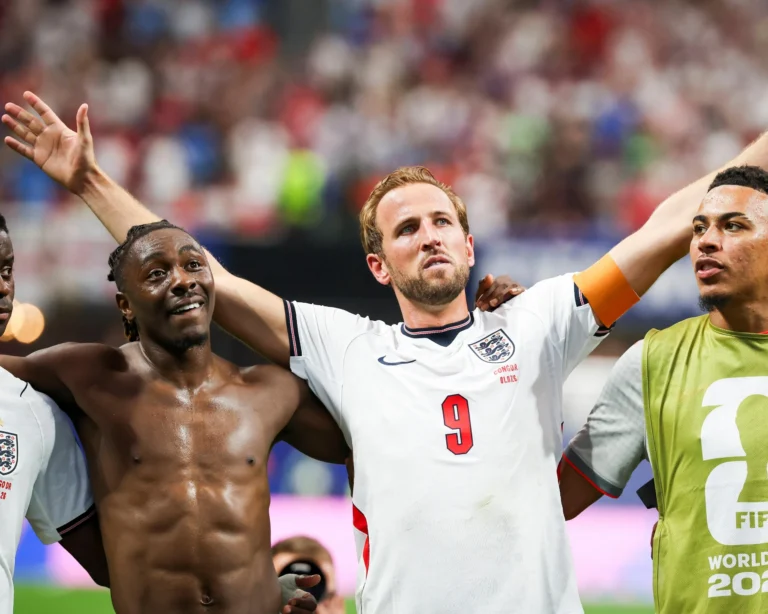
Nausea, cramps, and shortness of breath—these sensations have accompanied England’s World Cup journey, with players grappling against altitude and exhaustion. Fans back home have experienced the emotional ups and downs, as the team fluctuates between moments of excitement and periods of frustration while watching from cities like Boston, New York, and Atlanta.
Next, England will confront the high altitude of Mexico City at the iconic Azteca Stadium, where they will face the host nation in a last-16 match that promises to be both thrilling and momentous. This encounter transcends mere sport, hinting at a significant emotional moment that resonates deeply.
The World Cup has been a winding path for England thus far. Over the course of four matches spanning 23 days, the experience has felt both like an endless saga and a campaign that is still waiting for takeoff. It prompts the question: when will the real performance begin?
England’s journey has revealed varying levels of challenge: Croatia overwhelmed them, Ghana stood firm, and Panama inflicted a painful defeat. The Democratic Republic of the Congo (DRC) showcased a slick, confident style that left England a bit rattled. Throughout these encounters, a persistent question looms: when will England truly hit their stride?
The upcoming match at the Azteca is undeniably grand in its scope and atmosphere. The vibrant lights, the deafening noise, and the memories of past World Cups create a palpable tension. Yet, for the current England squad, this match represents a peculiar mix of anticipation and anxiety; the primary goal is simply to secure a victory, regardless of the circumstances.
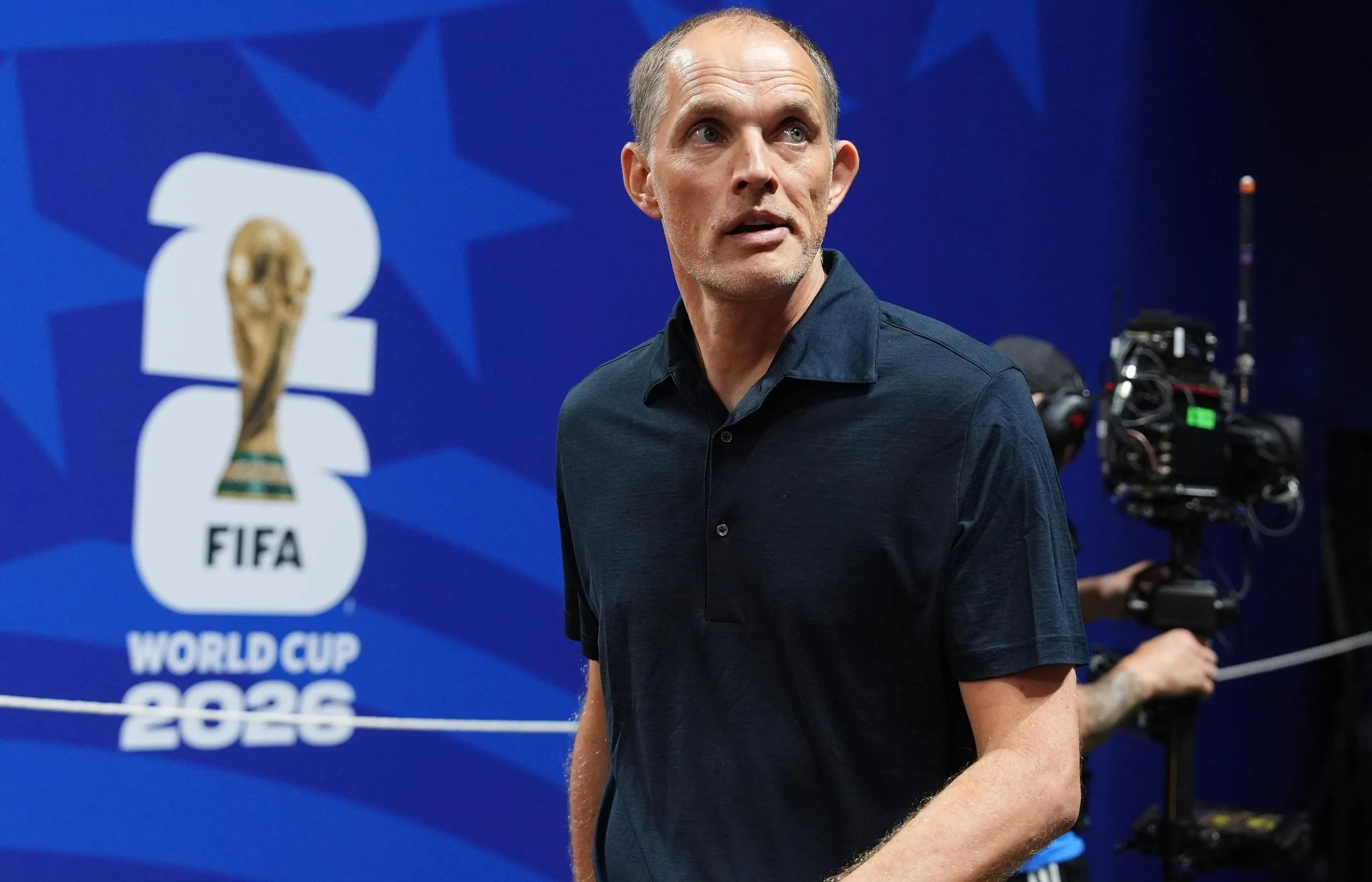
Thomas Tuchel’s squad has been scrutinized throughout their four games in the United States. The issues and inconsistencies have become apparent. In the first half against the DRC, England appeared disjointed, struggling with possession and appearing both clustered together and outnumbered in key areas.
Questions abound regarding the team’s formation and strategy. Tuchel seems uncertain about his wingers, who have not provided consistent performances. Meanwhile, the full-backs have shown vulnerabilities, and goalkeeper Jordan Pickford has been erratic, resembling a panicked horse at a race.
There is an urge to find solutions and establish a cohesive strategy, but this may not be the time for such adjustments. England arrives in Mexico under less than ideal circumstances, facing the challenge of acclimatizing to an elevation of 7,220 feet just hours before the match. They will also contend with a fervent local crowd intent on making their presence felt.
Maintaining composure and avoiding culture shock will be crucial for any chance of victory. For now, there is little room for tactical refinement; the focus must be on simply surviving the match. World Cups can often unfold unexpectedly while plans are still being formulated.
Interestingly, a stabilizing factor has emerged: Tuchel seems to have found some footing. This is not related to his unexpected popularity on social media, which has highlighted his perceived charm. Rather, it speaks to a sense that he is beginning to stabilize the team, especially after a dramatic finish in Atlanta that could have jeopardized his position.
Tuchel’s job security appears strengthened, a drastic change from the uncertainty faced just moments before the end of that game against the United States. A loss there could have unraveled the rationale behind his hiring.
The FA’s decision to bring Tuchel on board was met with some skepticism. Did they truly comprehend the nature of his coaching style? Although he enjoys the vibrancy of the role and the intensity of tournament football, it remains a somewhat unconventional match.
Initially, there was a belief that Tuchel would be a tournament specialist capable of navigating knockout matches. His success in the Covid-affected Champions League with Chelsea reinforced this idea. However, he has also experienced his share of defeats in finals. He is not the type to rely solely on instinct; rather, he is a meticulous planner, a builder of teams who thrives on the intricate details, which may not align well with the unpredictable nature of international football.
In this light, the widely touted mission statement—“win this World Cup or else”—seems foolish. This simplistic view fails to recognize that winning a World Cup is one of the most formidable challenges in sports, with no guarantees of success. Football is inherently unpredictable, and teams require more than just a slight tweak to succeed.
Every top coach creates their own team dynamic and tactical environment. In Tuchel’s case, he has lost key players due to various factors, including Kyle Walker, Harry Maguire, Kieran Trippier, Jack Grealish, Cole Palmer, and Phil Foden. Meanwhile, Declan Rice and Bukayo Saka are struggling with fitness issues. This represents a significant shift from the squad that Gareth Southgate previously managed.
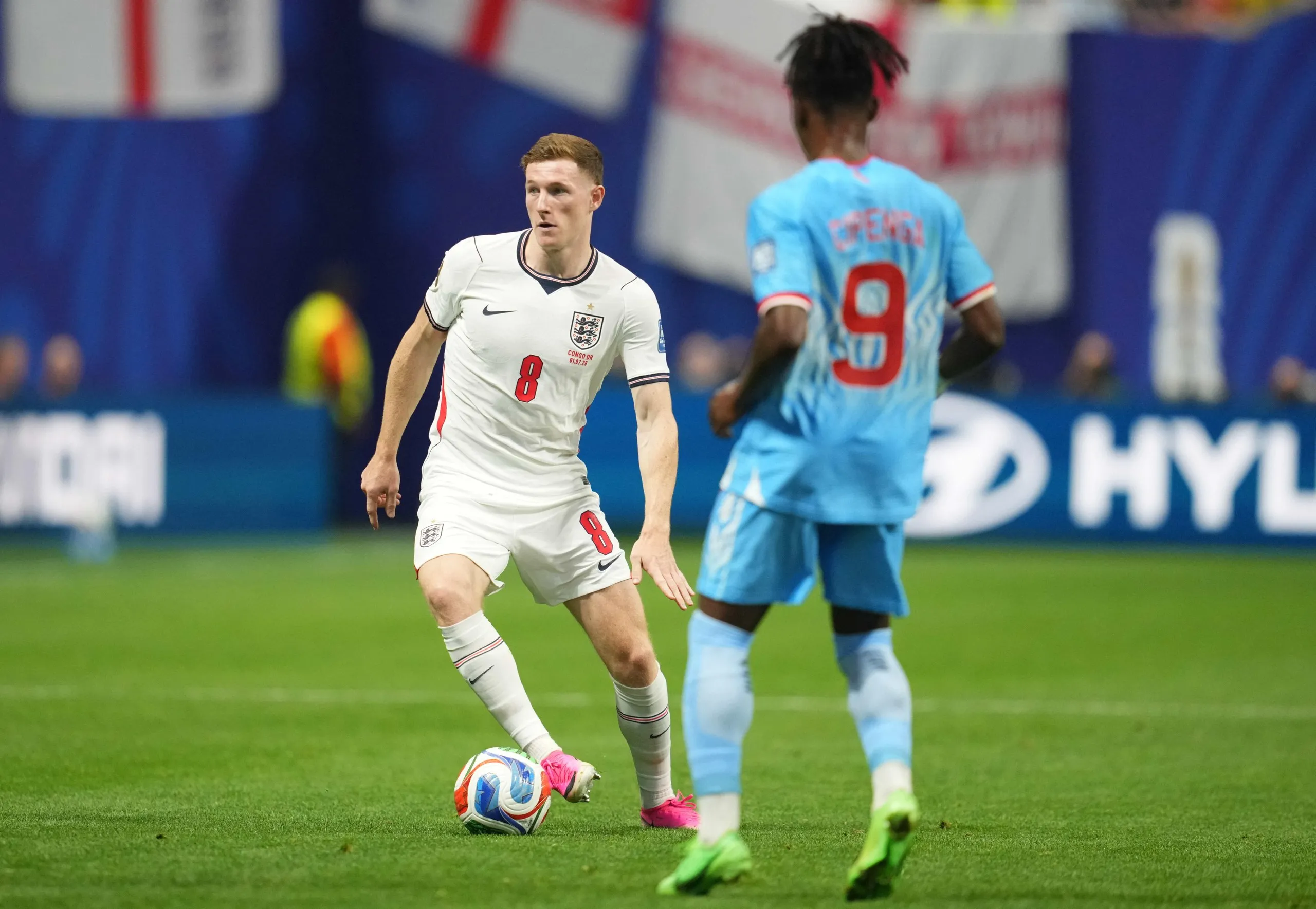
Despite the talk of an abundance of attacking talent, England’s current wide players include Noni Madueke, Anthony Gordon, and a possibly revitalized Marcus Rashford. The midfield remains a weak point, lacking a solid defensive anchor. Elliot Anderson, while a promising talent, is being tasked with leading the team in a high-pressure World Cup environment.
The DRC’s performance served as a valuable lesson; they are a well-drilled team, seasoned from four rounds of qualifying. Their cohesion and spirit demonstrated what can be achieved beyond mere tactical plans.
Looking ahead, there is a newfound sense of freedom as England prepares for this match. An exit at this stage would be viewed as an underperformance given their ranking and expectations. However, the optics suggest that Tuchel’s position remains secure, even in defeat, as the FA recognizes the challenges ahead.
This does not excuse Tuchel from scrutiny. A loss could expose the team’s shortcomings further. The selection of certain players raises eyebrows, especially the absence of Trent Alexander-Arnold. The squad dynamics remain perplexing, and adjustments will be necessary moving forward.
Yet, there is potential for England to find clarity in their tactics. The team is designed for speed and swift transitions, but facing a low block could be problematic. Conversely, Mexico’s attacking style may create opportunities for England to implement their game plan.
Nevertheless, the focus must remain on survival rather than tactical intricacies. England needs to navigate this match, adapt to the unique environment, and rely on set pieces and Harry Kane’s prowess. For now, they must put everything else on hold.
- World Cup 2026
- England
- Thomas Tuchel
- World Cup
- features