


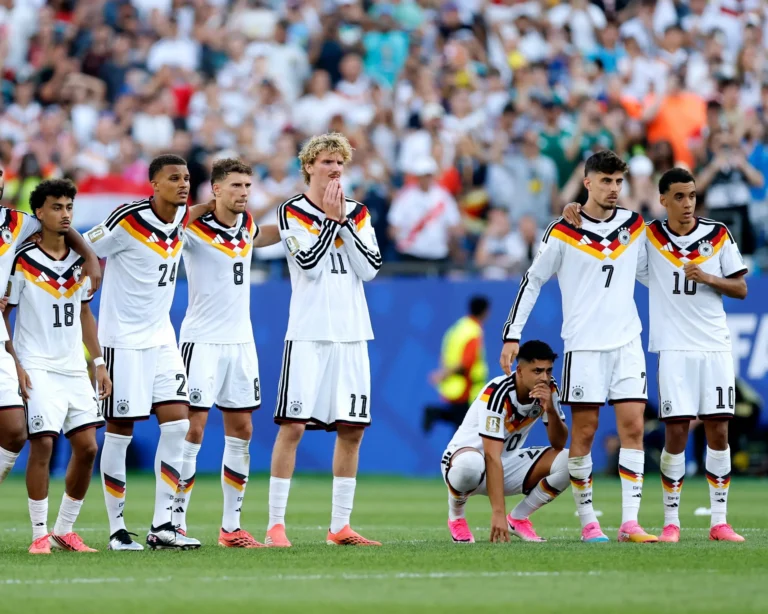
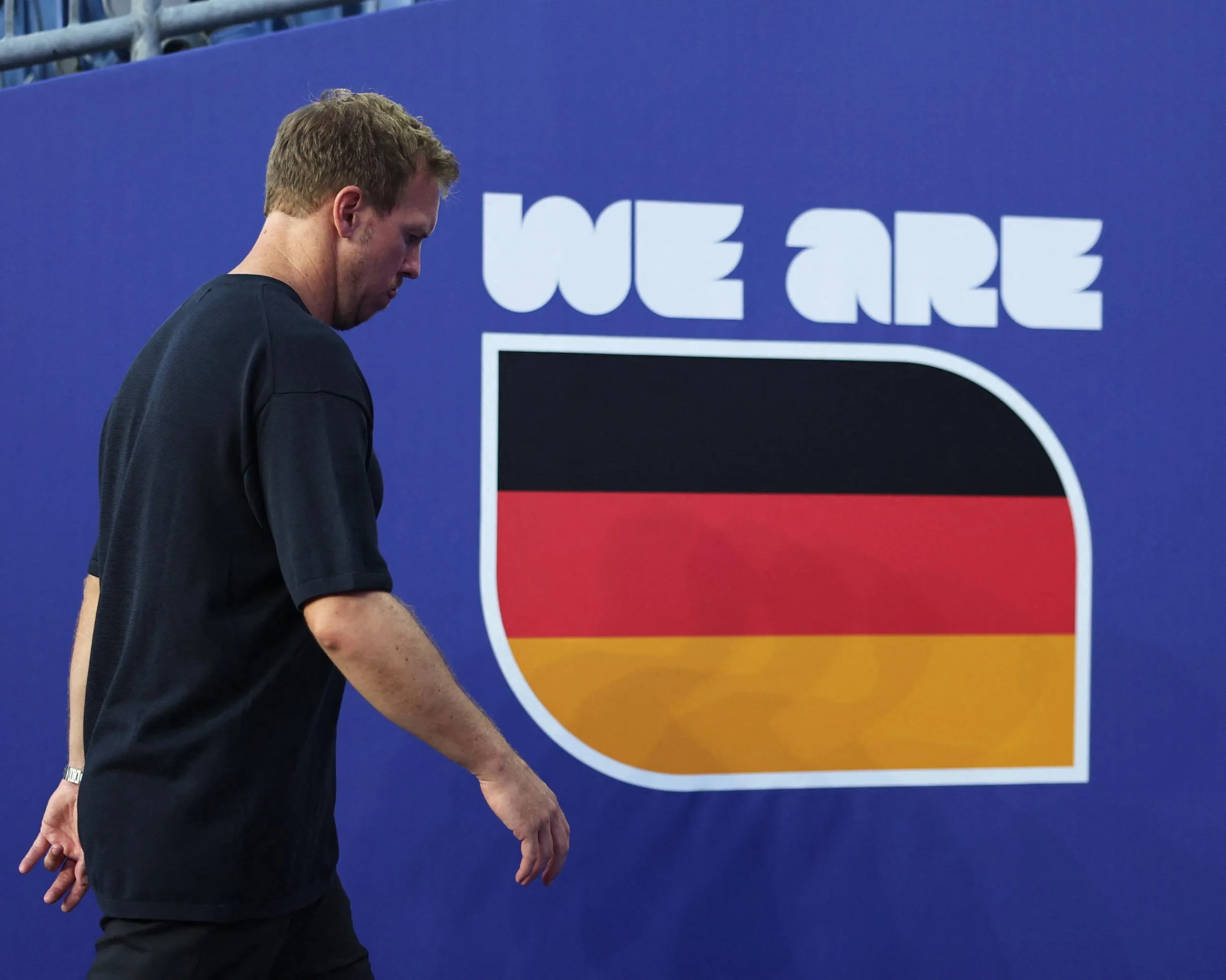
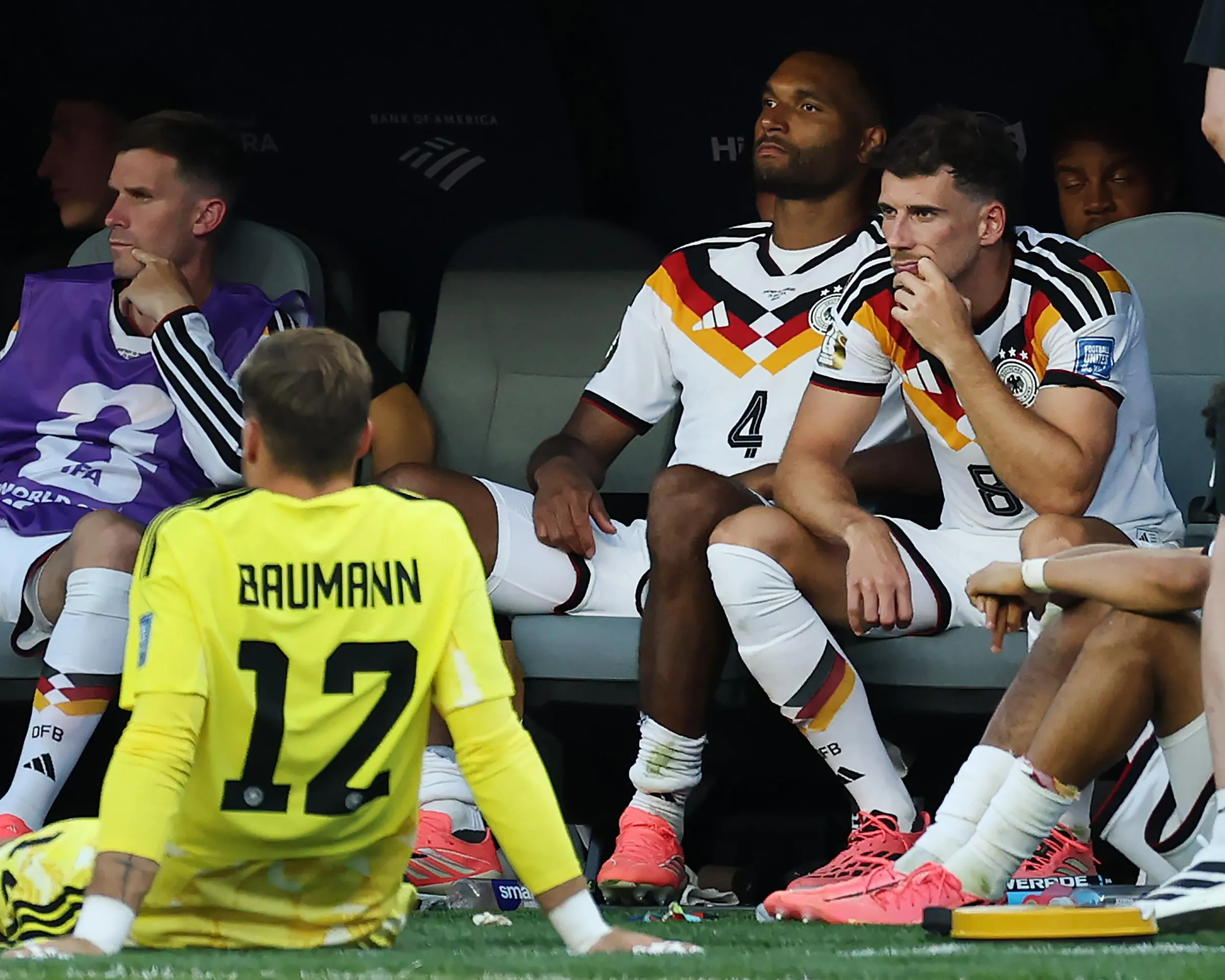
Germany’s early exit from the World Cup for the third consecutive time has left many in shock, including former captain Philipp Lahm. He expressed a need for reflection, emphasizing that continuity is crucial, something the national team has been lacking for the past ten years. There seems to be confusion within German football regarding its style of play, as constant experiments and new player roles have not yielded the desired results.
In previous successful eras, Germany thrived with clearly defined player roles and a well-established hierarchy. This time, however, a lack of conviction was evident, as the team appeared unprepared and disorganized throughout the tournament.
The absence of control during matches was apparent, with difficulties in building play from defense to attack and maintaining possession in opposition territory. In contrast, other nations have demonstrated a more cohesive approach.
Once regarded as a Turniermannschaft (“tournament team”), Germany has now struggled to find its rhythm, with performance declining from one game to the next. Promising strategies were discarded, such as the effective use of Deniz Undav as a substitute against Paraguay, which Nagelsmann later abandoned.
Lahm suggested two tactical adjustments that could have been beneficial. Firstly, he believes Joshua Kimmich, who excels in midfield for Bayern Munich, should have played in that position for the national team. Secondly, he would have preferred to see Florian Wirtz positioned centrally behind Kai Havertz, allowing both players to leverage their strengths consistently throughout the tournament.
Nagelsmann’s frequent changes in tactics were called into question, as Lahm noted that successful teams like Spain and France stick to a consistent style. While variation can be beneficial, it should be limited to minor adjustments once a solid framework is established.
Furthermore, Lahm criticized Nagelsmann for altering formations unnecessarily, particularly in the final group match against Ecuador, which had no bearing on the tournament’s outcome. Such changes can send mixed signals to the team, undermining their understanding and cohesion.
Despite the disappointing exit, Lahm found a glimmer of hope in the players’ responses to adversity. Instead of blaming each other, the team rallied together. Antonio Rüdiger praised teammates Jonathan Tah and Nico Schlotterbeck, while Kai Havertz expressed admiration for Undav, and Kimmich defended both Leroy Sané and Nagelsmann. This unity is a positive foundation to build upon.
Addressing criticisms of the players’ attitude, Lahm defended them, stating that while the 2018 squad may have faltered, the current team is dedicated. The emotional toll of failure is evident, with Kimmich reflecting on his fears of a potential decline after the Qatar exit, highlighting the team’s commitment to success.
The current generation of players, raised in youth academies, has been groomed for professional football from a young age. However, the rapid evolution of the sport, including financial and digital changes, has posed challenges. Effective leadership is essential to navigate these complexities.
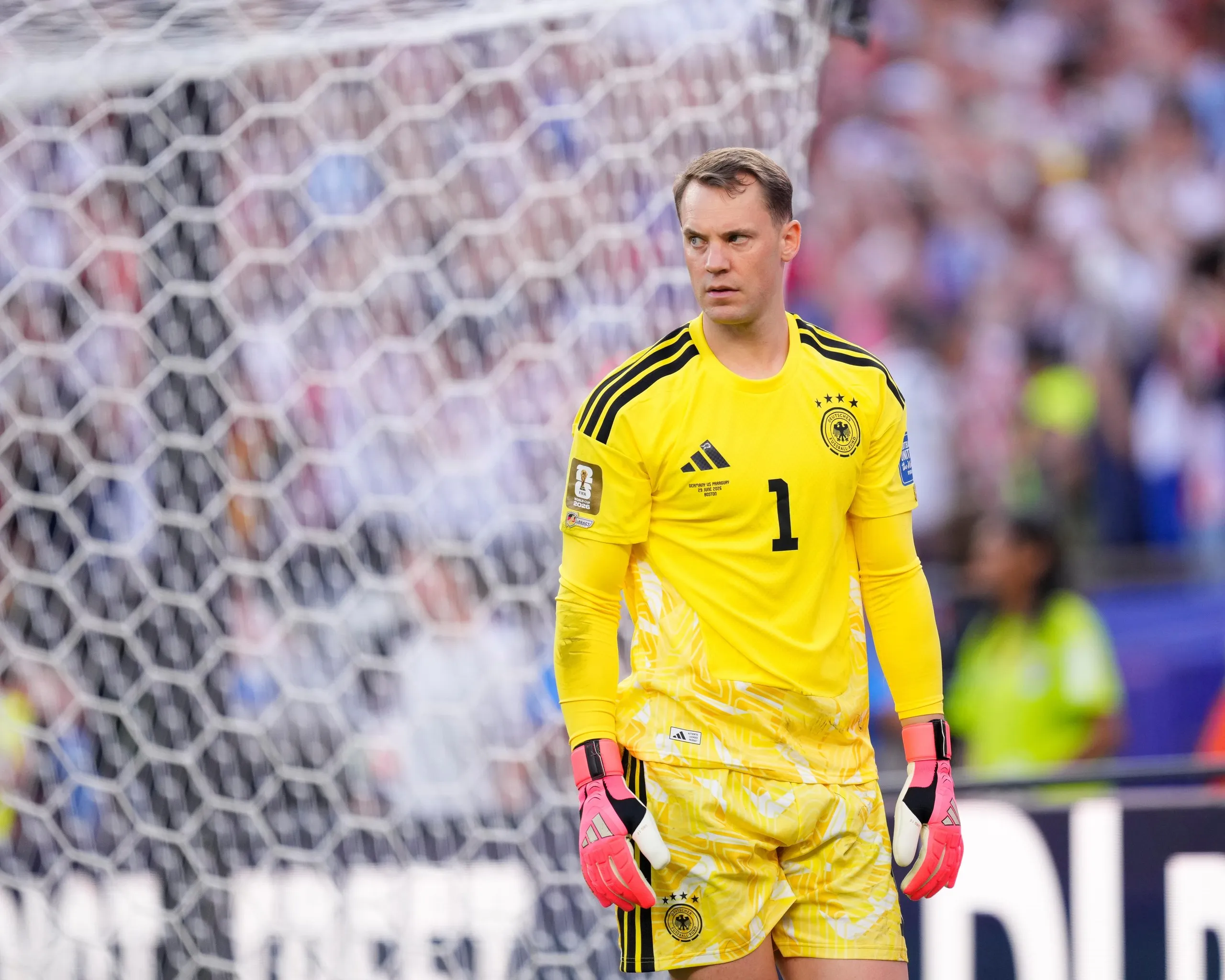
Lahm stressed the importance of giving the next generation of players a fair chance. Yet, he expressed concern that reliance on the 2014 World Cup winners, such as Manuel Neuer, reflects a lack of confidence in the team’s ability to manage without their experience. In contrast, teams like Argentina and France have successfully integrated established stars while building cohesive units.
With three consecutive World Cup disappointments under different coaches—Joachim Löw, Hansi Flick, and Julian Nagelsmann—Lahm sees the talent pool as a strength rather than the issue. With players excelling at top clubs across Europe, the challenge lies in fostering a cohesive identity. He underscored that the World Cup is a pivotal event representing national pride, and disconnection from team development alienates fans.
Reflecting on his own experiences, Lahm noted that while not every teammate got along perfectly, the shared success forged lasting bonds. In contrast, the current squad may not experience the same camaraderie. Discussions about Nagelsmann’s future should be preceded by a critical examination of fundamental issues within German football. The nation needs to reaffirm its identity, distinct from others, and return to its unique style of play.
Germany must reconnect with its footballing heritage with renewed determination.
Philipp Lahm’s column was produced in collaboration with Oliver Fritsch at Die Zeit.
- World Cup 2026
- Germany
- World Cup
- comment