


The introduction of a half-time show during the 2026 World Cup final has stirred debate, akin to other contentious innovations like hydration breaks and Donald Trump’s influence on refereeing. This new feature inherently extends the traditional 15-minute intermission set by the International Football Association.
Moreover, this addition draws parallels to the NFL’s Super Bowl, where half-time performances have evolved from mere marching bands to major entertainment spectacles. Critics argue that this shift signifies an American influence on the World Cup, rather than a genuine embrace of the event.
Prior to the main event, viewers had to navigate through additional musical acts, highlighted by a lackluster pre-match closing ceremony that was not broadcast live by major networks.
Those who tuned into iPlayer were treated to Post Malone’s debut single from his upcoming album,the Eternal Buzz, along with a duet with Swae Lee on their chart-topping hitSunflowers. Additionally, an online influencer and wrestler, IShowSpeed, performedChampions, a track that gained such popularity that FIFA included it on their official World Cup album.
The performance was a chaotic mix of booming drums and autotuned vocals, featuring lyrics that made even the simplest football chants seem profound.
“I take a breath and wait for the ref / This is the World Cup, put your hands in the air.”
Unfortunately, the audience at MetLife Stadium responded with silence, leaving one to wonder if the broadcast had missed the crowd’s noise; however, subsequent fireworks elicited a much louder reaction.
Following this, Jennifer Hudson delivered a rendition of the Star-Spangled Banner. Robbie Williams, alongside Laura Pausini and Nicole Scherzinger, performed FIFA’s anthem,Desire, which had initially premiered during the draw ceremony in December. Despite its early hype, the song failed to achieve global chart success, and its reappearance raised questions about its relevance.
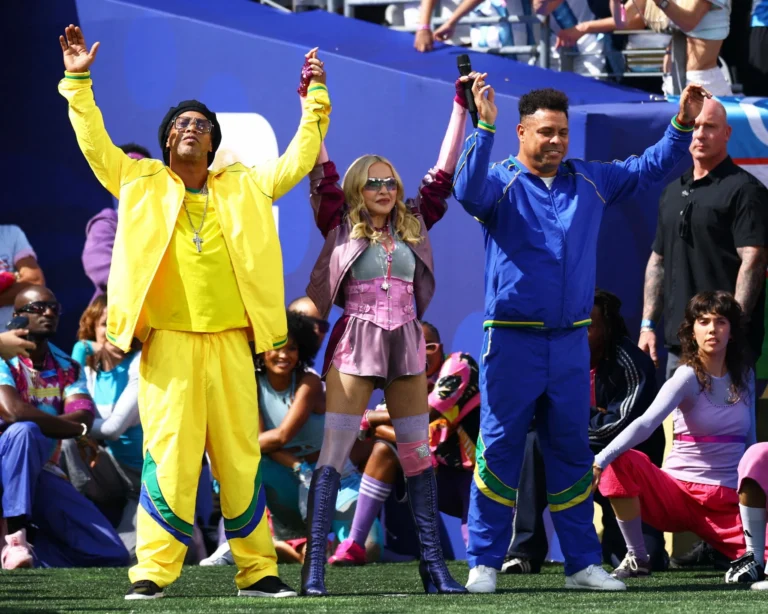
In contrast, the actual half-time show managed to impress, even if the expectations were modest. The format, which featured quick transitions and shortened song versions, effectively utilized its 11 minutes. Madonna took the stage to perform a reimagined version of her 2000 hitMusic, complemented by a backing track reminiscent of the Trammps’Disco Inferno, all while being driven by Ronaldo and Ronaldinho on a vehicle that evoked a post-apocalyptic theme.
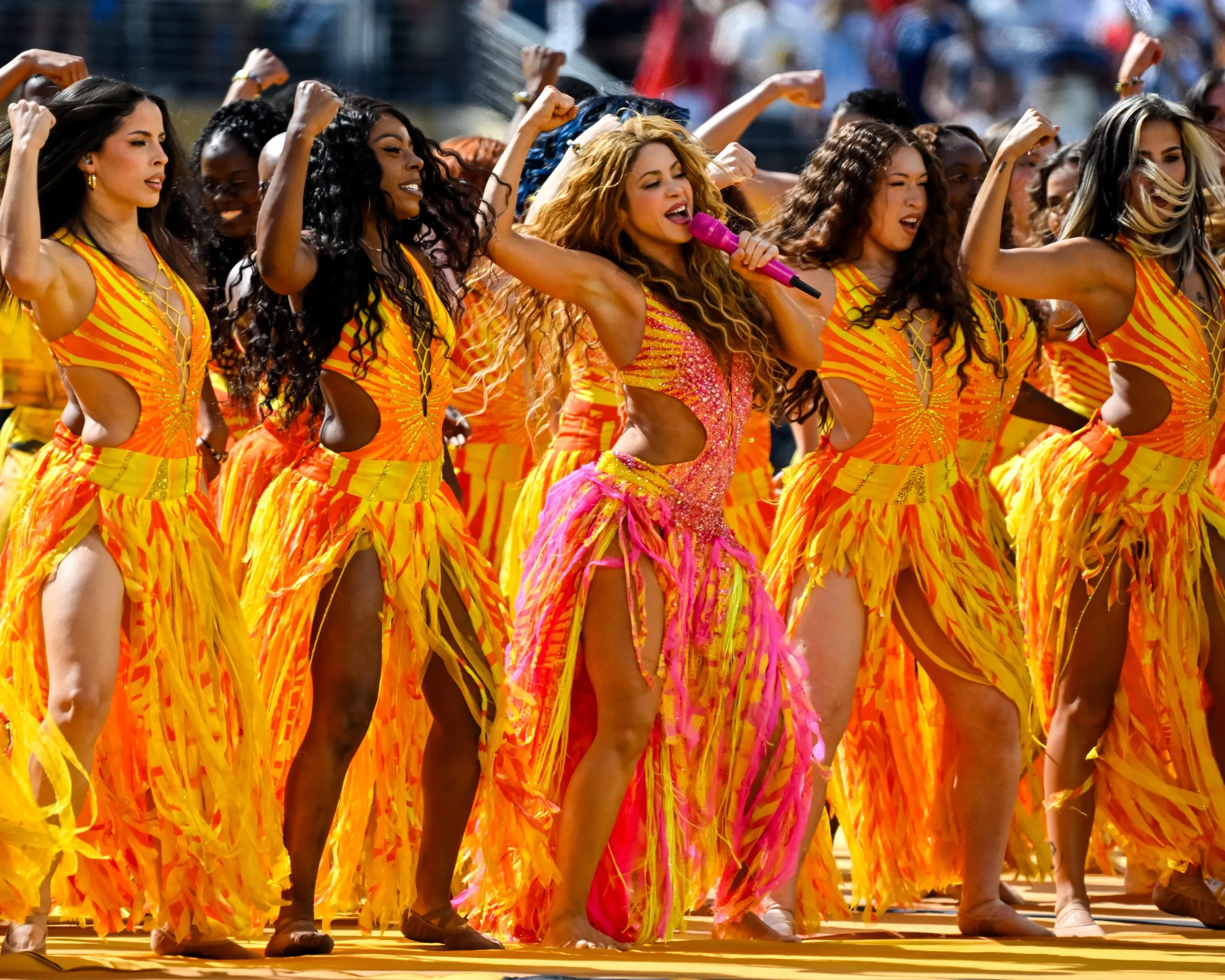
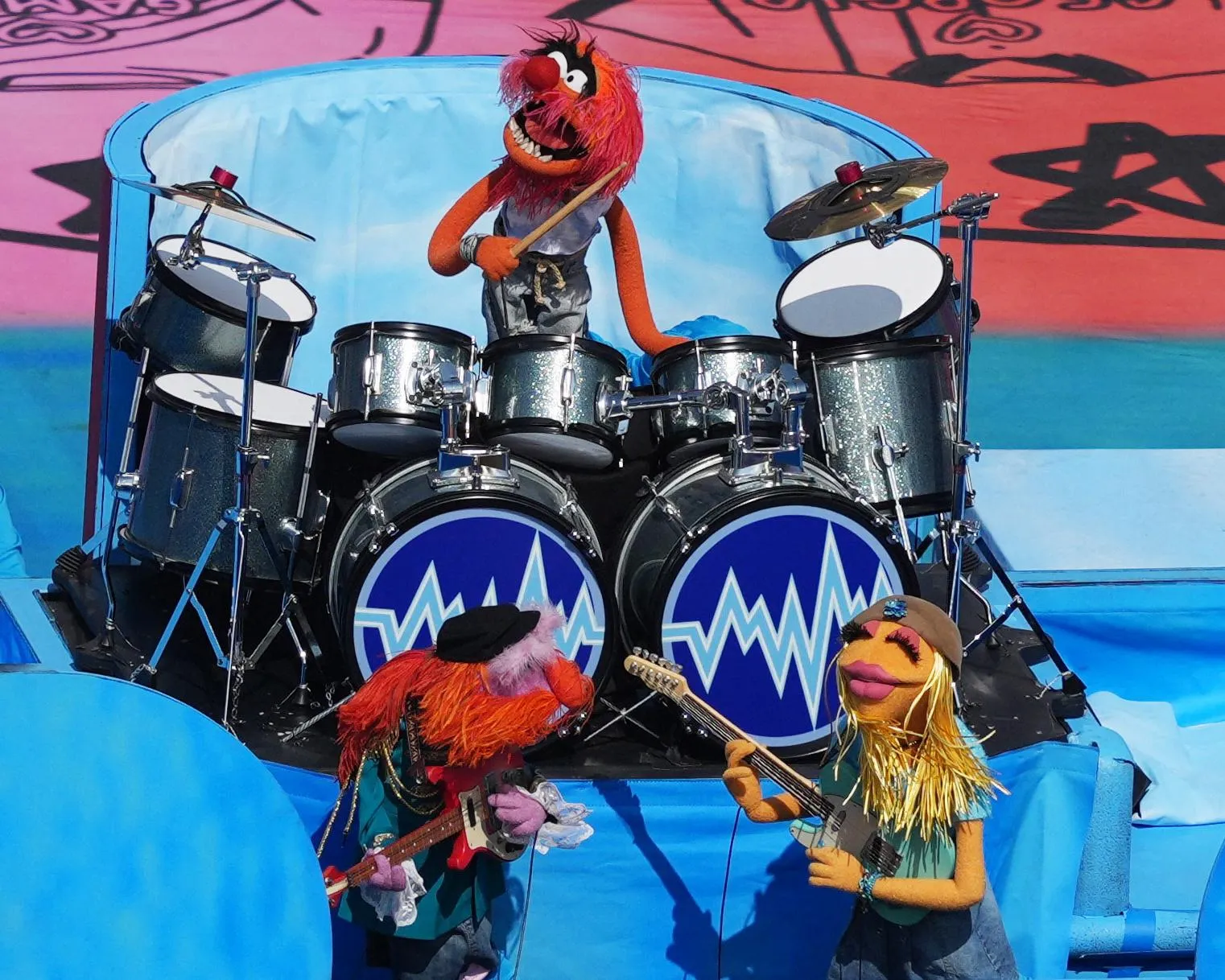
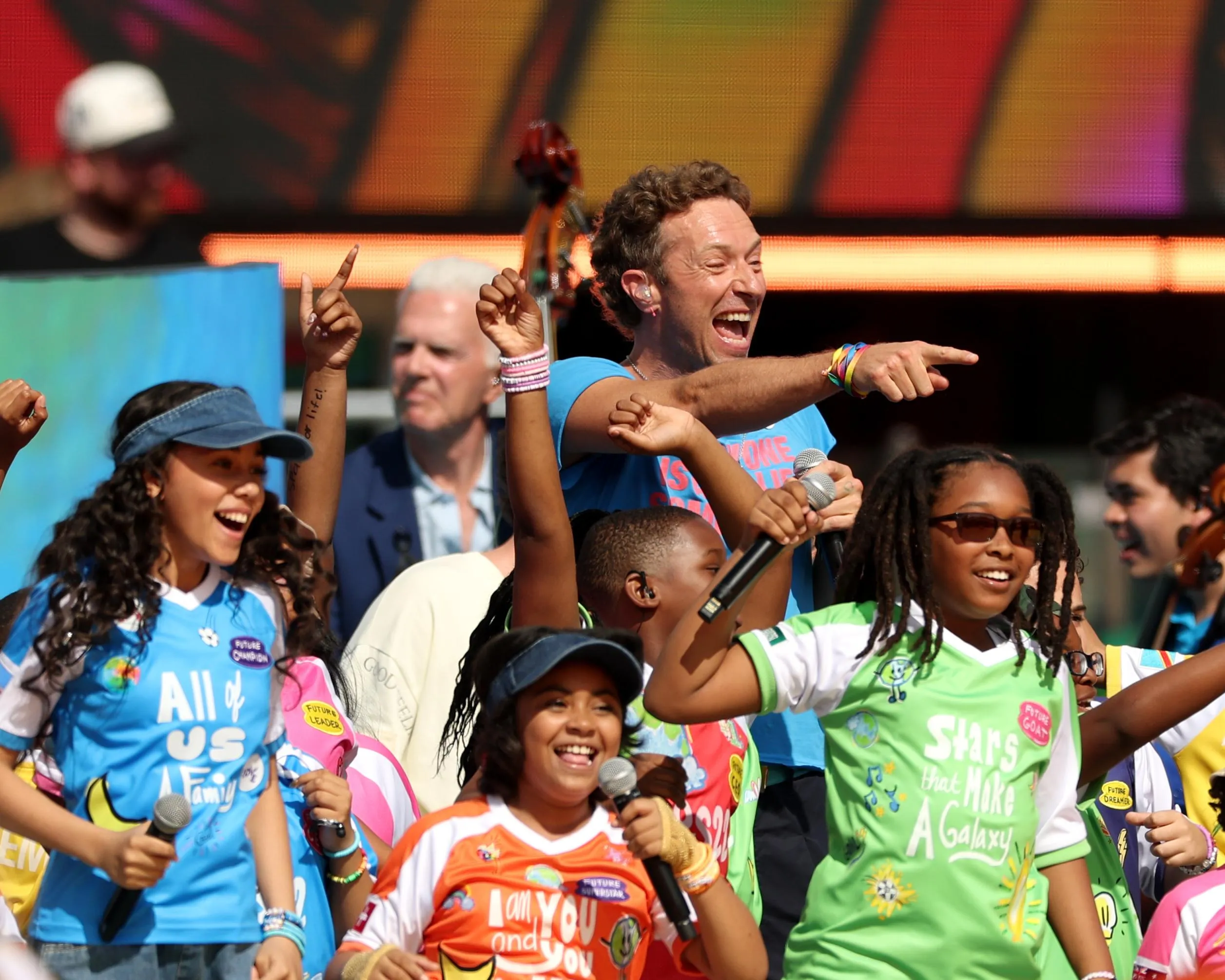
Next, the White Stripes’Seven Nation Armyfilled the air, seemingly performed by members of the Muppets’ band, Electric Mayhem. Although their leader, Dr. Teeth, was absent—possibly recovering from exposure to IShowSpeed’s act—BTS energized the crowd withDynamite, while Shakira and Burna Boy presented a shortened version ofDai Dai, the only World Cup song in recent memory to chart in the UK. Coldplay concluded the set withBelieve in Love, accompanied by a children’s choir, a combination that sounded sugary on paper but was surprisingly well-balanced, enhanced by the sound of vuvuzelas.
One notable misstep occurred when Justin Bieber performed a somber acoustic rendition ofEverything Hallelujah. Despite its viral success post-Coachella, this introspective moment felt misplaced in the lively atmosphere. Nevertheless, while the half-time show may not have been universally acclaimed, it sufficiently validated its place in the World Cup format, at least for the present occasion. Not everyone was impressed, though; Wayne Rooney candidly remarked to BBC presenter Gabby Logan, “I thought it was crap.”
- World Cup 2026
- World Cup
- Madonna
- Justin Bieber
- New York
- features