


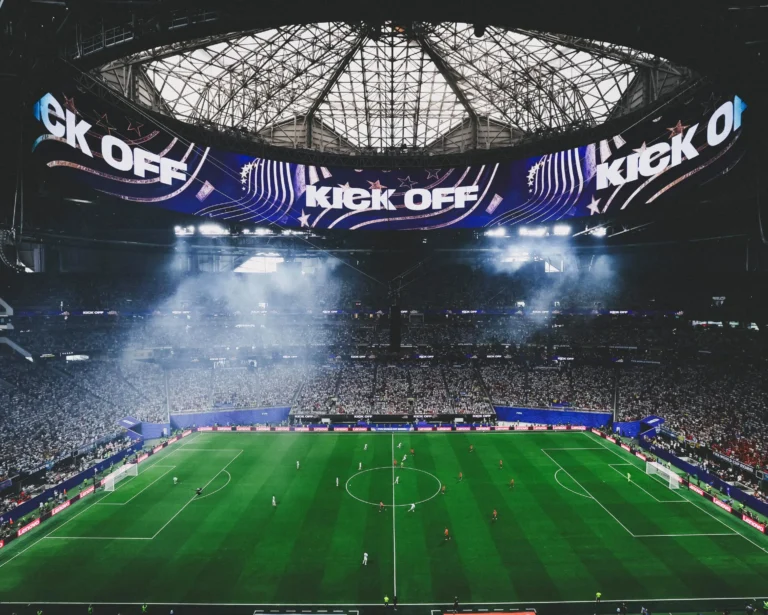
The BBC is preparing to broadcast live coverage of England’s World Cup semi-final showdown against Argentina from Atlanta. Expectations are soaring for potentially record-breaking viewership as Thomas Tuchel’s team strives for a win.
During Saturday’s gripping extra-time match against Norway, ITV attracted a peak audience of 18 million viewers. This figure is likely to be exceeded on Wednesday evening when England seeks to reach its first World Cup final since 1966, with kick-off scheduled for 8pm UK time.
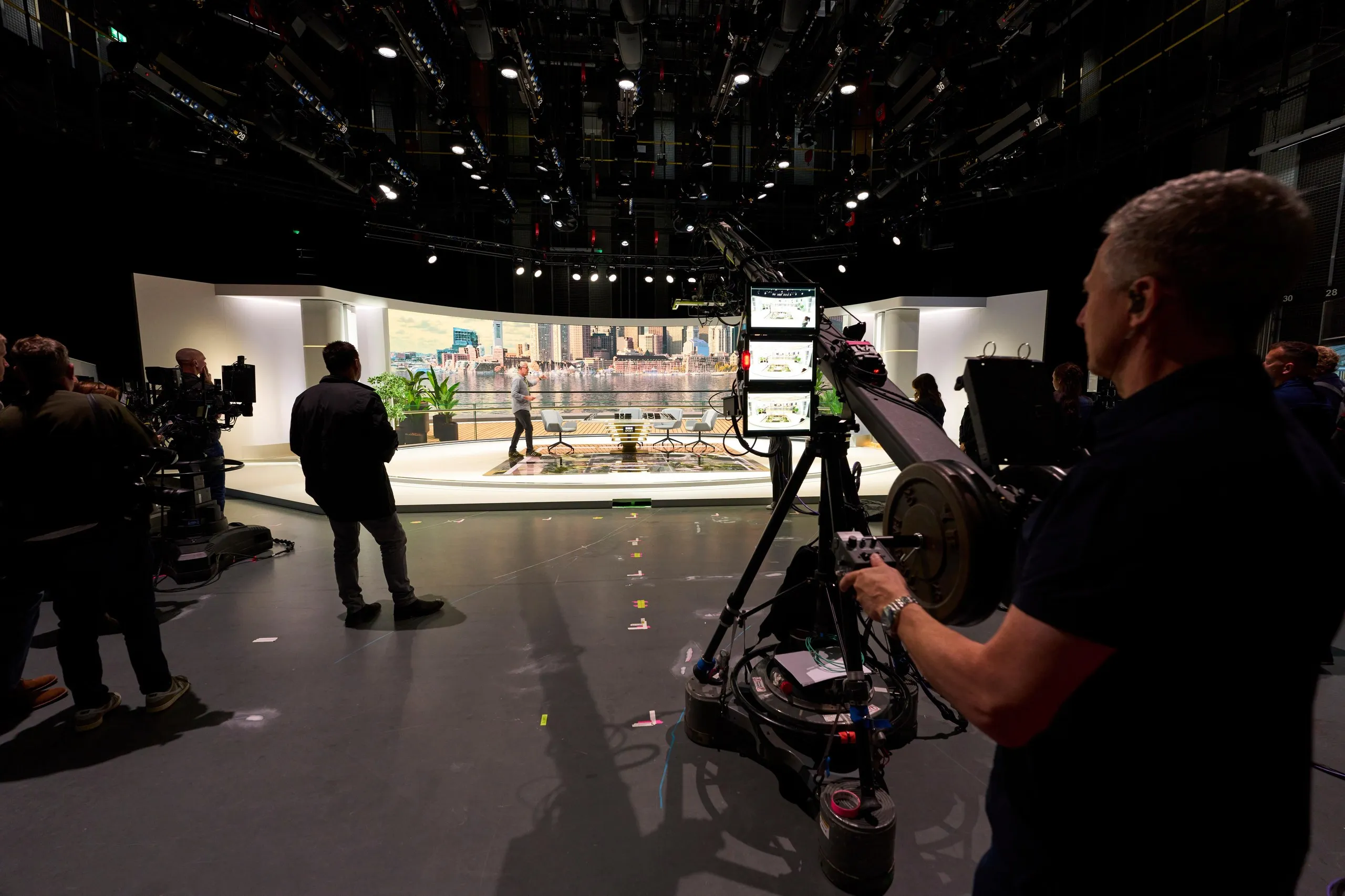
Holding exclusive live broadcasting rights, the BBC has assembled its top punditry team after deciding to conduct most of the tournament coverage from Salford.
Previously, updates from Alan Shearer were the extent of BBC’s on-site presence, but now he is joined by fellow analysts Wayne Rooney and Micah Richards, who are positioned at the stadium in Atlanta. In contrast, ITV operates a hybrid model, featuring a rooftop studio in Brooklyn alongside a team of reporters and analysts on the ground.
England’s journey to the semi-finals marks their second appearance in three World Cups, affirming the BBC’s choice to reserve its marquee matches for the latter stages of the tournament. ITV had previously shown two of England’s group stage encounters and their round of 32 victory over DR Congo leading up to the thrilling face-off against Norway. Although ITV has led in ratings to date, the BBC is poised to draw a larger audience as the tournament advances, particularly for the forthcoming final, which both networks will broadcast live.
Despite the challenges posed by a 2am kick-off for England’s exhilarating last-16 win over Mexico, the BBC still managed to attract a peak audience of 9.1 million, significantly surpassing the previous record for the largest television audience for a live broadcast during that time frame, previously held by the 2016 Rio Olympics.
The BBC has robustly defended its decision to remain in Salford, particularly as it embarks on a cost-cutting strategy that includes reducing 2,000 jobs to save £500 million. Alex Kay-Jelski, director of BBC Sport, remarked last month, “To have what would probably be an extra couple of hundred people out there – and that’s before you build a studio – you’re talking millions,”