


Conversations around England’s World Cup journey have pervaded everyday life, from late-night news discussions to casual encounters at bus stops and birthday parties. Fans grapple with the stark contrast between the monotony of the present and the hope for a vibrant future, trying to connect their current emotions with potential outcomes. Amidst this, detailed analyses of team strategies often get drowned out by the mundane sounds of everyday life.
Over the past two years, immense resources have been invested in this campaign—tickets, accommodations, transport, and memorabilia, alongside countless hours spent navigating unfamiliar cities. Questions about player selections, such as the decision to leave Jude Bellingham behind, have stirred debates, ultimately leading to a pivotal moment when England found themselves leading 1-0 against Argentina in a World Cup semi-final, reliant on the performance of high-profile athletes and their German manager to maintain composure.
Unfortunately, England faltered. Critiques are emerging that Thomas Tuchel’s substitutions not only failed to bolster England’s efforts but also highlighted a broader pattern of underperformance. The team appeared to retreat into a defensive stance well before that critical moment, suggesting deeper issues within the squad—a persistent inclination towards failure that seems to repeat itself across generations.
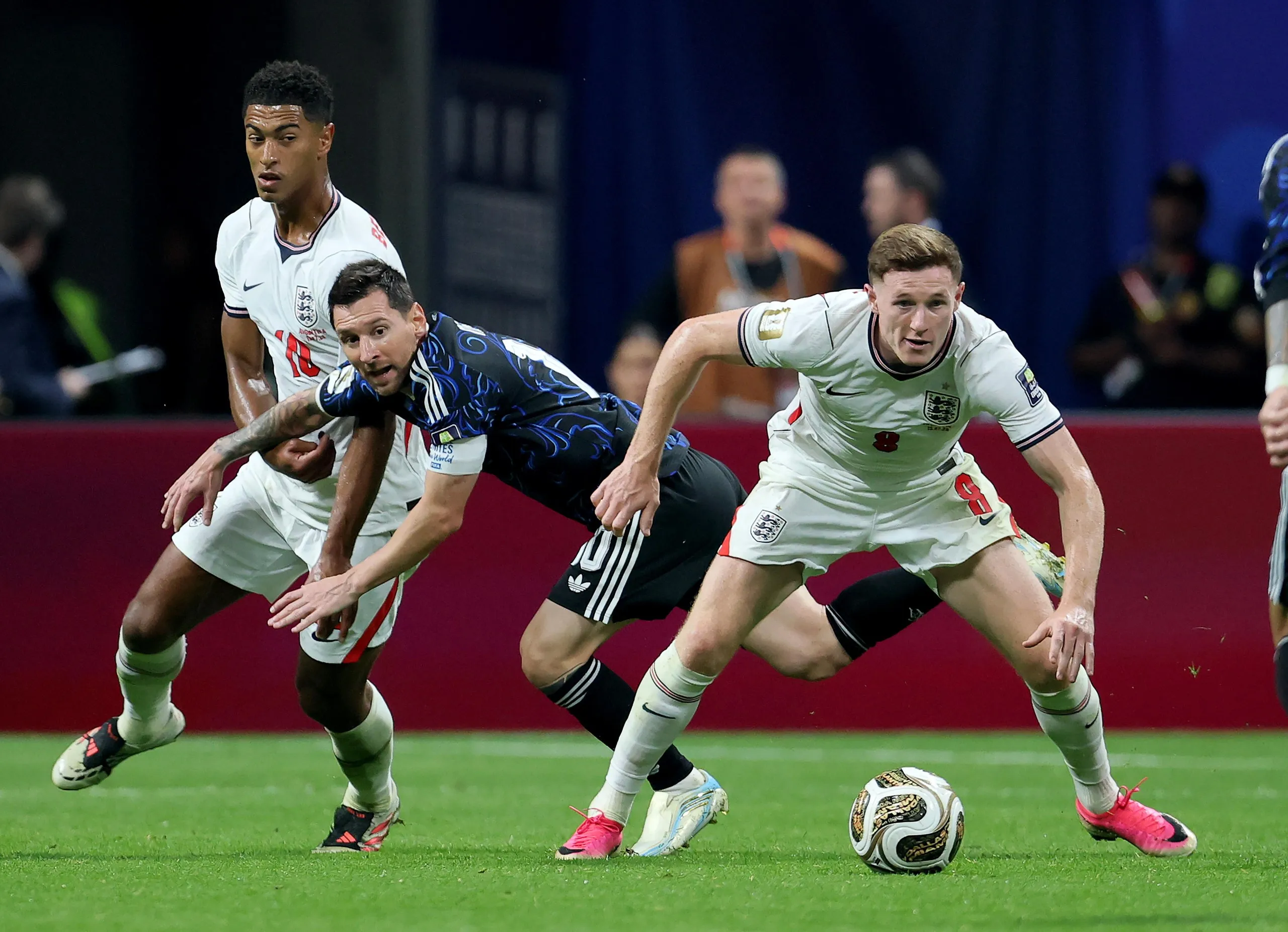
To understand the situation fully, one must revisit the crucial minutes following Anthony Gordon’s goal. During that time, England faced significant pressure from Argentina, including corners and attempts that required goalkeeper Jordan Pickford’s intervention. However, this pressure should not have been unexpected, as England managed to push Argentina back into their defensive third shortly thereafter.
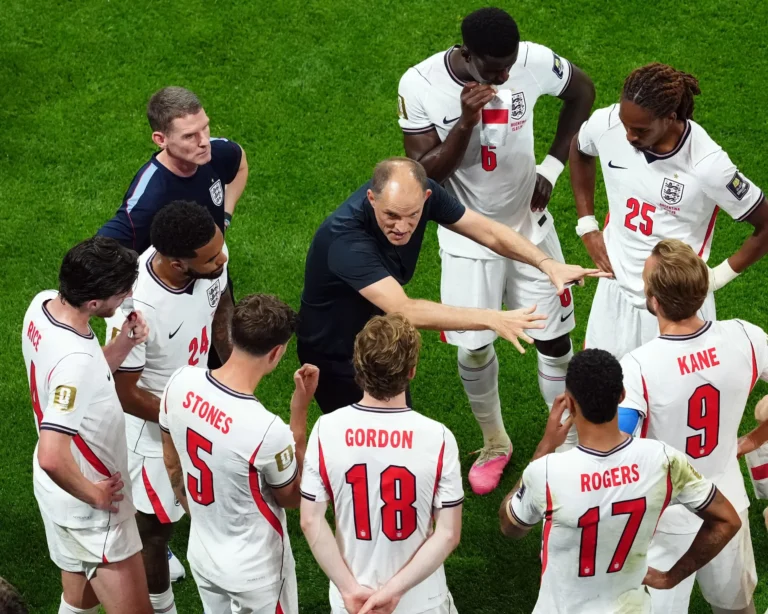
The crux of the issue lies not in tactical shortcomings or a defeatist mindset, but rather in decision-making that may have been affected by fatigue. Lionel Messi had yet to take control of the match, and the unfolding events were not predetermined outcomes. The crucial drinks break provided England with a moment to regroup and consider substitutions, a chance Tuchel squandered.
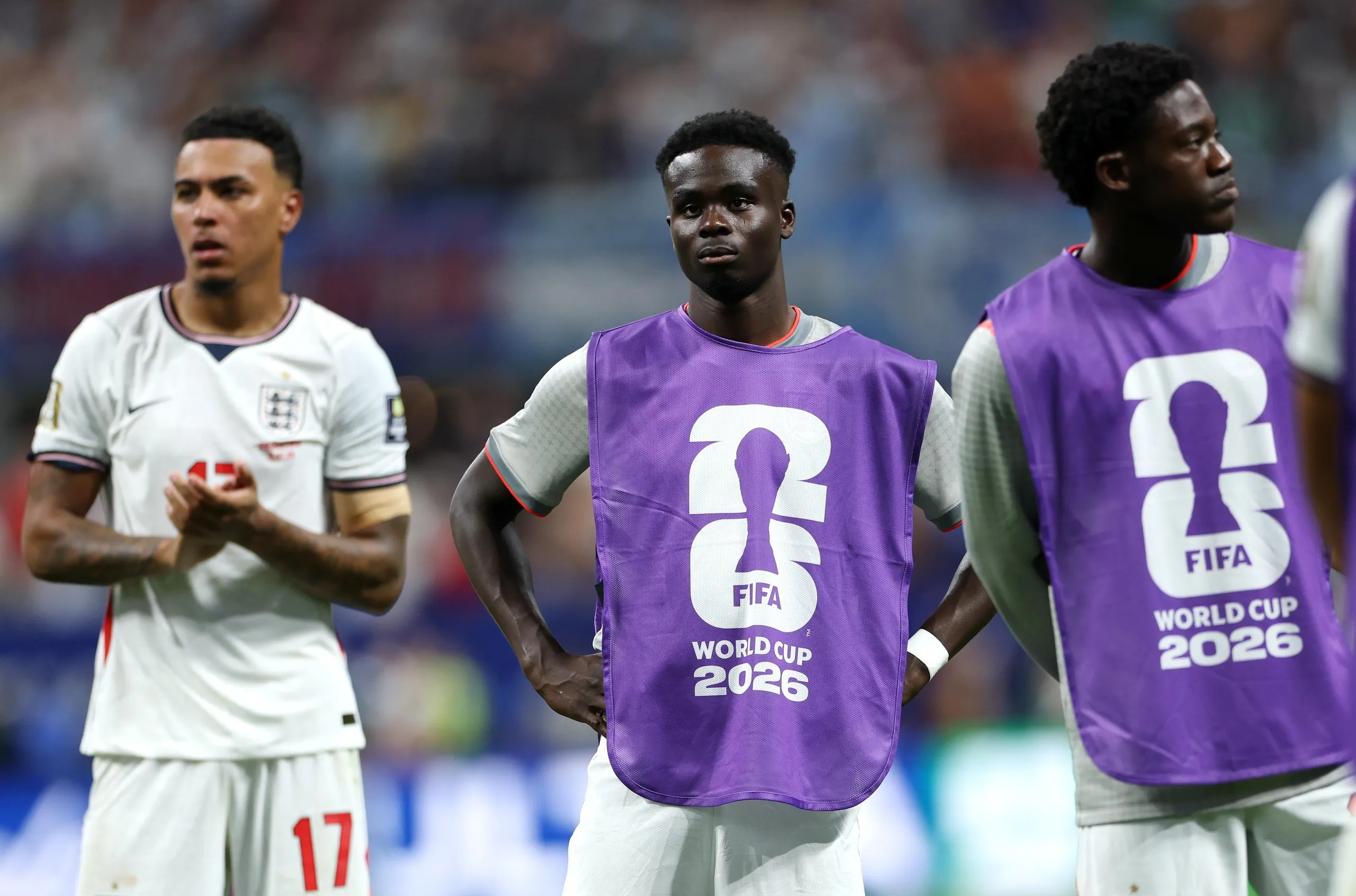
One might ponder what a more proactive approach could have entailed. Harry Kane, clearly fatigued, remained on the pitch for a potential penalty shootout, a decision deemed unwise. Instead, introducing Ollie Watkins would have added pace and pressure to the Argentine defense, while bringing on Bukayo Saka could have provided crucial dribbling ability to navigate tight situations. Above all, a belief in the team’s capabilities was essential; World Cups are won through bold action, not merely survival.
“If we lose, we lose in our way,” Tuchel once declared, a sentiment that inspired some of the most exhilarating football witnessed from England in recent tournaments. Questions arise: where has that belief gone, and what might have diverted Tuchel from the confidence that propelled the team thus far?
The current roster features an array of talented players, yet Tuchel opted for a conservative approach, leaving many fresh talents unused on the bench. During the timeframe between the second hydration break and Argentina’s subsequent goal, England managed less than 8% possession, completing only five passes in a span of 25 minutes, allowing a veteran player to dictate the pace of the game.
While it’s tempting to dissect each decision individually, the overarching concern reflects a lack of faith in the players. Fans had unwavering confidence in the squad up to this moment, but doubts linger about whether Tuchel shared that belief.
“Ball possession is not in our DNA like it is in the Spanish DNA or the Argentinian or Brazilian DNA,” Tuchel remarked post-match. This assertion, while historically grounded, is now under scrutiny and may even be seen as a form of gaslighting, challenging his suitability for the managerial role. The players, such as Rice, Saka, and others, have proven their capability to maintain possession at club levels, raising questions about Tuchel’s perceptions.
These are individuals eager to showcase their skills on the global stage, supported by fans who invested heavily in their journey. England can no longer be viewed as a team that underperforms internationally. It is reasonable to expect a coach who recognizes the players’ abilities rather than fixates on perceived limitations. While some argue that changing coaches now would be an emotional reaction, they overlook the fundamental expectation of a coach to navigate critical moments effectively. Ultimately, Tuchel’s handling of the World Cup semi-final raises serious doubts about his ability to harness the immense talent within this English squad.
- World Cup 2026
- England
- Thomas Tuchel
- World Cup
- comment