


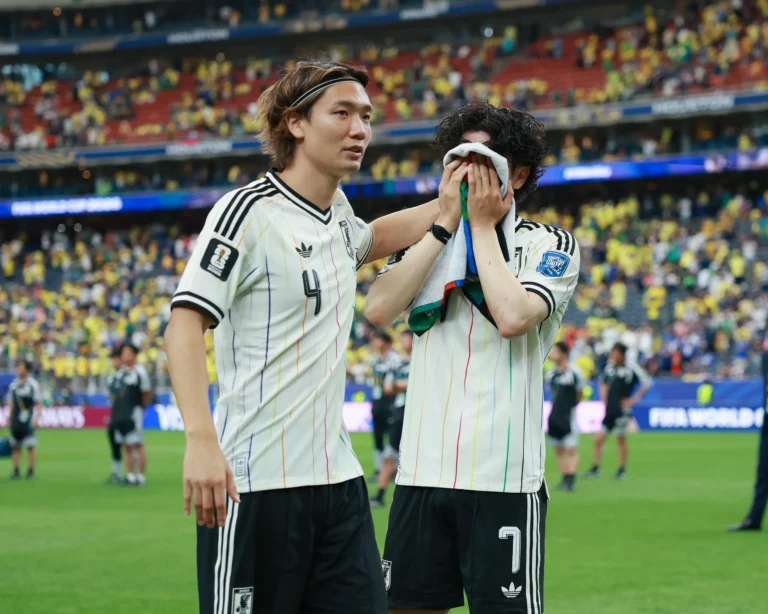
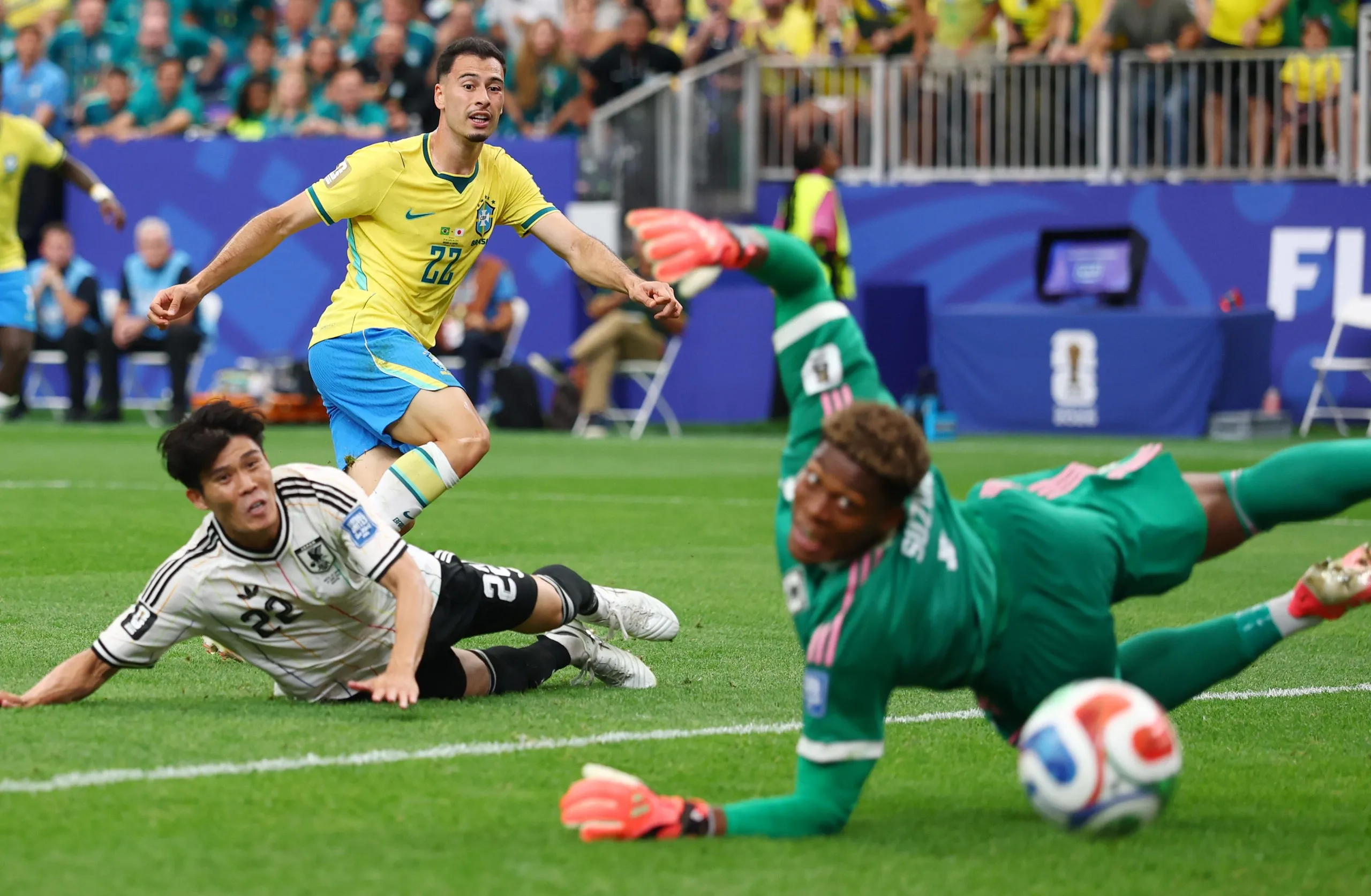
For a time, it appeared that Japan might achieve the most significant World Cup upset by overcoming Brazil. The team showcased remarkable energy, skill, and confidence, suggesting a new era for Asian football. However, the second half proved challenging as they faltered, ultimately succumbing to a 2-1 defeat in the dying moments of the match. Had key players like Kaoru Mitoma, Wataru Endo, Takumi Minamino, and Takefusa Kubo been available, the outcome could have been different. Brazil’s superior depth ultimately made the difference.
Support from across Asia was notably stronger than usual, with fans rallying for a sense of continental pride. “We are representing Asia. I know that other Asian teams are not as successful,” noted Japan’s coach Hajime Moriyasu prior to the match. “I would like us to be able to encourage other Asian teams as well, and we would like to be their hope.”
Japan’s approach—characterized by a long-term vision, patience, and determination—has not been adopted widely across the continent, though recent performances might inspire change. Moriyasu may ponder that a higher standard in Asia could better equip Japan, a team accustomed to not defending deeply on their home turf, to compete more effectively against powerhouses like Brazil.
This World Cup has been disappointing for Asian teams. Out of nine participants, only Australia remains, facing Egypt in their next match, while seven teams were eliminated in the group stage—far fewer than Africa’s representation, where only one of ten teams failed to advance.
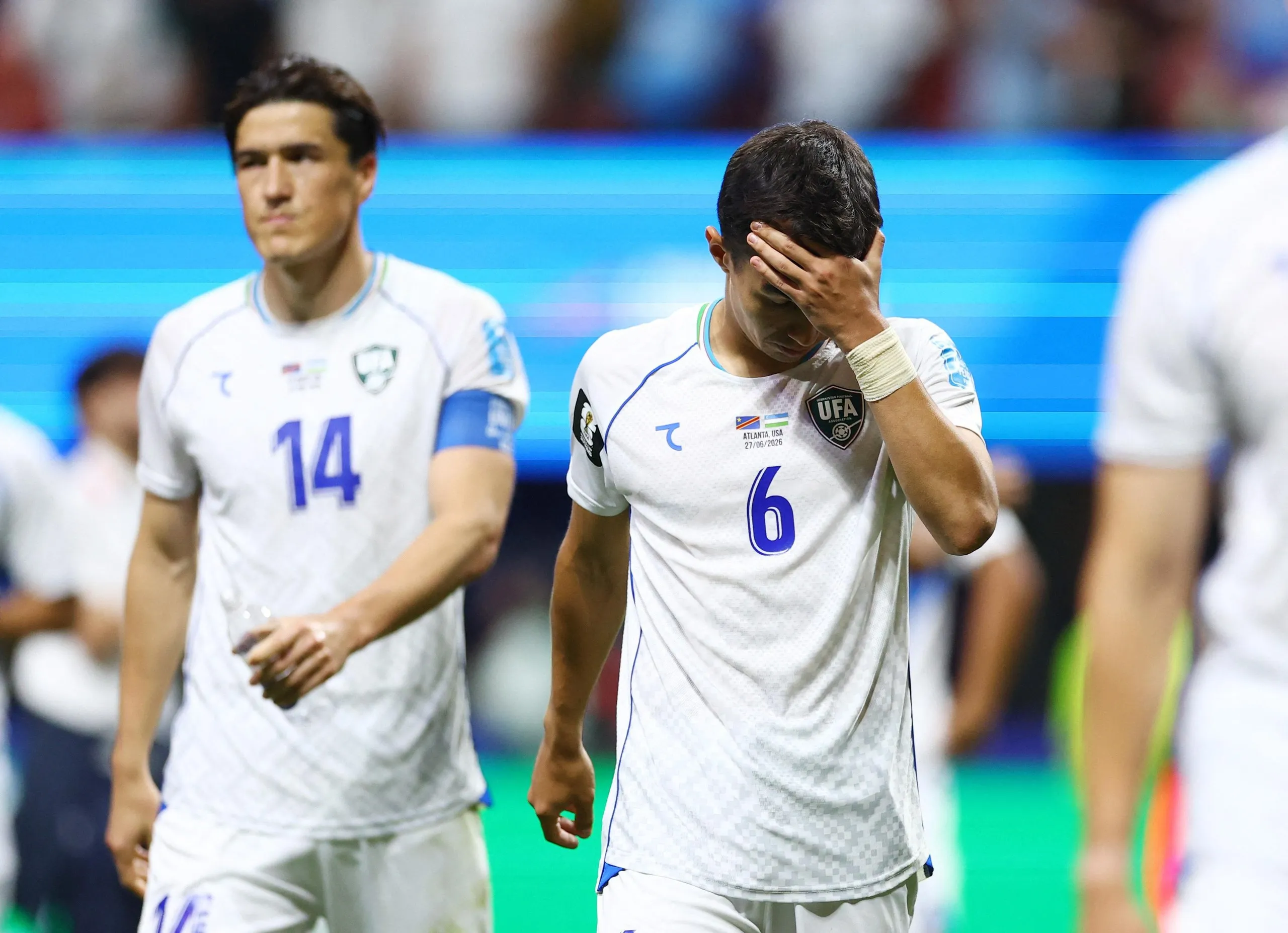
Iran should arguably be considered a special case. Team Melli managed to draw all three of their matches despite facing numerous challenges and coming close to progressing. If the country had not been embroiled in conflicts with the US and Israel earlier this year, their preparations could have been more stable. Once in North America, under conditions similar to the other competing nations, they might have fared better. Newcomers Jordan and Uzbekistan, along with Iraq, also faced significant hurdles due to their limited international experience. They generally performed well, particularly Jordan, which managed to score in all three matches despite injury setbacks. Iraq, however, was placed in a daunting group with France, Norway, and Senegal, revealing the stark quality gap when pressure mounted, leading to defensive errors. Although losing all nine games is not an ideal outcome, it does not encapsulate their full potential.
Uzbekistan has successfully developed a youth system, yet the inconsistency across Asia remains a pressing issue. They are likely to return stronger from this experience. Jordan had only two players active in Europe, and the World Cup experience could pave the way for more to follow. “Our players are young and we need to take advantage of the experience we had here and ensure we do better at a higher level of competition,” stated head coach Jamal Sellami. “To be at the top level we need to have more players to play at that high level.”
This challenge also extends to Saudi Arabia and Qatar, whose squads are predominantly composed of domestic players. The influx of quality foreign players in local clubs limits opportunities for homegrown talents, making it easier for them to remain in their comfort zones. Furthermore, both nations lack a coherent long-term strategy, as evidenced by Saudi Arabia’s coaching change from Hervé Renard to Giorgios Donis in April. The Green Falcons managed to draw two matches, but Qatar’s 6-0 defeat to Canada might be the most embarrassing Asian result, given the relative strength of their opponent.
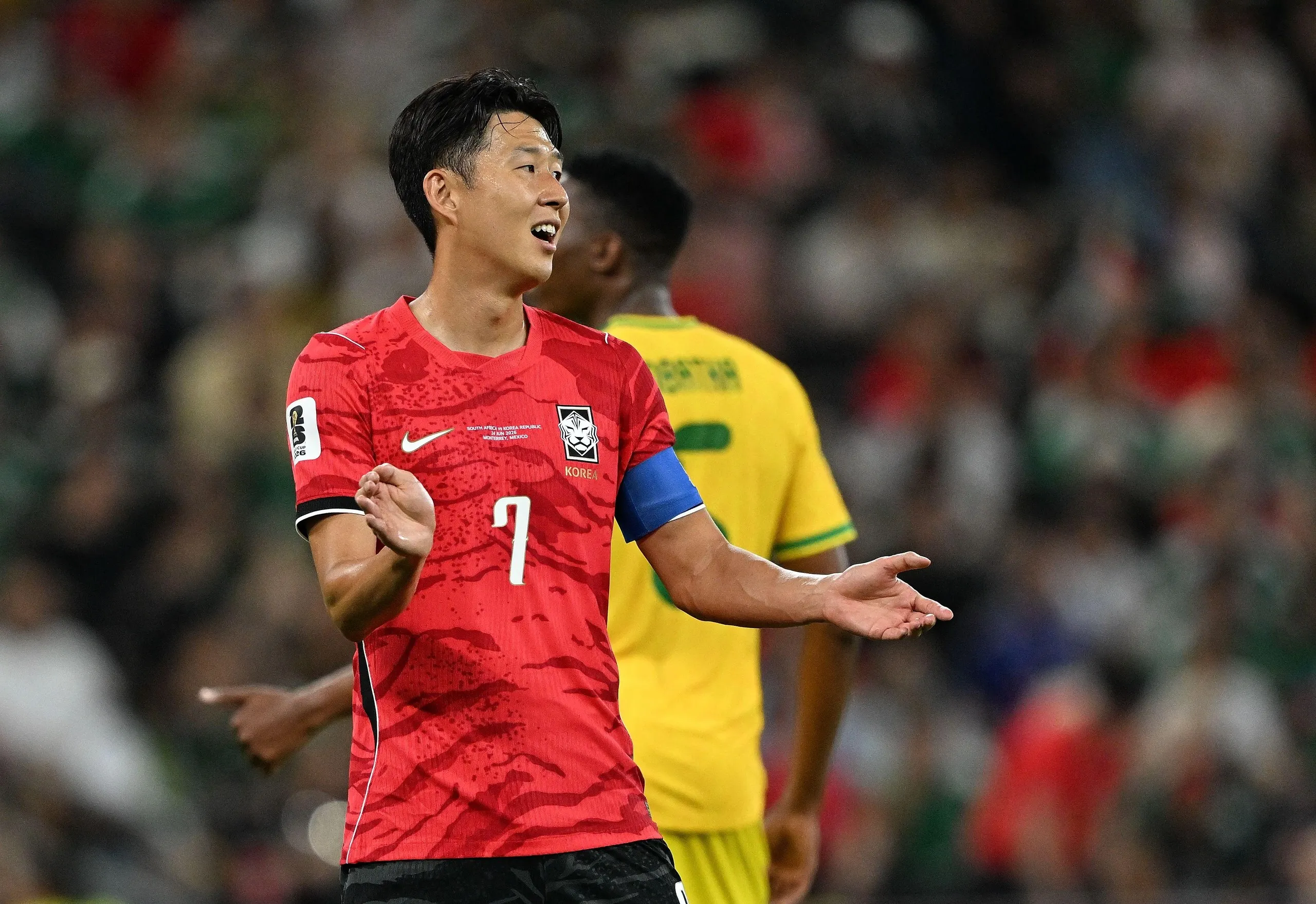
South Korea’s performance was perhaps the most disappointing, given their potential to advance. An initial victory over Czechia was promising, but they followed it up with lackluster performances against Mexico and South Africa.
In the wake of unprecedented backlash, head coach Hong Myung-bo has resigned, although other underlying factors are also at play.
Salman bin Ibrahim Al Khalifa, president of the Asian Football Confederation, acknowledged Japan and Australia for their achievements, yet emphasized the need for a broader evaluation of Asia’s overall performance. Given his tenure since 2013, it may be time for a new leadership approach.
The AFC shares some responsibility for the disappointing outcomes. The Champions League has seen frequent disruptions, primarily benefiting larger nations like Saudi Arabia, which stages matches from the quarter-finals. Both Saudi Arabia and Qatar also gained from a favorable qualification process, which may have masked their true capabilities, possibly making their presence in the tournament less beneficial.
As discussions begin, time is of the essence. The Asian Cup is set to commence in Saudi Arabia this January, and the cycle will continue. There exists a chance for others to pause, reflect, and emulate Japan’s long-term approach. If they pursue this path, they may find themselves joining the Samurai Blue in future knockout rounds.
- World Cup 2026
- Japan
- Saudi Arabia
- South Korea
- Jordan
- Uzbekistan
- Qatar
- features