


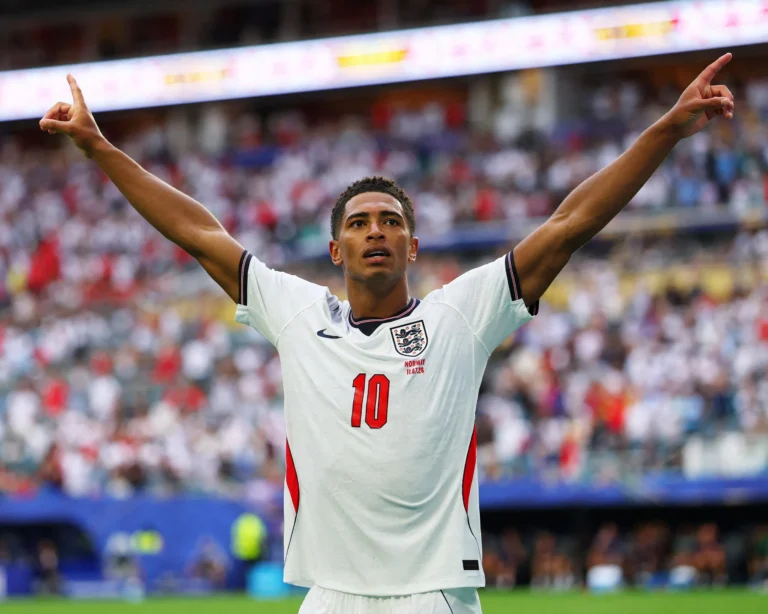
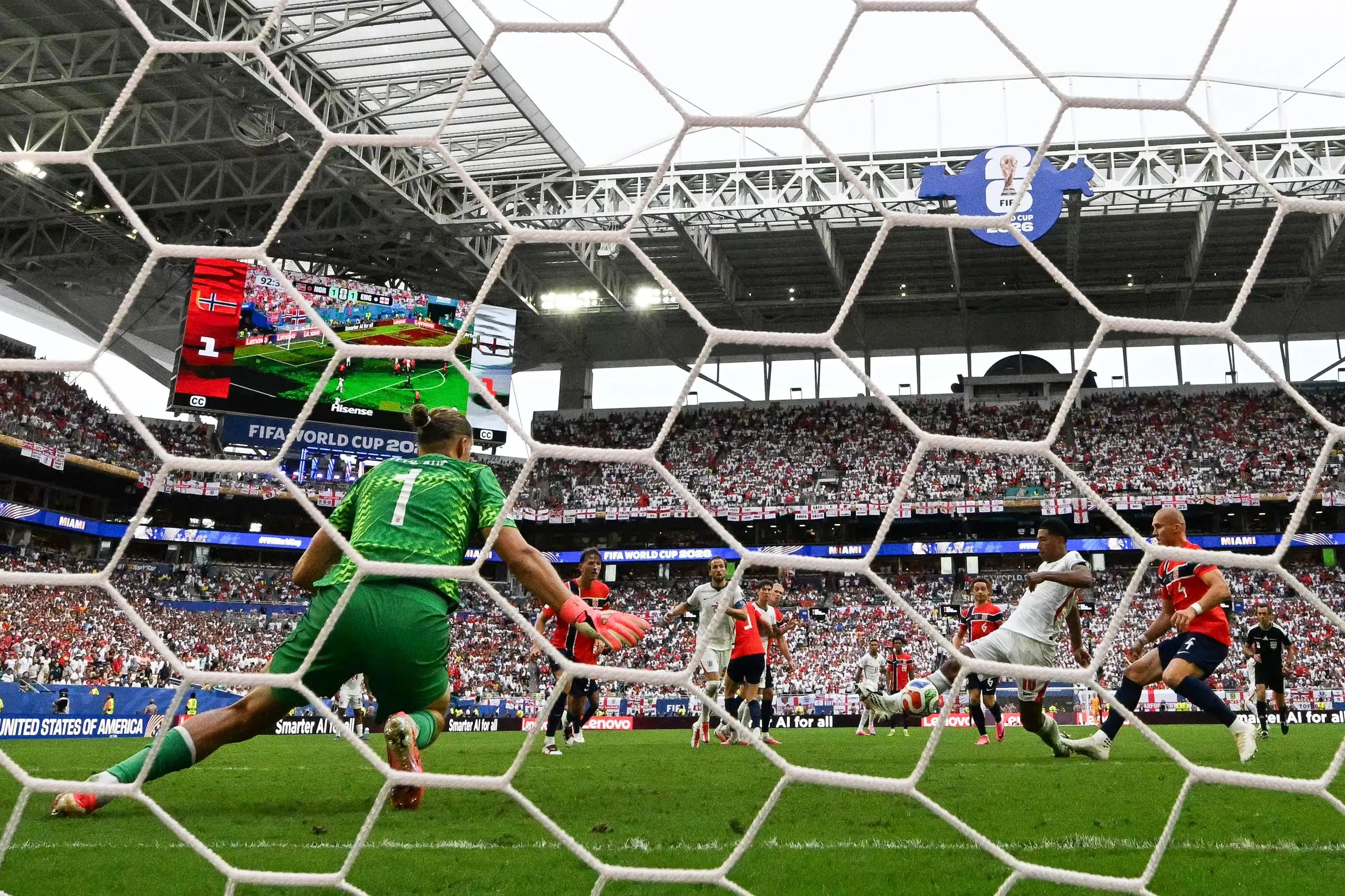
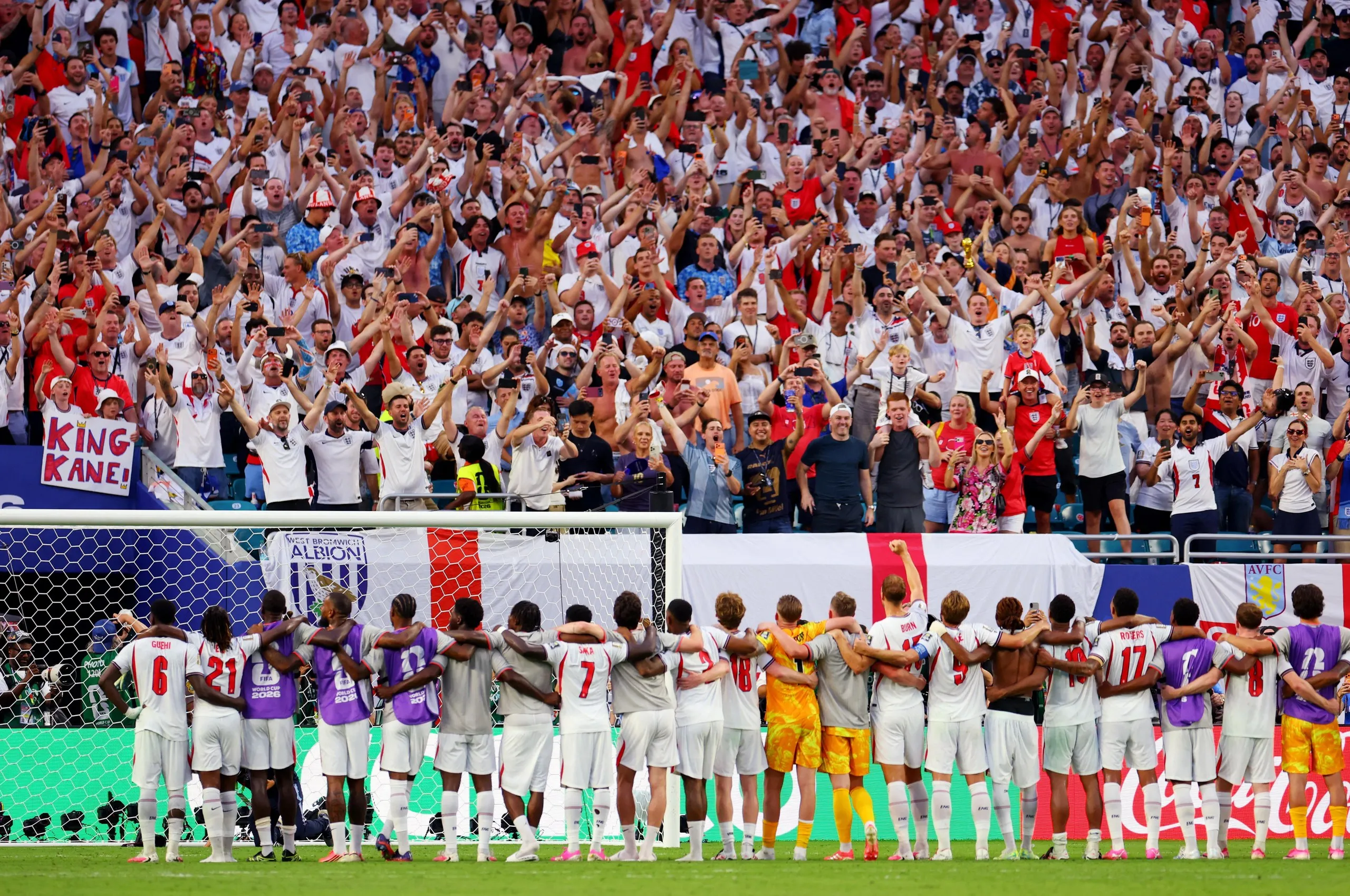
The atmosphere in Miami Gardens was charged as Jude Bellingham took to the field, embodying the spirit of a team grappling with its own limitations. Norway, competing in their inaugural World Cup quarter-final, displayed a blend of determination, skill, and tactical awareness, arguably outshining England in moments.
Compounding the challenge was the oppressive Florida heat, which seemed to envelop the players, creating an invisible barrier that sapped strength and clarity. England, in particular, appeared to struggle under these conditions, their performance at times resembling a collection of weary players rather than a cohesive unit.
At various stages, England looked not just disorganized but utterly fatigued, like washed-out shirts left on a clothesline in a swamp. Miami’s environment, with its humid air and vibrant wildlife, felt almost alien, where even local fauna watched curiously as if questioning the visitors’ presence.
In this relentless climate, England faced a battle against both their opponents and the conditions. While they showed resilience at the end of the match, their performance in the middle phases was lacking, too many players faltering under the pressure of the moment.
This match often echoed the familiar narrative of past England teams—struggling to impose themselves, appearing almost suffocated by the weight of expectation. Yet amidst this, Bellingham emerged as a transformative figure, playing in what felt like a separate tournament altogether, elevating his teammates around him.
From the outset, it was evident that Bellingham’s mission was to take charge, not just against Norway, but within his own team, striving to establish himself as the focal point of this contest against the intense conditions.
By the conclusion, he had netted both of England’s goals in their 2-1 victory over 120 minutes, each one a display of tenacity and skill. Throughout the match, he refused to yield, invigorating his teammates with his relentless energy and determination.
Bellingham’s goals arrived at critical junctures when Norway appeared to be gaining the upper hand. The equalizer, in particular, came against the backdrop of England’s struggles, with Bellingham’s diagonal run from right to left allowing him the space to unleash a powerful shot into the far corner.
Norway’s coach, Ståle Solbakken, visibly reacted with frustration, recognizing that Bellingham’s movement was a pivotal factor for England. His ability to break through defensive lines has made him a focal point of England’s attack, a challenge that Norway’s coaching staff surely analyzed extensively.
With six goals in this tournament, Bellingham has been the standout performer for England, providing the creativity and skill that has too often been missing from his teammates. While comparisons to legendary players might arise, it’s crucial to acknowledge that England’s journey is about collective progress rather than individual heroics.
During the match, England’s defense struggled to maintain cohesion, particularly in midfield. Bellingham’s awareness of the unfolding challenges was evident as he sprinted back into position after scoring, showcasing his commitment to the team’s overall efforts.
Miami Stadium, home to the NFL’s Dolphins, was a cauldron of heat and sound. The vibrant crowd, featuring supporters from across England, added to the atmosphere as the match commenced, yet England’s play quickly deteriorated.
After a promising start, England fell into a pattern of decline, failing to capitalize on possession and struggling to penetrate Norway’s defense. Despite having 71% of the ball and a multitude of passes, they registered no shots on goal until late in the first half, when Norway seized their opportunity and scored.
As the game progressed, England’s midfield struggled, becoming increasingly disjointed. Anderson’s performance was commendable, as he tirelessly worked to fill the gaps, though by the end, he was visibly exhausted.
Over the course of the match, England’s midfield personnel shifted repeatedly, highlighting the instability in that area. Questions arose over the absence of players like Kobbie Mainoo, who might have provided valuable contributions.
Thomas Tuchel, present in his signature attire, faced scrutiny for his tactical decisions, particularly moving Bellingham into a deeper role after Declan Rice exited due to illness. This change disrupted the flow, leaving England vulnerable.
Norway took advantage of this shift, maintaining control and exposing England’s weaknesses as the match wore on. However, Tuchel’s adjustments eventually paid off, with Morgan Rogers entering the fray and helping to stabilize the team.
Ultimately, it was Rogers’ effort that led to England’s winning goal, once again featuring Bellingham as the key figure who capitalized on a defensive mistake.
As the final whistle approached, Bellingham left the field to a thunderous ovation, substituted for Dan Burn as England prepared to secure their position in the tournament.
With this victory, England advances to the semi-finals in Atlanta, a commendable feat despite the evident issues that need addressing. Bellingham’s brilliance has been a vital factor, yet the team’s reliance on his individual talent highlights the need for overall improvement.
While Bellingham cannot single-handedly carry England to glory, his performance in Miami stands as a testament to his potential. The challenges posed by teams like France and Spain loom ahead, but for now, England can bask in the sunlight of their quarter-final triumph.
- World Cup 2026
- Jude Bellingham
- England
- Norway
- World Cup
- analysis