


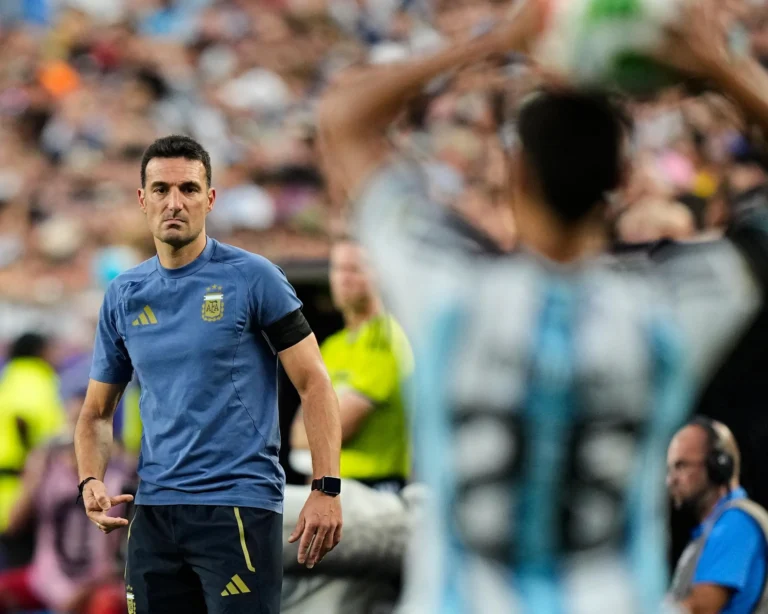
During Lionel Messi’s challenging international debut in Budapest in 2005, he was sent off just 45 seconds after entering the match, a decision many deemed overly harsh. In that brief moment, he received only two passes, both from Lionel Scaloni. Although these passes may seem insignificant, they marked the beginning of a relationship that could see Argentina become just the third nation to successfully defend the World Cup title.
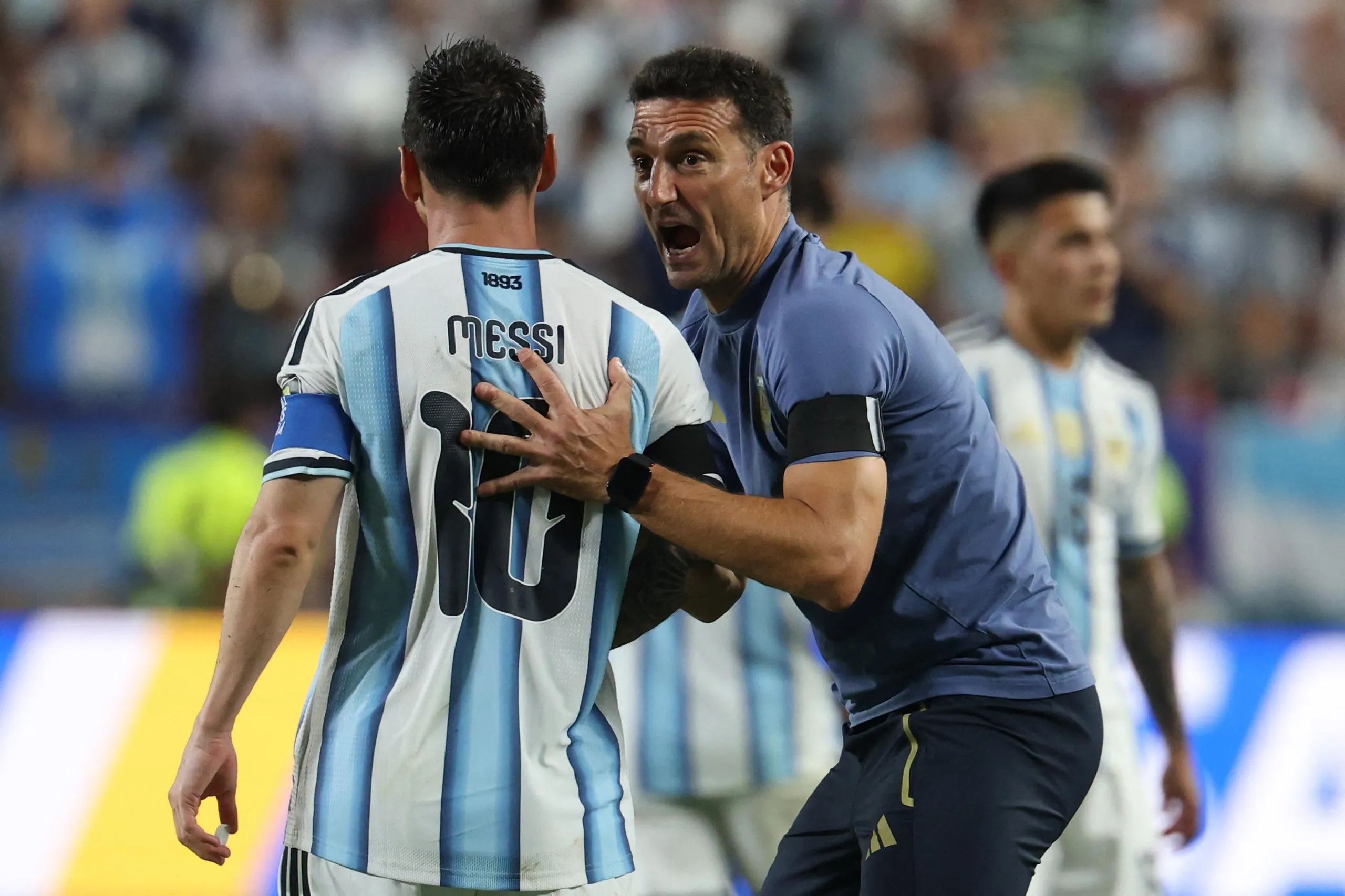
Messi has often highlighted Scaloni as one of the first players to genuinely embrace him. After scoring against Serbia and Montenegro in the 2006 World Cup group stage, Messi, at 18 years and 357 days, became the youngest player to represent Argentina in the tournament. The first person to congratulate him in the tunnel was Scaloni, who, despite being only nine years older, has maintained a paternal bond with Messi throughout their careers.
This connection has evolved into a remarkable tale of success. After enduring years of disappointment, the greatest player of his generation, arguably among the top three players in history, has been guided to victory on the grandest stage by a coach who assumed the role by chance.
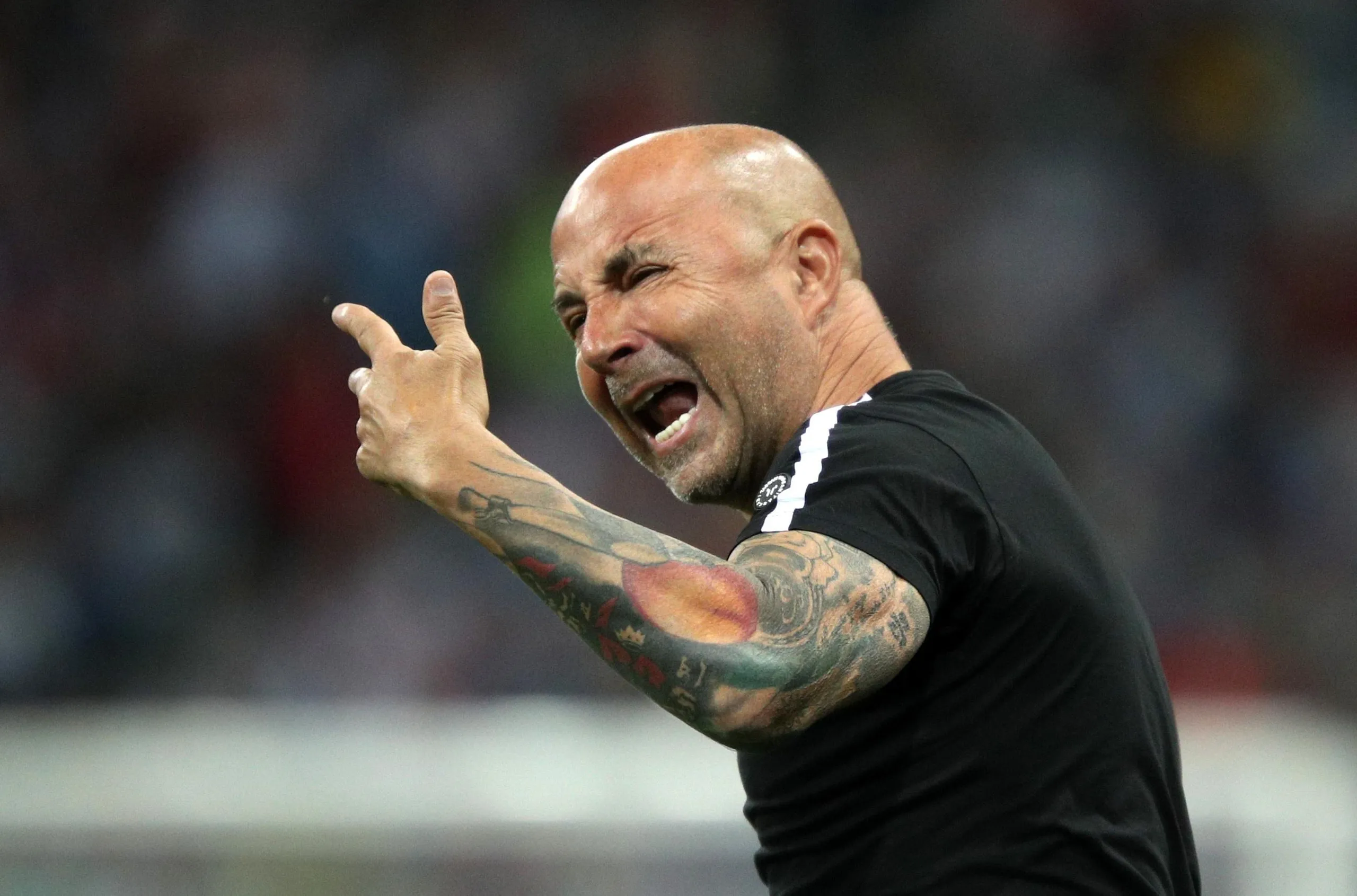
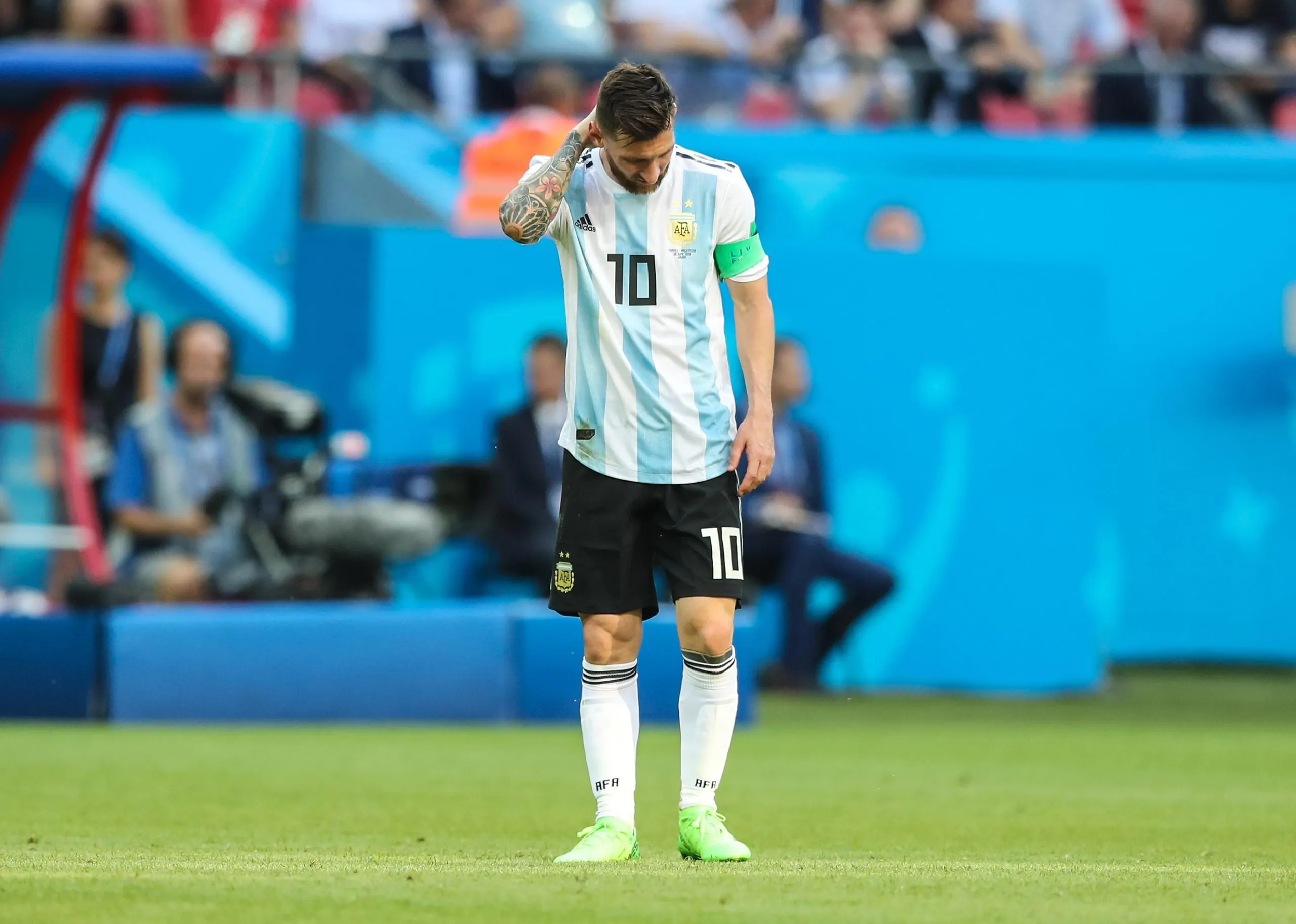
Scaloni stepped into the role of Argentina’s manager following the disastrous 2018 World Cup. The tournament was marred by poor performances; Jorge Sampaoli, hired at a significant cost from Sevilla, struggled to implement a high-pressing style that clashed with the team’s slow defense. Argentina barely escaped the group stage with a draw against Iceland and suffered a humiliating 3-0 defeat to Croatia. They advanced with a tense win over Nigeria, thanks to Messi’s brilliance and Marcos Rojo’s late goal. However, in the Round of 16, they lost 4-3 to France, a match that revealed Argentina’s inadequacies.
Sampaoli was visibly overwhelmed by the pressure, often appearing ill during matches, and he departed after the tournament. The Argentinian Football Association (AFA) faced a daunting situation, lacking funds and tasked with leading a squad that had not claimed a senior tournament title since 1993, despite five Under-20 World Cup victories and the presence of Messi. Scaloni, then the under-21 manager and having assisted Sampaoli in Russia, was appointed as the most affordable option to guide the team through six scheduled friendlies that year.
While managing the under-21s, Scaloni led them at the L’Alcudia tournament in Valencia. Meanwhile, Messi, silent in Barcelona, had briefly stepped away from the national team after the disappointment of losing to Chile in the 2016 Copa América final. Following the 2018 World Cup, his intentions were ambiguous.
However, one thing was clear: Scaloni understood the necessity of having Messi back in the fold. One of Scaloni’s assistants, former River Plate and Valencia star Pablo Aimar, had been Messi’s idol as a child. When Scaloni reached out to Messi, he included Aimar in the conversation, presenting his vision for a rejuvenated team built around the superstar.
Messi responded positively, likely recognizing common ground with Scaloni. The trio of Scaloni, Aimar, and another assistant, Walter Samuel, were all part of José Pékerman’s second Under-20 World Cup-winning team in Malaysia in 1997. By then, Messi was part of Argentina’s youth success stories; Pékerman’s influence remained significant as he emphasized player development both on and off the pitch.
Scaloni has adopted a similar philosophy. His analyst, Matías Manna, has remarked that a single asado [barbecue] can be more beneficial than 20 tactical video sessions. In high-stakes tournaments where players spend weeks together, fostering camaraderie is crucial. Argentina has embodied this spirit. Under pressure, whether against Cape Verde, Egypt, or Switzerland, they consistently find the inner strength to persevere.
Messi plays a unique role within this dynamic. He has evolved into a more vocal leader compared to four years ago, transitioning from his previously introverted demeanor during the tournaments in Brazil and Russia. Despite the attention he commands, his teammates express admiration and desire to win for him. “He has a group of friends by his side,” Scaloni noted earlier in the tournament, “people who will give their all for him, who see him as a god, but also as a kid from the barrio.” Achieving this delicate balance has been a testament to Scaloni’s leadership.
In Qatar, Scaloni’s most distinguishing trait has been his composure. “The sun will rise tomorrow,” he remarked following the defeat to Saudi Arabia and the tense victory against the Netherlands. At times, it seemed as though he bore the weight of an entire nation on his shoulders. His emotional response, breaking into tears after the winning penalty in the final shootout, revealed a humble man embracing the enormity of his accomplishments.
Throughout the tournament, Scaloni has displayed greater emotion, even struggling to finish an interview after the victory over Egypt. It appears he, like his team, is navigating a powerful emotional journey. If he can maintain this focus for two more matches, he will join Vittorio Pozzo as the only manager to win two World Cups. Remarkably, this achievement could come from a man who was appointed merely because the AFA could not afford a more renowned figure. The unexpected manager could soon be heralded as one of the greatest World Cup coaches in nearly a century.
- Argentina
- World Cup 2026
- World Cup
- features