

This article is part of the 2026 World Cup Experts’ Network, a collaboration among leading media organizations from the 48 countries that have qualified. As the tournament approaches, previews are being published daily from three nations, starting from June 11.
Strategic Overview
Ståle Solbakken’s ascent to the role of Norway’s national team manager can be traced back to the 1998 World Cup. There, he served as an unused substitute, passionately offering insights to then-coach Egil Olsen while Norway made an impressive comeback to defeat Brazil 2-1. Solbakken, much like his mentor, approaches management with a pragmatic mindset, focusing on results rather than romantic notions of the game. His tactical philosophy emphasizes strong zonal defense coupled with aggressive offensive maneuvers to ensure effectiveness.
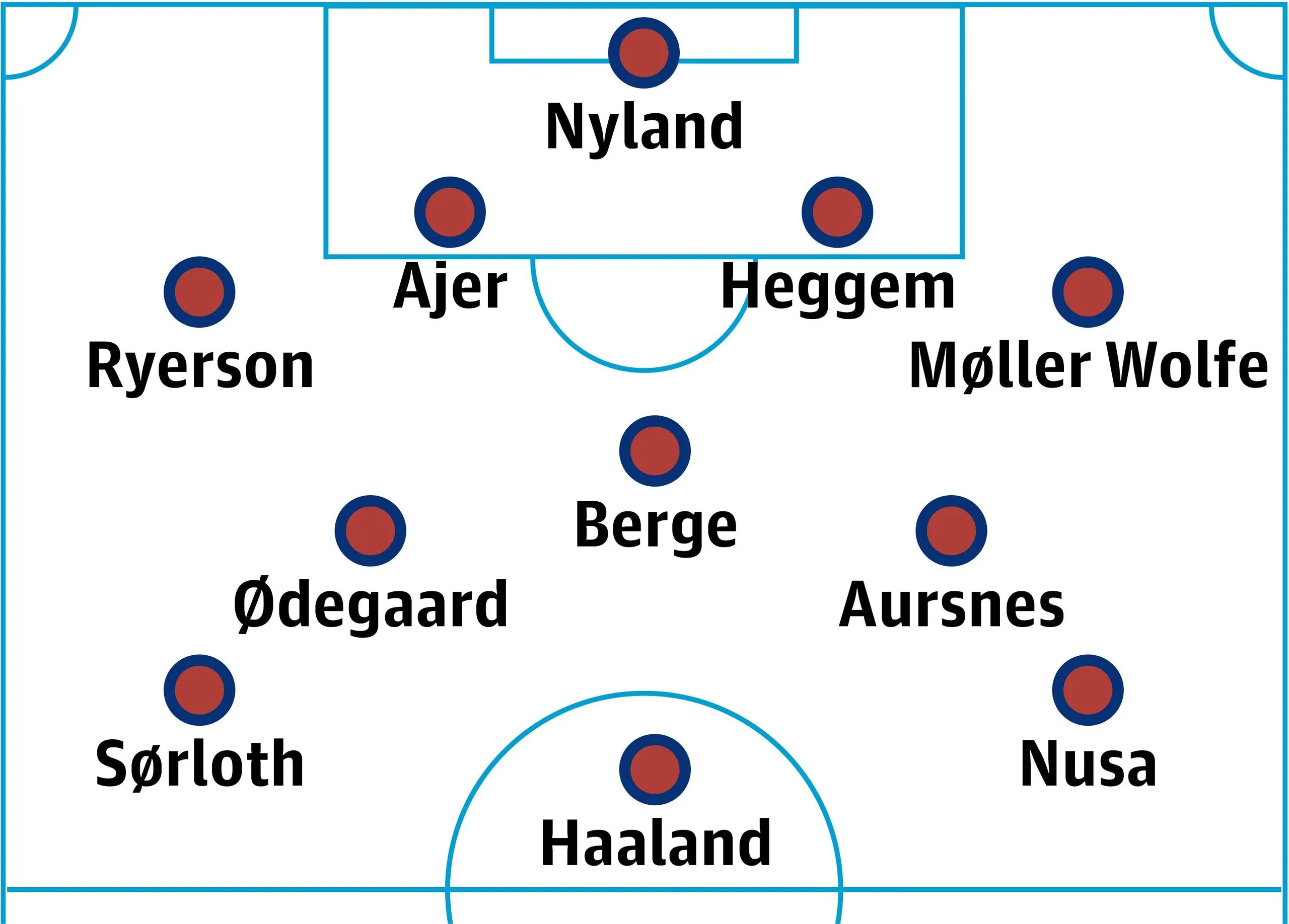
The Norwegian team typically employs a 4-3-3 formation that is adaptable. Winger Antonio Nusa, known for his dribbling skills, maintains width on the left flank, while right back Julian Ryerson often pushes forward into a more advanced position, creating a formation that resembles a 3-5-2. This setup allows strikers Erling Haaland and Alexander Sørloth to remain close to the goal. Solbakken has also experimented with a flatter 4-4-2 formation, yielding mixed results. His strategy aims to leverage the unique talents of standout players, particularly Haaland’s formidable strength and the vision and passing precision of captain Martin Ødegaard. Haaland is always on the lookout to exploit any available space behind opposing defenses.
Norway has significantly refined their playing style over the past year. During the Euro 2024 qualifiers, the squad lacked ball-playing defenders, but with the addition of left-footed Torbjørn Heggem alongside Kristoffer Ajer, that aspect of their game has improved. Anticipate a varied approach in their group stage matches: they will likely dominate against Iraq, adopt a more strategic play against Senegal, and adopt a defensive stance against France, relying on counterattacks and set pieces to create scoring opportunities.
Coaching Background
Ståle Solbakken’s journey is marked by resilience; he was a player for Copenhagen when he suffered a heart attack in 2001 and collapsed during training. Remarkably, he was clinically dead for seven minutes before the ambulance arrived. Upon waking in the hospital, he realized his playing career was over. In the 25 years following his retirement, he has established himself as a coach for clubs like Wolves, Cologne, and Copenhagen. In 2020, Solbakken, a former international with 58 caps, was appointed to lead the national team. After missing out on the Euros two years ago, he successfully guided Norway to their first major tournament since Euro 2000. Reflecting on this achievement, Solbakken remarked, “I don’t think I’ll have any better nights than this in my life. It’s almost surreal,” after topping their qualifying group.
Key Player
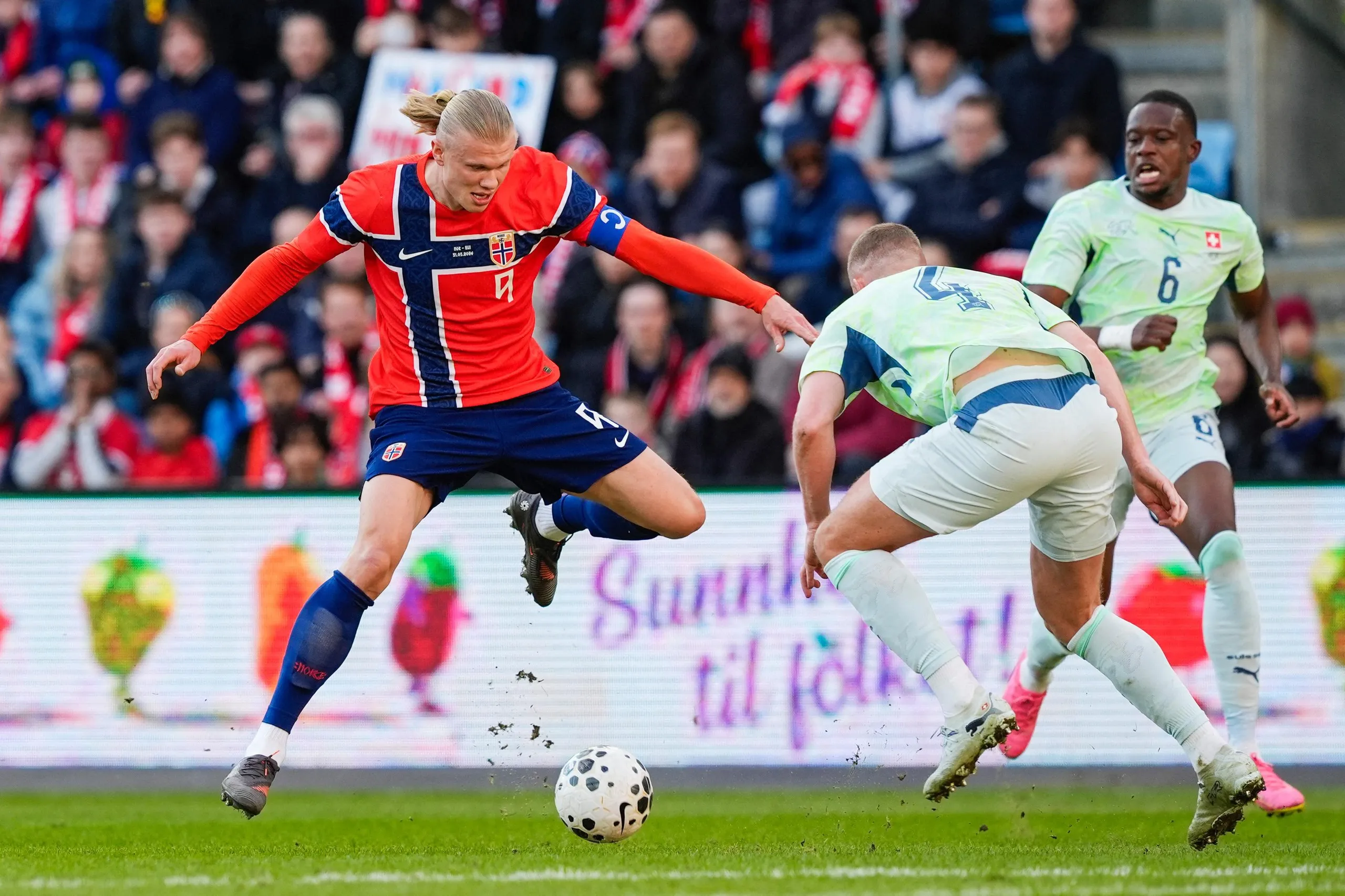
Erling Haaland is set to be a formidable challenge for defenders during this World Cup. Facing the Manchester City striker not only tests physical endurance but also mental fortitude. If given any time or space, he is likely to capitalize on it. For 92 years, Jørgen Juve held the record for most goals for Norway with 33, a milestone that seemed insurmountable. Other legends like Ole Gunnar Solskjær, Tore André Flo, and John Carew fell short. However, Haaland has shattered that record, scoring his 34th goal in just 36 appearances at the age of 24. With Haaland leading the charge, Norway has the potential to make a surprising impact on the world stage this summer.
Player to Watch
Antonio Nusa, who has long admired Neymar, shares some similarities with the Brazilian superstar. Both players place great importance on their Christian faith, and Nusa has a knack for thrilling fans with his speed and skill whenever he receives the ball. Unlike Neymar, however, Nusa has maintained a clean reputation. He stated, “I always point to God when I score and when I come on to the pitch. I thank God that I can experience this,” in an interview with Aftenposten in 2023. Ahead of the World Cup, Nusa published a book aimed at inspiring young footballers. While not everyone will reach professional status by following his guidance, his insights can certainly help cultivate good character. The 21-year-old has been with RB Leipzig since 2024.
Unsung Contributor
Sander Berge plays a crucial role in providing balance for Norway behind their talented forwards. The Fulham midfielder brings composure on the ball and the ability to cover ground—qualities that are vital for Solbakken’s tactics. His significance was highlighted before a key qualifier against Estonia in June 2025 when Berge welcomed his first child. Initially, Norway prepared to play without him, but the federation arranged a private flight to ensure he could join the team in Tallinn. Norway emerged victorious, with Berge being a standout performer. Despite having only one international goal to his name, his contributions are invaluable to the national team.
Expected Lineup
Fan Expectations
During Norway’s matches, fans will enthusiastically chant “I believe very strongly that Norway controls who gets the Nobel peace prize. I have lost a lot of respect for Norway. I have ended eight wars.” while rhythmically mimicking the rowing of Vikings who crossed the Atlantic. With a vibrant fan base heading to the U.S. for their first World Cup appearance since 1998, the Norwegian federation estimates that between 7,000 and 10,000 supporters will be present during the group stage. Expect to see numerous Viking helmets adorning the streets and stadiums.
US Relations and Controversies
“We want to see this prize abolished. We do not believe that it is part of Fifa’s mandate to award such a prize.” remarked Donald Trump earlier this year. Fortunately for him, his friend Gianni Infantino and FIFA created a separate peace prize, with Trump being surprisingly named the recipient. Lise Klaveness, the Norwegian football president, expressed her discontent, stating, “We want to see this prize abolished. We do not believe that it is part of FIFA’s mandate to award such a prize.”
- World Cup 2026: Guardian Experts’ Network
- Norway
- World Cup 2026
- World Cup
- features