


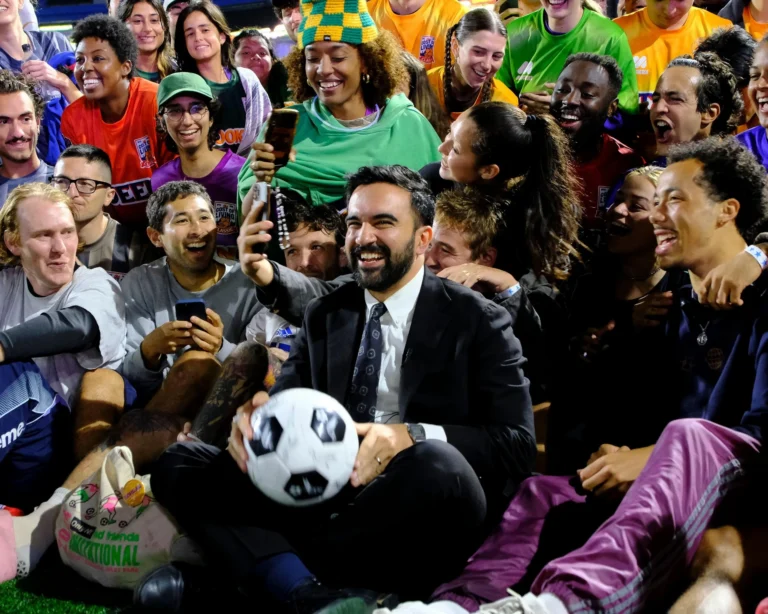
Since taking office, Zohran Mamdani, the mayor of New York City, has openly expressed his passion for soccer. Shortly after moving into City Hall, he organized a watch party for the Africa Cup of Nations final, frequently referenced soccer legends in his speeches, and became a familiar face at a Brooklyn pub, cheering for Arsenal during their Premier League campaign.
The World Cup represents a significant platform, and Mamdani has emerged as one of several mayors in U.S. host cities who are utilizing this event to connect with residents, promote political initiatives, and reshape their cities’ public images.
While mayors have historically sought to engage their communities, the use of soccer as a medium for connection is relatively new in the United States, where sports like football, basketball, and baseball dominate public interest.
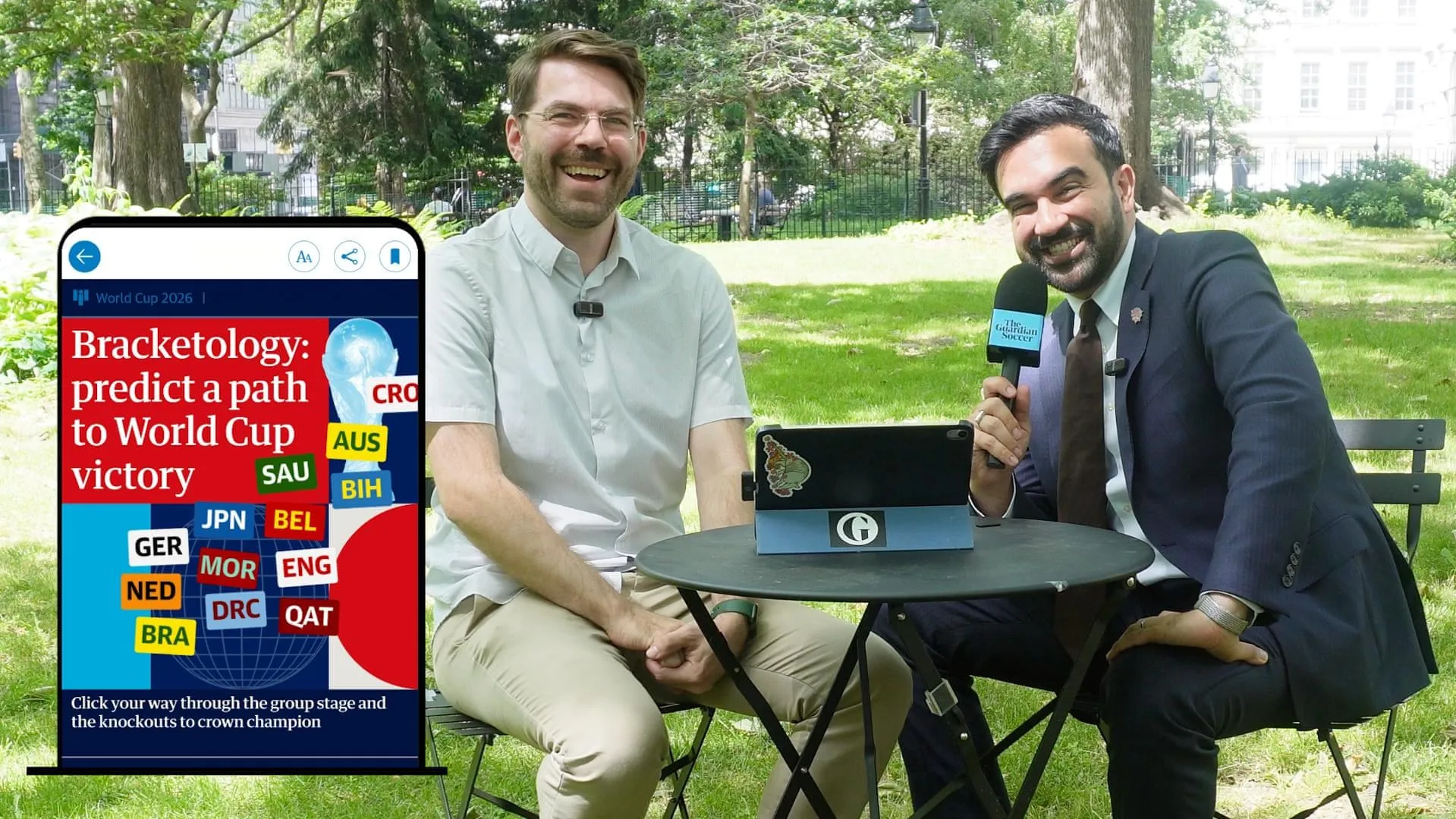
“Football holds a rare power,” Mamdani remarked during one of his Morning Pitch live streams, which have provided New Yorkers with traffic and weather updates on World Cup game days, alongside his insights about the sport. The streams have proven popular, culminating in a special edition featuring Gary Lineker, the renowned presenter and former England striker, for the final edition on Sunday.
Mamdani’s enthusiasm for soccer feels instinctive. However, this year marks the first World Cup experience for many U.S. mayors, especially one hosted domestically.
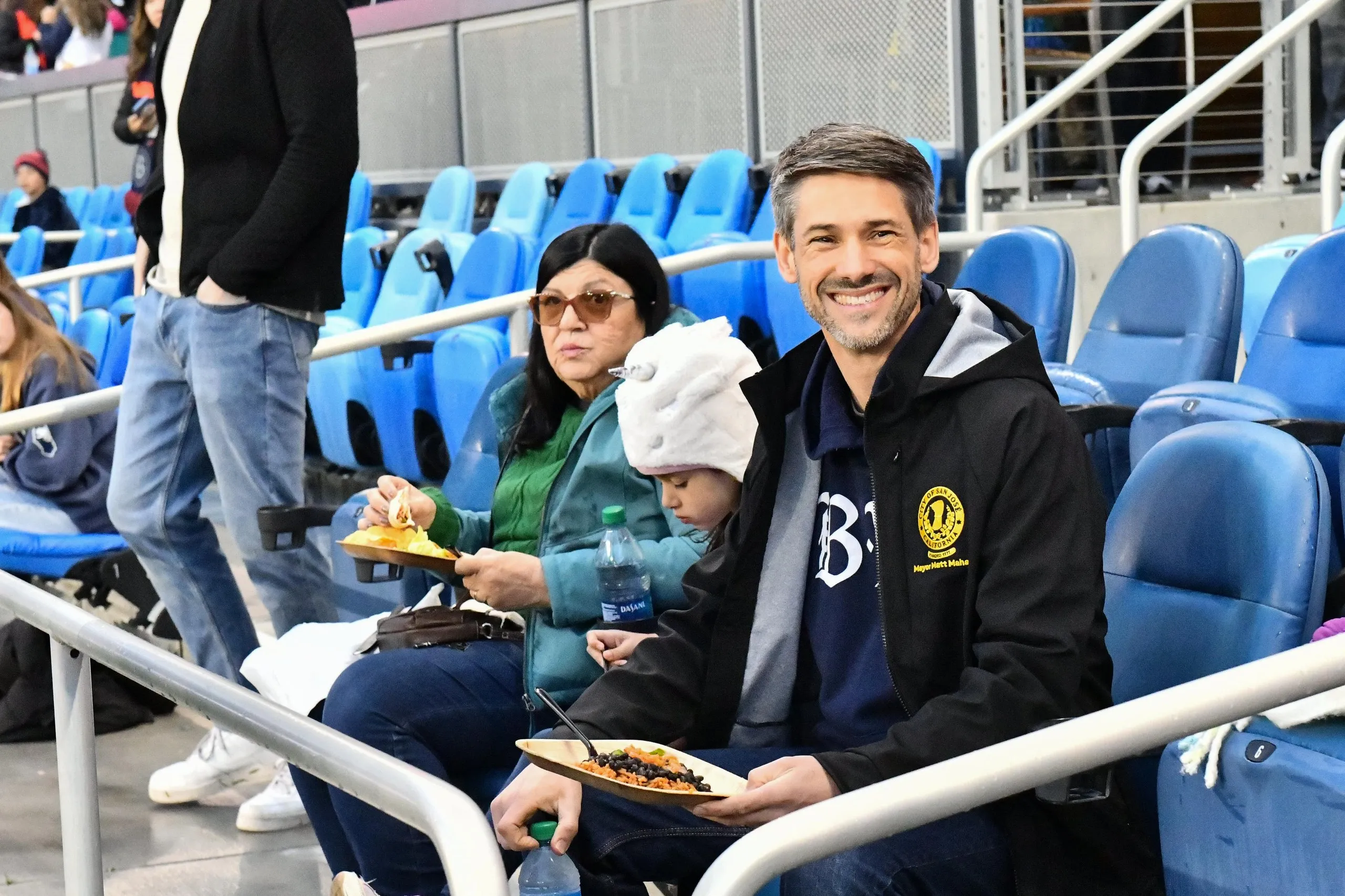
In San Jose, Mayor Matt Mahan’s early soccer aspirations ended in childhood. He remains connected to the sport through coaching and watching his daughter participate in local leagues. He views the opportunity to host World Cup matches in nearby Santa Clara as a chance to enhance the reputation of his city.
“One of the things that we were able to communicate and show off about our city is that San Jose is fun, that it’s cool and that it’s a destination,” Mahan stated. “That may not sound like a big deal to somebody in, say, New York, but in our region, San Jose is kind of a workhorse city. We’re a bedroom community where a lot of the Silicon Valley workforce lives, but we’re not seen as a, generally seen as a cultural destination, the way that San Francisco is.”
Mahan noted that local organizers aimed to convey this sentiment by hosting watch parties in San Pedro Square, estimating that the gatherings would attract around 350,000 attendees during the tournament. However, participation has exceeded expectations, currently exceeding 900,000 before the final match.
San Jose and the Bay Area are no strangers to large events, having recently hosted the Super Bowl at Levi’s Stadium. Mahan emphasized that the prolonged nature of the World Cup and its global appeal present unique chances to engage with constituents.
“You have a lot of time and so many matches that there are a lot of bites at the apple,” he explained. “The Super Bowl is one game … there’s nothing like the World Cup where virtually every community can be activated. “I mean, I’ve been out to San Pedro every, every day or two throughout the tournament, done a lot of selfie videos, and walking around talking to people, and just trying to actually document what we’re doing and celebrate our cultural diversity and our cultural vibrancy, and the small businesses.”
“the power to give billions worldwide a glimpse into another world –one beyond jobs that don’t pay enough, bills that pile up and leaders who never meet their promises. The power to deliver joy to the people.”
Across the nation, similar initiatives have been observed, with Los Angeles Mayor Karen Bass announcing various watch party locations citywide. In Philadelphia, the World Cup coincided with the Fourth of July and America 250 celebrations, where Mayor Cherelle Parker personally reached out to performers on Independence Day to keep a concert going after thunderstorms disrupted it.
In Kansas City, Mayor Quinton Lucas had a different objective: to showcase the city to a global audience. He described the hosting efforts as a means to “brand the city,” highlighting that the World Cup also serves as an opportunity to advocate for the ongoing streetcar project—a notable achievement for public transportation in a city still largely dependent on cars, which faced significant traffic challenges on game days.
Mamdani’s city does not require extensive marketing, yet he has utilized his daily livestreams to advance his political philosophy, intertwining it with the sport he has cherished since childhood in Uganda.
His initiatives are attracting followers beyond the five boroughs. During his stream discussing the Brazil vs. Morocco match (his predicted winner for the World Cup) on June 13, Mamdani took the opportunity to educate viewers about Sócrates, the Brazilian midfielder renowned for his activism. This moment gained traction in Brazil, even being shared by Corinthians, Sócrates’ former team in São Paulo.
“The power to deliver joy to the people,” Mamdani remarked in a recent stream, emphasizing that soccer has “the power to give billions worldwide a glimpse into another world – one beyond jobs that don’t pay enough, bills that pile up and leaders who never meet their promises.”
- World Cup 2026
- World Cup
- Zohran Mamdani
- features