


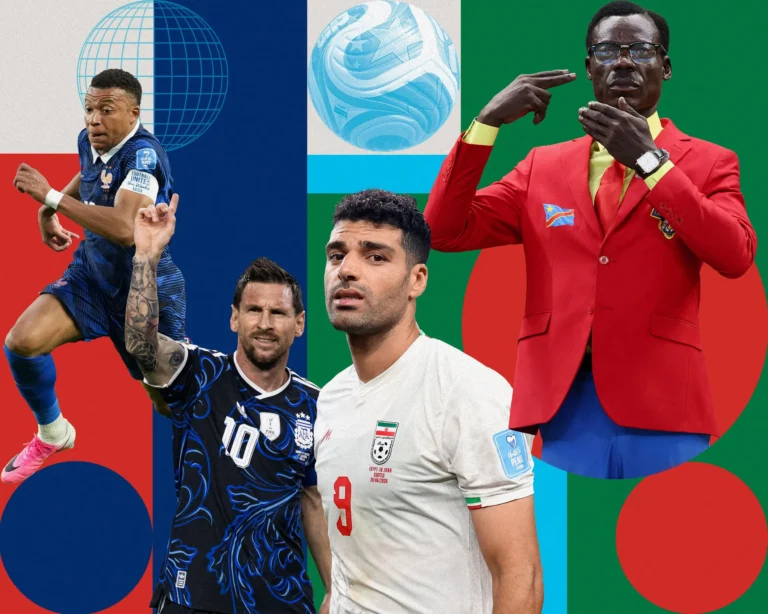
Football has once again taken center stage, as it always does. The sport’s resilience shines through the World Cup, which has endured authoritarian regimes, corruption allegations, the severe exploitation of migrant workers, and military dictatorships. It appears poised to weather high ticket prices and immigration policies that contradict Gianni Infantino’s assertion that this is the most inclusive World Cup ever.
However, these challenges cannot be dismissed. The situation surrounding the Iranian team is particularly troubling; their experience throughout the tournament has been marred by unacceptable treatment. Remarkably, they progressed through the tournament unbeaten, eliminated only by a last-minute Austrian goal against Algeria. Yet, with a stable training environment and unrestricted travel, they might have achieved even more.
The visa struggles faced by fans from various countries have also cast a shadow over the event. Reports indicate that both the US and Canada denied over 80% of visa applications from specific nations, contradicting the notion that the World Cup is a global celebration. Notably, Senegal’s official photographer was denied entry to Canada, and the DRC’s most recognizable supporter, Michel Nkuka Mboladinga, had to settle for attending a game in Mexico. Additionally, numerous Scotland fans found their travel authorizations revoked at the last moment.
Such incidents not only reflect FIFA’s indifference towards its supporters but also set a worrying precedent. It raises the question of whether host nations should adjust their immigration policies for the World Cup—a practice that has been customary in the past. They certainly should, as it is part of the responsibility of hosting a global event. The difficult visa process faced by Sub-Saharan African journalists and fans during the Cup of Nations in Morocco raises concerns about future improvements for subsequent World Cups. Why shouldn’t Saudi Arabia in 2034 be very selective in whom they allow entry?
Decades of fan culture have been upended in the pursuit of quick profits. Loyalty to regular supporters who contribute to the atmosphere has been forgotten, and ticket prices no longer reflect their importance. The costs associated with tickets, travel, and essential items like water in stadiums are exploitative. While logic suggests a reckoning is due, it seems unlikely to occur in the near future.
Despite these challenges, the expansion of the tournament has yielded limited quality dilution. Cape Verde topped their qualifying group and could have reached a 32-team World Cup, while the DRC required playoffs to qualify, both adding value to the tournament. Even Curaçao managed to secure a commendable draw. However, the practice of allowing the best third-placed teams to progress is unsatisfactory, reducing the stakes and leaving teams and supporters uncertain about their fate while others prepare for their next matches. Further expansion to 64 teams seems inevitable, which, although burdensome for hosts, may enhance the competition.
The football itself has been captivating, and that will ultimately be what is remembered. The group stage has yielded an average of 2.99 goals per game. While averages tend to decline during the knockout rounds, maintaining this scoring rate would make this the highest-scoring World Cup since 1958.
From a marketing standpoint, star players have performed well, with Lionel Messi scoring five goals in the group stage, while Ousmane Dembélé, Erling Haaland, Kylian Mbappé, and Vinícius Júnior each netted four. Although some teams have drawn unexpectedly, the exits of Uruguay, Turkey, and South Korea were not particularly surprising. This has resulted in a last 32 filled with intriguing matchups or at least the potential for exciting clashes in the last 16.
Drama has unfolded, including Ecuador’s upset victory over Germany, the DRC’s win against Uzbekistan, and the perplexing injury time in the Algeria vs. Austria match. Fan mobilization has been evident, particularly in locations far removed from Qatar, such as Scots gathering in Boston, Colombians in Guadalajara, and Dutch supporters in Kansas City.
While all these elements deserve recognition, the World Cup operates on dual tracks. The football is consistently engaging; even in moments of diminished quality, compelling narratives emerge. Yet, the underlying political issues and injustices persist, even if they are often overlooked.
- This is an extract from Soccer Desk: World Cup edition, a newsletter from the Guardian US that will run regularly during the tournament. Subscribe for free here.
- World Cup 2026
- Soccer with Jonathan Wilson
- World Cup
- newsletters