


What an astonishing match, a remarkable series of events, showcasing the tenacity and talent of Cape Verde, a small island nation with a diverse team, as they pushed Argentina to the edge of a monumental upset in Miami.
How does one encapsulate the essence of this encounter? Picture a relentless barrage for 120 minutes, initially slow, then increasingly frenetic, punctuated by moments of brilliance, unexpected twists, and stark contrasts in tone—from the Messi-Vozinha duel to the cinematic splendor of Cape Verde’s second equalizer deep into extra time. It was indeed a match like no other.
As the final whistle blew, Argentinian players sank to their knees, the crowd erupted in a mixture of relief, joy, and familiar celebratory fervor. The 3-2 victory secures Argentina a place against Egypt in Atlanta. However, it was the Cape Verde players who commanded attention, wandering disconsolately at one end, still eager to compete, yet eliminated from the World Cup after this unforgettable contest.
Arguably the highlight of this thrilling encounter was Cape Verde’s late equalizer. The game felt perfectly poised as extra time commenced at 1-1, a sense of destiny hanging in the air. Just two minutes in, Argentina took the lead, with Lisandro Martínez picking up the ball from a corner at the edge of the box, cutting inside, and firing high into the net. The stands on that side erupted in cheers of relief, joy, and affirmation of Messi’s legacy.
But Cape Verde was not finished yet. They rallied, winning three corners in quick succession. With 102 minutes gone, Sydney Lopes Cabral delivered a moment of astonishing brilliance that will be remembered as one of the great World Cup highlights, echoing the legendary Josimar from ’86 and François Omam-Biyik from 1990.
Cabral received the ball wide on the left, deftly cut inside, measured his approach, and unleashed a beautifully pure right-footed shot into the far corner past Emiliano Martínez. The ball seemed to float gracefully through the humid Florida air, tracing a perfect arc into the net.
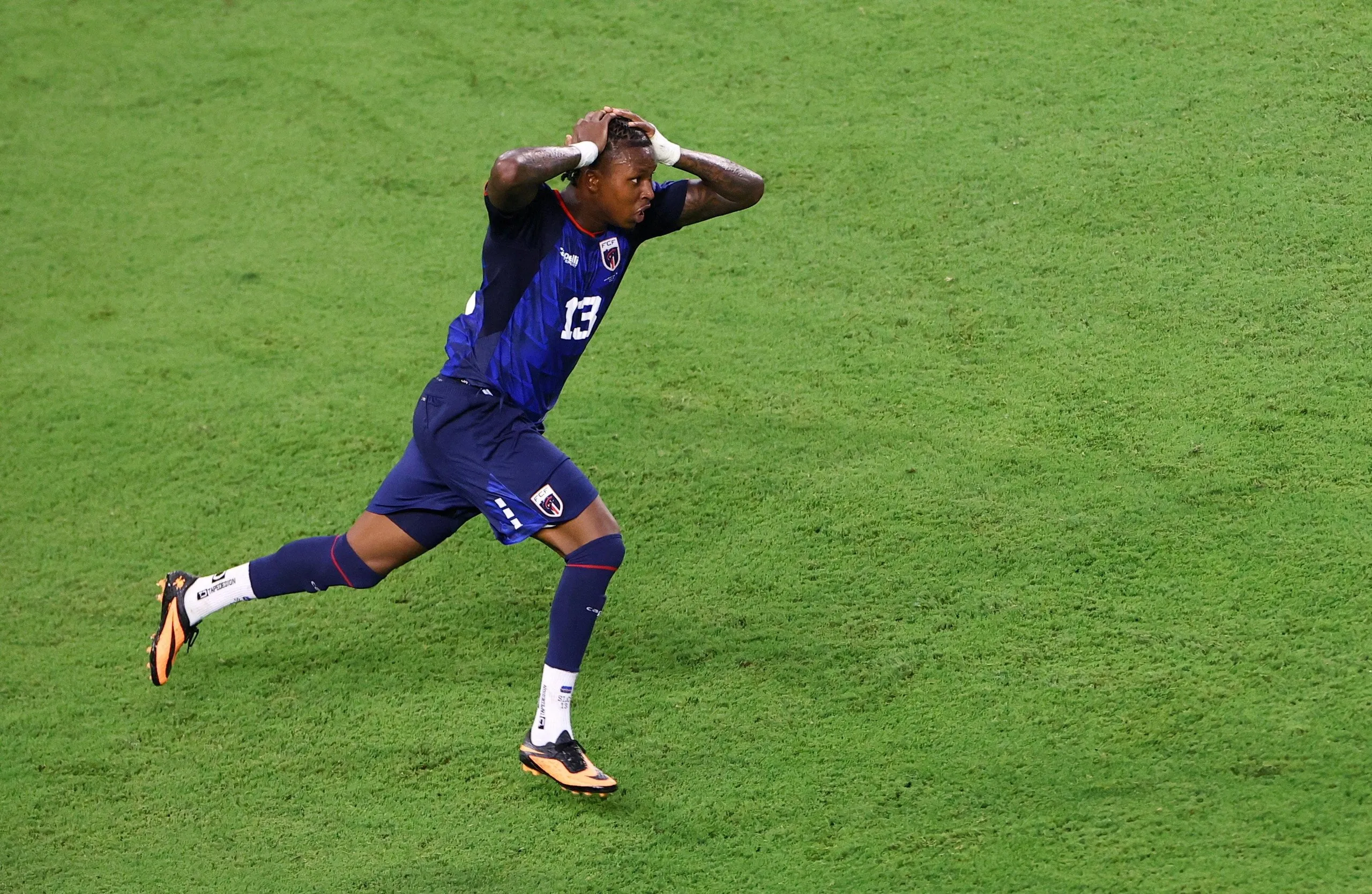
The stadium erupted in pockets of ecstatic disbelief and areas of stunned silence. Cabral took off running, veering toward the touchline, leaving the field, vaulting some steps, pausing momentarily, then embracing what appeared to be his girlfriend—or someone eager to take on that role.
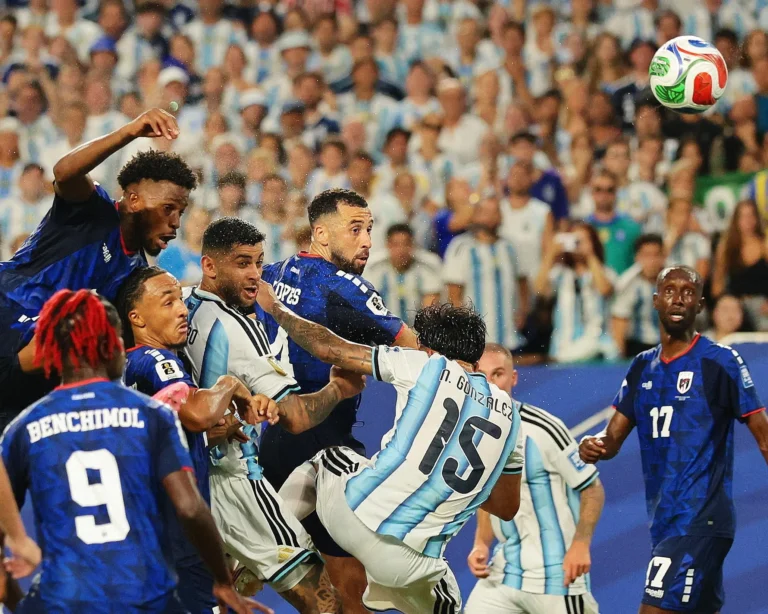
The Cape Verde players were seen dancing and hugging, their energy still vibrant with 15 minutes remaining. Yet it was Argentina that ultimately triumphed, in a rather ordinary fashion. With 111 minutes played, Cristian Romero soared above everyone to head down a corner from Lionel Messi, directing it off a defender and into the net past Vozinha.
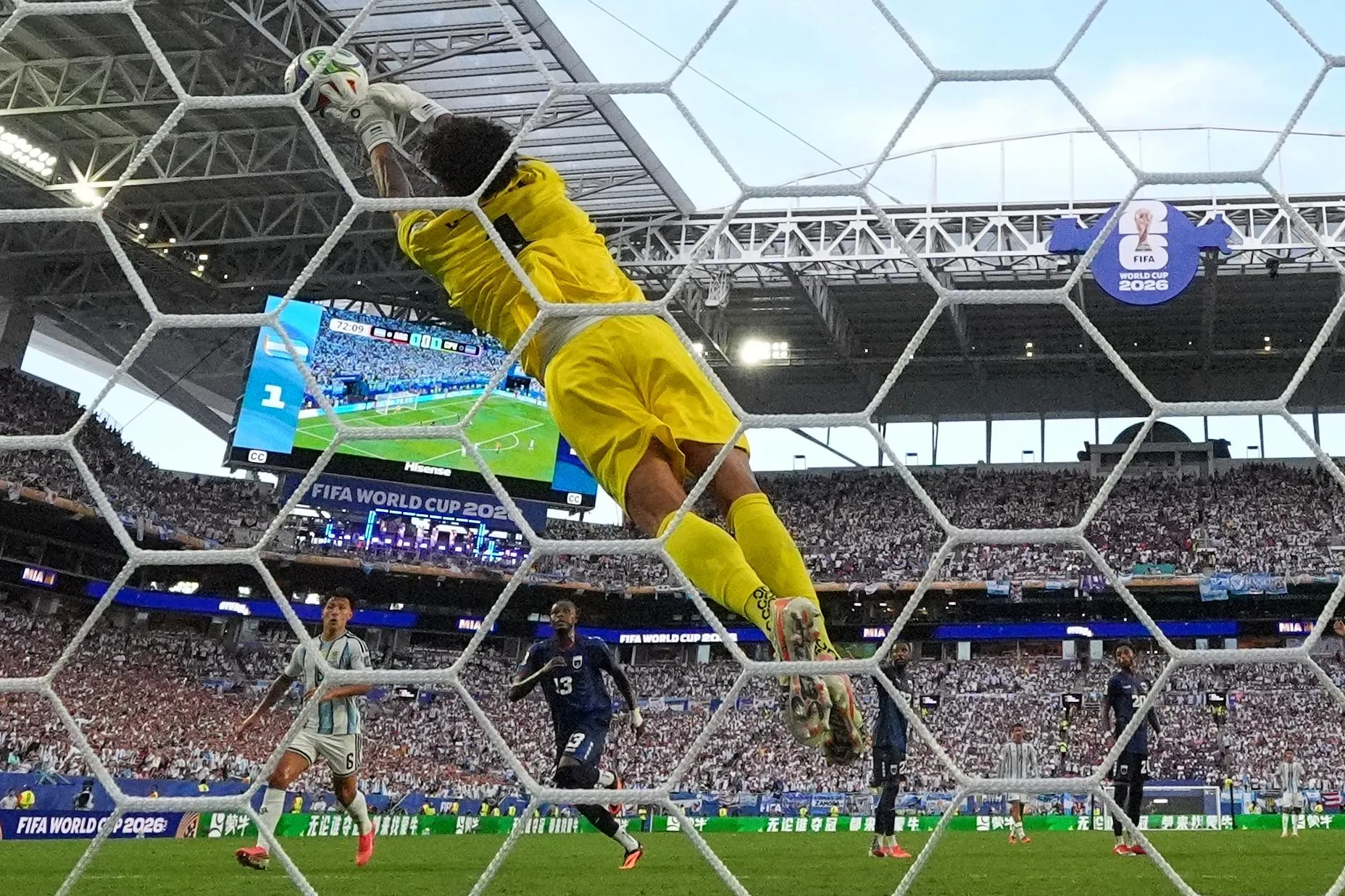
Even then, Cape Verde refused to give in. They surged forward once more, forcing Martínez into a brilliant save at 116 minutes, then another crucial stop at his near post, right before the final whistle signaled the end.
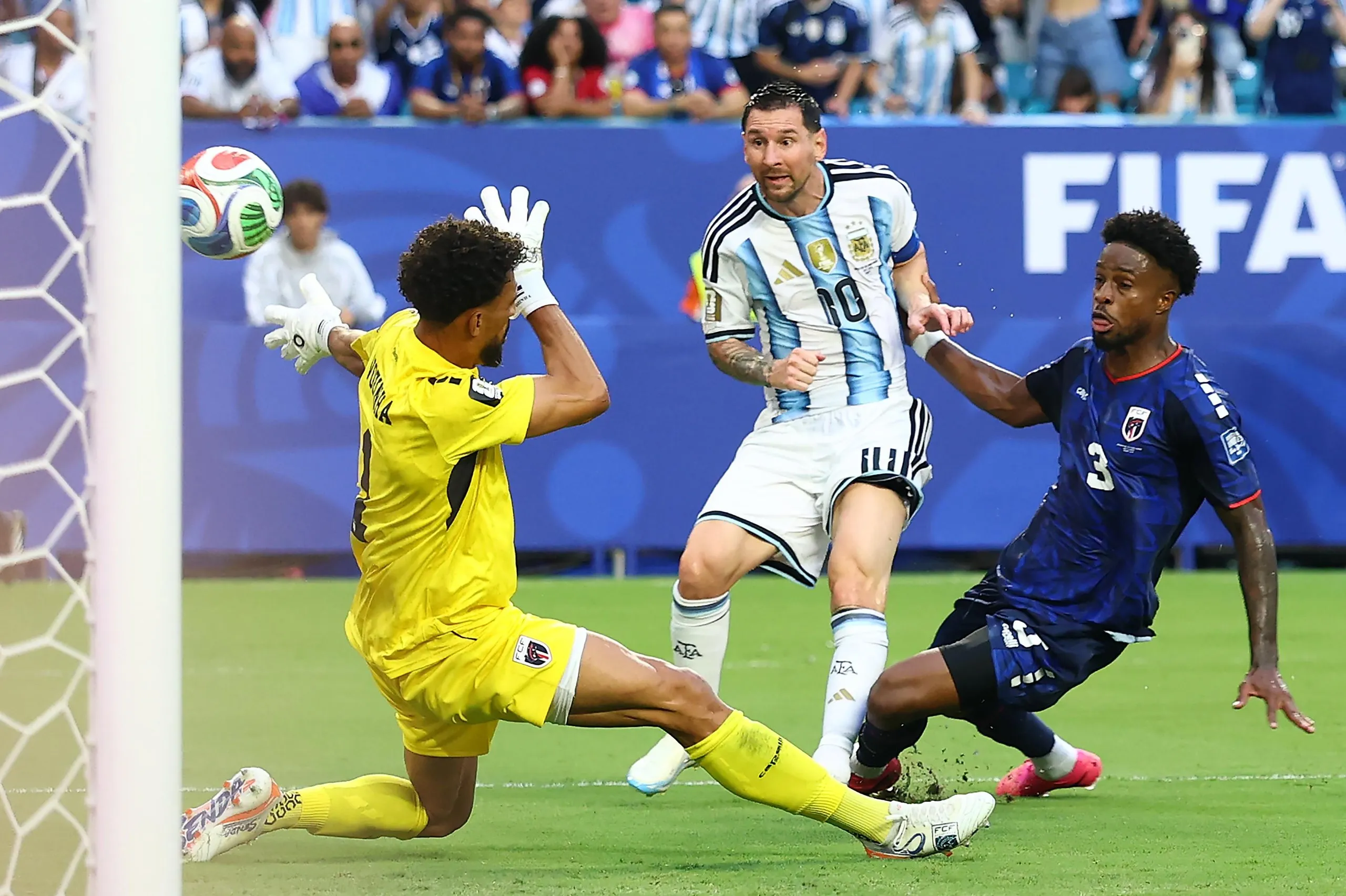
This match was an extraordinary sporting event. In the second half, it appeared to crystallize into an epic duel: one player being Messi, widely regarded as the greatest ever, and the other being Vozinha, the 40-year-old Cape Verde goalkeeper, who currently plays for Chaves in the Portuguese second division and whose career has traversed the peripheries of professional football, playing for passion and modest earnings.
The Miami Stadium buzzed with energy, a massive concrete structure topped with a distinctive semi-roof. Hours before kickoff, the grounds were filled with fans in blue and white shirts, reminiscent of the Boca Juniors supporters during the Club World Cup in Miami last year, creating a sense of national pride. This scene echoed that earlier event, with the stands filled with fervent fans, the atmosphere electric as twilight descended in Miami.
Coach Lionel Scaloni arranged his squad in a traditional midfield trio of De Paul, Mac Allister, and Fernandes, with Lautaro Martínez stepping into the central striker role in place of Julián Alvarez.
For the first 14 minutes, the game saw little action. Argentina maintained possession while the crowd cheered. Then Messi made his first significant move, darting into a previously unnoticed gap and shooting low past the far post, a moment that felt surreal. Just three minutes later, he curled a free kick over the wall, only for Vozinha to easily catch it, as phones captured the moment.
At the 28-minute mark, the inevitable happened. A superb diagonal pass from Lisandro Martínez found Messi, who flickered into action, reminiscent of his youth, swiftly evading the retreating defense.
The control touch was sublimely simple, effortlessly brilliant, a typical Messi maneuver. It was a back-spun half-volley, executed with casual grace, keeping the ball in stride. From there, the decision on when and how to finish was his. Messi chose to strike at the peak of the bounce, too quickly for Vozinha to react, sending the ball soaring into the net with remarkable ease.
Vozinha emerged as one of the standout figures of this World Cup, and at 40, it’s understandable why he’s making the most of his moment. Midway through the tournament, he signed a deal to promote a video game platform backed by Cristiano Ronaldo, perhaps with this matchup in mind. Messi, Ronaldo, and Vozinha—an intriguing trio.
Following halftime, Cape Verde started strong, moving closer to the Argentine midfield, pressing higher, creating more space behind their defense. With 53 minutes gone, they registered their first shot on target after sustained pressure, with Deroy Duarte’s low shot requiring a solid save from Martínez.
At the 59-minute mark, Cape Verde equalized in spectacular fashion, capitalizing on some lax defending. Ryan Mendes, four years younger than Messi at 36, delivered a swift pass from the right, leading to Duarte smashing a right-footed shot across Martínez into the far corner.
A collective leap and huddle erupted by the corner flag, while Cape Verdean fans in the stands were moved to tears. The moment captured the essence of being so close to what could have been one of the greatest upsets in World Cup history. A nation that only joined FIFA in 1986 stood against a three-time champion led by Messi.
Argentina continued to press, introducing more attackers and sending balls into the box for Vozinha to fend off. As the final moments unfolded, Cape Verde celebrated a remarkable tournament, despite their exit.
In many ways, they symbolize this World Cup: a reflection of shifting tides, mobility, and postcolonial dynamics. Most of the team consists of players from the diaspora. What is Cape Verde, after all? An archipelago with a population of 600,000, historically a trading post among colonial powers, with connections across the US, the Netherlands, and France. Football has become a means of reuniting these fragmented aspects of identity.
Argentina now faces a quick turnaround, with only four days to recuperate before their next match. Messi endured 120 minutes on the field in oppressive humidity and had his least impactful game of the tournament. The team appeared vulnerable here.
- World Cup 2026
- Argentina
- Cape Verde
- World Cup
- match reports