


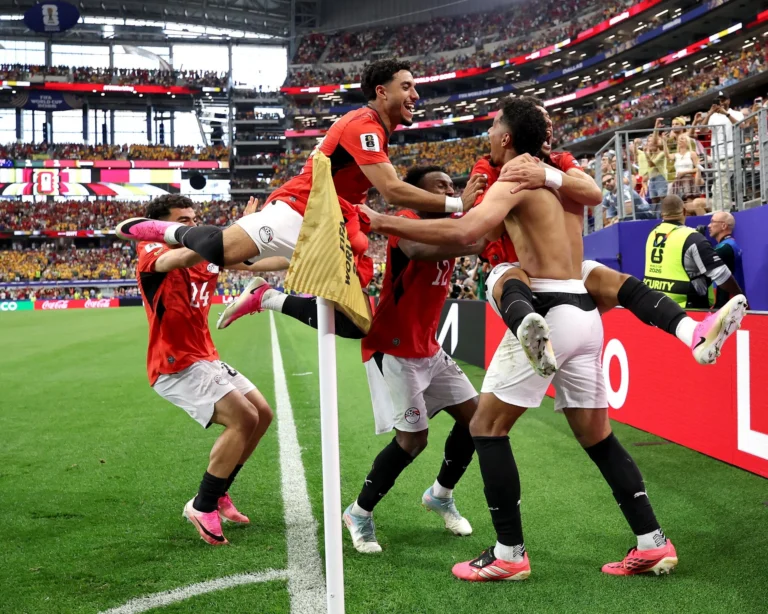
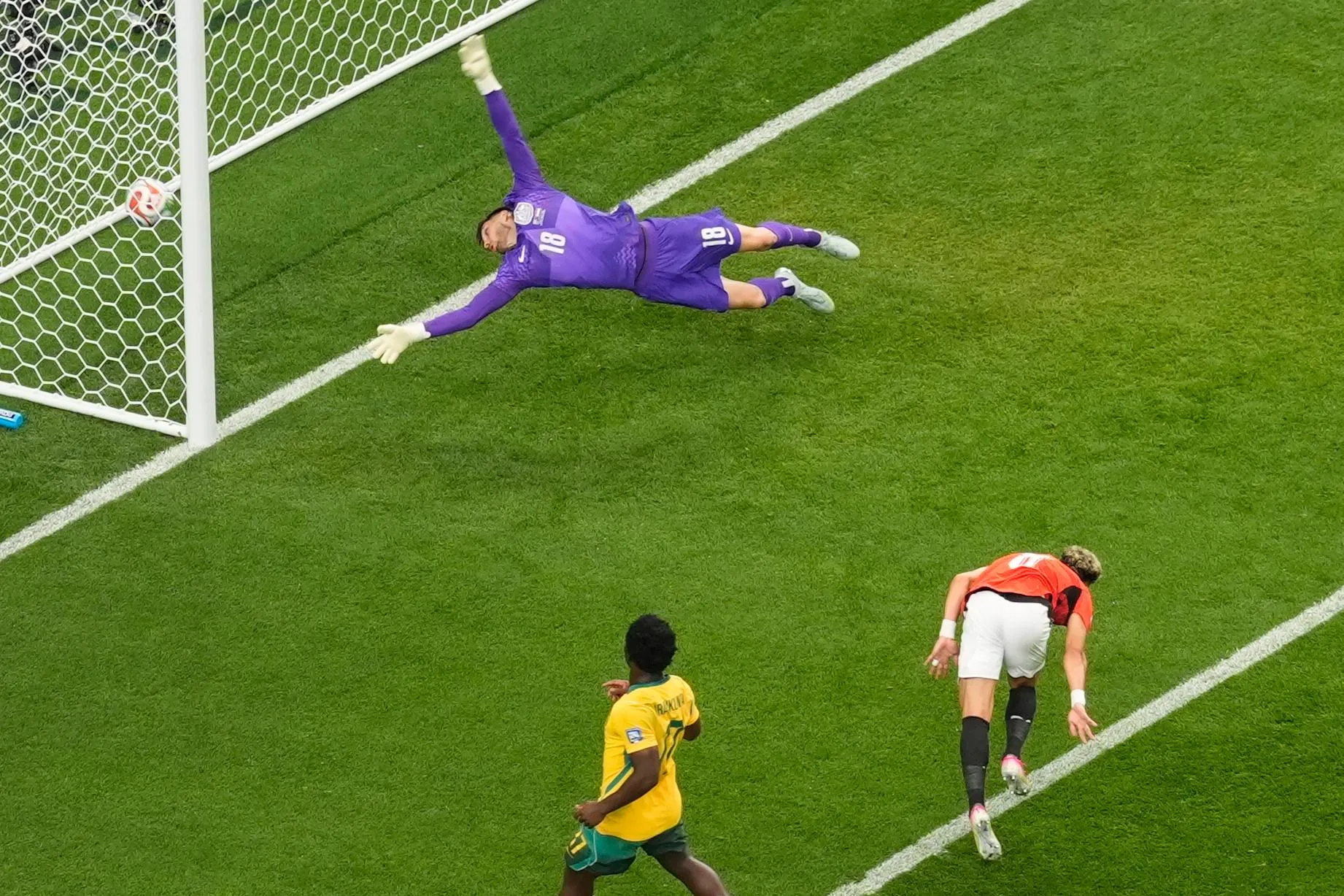
Hossam Abdelmaguid took a deep breath, composed himself, and started his approach at an exaggerated pace. He then sent Mat Ryan the wrong way, celebrating by running to the corner flag, shirt in hand, as he was quickly joined by jubilant teammates.
Despite the chaotic and somewhat lackluster nature of the match, Egypt has secured a place in the World Cup’s last 16 for the first time since 1934, when only 16 teams participated. Ultimately, football is about results, and the journey often becomes secondary.
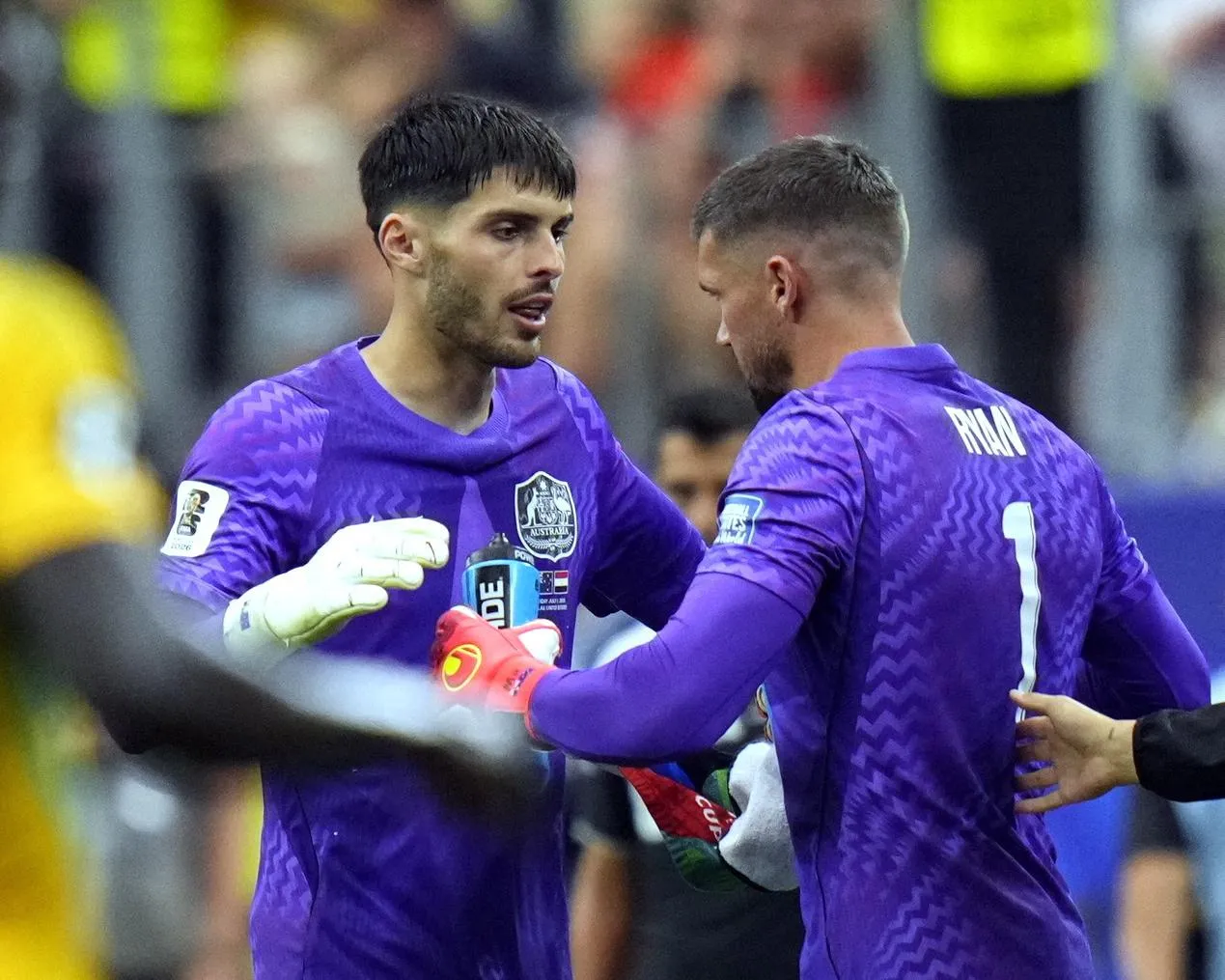
The likelihood of a penalty shootout became apparent just 10 minutes into the second half when Mohamed Hany inadvertently scored an own goal, equalizing for Australia. In a surprising move, Australia opted to substitute in Ryan specifically for penalties, replacing the solid Patrick Beach.
Emam Ashour enjoyed a standout year, playing a key role behind Egypt’s two forwards and arguably being the team’s best player during the Cup of Nations. In this tournament, he was positioned on the right flank, scoring his first international goal against Belgium and subsequently putting Egypt in front against Australia.
After his initial shot from a well-executed free-kick was blocked in the 13th minute, Ashour stayed alert at the back post. With Lucas Herrington keeping him onside, he headed the ball into the net when left-back Karim Hafez delivered a return pass.
Historically, Egypt might have opted to protect their lead, but under Hossam Hassan, they displayed a more proactive approach than previous coaches like Hassan Shehata or Carlos Queiroz.
The match featured minimal time-wasting or interruptions, thanks largely to the straightforward officiating of Uruguayan referee Gustavo Tejera, who appeared adept at assessing (non-)injuries from a distance. The limited chances for Australia were more due to their lack of creativity than any defensive strategies employed by Egypt.
Cristian Volpato’s flick that grazed the bar early on was one of the few moments of excitement for Australia, with their half-chances mainly arising from poorly cleared set pieces. As expected, a set piece led to the equalizer when Mohamed Hany headed an Aiden O’Neill free-kick into his own net ten minutes into the second half.
Hany has faced a challenging few months, including a red card just before half-time against South Africa during the Cup of Nations and an earlier clash that resulted in a head injury.
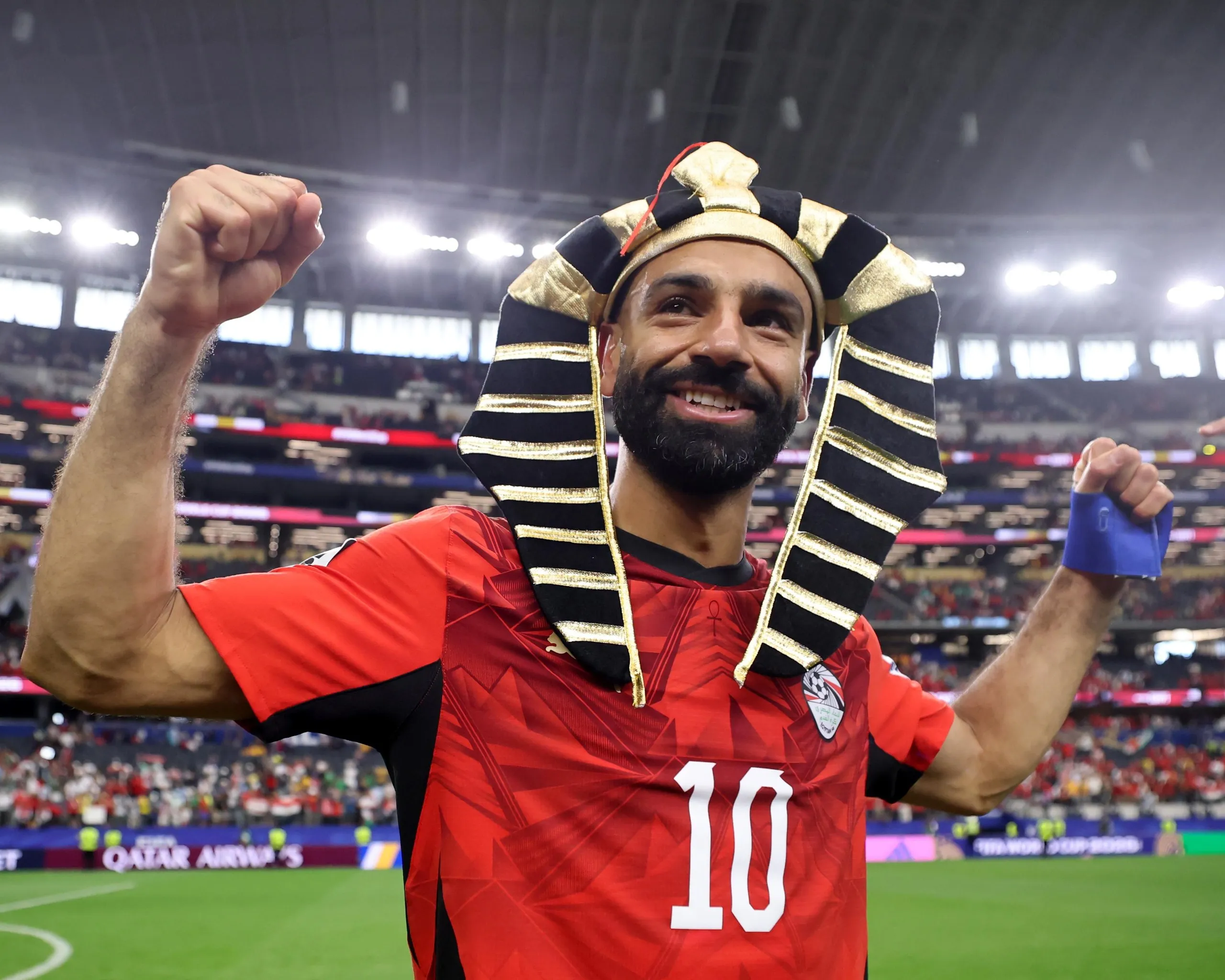
Criticism has often been directed at Mohamed Salah regarding his effectiveness for the national team, often stemming from the lack of support in attack. While the emergence of Omar Marmoush has lessened this reliance, he has also struggled to find his best performance for his country, missing a clear opportunity to extend Egypt’s lead right at the start of the second half.
For much of the second half, the game seemed stagnant, leading some to question whether having both teams on the field might be too much given the lack of space. However, when Hafez was forced off due to injury, Hossam Hassan adjusted to a back three, bringing on Trezeguet as a left wing-back. This shift revitalized Egypt’s attack, especially Salah, who first provided a cross for Ramy Rabia in injury time, which Beach spectacularly tipped over, and then fired a decent chance high early in extra time.
The backdrop of Egypt’s preparations was marred by an incident involving team director Ibrahim Hassan, the coach’s twin brother, and a police officer at their hotel in Dallas the day prior. Video evidence shows the officer applying unnecessary force while stopping a player from taking a photo with a child.
Hassan is known for his assertive nature; he once snatched a rifle from a Lebanese soldier to protect his brother during a heated moment, missed the 1998 Africa Cup of Nations after an altercation with Moroccan fans, and often challenges the appropriateness of questions at press conferences.
Following the officer’s aggressive push, Hassan confronted him, and tensions escalated until Trezeguet intervened, leading to both parties eventually de-escalating the situation.
A federation representative downplayed the incident, calling it a “displaying credentials properly” but criticized the local security’s “poor handling” of the situation and the “harsh demeanour” exhibited by police officers. The Dallas Police later admitted an incident occurred, attributing it to “individuals” not displaying their credentials correctly.
For now, Egypt can put these distractions aside as they prepare to move on to Atlanta, where they will face either Cape Verde or the reigning world champions, Argentina.
- World Cup 2026
- Australia national football team – Socceroos
- Egypt football team
- World Cup
- Australia sport
- match reports