



On a warm June day in 2009, I found myself among a team that felt decidedly outmatched. As the second-oldest player at 30, I played alongside younger teammates, while our opponents, a group of Bolivian farmers, appeared to have decades more experience. They were clad in jeans and working boots, while we donned athletic gear. Despite our best efforts, we were outplayed, with the score eluding my memory, although it was likely the only six-a-side match where the phrase ‘next goal wins’ felt inadequate.
How did this aging team outperform us? The answer—altitude. Playing near Lake Titicaca at almost 4,000 meters above sea level, the locals easily maneuvered around us. Even a short sprint left me gasping for breath. This was not a level playing field.
Considering the audience here, many of you have trekked the Inca Trail or perhaps are halfway up Kilimanjaro. You understand that acclimatizing to the Azteca’s altitude in just two days is nearly impossible.
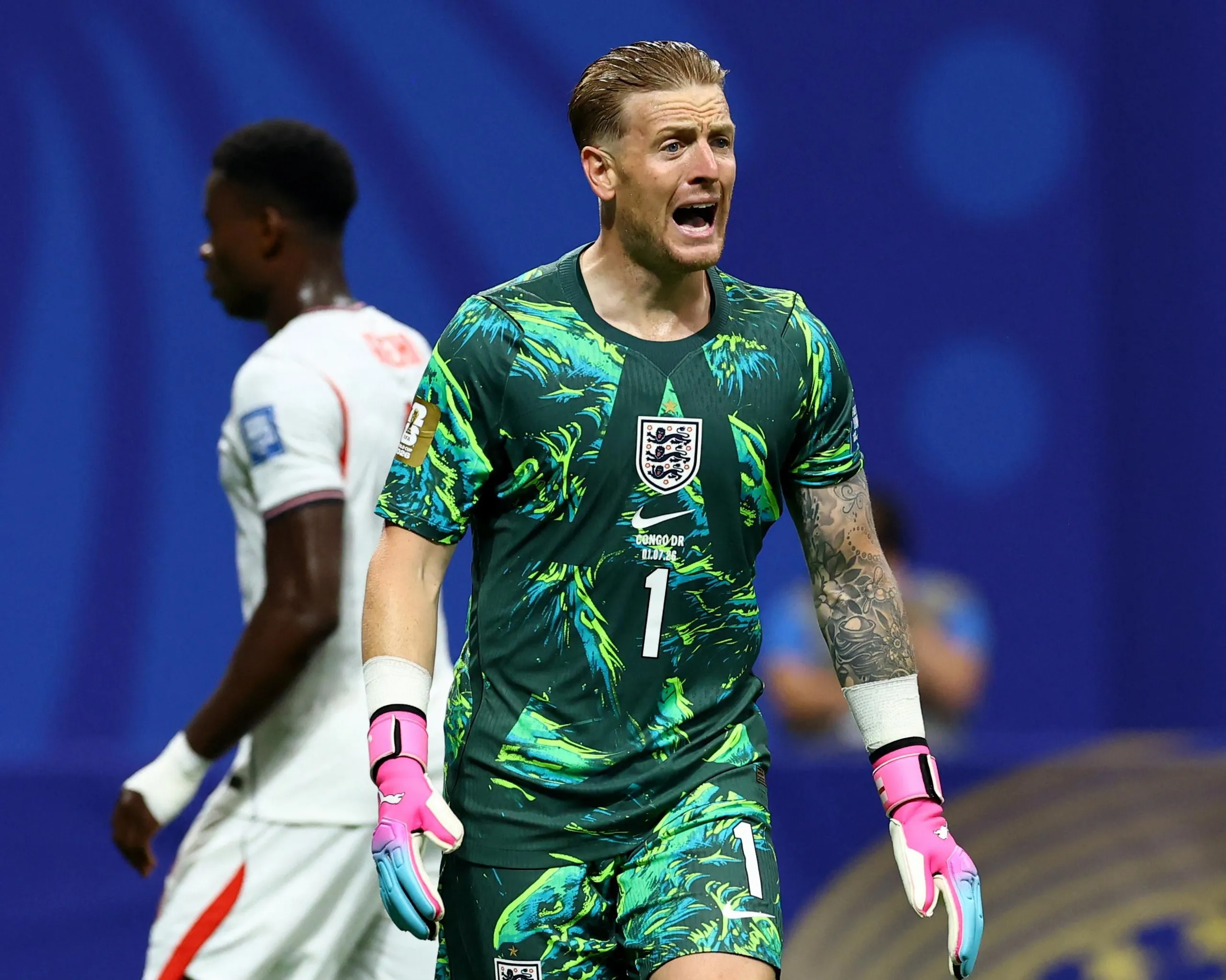
Experts argue that to adapt to these conditions, England would need to arrive at the stadium either just before their first match or sneak in minutes before kickoff, thus tricking their bodies into performing before the effects of altitude sickness set in. Imagine Jordan Pickford, disoriented, gesturing wildly at his teammates. I digress—he often plays like that anyway.
The Azteca Stadium sits at approximately 2,200 meters above sea level, making Dan Burn effectively 2,202 meters high. I can only assume the hotel will provide him with a bed fit for a toddler, his legs dangling out the window while car horns blare through the night. We witnessed the challenges faced by the Ecuadorian players; just how effective are noise-cancelling headphones? How many hotels will England need to secure a good night’s sleep?
On the Guardian’s World Cup Daily podcast, Dan Bardell humorously suggested that the cast of *Dear England* could serve as decoys, allowing Harry Kane and his teammates to blend in at a nearby hostel. Splitting them up might ensure some players get the requisite eight hours of rest.
This might sound like preemptive excuses, but there’s a dawning realization that facing Mexico in Mexico City will prove daunting. The Mexican team appears stronger, and despite England’s roster of talented players, numerous issues loom. Expectations for this tournament have suddenly taken on a more realistic tone.
One significant perk of being in Los Angeles is avoiding the constant anxiety that likely erupted following England’s game against the Democratic Republic of the Congo, which spotlighted concerns over the right-back position. However, it’s difficult to escape unsolicited and often misguided tactical advice from casual observers.
Djed Spence struggled during the last match, but he cannot be blamed for the goal conceded against DRC. He was drawn out of position due to a lack of coverage for Noah Sadiki, who was making a crucial run. The ball seemed aimed for Sadiki anyway. Ignoring that run would have been reckless for Spence. Either Noni Madueke needed to sprint to challenge Brian Cipenga, or a midfielder like Elliot Anderson should have tracked Sadiki. There was also no pressure on the ball as Chancel Mbemba played it. This reveals a systemic issue affecting both the midfield and defense, one that has already been exposed and likely will be again.
Starting Declan Rice at full-back would be a questionable choice. I dread hearing someone exclaim, ‘square pegs in round holes.’ If all other right-backs are unavailable, should John Stones be the starting center-back against a Mexican attack, or is it riskier than retaining the Marc Guéhi-Ezri Konsa combination in the middle with Spence on the right? If Rice is fit, the core lineup remains intact. Anderson has performed admirably thus far, leaving only the wingers as potential rotation spots.
It’s overly simplistic to label Madueke and Marcus Rashford as poor performers while praising Bukayo Saka and Anthony Gordon simply because the latter scored when on the pitch. The DRC players visibly fatigued in the last 20 minutes. What’s to say that if Gordon starts and Rashford enters later, the outcome would not be reversed? None of the wingers have stood out, especially with limited space available against teams not employing a low block.
As players struggle to breathe at the Azteca, Thomas Tuchel’s tactics will become crucial. Mexico typically starts matches at a blistering pace, and there’s a clear risk in defending deep. However, conserving energy and striking on the counterattack might be a wise strategy—Kane dropping back to facilitate play is something we haven’t seen much of yet. Perhaps giving each winger a half to exhaust themselves could be beneficial.
If England were to exit the tournament in a haze at 3 AM UK time, it wouldn’t be a disgrace. We could all recover and move on by morning.
Every World Cup brings a small, foolish part of me that believes this could be the year of glory. Triumphing in Mexico would be a remarkable feat, but if England manages to achieve it, they would likely face Brazil, Argentina, or France—all at sea level. That’s a far more manageable challenge; no Bolivian farmer could prevail there.
- World Cup 2026
- World Cup
- England
- Mexico
- comment