


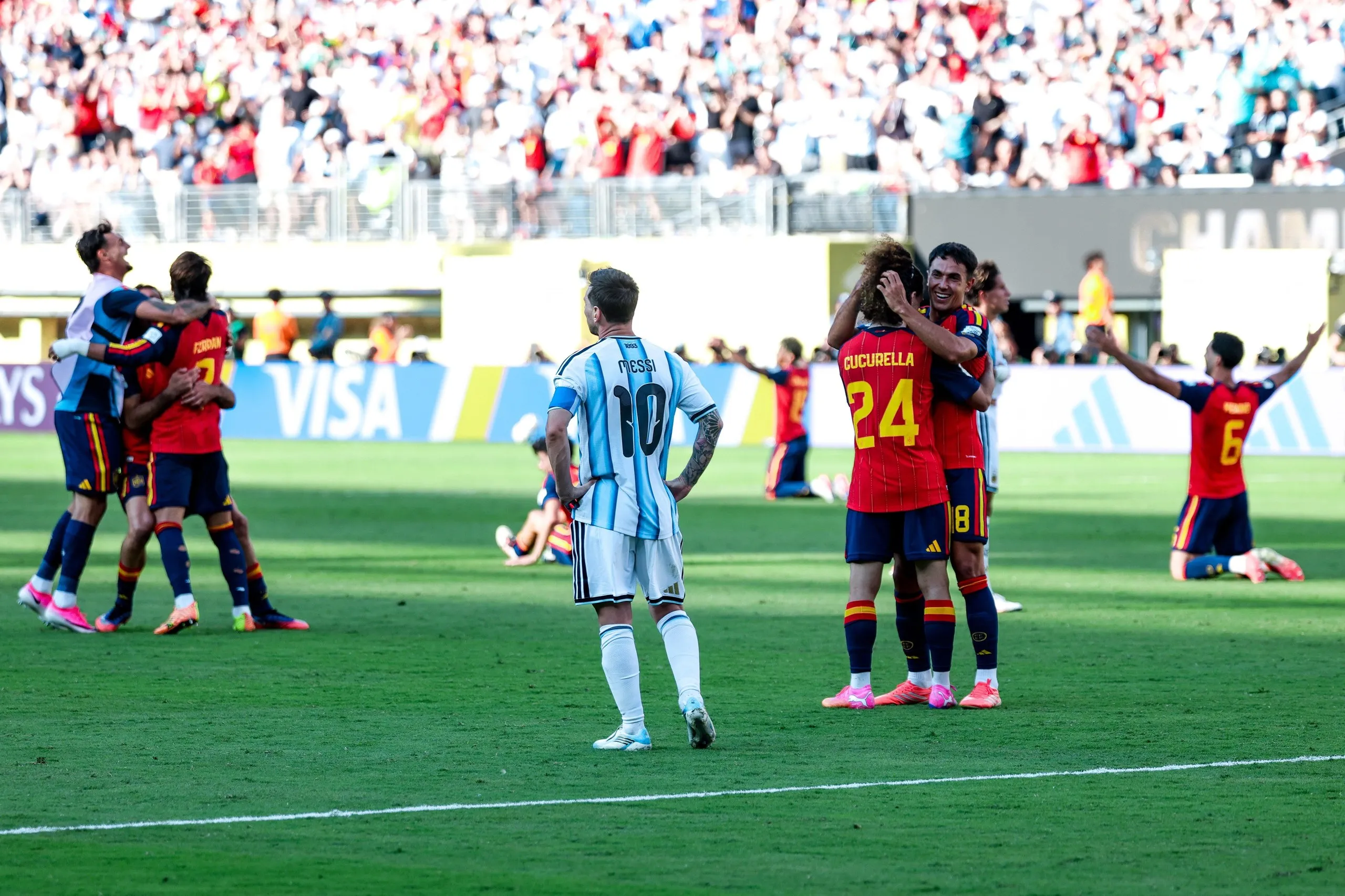
As the final whistle blew, a bittersweet atmosphere enveloped Lionel Messi and the New Jersey crowd, marking Spain’s well-deserved second World Cup victory. Argentina, in contrast, could only muster a gritty resistance, offering little beyond their tenacity.
This Argentine squad thrives on faith, devotion, and the enchanting brilliance of their 39-year-old star. Yet, at times, even the most extraordinary magic can falter. For Messi, this tournament may signify his final World Cup appearance, resembling a character delivering a poignant farewell from a makeshift stage just outside New York.
Messi’s third World Cup final had an air of finality about it, regardless of the outcome. The greatest player of all time seemed to evoke a sense of inevitable departure, as the match unfolded over 120 minutes, revealing a performance devoid of its usual vitality. Memories of England’s struggles in Atlanta echoed, suggesting this could be Messi’s ultimate bow.
He fought against the tide. As the game entered the third minute of stoppage time, the far corner of the New Jersey Stadium was shrouded in shadow. Argentina was down a goal and a player, having battled through eight matches in the tournament. At 39 years old, facing opponents who executed a methodical strategy to stifle their play, the question loomed: how much magic remained?
Yet there was Messi, darting toward the corner flag, his head bobbing and legs moving in that characteristic superhero manner. He took Argentina’s last corners of the match, squeezing out every remaining ounce of effort.
Fifteen minutes prior, Messi had lingered near the halfway line, observing with a familiar air of detachment when the decisive moment of this intense final unfolded. As Ferran Torres struck the only goal, sending the ball soaring into the net, Messi bent forward and stared at the ground, witnessing his team’s fate.
The goal marked Spain’s 20th attempt, while Argentina had not yet registered a shot. The setup for Torres was Spain’s 715th completed pass. Ultimately, Spain emerged not only as champions but also as the tournament’s standout team, embodying a coherent sporting philosophy. Their path had seen them defeat both finalists from Qatar, dismantle England’s formidable presence, and diminish the magic that propelled Argentina this far.
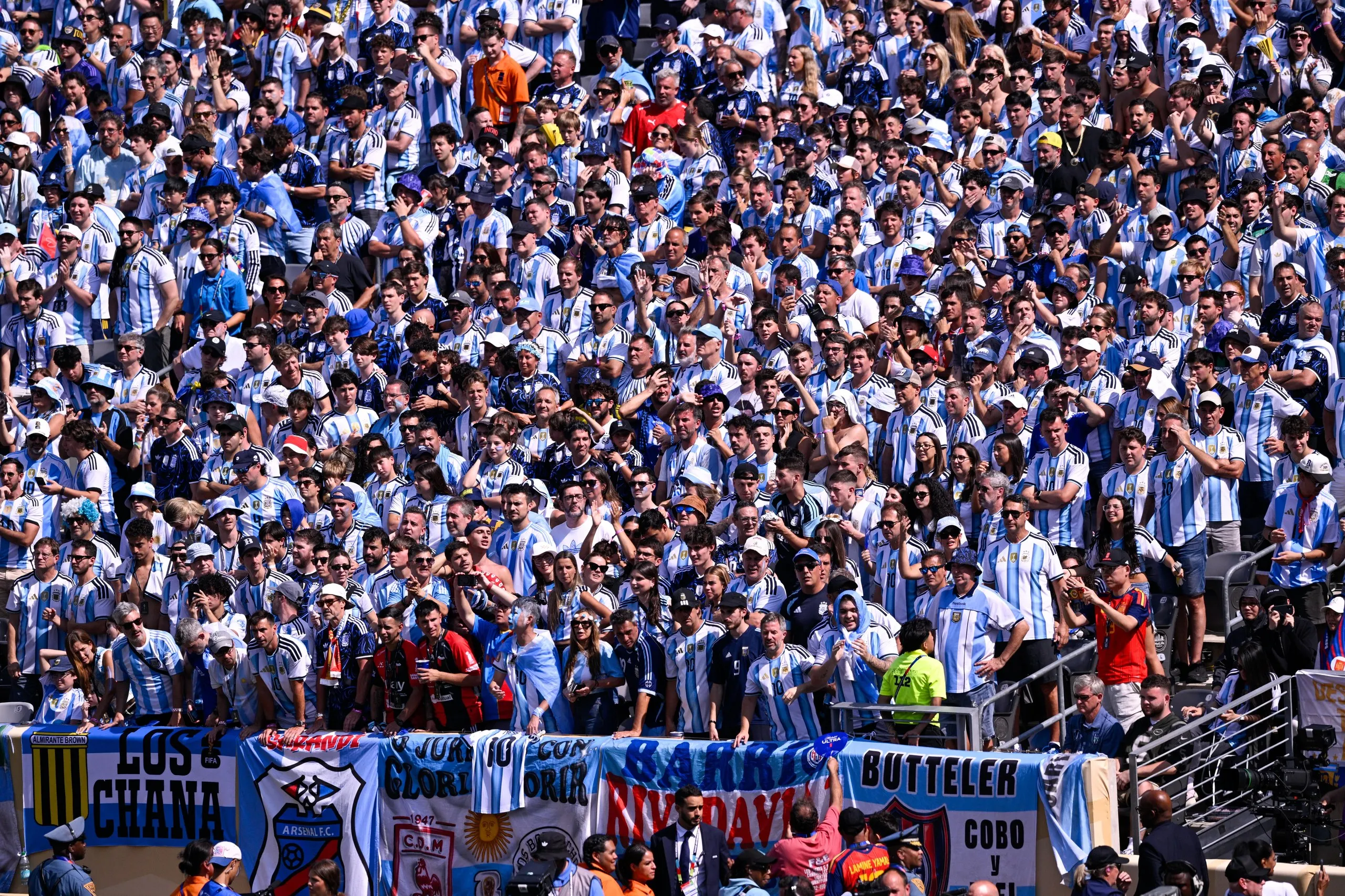
The atmosphere in New York was electric, with the city buzzing and chaotic, a typical Sunday under the sun. However, the stadium felt like a definitive endpoint, reflecting the mild disarray of the World Cup as throngs of fans waited in long lines to enter.
This venue has been somewhat overlooked during the tournament, rising from New Jersey’s asphalt like an oversized alien artifact. Inside, it resembled a classic, stark arena, with a cacophony of sound building an hour before kickoff. This match should have been a captivating clash of styles; however, Spain’s systematic approach dominated.
Argentina’s style represented emotional nationalism, yet it also bore European influences. Messi, their deity, could have represented Spain, learning his craft there and evolving into a potent force in European club football.
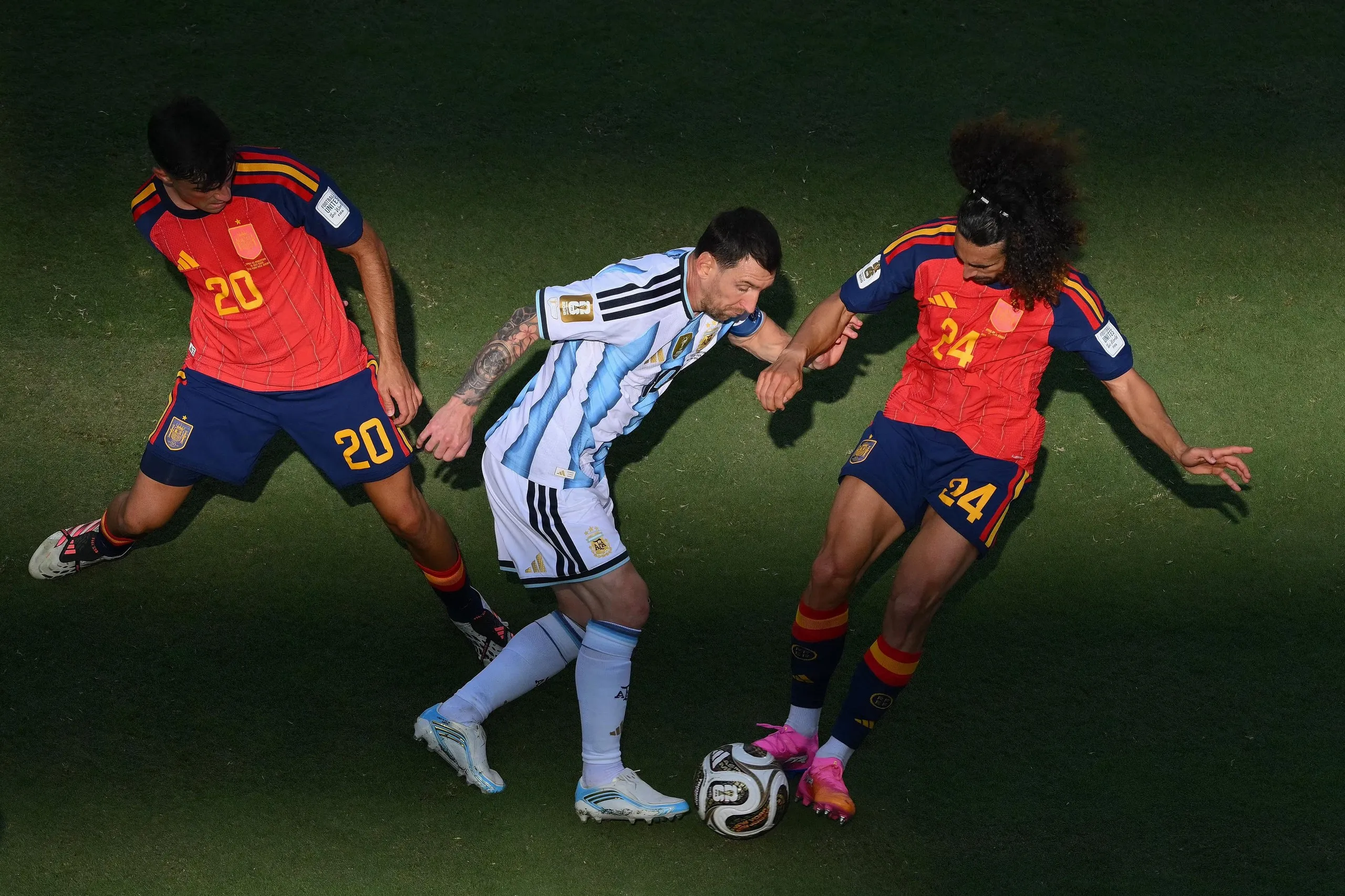
From the outset, Argentina appeared sluggish, reminiscent of their first-half performance against England. They aimed to compress the game, limiting space and providing Messi with manageable opportunities.
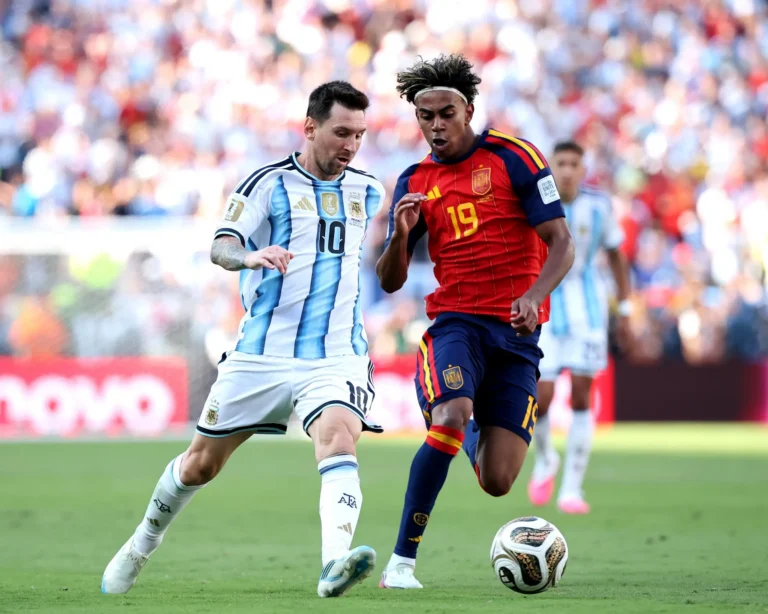
Spain completed 35 passes before Messi even started to engage actively. He spent the early moments withdrawing from the fray, like a distant relative at a wedding. Messi is known for assessing the field, taking in the dynamics and shaping his approach. He had a front-row seat to Spain’s ball possession, observing with slightly more enthusiasm than some celebrity attendees.
By halftime, Argentina seemed to wither under the sun, resembling a dried-out version of their former selves. The World Cup witnessed two contrasting narratives: a tense, scoreless match filled with unyielding force and anticipation, and a vibrant halftime show featuring Madonna and BTS, among others, providing entertainment.
“YuRRR score at HAFF time. SpAAAiinnnn Zero, Aggrrnetina ZrSerro,”
announced the loudest voice in the stadium as players returned. From that point onward, the game continued its inevitable descent toward conclusion. During moments when Messi was absent from play, Argentina struggled to maintain their identity and purpose.
However, Spain’s quality proved too formidable. They consistently reclaimed possession before Argentina could mount an attack. Following the 70th minute, Argentina appeared resigned, hoping merely to extend the match to penalties. Two minutes into stoppage time, they lost Enzo Fernández to a second yellow card, sealing their fate.
Messi will continue his career with Inter Miami and may play for Argentina for a while longer. Yet, this World Cup may mark the end of his illustrious international career. As the final whistle sounded, Messi walked away without breaking stride, even as Spain’s players celebrated and the stadium erupted around them.
Messi’s extraordinary ability has always been about crafting moments of tranquility amid chaos, a skill that has only grown more valuable as the pitch becomes more congested and distractions multiply off it. Even in his twilight at this World Cup, Messi has continued to amaze, still capable of creating moments that render the universe around him harmonious and inviting. Spain may have outplayed him, but they have yet to replicate a player of his caliber. Indeed, we may never witness another like him.
- World Cup 2026
- Spain
- Argentina
- World Cup
- analysis