


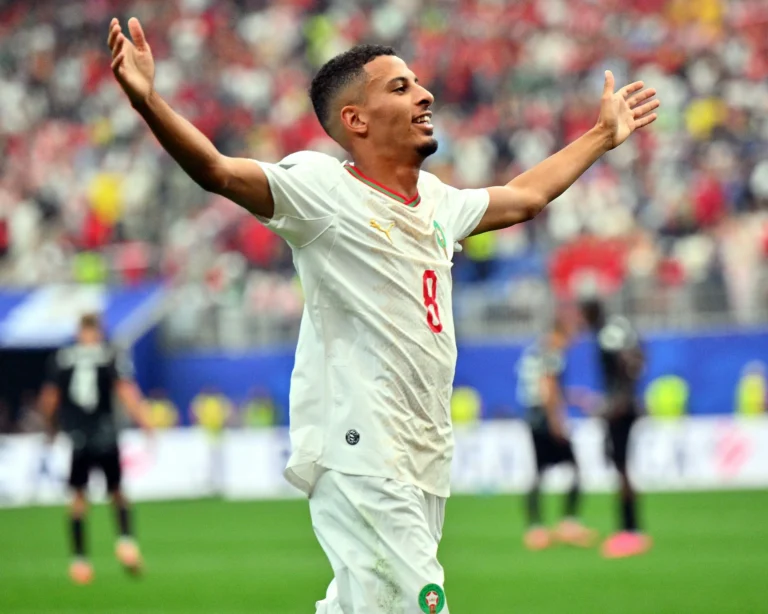
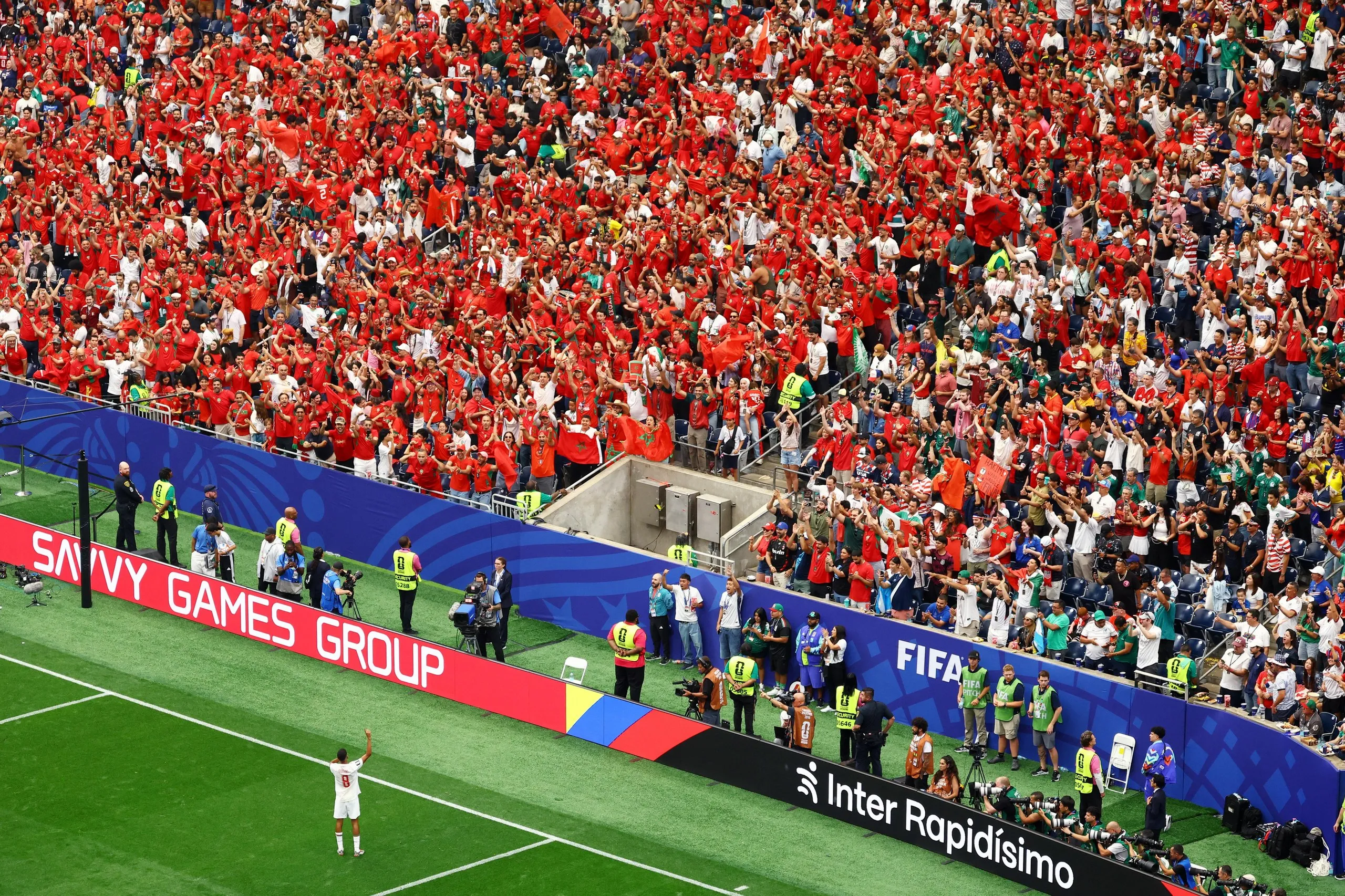
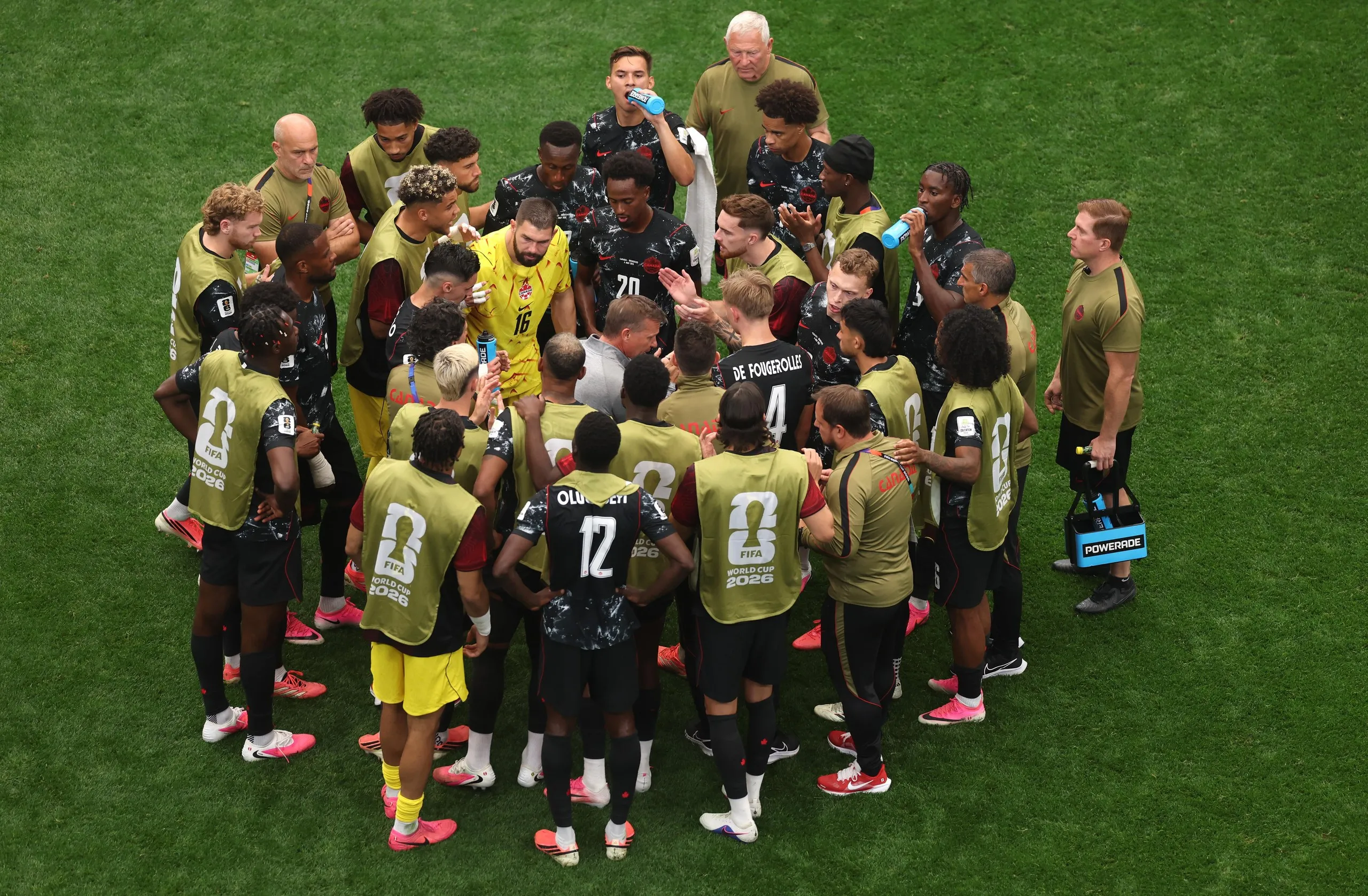
Azzedine Ounahi’s second-half goal propelled Morocco into the World Cup quarter-finals, leaving his coach Mohamed Ouahbi visibly pleased. The victory brings a sense of relief, especially considering Ouahbi took over from Walid Regragui—Morocco’s most successful coach—just five months ago. Although Regragui’s achievements were remarkable, including leading Morocco to a World Cup semi-final, Ouahbi’s squad has now established itself as the first African team to reach the quarter-finals of the tournament on two occasions.
Regragui faced criticism during the 2025 Cup of Nations, which Morocco hosted, and his defensive tactics were debated among fans and analysts alike. Despite only losing four of his 49 matches in charge, including the semi-final against France and the third-place playoff against Croatia, opinions about his coaching style were polarized. While some felt he played overly defensively, others argued that it was a necessary approach given the team’s strengths.
His departure followed a controversial final against Senegal, with Ouahbi stepping in to lead a team that had previously achieved Under-20 World Cup success. He has introduced a more aggressive and attacking style, potentially leading Morocco to greater heights. However, this match against Canada showcased a more traditional Moroccan approach, characterized by resilience and strategic play, particularly during counterattacks. The ambiguity of whether their cautious start was a tactical decision or a response to Canada’s intensity remained.
Ouahbi’s Morocco mirrored Regragui’s ability to adapt and resist pressure, displaying a classic ‘smash and grab’ strategy. They skillfully managed the game’s tempo, recovering from an injury to Ismael Saibari just before the first hydration break, which left them appearing less threatening. Before the break, Morocco recorded only one touch in the Canadian penalty area.
However, they struck first early in the second half when Achraf Hakimi delivered a free-kick that Ounahi converted from a distance. Some considered Ounahi fortunate to remain on the pitch after a foul moments earlier that could have earned him a second yellow card, a point raised by Canada’s Stephen Eustáquio to referee Michael Oliver.
Despite the challenges, Morocco executed their game plan effectively. Canada, having invested all their energy in a vigorous start, struggled to regain momentum after Morocco disrupted their flow. A crucial save from Yassine Bounou against Tani Oluwaseyi helped stabilize the Moroccan side. As the game progressed, Ounahi added his second goal after a break initiated by Chemsdine Talbi and Brahim Díaz. Soufiane Rahimi capped off the scoring in injury time after Díaz orchestrated another swift counter-attack.
The current football landscape reveals a recurring theme: early stages of a revolution often capitalize on remnants of national identity. Similar narratives unfolded in Liverpool’s initial season under Arne Slot, Ajax’s evolution under Stefan Kovacs, and Claudio Ranieri’s transformation of Leicester City into champions. Yet, as Germany’s recent struggles illustrate, the challenge lies in maintaining that cultural foundation while evolving. For now, Morocco benefits from Ouahbi’s innovative tactics while still relying on the established groundwork laid by Regragui.
- World Cup 2026
- World Cup
- Canada
- Morocco football team
- match reports