


Two nations are leading a transformative wave in football. Spain stands out as a dominant footballing culture that extends its influence globally, while Argentina’s unique identity shapes the South American landscape. This dynamic sets the stage for an extraordinary World Cup finale.
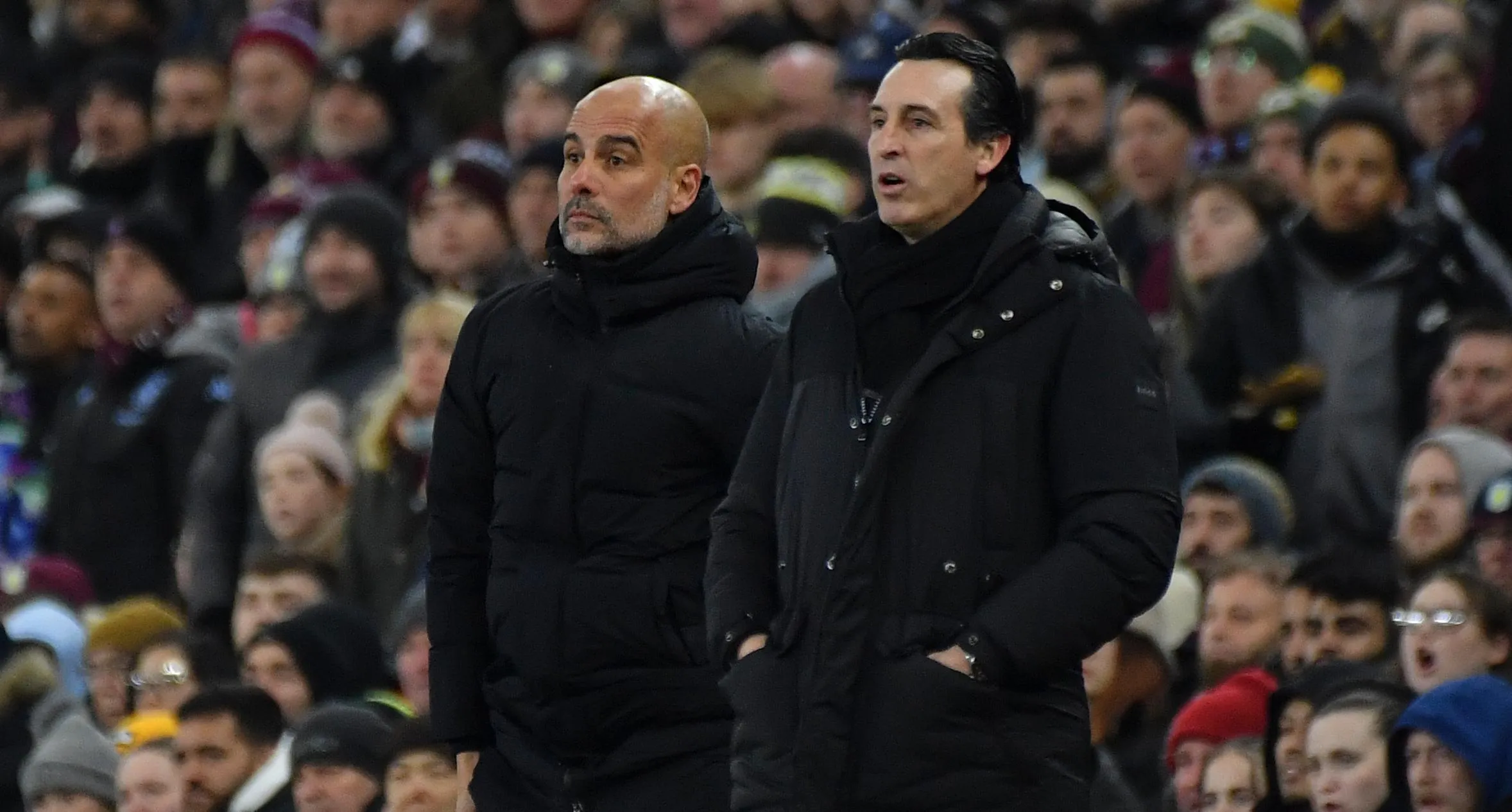
Johan Cruyff is the visionary behind Spain’s successful football philosophy. He introduced the 4-3-3 formation and a distinct ideology to FC Barcelona. Influential tacticians like Pep Guardiola and Unai Emery have since refined Cruyff’s ideas, creating a philosophy that has significantly influenced the playing style of La Liga, youth academies, and the national team for nearly twenty years. This approach emphasizes ball-centered defending, well-defined positional roles, high organization, and a focus on technical, combinative play, with players functioning cohesively as a unit.
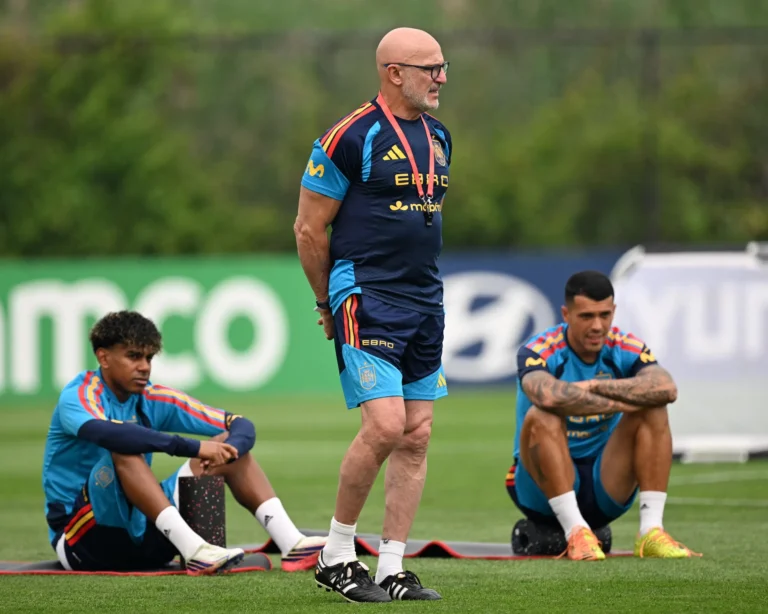
Under the guidance of head coach Luis de la Fuente, this philosophy is evident. De la Fuente has spent years in youth development within clubs and the national federation, surrounded by longtime aides. On the field, this style is exemplified by Rodri, who is widely regarded as the world’s top player.
Spain’s tactical superiority was showcased in their semi-final match against France, where they triumphed over individual brilliance. The second goal, scored by full-back Pedro Porro, exemplified this dominance as he found space unmarked in the penalty area to finish expertly with his right foot.
The influence of Spanish football resonates across Europe, a testament to its recent success. Spain has claimed three of the last five European Championships (2008, 2012, 2024) and is the most successful nation in European club competitions this century. Spanish coaches are highly sought after in top leagues, having propagated their philosophies throughout Europe. Notably, the Spanish women’s team has also secured the title of world champions.
This World Cup has highlighted the extent to which the global football landscape is shaped by a Spanish-led Europe. Most international elites are looking to the models established by Barcelona, Paris Saint-Germain, and Arsenal. When coaches embrace this guiding principle, tangible progress is often the outcome, underscoring a long-held belief: the caliber of coaches directly influences the quality of the sport.
Contrary to some beliefs, coaching methods have not universally changed; instead, there has been a convergence with elite standards. This is particularly evident in France, where Luis Enrique transformed PSG into a formidable force in Europe. Didier Deschamps has long embodied this coaching philosophy. Although he fell short of a third consecutive World Cup final, he leaves behind a promising squad for the future.
The English national team benefits from the competitiveness of the Premier League, recognized as the strongest league worldwide. The squad is physically robust and well-prepared for challenges. Leaders Jude Bellingham and Harry Kane are determined to end a 60-year trophy drought. Yet, in the semi-final, it was their opponents’ stronger identity that ultimately prevailed.
Thomas Tuchel successfully crafted his team into a well-functioning unit throughout the tournament. However, the absence of marquee players hindered their growth from match to match. His diminishing confidence in the lineup against Argentina led to substitutions that undermined the team’s stability and confidence, resulting in a disappointing exit.
Success in football often thrives where there is not just a guiding philosophy but also exceptional individual talent, as seen with Norway’s Erling Haaland and Martin Ødegaard. Even in the absence of such talent, teams that adhere to clear principles remain competitive. Countries like Canada (under Jesse Marsch), the USA (led by Mauricio Pochettino), and Ghana (coached by Carlos Queiroz) are hiring experienced coaches from Europe. This trend is now reaching Brazil, where Carlo Ancelotti is expected to revitalize a team that has seen its past talent diminish.
Morocco stands to gain from a significant number of players who have been trained in European academies or compete in top leagues across Europe. Their geographical proximity to Andalucía proves advantageous, and they are set to co-host the 2030 World Cup. Tactically, Morocco mirrors the elite European teams, as other African nations do, with a compact defense and structured play out of possession, making them difficult to defeat.
In this tournament, six of the quarter-finalists hailed from Europe. Out of the starting lineups, 84 of the 88 players were contracted with European clubs last season. The remaining four transitioned to clubs on different continents after turning 30, with Lionel Messi among them. Except for one penalty, every scorer from the victorious teams in the quarter-finals and semi-finals represents clubs that have reached a Champions League final in the last decade: Real Madrid, PSG, Arsenal, Liverpool, Atlético Madrid, Inter Milan, Chelsea, and Tottenham. True excellence continues to be cultivated in Europe.
Nevertheless, it is entirely plausible that the upcoming world champion may emerge from South America for the second consecutive time. Argentina has also established a successful model: one that is defensive, values physical contests, and prioritizes security. Football, for them, is an existential challenge deeply ingrained in their culture. All South American teams, apart from Brazil, are managed by Argentinian coaches.
Lionel Scaloni epitomizes this trend, potentially becoming the first coach since Italy’s Vittorio Pozzo in 1938 to defend a World Cup title successfully. Having spent a decade in Spain as a player, Scaloni began his coaching journey as an assistant. He was guided by De la Fuente, the very coach he will face in the final, illustrating the interconnected nature of football.
Philipp Lahm’s column was produced in partnership with Oliver Fritsch at the German online magazine Die Zeit.
- World Cup 2026
- Argentina
- Spain
- World Cup
- comment