


On Monday morning, the lively bars along Calle Genova in Mexico City’s center thrummed with music, even before the clock struck 11am. A vibrant crowd of patrons spilled onto the street, perhaps picking up the party from the previous night or never stopping at all. National team jerseys were prominently worn, and anyone unaware of the recent events might have mistakenly concluded that all was well.
Yet the reality was clear to those who returned from Estadio Azteca, making their way to Paseo de la Reforma. While this expansive boulevard had thronged with 1.4 million celebrants after Mexico’s last-16 triumph over Ecuador, it lay nearly deserted just three and a half hours post-match, following England’s defeat of El Tri. Clean-up crews were already busy, and the remaining fans had retreated to side streets.
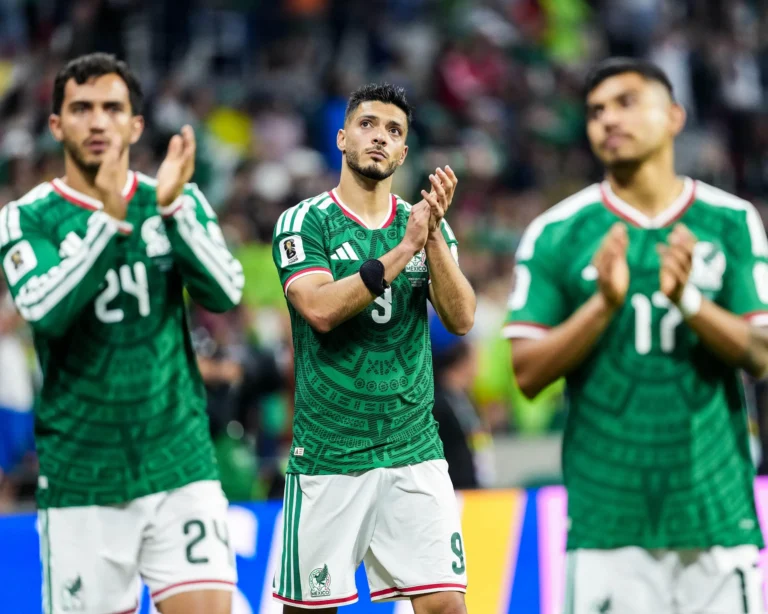
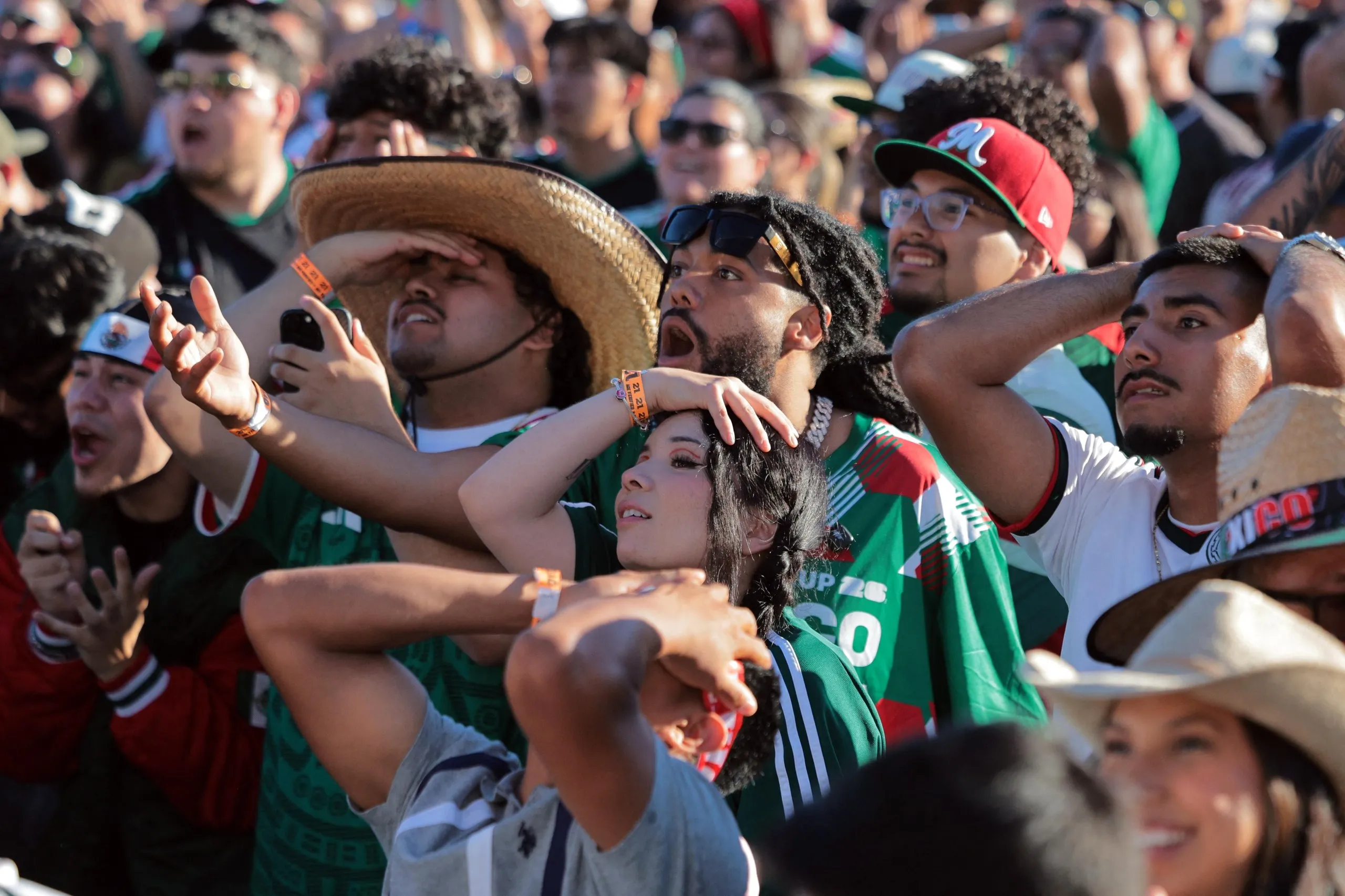
Despite the disappointment, the atmosphere remained cheerful. Celebrations continued, albeit on a smaller scale, away from the main thoroughfares, and reflections were largely positive. There was a widespread sentiment that Mexico had extracted everything possible from a thrilling World Cup match, with a bittersweet awareness that the team could have achieved more, especially had it not been for England’s brilliant goalkeeper, Jordan Pickford.
“A setback that will hurt for eternity,” remarked El Universal, one of the nation’s leading newspapers, commending “an epic performance against England” There was a prevailing feeling that Mexico had contributed to their own downfall, particularly through defensive lapses that allowed Anthony Gordon to secure a penalty that sealed their fate.
President Claudia Sheinbaum aimed to preserve a sense of optimism in the aftermath. “We showed everyone that Mexico is the best host in the world, with happy and united people,” she shared on social media.
While this assertion is clouded by issues like the kidnapping crisis and cartel violence that sporting events often overlook, Sheinbaum’s words resonated with English fans, who expressed admiration for the warmth and hospitality of their Mexican hosts, even in defeat.
Estadio Azteca lived up to its legendary status, creating an electrifying atmosphere on Sunday night, with no real animosity towards their English counterparts. Any displays of dissent, such as half-hearted chants directed at a group of journalists, were minimal. Fans from both sides mingled on concourses and in nearby bars, continuing to sing and take photos together late into the night.
As the final whistle marked the end of Mexico’s co-hosting duties for this tournament, it also signaled a wrap for a team that had shown promise but ultimately fell short. While the USA may represent the heart of the 2026 World Cup, Mexico undeniably embodies its soul. The nation’s passion for football runs deep, embedded in its culture rather than merely serving as a form of entertainment. It should not take away from the commendable efforts of American hosts to enhance the visitor experience if a stay in Mexico during the knockout stages invigorated the spirit.
However, the Azteca will now remain unused for the summer, along with stadiums in Guadalajara and Monterrey, a stunning venue in its own right. While the Azteca might lack the polish of more modern facilities, its charm lies in its history and authenticity. Issues with access and infrastructure were largely resolved during the tournament, leaving one to wonder if this iconic stadium could have continued to host matches even without the national team. Perhaps for long-distance visitors, less might indeed be more, and scarcity has its own value. Yet, it raises the question: would it have been too much to allow Mexico to remain involved for at least another week?
There is hope that the increased visibility for Mexico’s players will serve as a springboard for their careers. Observers noted the talent of 17-year-old Gilberto Mora, who held his own against England and dazzled against Ecuador, indicating the emergence of a promising star.
Mexico often goes unnoticed because its domestic league, known for its competitive pay and substantial crowds, provides a comfortable environment for its talent. Players seeking transfers can find themselves priced out by clubs that are not in urgent need of funds. Expanding mobility and visibility in Europe’s top leagues would be crucial for this football-rich nation of 133 million to realize its immense potential.
- World Cup 2026
- Mexico
- England
- World Cup
- features