


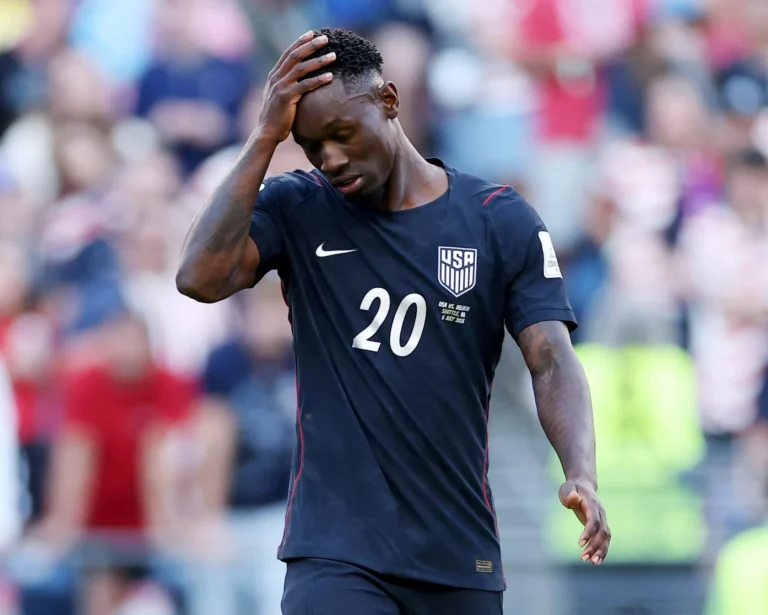
The United States’ effort to overturn Folarin Balogun’s red card may have unintentionally opened a can of worms, exposing the national team to scrutiny over its most profound challenges.
As the country stood on the brink of embracing this squad, with millions anticipating a chance to celebrate the pride and glory that soccer can offer, the narrative shifted to issues of fairness and ethics. A promising striker, who had made a genuine, unintentional error, became a focal point for discussion. Then, on a picturesque Monday evening in the Pacific Northwest, the United States’ World Cup aspirations came crashing down.
In a disappointing 4-1 defeat against Belgium in the knockout stage, the US’s desire to reshape global perceptions of American soccer ended at the same juncture as in their previous three World Cup participations. The rallying cry of this team — “What the hell just happened?” — was replaced by a more somber reflection: “From the beginning, we didn’t connect with the game. Even when we scored the goal, we conceded the next action. Congratulations Belgium, they were better than us,” or perhaps “We didn’t show what this team can show.”
Despite brief flashes of potential, the performance from the US team starkly contrasted with the earlier displays that had garnered attention in the tournament. No previous US squad had showcased such quality and creativity in scoring goals or demonstrated defensive solidity over extended periods of play.
However, the match ultimately unraveled due to defensive errors, costly giveaways, and a moment of sheer panic from goalkeeper Matt Freese that sealed the team’s fate.
“From the beginning, we didn’t connect with the game. Even when we scored the goal, we conceded the next action. Congratulations Belgium, they were better than us,”
US coach Mauricio Pochettino stated after the defeat. “We didn’t show what this team can show.”
Considering the preceding 36 hours, the US lineup was expected. Balogun retained his starting position, remaining in the same lineup that had impressed against Paraguay and Bosnia and Herzegovina following his controversial, politically influenced reinstatement.
However, it was Belgium’s coach Rudi Garcia who threw the first curveball. He left out two key players, Kevin De Bruyne and Jérémy Doku, from the starting lineup despite their fitness. Nicolas Raskin stepped in as the Red Devils’ central playmaker, while Dodi Lukébakio took Doku’s place on the wing. Lukébakio had previously troubled the US defense in a friendly match earlier this year, scoring two goals in a decisive 5-2 victory that raised concerns about the US’s ability to handle top-tier teams.
Those concerns were validated early on.
The US could not claim ignorance to the impending danger. In the eighth minute, Amadou Onana evaded multiple challenges and delivered the ball to Lukébakio. The winger sliced through the US defense and crossed towards the goal, where Youri Tielemans misfired. The immediate danger was averted, but it wouldn’t last.
Moments later, Belgium struck. A long ball from the back found Leandro Trossard, who controlled it effortlessly. His deflected pass was met by Raskin, who skillfully bounced the ball into the area, allowing Charles De Ketelaere to finish easily. The goal was disheartening for the US supporters, who had filled the stadium. Once again, the high-flying US side faced a substantial challenge.
As they had in the earlier inconsequential group match against Turkey, they faltered. Weston McKennie, generally a reliable player during this tournament, contributed to Belgium’s opportunities with careless touches and errant passes. Christian Pulisic often found himself dispossessed in the midfield, while Chris Richards, a defensive cornerstone, nearly gifted the ball to De Ketelaere right in front of goal. It took desperate defending to prevent Belgium from doubling their lead.
Malik Tillman’s equalizer was unexpected. Balogun played a crucial role, winning a free-kick at the edge of the area with impressive hold-up play. Tillman sent a looping shot over the wall, benefiting from a deflection off Hans Vanaken that wrong-footed Thibaut Courtois. This goal made Tillman only the second player in World Cup history to score twice from direct free-kicks in a single tournament.
However, this achievement offered little solace for the US. Hopes of a resurgence following Tillman’s goal were swiftly dashed. Belgium’s threat re-emerged from the US’s right flank. Trossard exploited space behind Freeman to deliver a pinpoint cross to De Ketelaere, who outmuscled Tim Ream and Antonee Robinson for a header.
Pochettino sought to ignite a second-half revival by substituting Gio Reyna for Sergiño Dest. The US started brightly, but the optimism was quickly overshadowed by a devastating goalkeeping blunder. Freese’s decision to venture far off his line for a long ball in the 57th minute was puzzling, and his hesitation to clear the ball after chesting it away from De Ketelaere allowed Vanaken to calmly roll it into an empty net. Freese and Ream were left in disbelief.
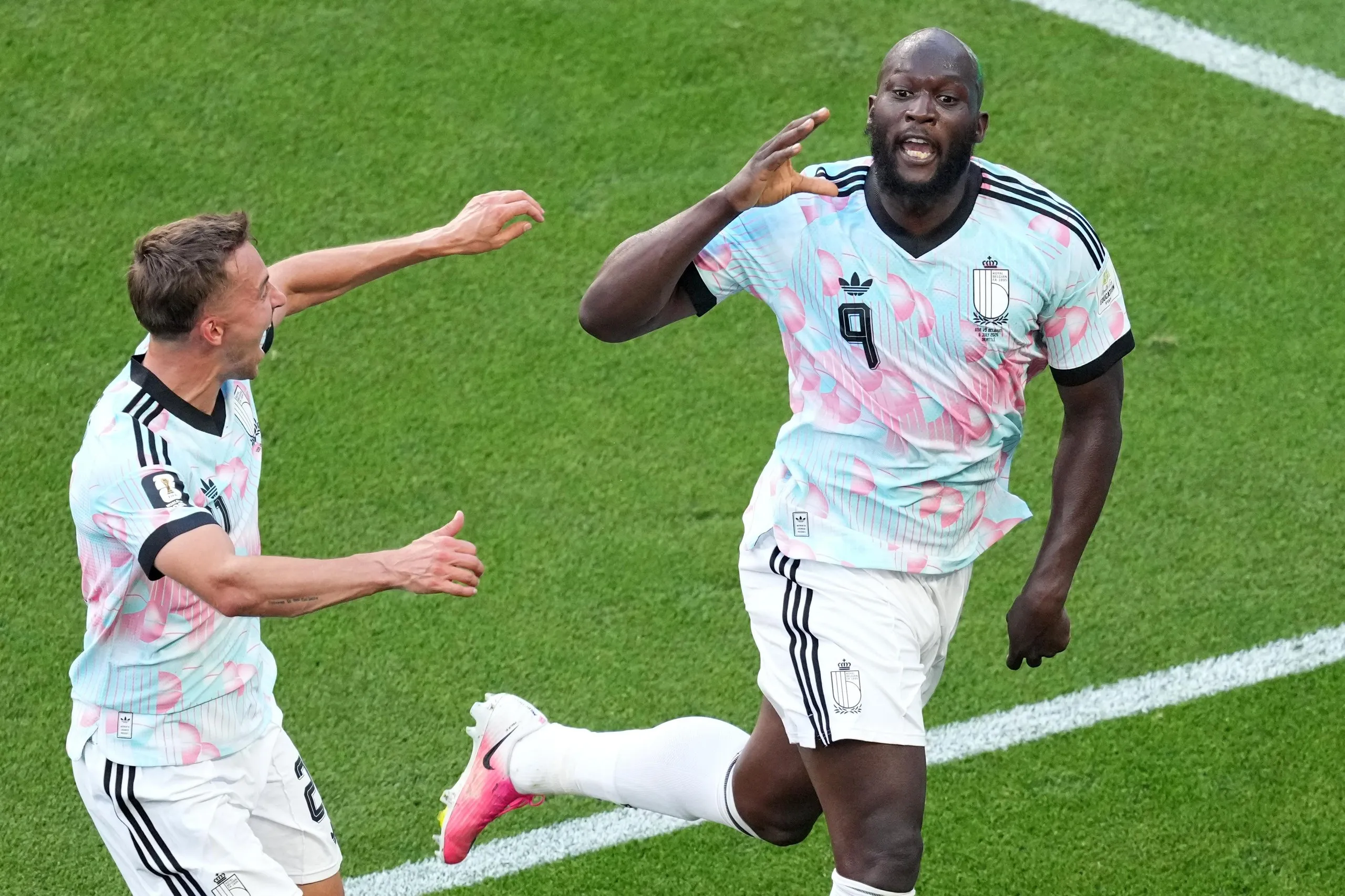
It seemed to solidify their downfall, but it wasn’t the end. Romelu Lukaku, who entered the game in the 67th minute, sealed the victory for Belgium with a composed finish in stoppage time. Moments later, US players dropped to their knees, with Richards remaining in a fetal position on the field, his face pressed against the grass for several minutes before teammates offered consolation.
The match was a harsh transition from dreams to reality. The US team went from being confident to entangled in controversy and ultimately overwhelmed. The dynamic squad faded under the typical cool, shaded skies of Puget Sound. Fans will only hope that the future brings a team capable of moving past the disappointments of this match, envisioning brighter days four years from now.
- World Cup 2026
- USA
- Belgium
- World Cup
- US sports
- match reports