


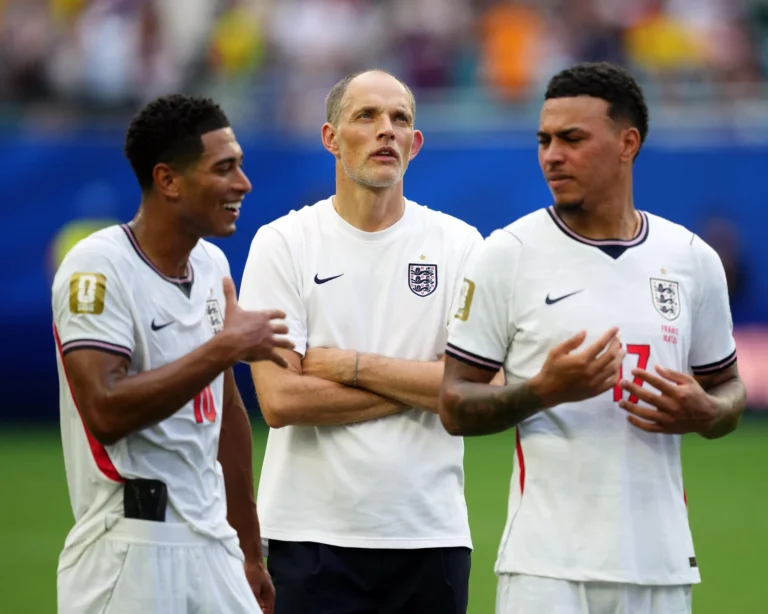
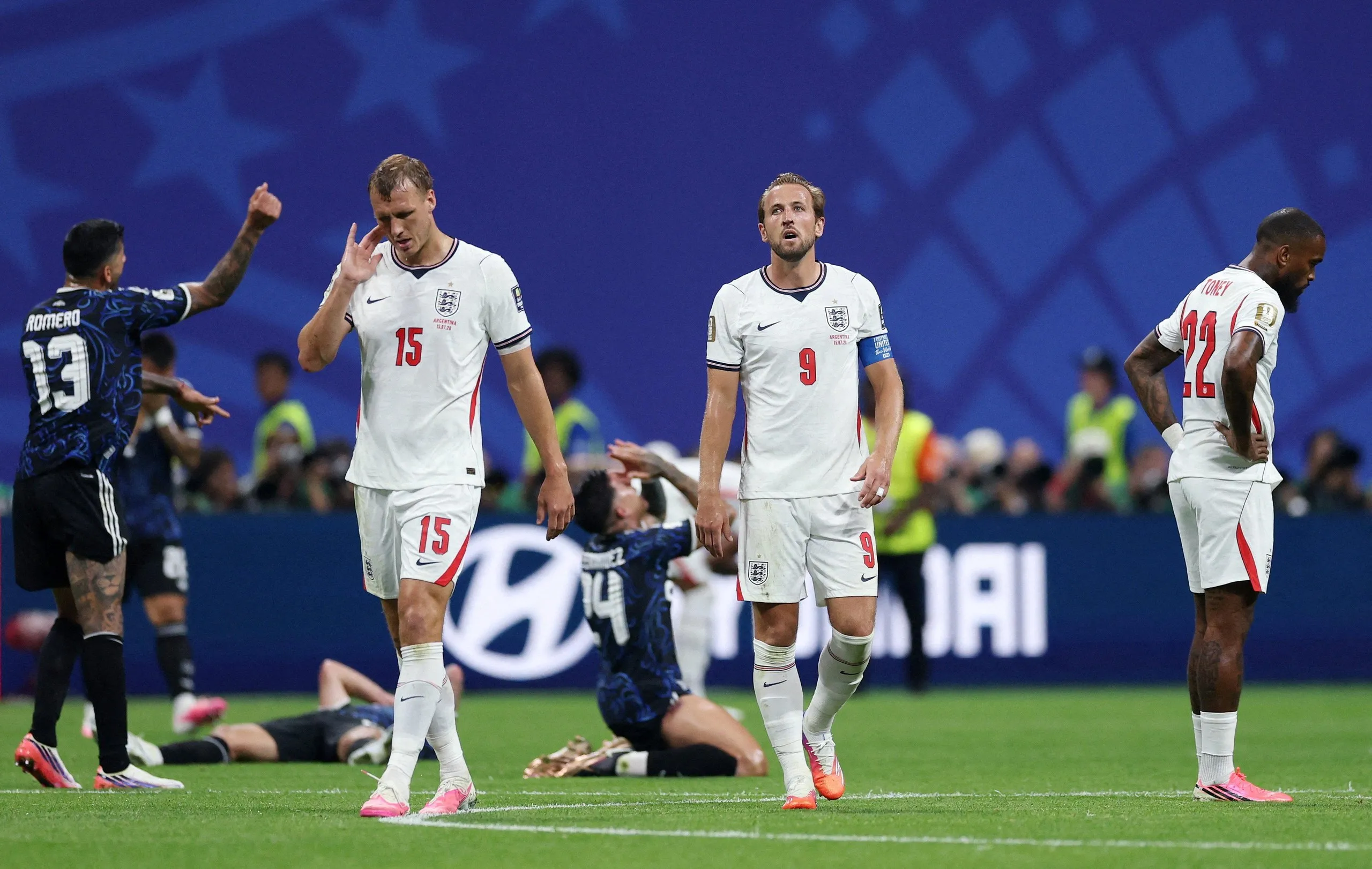
Despite clinching a bronze medal at the World Cup by defeating France in a sensational 10-goal match, frustration with manager Thomas Tuchel remains palpable. The disappointment from last week’s collapse against Argentina lingers, and it will require more than a low-stakes victory to quell the rising criticism of Tuchel’s leadership.
The rationale behind Tuchel’s hiring was his potential to influence crucial matches. However, following the team’s disappointing performance, the reaction has been one of anger, revealing the shortcomings of an appointment that seemed more about compensating for the Football Association’s (FA) deficiencies in coaching development than about strategic foresight.
The FA’s vision appears muddled. Initially, Tuchel was expected to provide a jolt of inspiration and tactical expertise to help England succeed. However, after a successful qualifying campaign against weaker teams, the FA shifted its expectations by extending Tuchel’s contract, making the urgency of winning the World Cup seem less critical.
During the bitter fallout from the defeat to Argentina, the notion of Tuchel as a builder of a cohesive project felt flawed. He faced criticism for his conservative substitutions while England was ahead, and he expressed disdain for what he termed the English DNA, pointing out the team’s struggles with ball control. However, one might argue that Tuchel himself contributed to these issues by excluding many of the squad’s skilled ball players. Would the outcome have been different had Adam Wharton, Trent Alexander-Arnold, and Cole Palmer participated? Perhaps not, but significant investment has been made in developing a new generation of English talent.
It seems Tuchel may be harking back to an outdated perception of English football. This raises questions about employing a foreign coach whose priority is immediate success. Historically, this marks the third instance of England pursuing this path. The idea of an outsider as a sophisticated tactician is tempting, yet Sven-Göran Eriksson did not prove to be as tactically adept as Glenn Hoddle, who utilized a more adaptable formation compared to Eriksson’s rigid 4-4-2.
Tuchel has failed to establish a distinctive identity for the team. His fascination with a traditional English style—a focus on speed and physicality—has not delivered results on the international stage, as England often finds itself outplayed in crucial knockout matches. This is why youth football has increasingly emphasized developing players who are comfortable with a dominant, possession-based style akin to that of Spain.
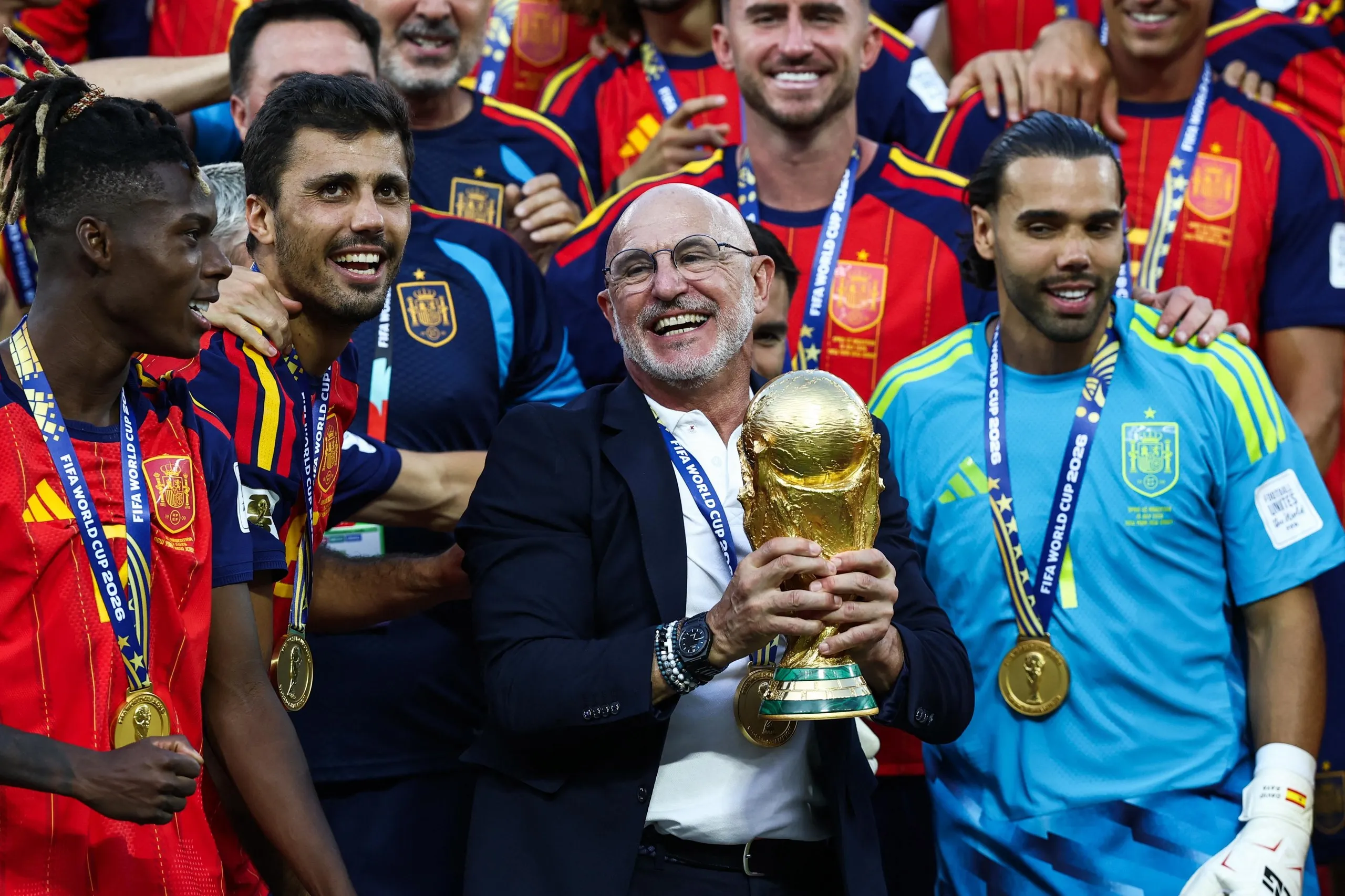
Spain has recently secured another World Cup title, their approach proving too effective for Argentina in a lackluster final. Observers may note that the last two teams standing were coached by individuals who understand their national identity intimately.
Luis de la Fuente and Lionel Scaloni have both risen through their country’s football systems, embodying a deep connection to their national identity. In contrast, Tuchel was brought in to mask the FA’s shortcomings in nurturing homegrown coaching talent. Historically, no male national team led by a foreign coach has won the World Cup, which should raise alarms at the FA, especially when the senior team plays a markedly different style than its youth counterparts.
Many within youth coaching circles believe that Tuchel has regressed England’s development during this tournament. The under-21 team has achieved success in the last two European Championships by embracing a courageous style of play. They have defeated Spain in consecutive tournaments, with coach Lee Carsley emphasizing the importance of risk-taking in possession. In contrast, Tuchel’s approach culminated in a reliance on long balls towards Dan Burn, resulting in a conservative game plan that stifled creativity. This World Cup serves as a reminder that turning to renowned club coaches does not guarantee international success.
Brazil’s appointment of Carlo Ancelotti ended in disappointment as they exited in the last 16. Roberto Martínez’s tenure with Portugal faltered after he clung to Cristiano Ronaldo, while Mauricio Pochettino oversaw a humiliating defeat for the USA against Belgium.
Scaloni, who advanced through Argentina’s national setup, led the team to a World Cup victory in 2022. Likewise, de la Fuente achieved success with Spain, winning the European Under-19 Championship in 2015 and the Under-21 Championship in 2019 before guiding the senior team to the European title in 2024.
Spain demonstrates a smooth progression in player development, as those who triumphed over Argentina in the final had previously played youth football under de la Fuente. However, this does not imply that the FA should hastily appoint Carsley, who seemed unprepared for the senior role during his interim stint following Gareth Southgate’s exit. Nonetheless, Carsley is closer to embodying the Spanish style and has shown that English teams can adopt a more daring approach.
The FA faces significant considerations as it evaluates England’s World Cup performance. Currently, Tuchel appears set to lead the team through another tournament. While there are challenges to address, finishing third does not warrant dismissal. At this point, the FA lacks alternative plans. Tuchel was not developed internally but acquired externally. It is hoped that he embraces change during the Nations League, moving away from a purely physical style. However, it would not be surprising if his perspectives on English football ultimately reveal a disconnect. Unlike Tuchel, de la Fuente embodies a profound understanding of his team’s identity.
- England
- Thomas Tuchel
- The FA
- World Cup 2026
- World Cup
- analysis