


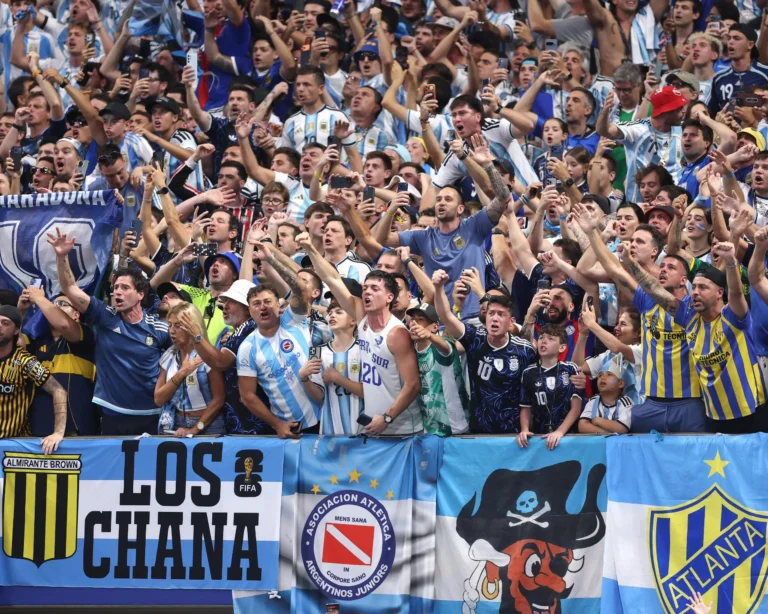
The Brazilian journalist Julia Duailibi, typically focused on politics in her column for a major Brazilian newspaper, took a different direction last Thursday by expressing her reluctance to support Argentina in the World Cup final. She shared her thoughts following Argentina’s thrilling semi-final win over England, stating, “I have always been an admirer of the hermanos [as Brazilians affectionately call Argentinians] and would have loved to cheer on a fellow South American team,”
Duailibi’s perspective reflects a growing sentiment across Latin America, where many individuals are voicing their support for Spain in the upcoming final. While the actions of some Argentinian fans have been a significant factor in this shift, they are not the sole reason.
Nicolás Cabrera, an Argentinian sociologist and anthropologist who studies football supporters, noted a noticeable change in attitudes. He explained, “But I admit that the racist scenes involving a minority of the fans, and the silence of the majority on the pitch, turned my stomach.” This shift in support has expanded beyond traditional rivals like Brazil, Uruguay, and Chile, now encompassing fans from Mexico, Colombia, and Ecuador.
Cabrera identified several reasons for these emerging rifts. Argentina’s dominance in the footballing arena, having reached three of the last four World Cup finals and secured at least one victory, plays a pivotal role. In contrast, neighboring countries have faced earlier exits, with Brazil last making it to the final in 2002.
Another contributing factor is the presence of Lionel Messi, a global football icon who has continued to shine even at 39 years old during this World Cup.
Additionally, Cabrera pointed to the increasing number of club matches as a factor. The Copa Libertadores, once featuring about 20 teams, now includes nearly 50, leading to more frequent rivalries and tensions among fans. He remarked, “In the past, people were more likely to support a Latin American team against a European one, but that has changed quite a lot in recent years,”
Racism among some Argentinian supporters has become a visible issue, particularly during matches against Brazilian teams. Incidents of fans making monkey gestures at Brazilians are not new, dating back to a 1920 cartoon that depicted Brazilian players in a derogatory manner. Recently, several Argentinian tourists were arrested in Brazil for racial insults, although one individual filmed making monkey gestures at a Black Brazilian was not detained and has since returned to Argentina.
This troubling behavior has spilled over from domestic matches to the World Cup. Duailibi highlighted this trend, stating, “Rifts began to appear for several reasons,” referring to Argentina’s lack of specific laws against racism.
The controversies are not limited to Brazil’s borders or football stands. After winning the 2024 Copa América, Argentina players engaged in chanting racist and homophobic songs about their French opponents from the 2022 World Cup final. Moreover, an Argentinian journalist recently made headlines by expressing a deep-seated hatred for Mexicans, which prompted outrage from Mexico’s president, Claudia Sheinbaum.
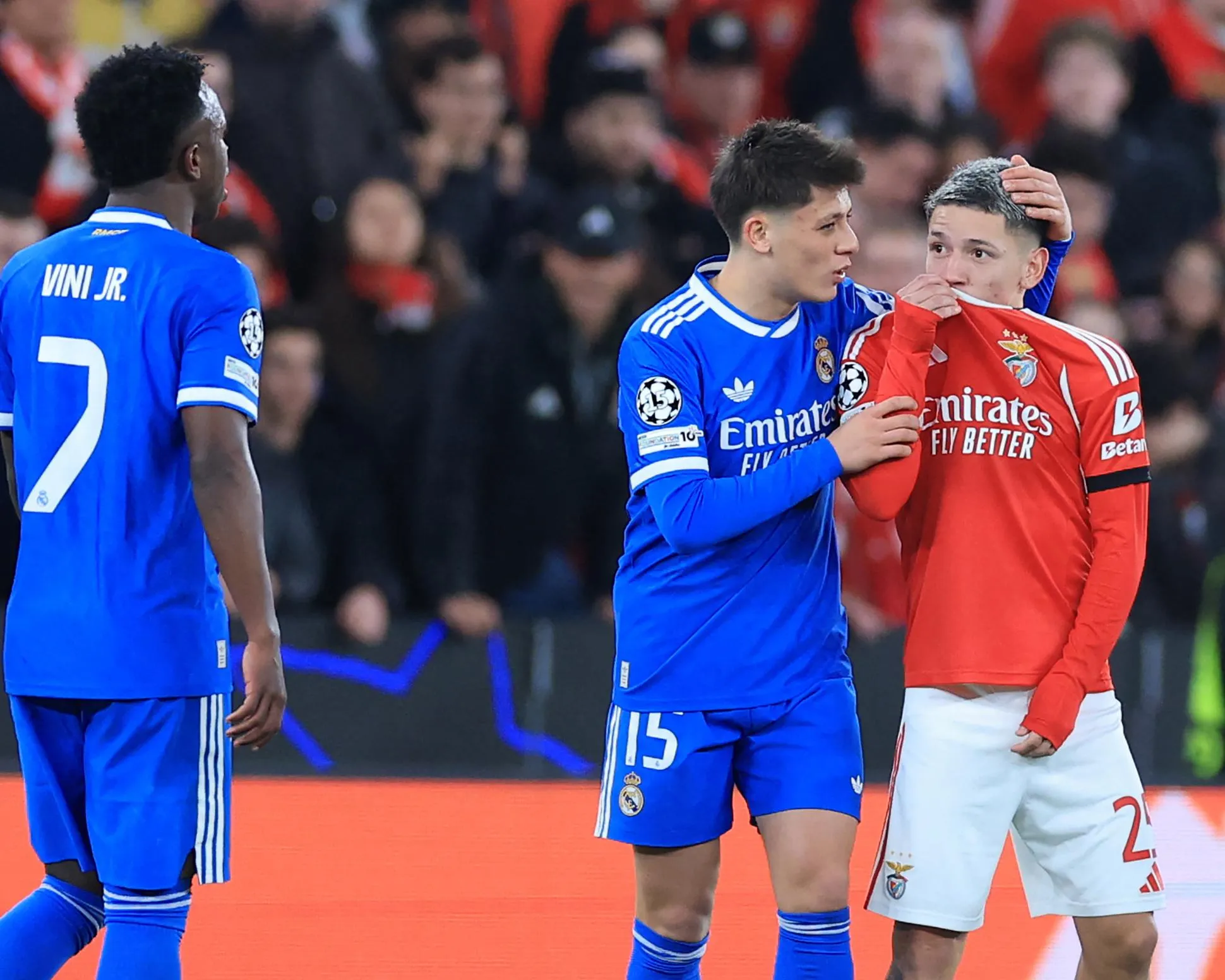
Despite these issues, Brazilian historian Fábio Luís Barbosa dos Santos remarked that the incidents involving some Argentinian fans will not deter him from supporting Argentina in the final. He stated, “As our teams play each other more often, fans start winding each other up,” referencing Spain’s colonial past and ongoing racist incidents involving Brazilian player Vinícius Júnior.
Santos emphasized the historical connections between Argentina and Brazil, noting their shared experiences of colonialism and dictatorship. He stated, “Hate speech, racism, xenophobia and discrimination began to circulate in ways that had previously been more marginal and less visible.”
He is not alone in his support for Argentina. João Felipe Jr., a 32-year-old ride-hailing driver, plans to travel 270 miles from Rio de Janeiro to São Paulo to watch the final at a bar popular with Argentinian fans that has welcomed many Brazilians. He recalled attending a Brazil-Argentina match at the Maracanã three years ago and dismissed conspiracy theories on social media alleging favoritism by FIFA towards Argentina.
Felipe Jr. expressed admiration for Messi’s contribution to the tournament, saying, “I know Brazil is not a model in this respect either, that we still have a long way to go when it comes to racism, but at least our legal framework is far more effective than theirs,”
- Argentina
- Spain
- World Cup 2026
- World Cup
- Americas
- features
Overall, the current dynamic in Latin America reflects not just changing allegiances in football but also broader societal issues, as fans navigate their identities and values in the context of regional rivalries and historical ties.