


Who is the referee?
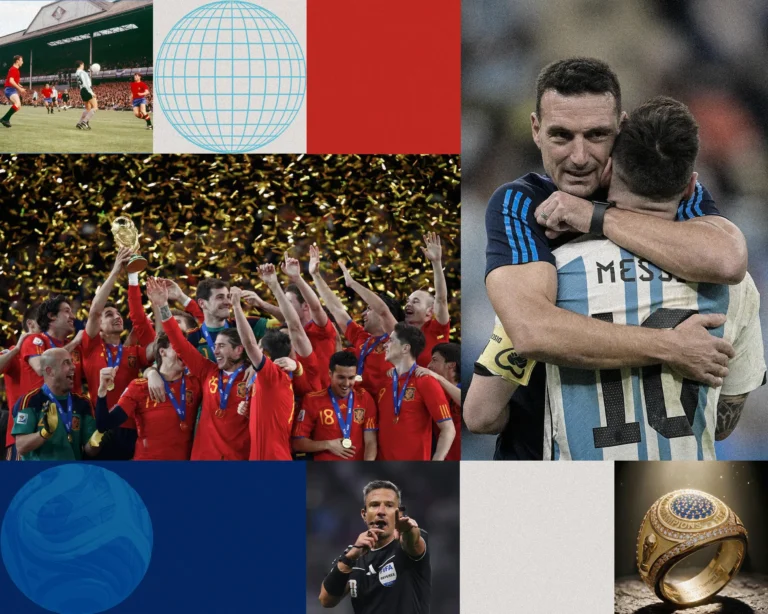
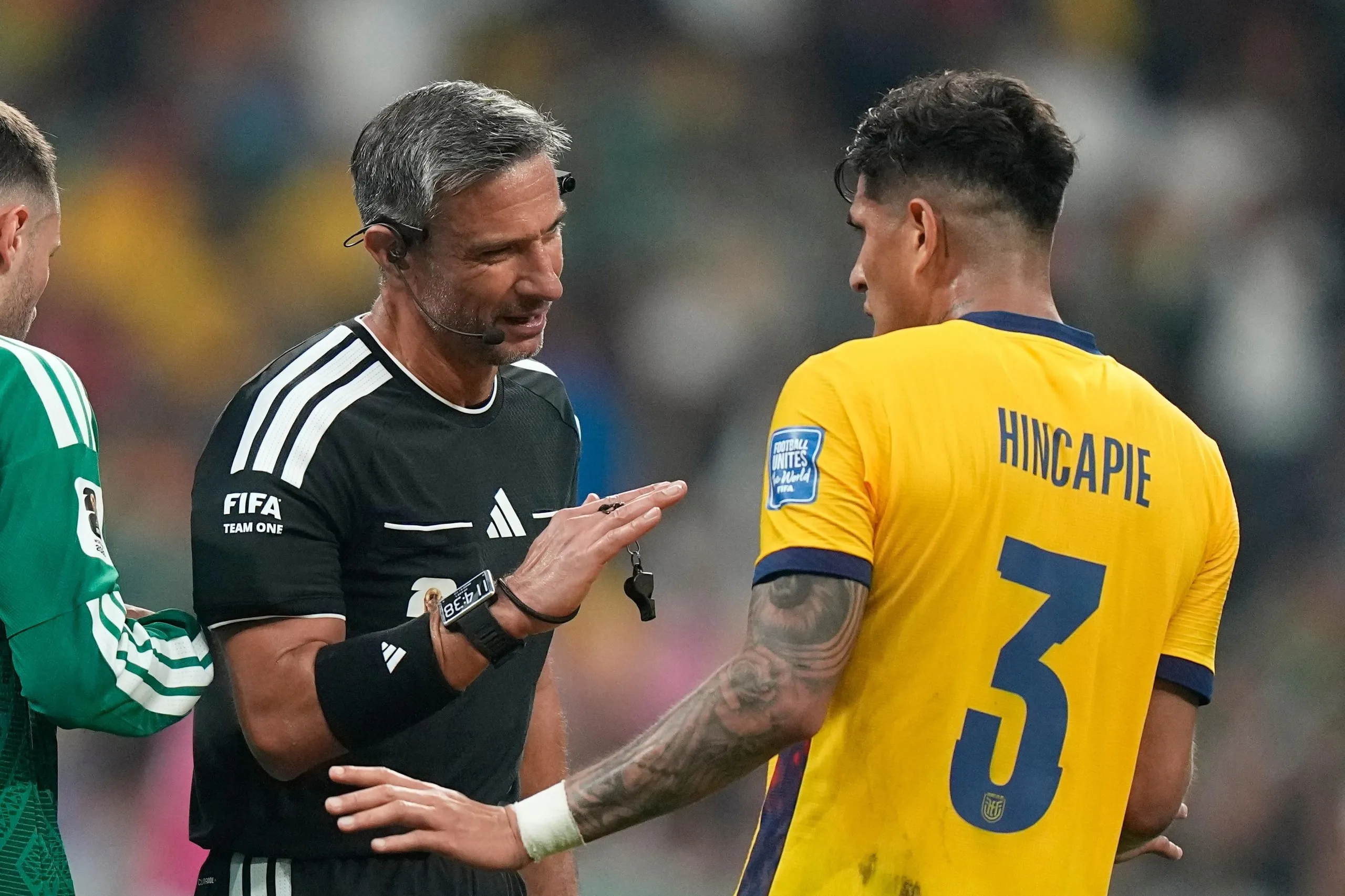
Slavko Vincic makes history as the first Slovene to officiate a World Cup final. He previously refereed the 2024 Champions League final at Wembley, where Real Madrid triumphed over Borussia Dortmund 2-0, and was in charge of Spain’s 2-1 victory against France in the semi-finals of the 2024 Euros. The 46-year-old began his World Cup journey by officiating Argentina’s opening match loss to Saudi Arabia in 2022. During this tournament, he issued Ecuador’s Piero Hincapié a red card for covering his mouth in the dying moments against Mexico, averaging 2.33 yellow cards per game.
Notably, 13 of the last 14 finals at the World Cup and European Championships, encompassing both men’s and women’s tournaments, have been claimed by the team that played their semi-final first. The lone exception occurred when both semi-finals were held on the same day. Spain initiated this trend by defeating Italy 4-0 in the Euro 2012 final. Argentina has also reaped the benefits, entering the 2022 final with a four-day rest compared to France’s three. This time, Spain enjoys an additional day of recovery.
The Absence of Leadership
For the past 36 years, no Argentinian president has attended a World Cup match involving the national team, and Javier Milei is set to continue this tradition. He has watched all seven games from his presidential residence, stating in an interview with a Buenos Aires radio station that there is “reflect the identity of the winning team” he will travel to New Jersey. This superstition traces back to 1990 when Carlos Menem visited the Argentina squad before their unexpected loss to Cameroon. Since then, the president’s presence at a World Cup match is believed to bring misfortune to the team. In contrast, Spain’s Prime Minister Pedro Sánchez and King Felipe VI will be present at the final.
Chasing Historic Achievements
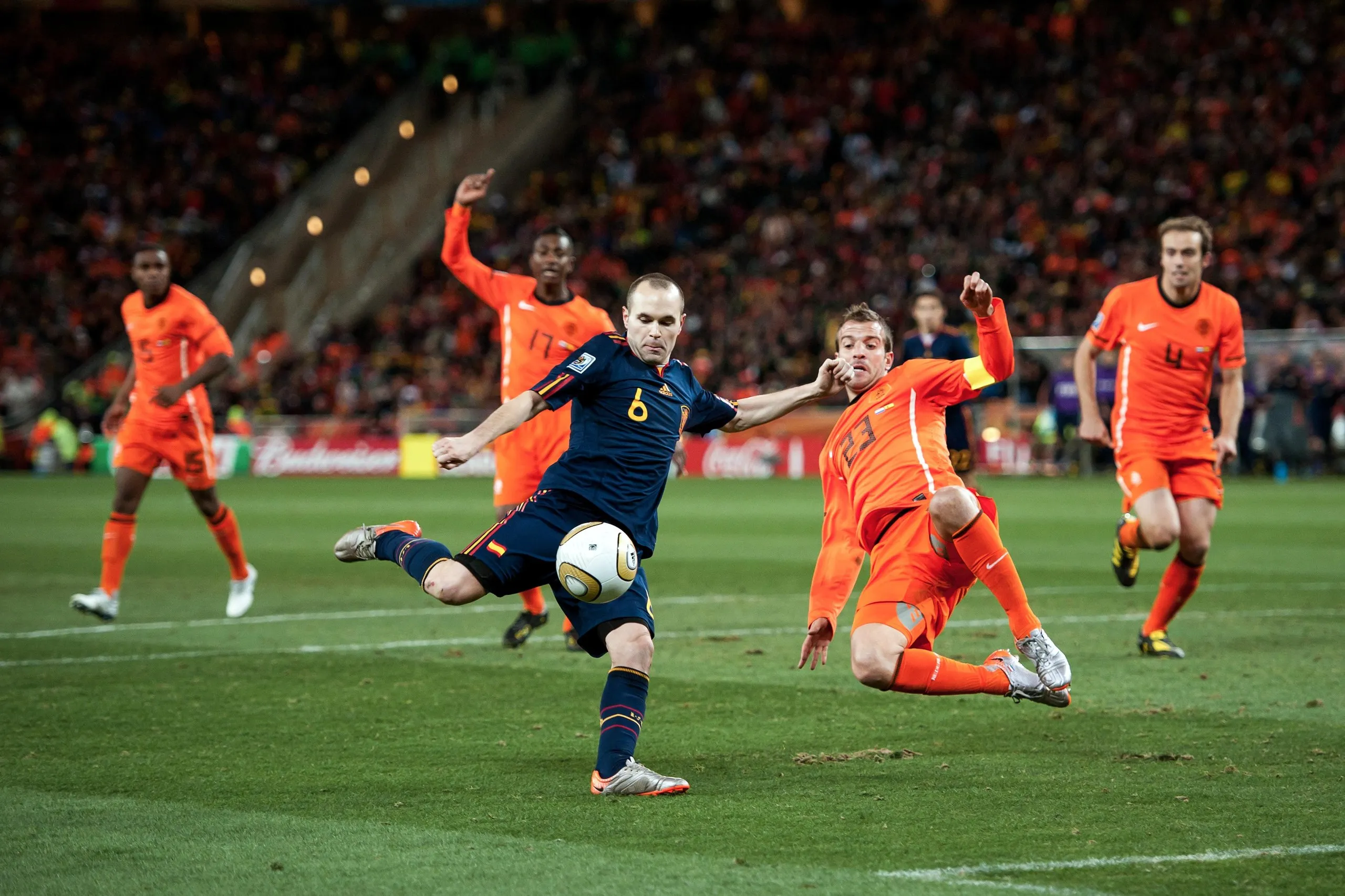
If Argentina secures victory, they will join the ranks of only three nations to win consecutive World Cups, the first in this century. Italy accomplished this feat in 1934 and 1938, while Brazil did it in 1958 and 1962. Should Spain emerge victorious, they would become the fourth men’s team to hold both the Euros and the World Cup simultaneously, following West Germany (1972, 1974), France (1998, 2000), and their own previous achievement of winning three major titles consecutively (Euro 2008, World Cup 2010, Euro 2012).
Offensive vs. Defensive Stats
Argentina leads all teams with a remarkable total of 19 goals scored, while Spain ranks fourth with 14. However, Spain boasts the best defensive record, having conceded just one goal, compared to Argentina’s seven.
Championship Rings for the Winners
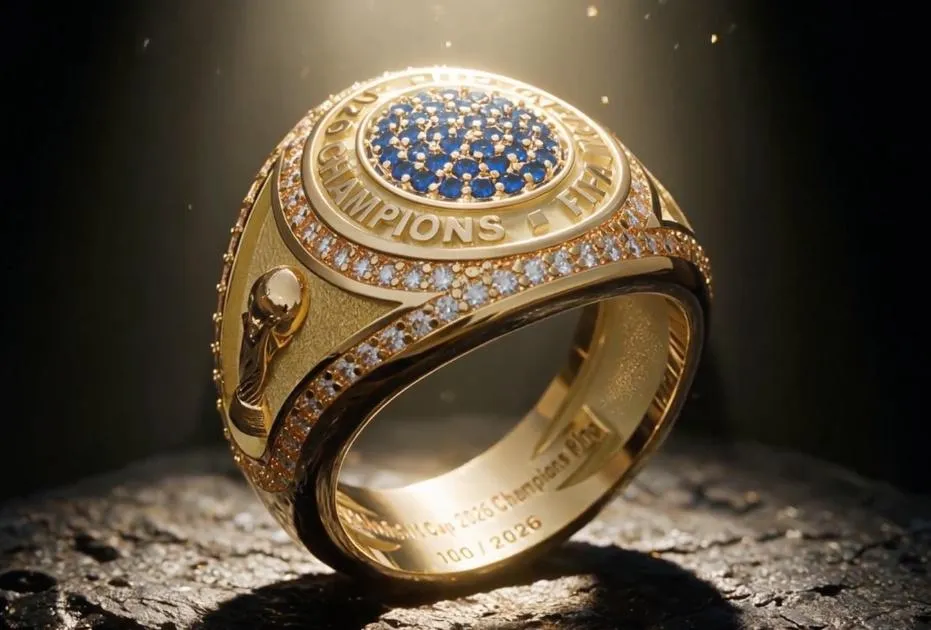
In addition to the match itself, the champions will receive commemorative rings. The tradition of presenting rings has been prevalent in the U.S. since the 1922 World Series. There are 30 rings available for the world champions, with another 1,996 set to be sold to the public. The ring design will feature a miniature World Cup trophy on one side, while the other side will reflect the winning team’s identity, as per FIFA’s announcement. Players and coaches of the victorious team will initially receive temporary rings while their customized versions are created for later presentation.
Cancelled Finalissima Match
The two teams were slated to face off earlier this year in the Finalissima in Qatar, with Argentina hoping to defend the title they won against Italy in 2022. However, the match was canceled due to the ongoing conflict in the Middle East. UEFA stated, “After much discussion between Uefa and the organising authorities in Qatar, we can announce that due to the current political situation in the region, the Finalissima cannot be played as hoped in Qatar on 27 March.” The teams failed to reach an agreement on an alternative date, leading to the match’s cancellation.
Unconventional Coaching Experience
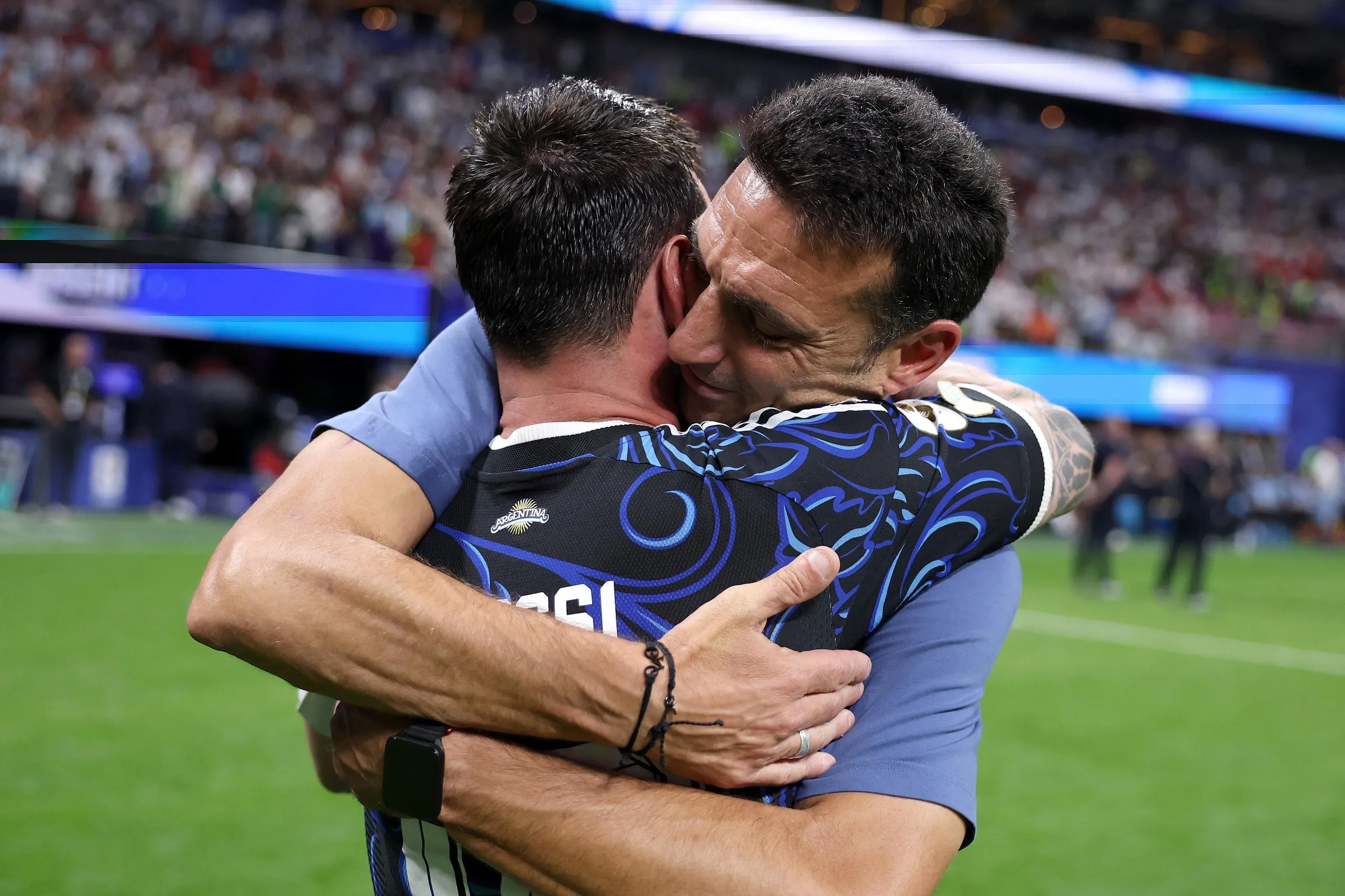
The upcoming final will showcase two managers who lack top-division club experience. Luis de la Fuente, who was dismissed after 11 games with third-division Alavés, has been coaching Spain across various age groups since 2013. Meanwhile, Lionel Scaloni’s managerial experience is primarily with the Argentinian national team, aside from a brief stint with the Under-20s. Despite their limited club backgrounds, both coaches have achieved significant success, having won the Euros, Copa América, and World Cup between them, demonstrating that elite club experience is not a prerequisite for international management.
Fatigue Factors
Beyond the extra day of rest, Spain may benefit from being less fatigued overall, having completed all their matches within regulation time. In contrast, Argentina has played two matches that required extra time, logging a total of 794 minutes compared to Spain’s 717. Argentina faced similar challenges in Qatar, where they also played an additional 30 minutes in the quarter-finals. The question remains whether a squad largely aging over four years will possess enough stamina.
Outdoor Conditions
Although temperatures are expected to be manageable, an air-quality alert was issued by the National Weather Service due to wildfire smoke from Canada. The New York Office of Emergency Management reported that air-quality levels in the city had reached “very unhealthy” levels on Thursday, though conditions have since improved. Spain has largely avoided such environmental concerns during their campaign, having played only one out of seven matches in a fully outdoor stadium. Conversely, Argentina has played outdoors three times, including two instances where temperatures soared to 32°C.
World Cup Encounters
The two teams have met once before in World Cup history, with Argentina claiming a 2-1 victory in 1966. Luis Artime netted both goals for the South Americans.
- World Cup 2026
- World Cup
- Argentina
- Spain
- features