


This article is part of the 2026 World Cup Experts’ Network, a collaboration among leading media organizations from the 48 qualified nations. The tournament is set to commence on June 11, with previews from three countries published daily.
Spain’s Ambitions
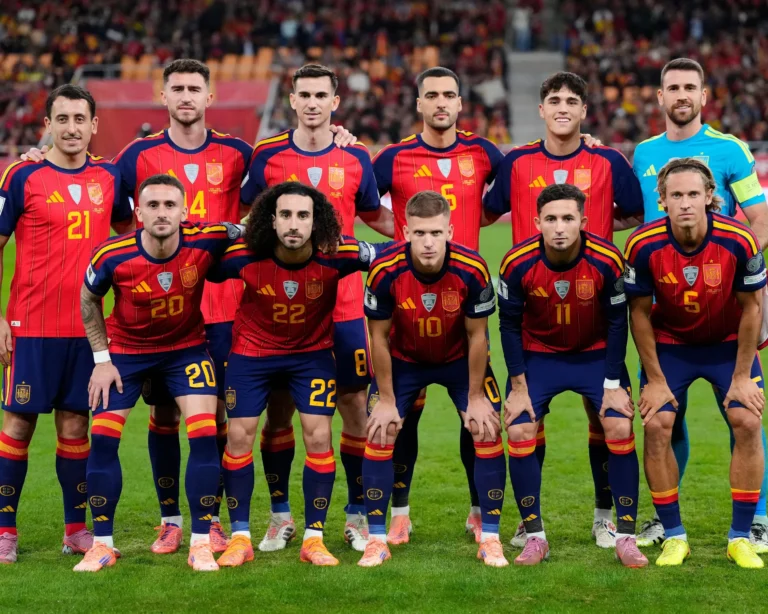
Spain emerges as one of the top contenders for the upcoming World Cup in North America, bolstered by a squad selected by Luis de la Fuente that underscores this expectation. The coach has assembled a well-rounded and competitive team that adheres to a style of football historically linked to their success. Having previously claimed the European championship, the team is eager to add a second star to their crest.
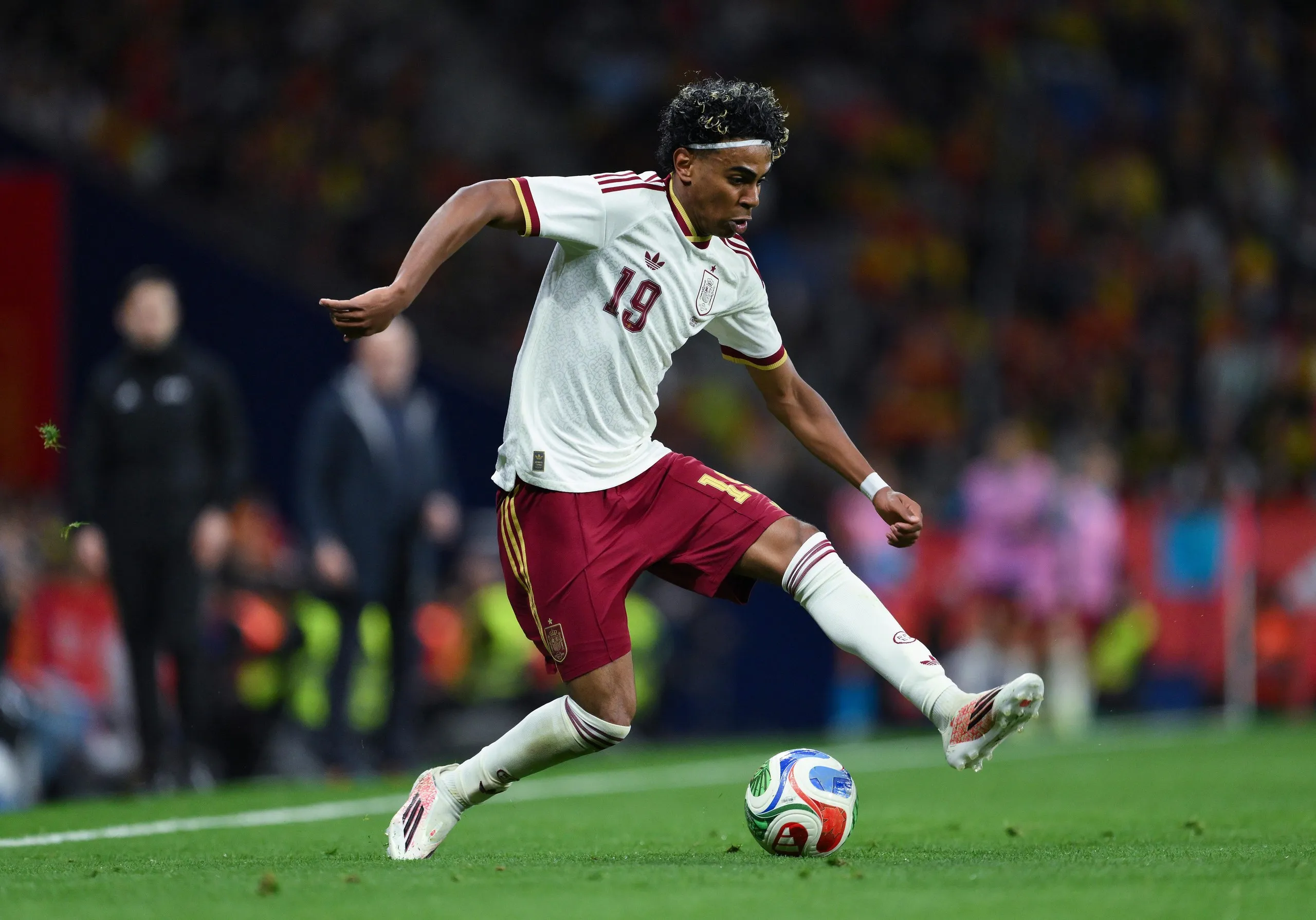
Barcelona’s Lamine Yamal has attracted significant media attention, with his creativity and flair elevating Spain’s attacking presence. Alongside him, Nico Williams had regained form late in the season at Athletic Club before suffering a hamstring setback. Both players shone during Euro 2024, bringing vibrancy to a squad that is accustomed to dominating possession. De la Fuente acknowledged, “Do we think we’re favourites? Yes. Can we win the World Cup? Yes. But that doesn’t guarantee anything,”
However, both Yamal and Williams may be sidelined for the opening match against Cape Verde, as Yamal is also dealing with a hamstring issue. Nevertheless, they are expected to be fit for the latter part of the group stage.
Spain boasts depth throughout its roster, as they prepare to face Uruguay, Saudi Arabia, and Cape Verde in the group stage. In goal, De la Fuente faces a pleasant dilemma, with the regular starter, Unai Simón, challenged by David Raya and Joan García, both of whom have had standout seasons with Arsenal and Barcelona. In defense, Eric García has returned after establishing himself as a reliable player at Barça. The midfield remains the crown jewel of the squad, featuring talents like Pedri, Gavi, and Martín Zubimendi, who all exemplify a possession-oriented playing style, complemented by the prowess of Rodri and Fabián Ruiz.
With the added creativity of Yamal and Williams, along with the goal-scoring ability of Mikel Oyarzabal—a forward known for rising to the occasion—Spain’s offense should be formidable, supported by Ferran Torres and Borja Iglesias. The team netted 21 goals in six qualifying matches, securing five victories and a draw. De la Fuente has crafted an ideal mix of youthful energy and seasoned experience, alongside remarkable talent and ambition.
Coaching Strategy
Luis de la Fuente has successfully molded Spain into a tenacious and cohesive unit. His tactical approach balances the traditional possession game with increased directness and flexibility. Renowned for his communication and management skills, he fosters a competitive atmosphere within the team. Under his guidance, La Roja clinched their third European title in 2024, showcasing impressive football, and he has made bold decisions for this World Cup squad, notably excluding Real Madrid players for the first time. “I don’t look at whether they come from one club or another. They’re all Spain players,” he stated.
Highlight Player
Lamine Yamal is set to captivate fans at his inaugural World Cup. The young talent will turn 19 on July 13, just a day before the semi-finals kick off, and his extraordinary abilities mean he carries the aspirations of a nation. A lively and imaginative winger, Yamal plays with the joy of a casual game but has emerged as a natural leader within the national squad. He played a pivotal role in the Euro 2024 victory and now steps onto the global stage. Although a muscle issue has affected the conclusion of his season at Barcelona, his capacity to perform under pressure remains unquestioned.
Emerging Talent
Víctor Muñoz’s inclusion in De la Fuente’s roster has raised eyebrows. The 22-year-old winger has had a breakout season at Osasuna after leaving Real Madrid, who retain 50% rights to him. Clocking in at 35 km/h this season, he ranks among the fastest players in La Liga and makes perilous runs behind defenses. A direct dribbler, Muñoz has the potential to significantly impact games off the bench this summer, having scored on his debut in March during a 3-0 victory over Serbia.
Key Contributor
Eric García often goes unnoticed in the headlines. The former Manchester City defender has quietly excelled at Barcelona, becoming a crucial player for Hansi Flick thanks to his intelligence and poise in ball distribution. At 25, García has matured into a leader, often orchestrating play from the back line or midfield. His reliability has paid off, as this marks his first inclusion in the Spain squad since 2022. “Since then I had to work a lot, without making noise, to be better,” he remarked.
Projected Starting Lineup
Fan Engagement at Matches
Spanish supporters typically travel in large numbers to significant tournaments, drawn by the team’s appealing style and recent achievements. Fans can often be seen donning bullfighter attire or waving flags featuring bulls, symbols that, while not fully representative of Spain’s diversity, accompany the national team and form part of its cultural identity. Manolo ‘el del bombo’ (the man with the drum) was a constant presence at tournaments, and despite his passing last year, fans continue to beat drums in his memory.
Political Context
The relationship between Spain and the United States is currently strained. Prime Minister Pedro Sánchez has been vocal in his opposition to Donald Trump’s military actions in Iran and has denied permission for the U.S. to utilize military bases in Spain for such operations. Trump responded by criticizing Spain, even threatening to halt trade. Despite these tensions, the enthusiasm of traveling supporters is unlikely to wane, and neither players nor the football federation have commented on the issue. However, there have been complaints regarding ticket prices and travel expenses, as well as concerns about the U.S.’s ongoing involvement in Iran and its alliance with Israel in Gaza.
- World Cup 2026: Guardian Experts’ Network
- Spain
- World Cup 2026
- World Cup
- features