


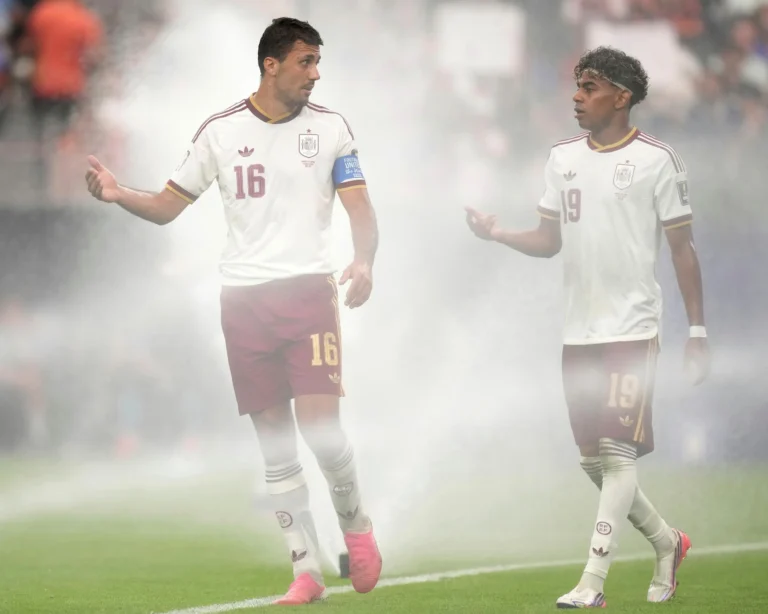
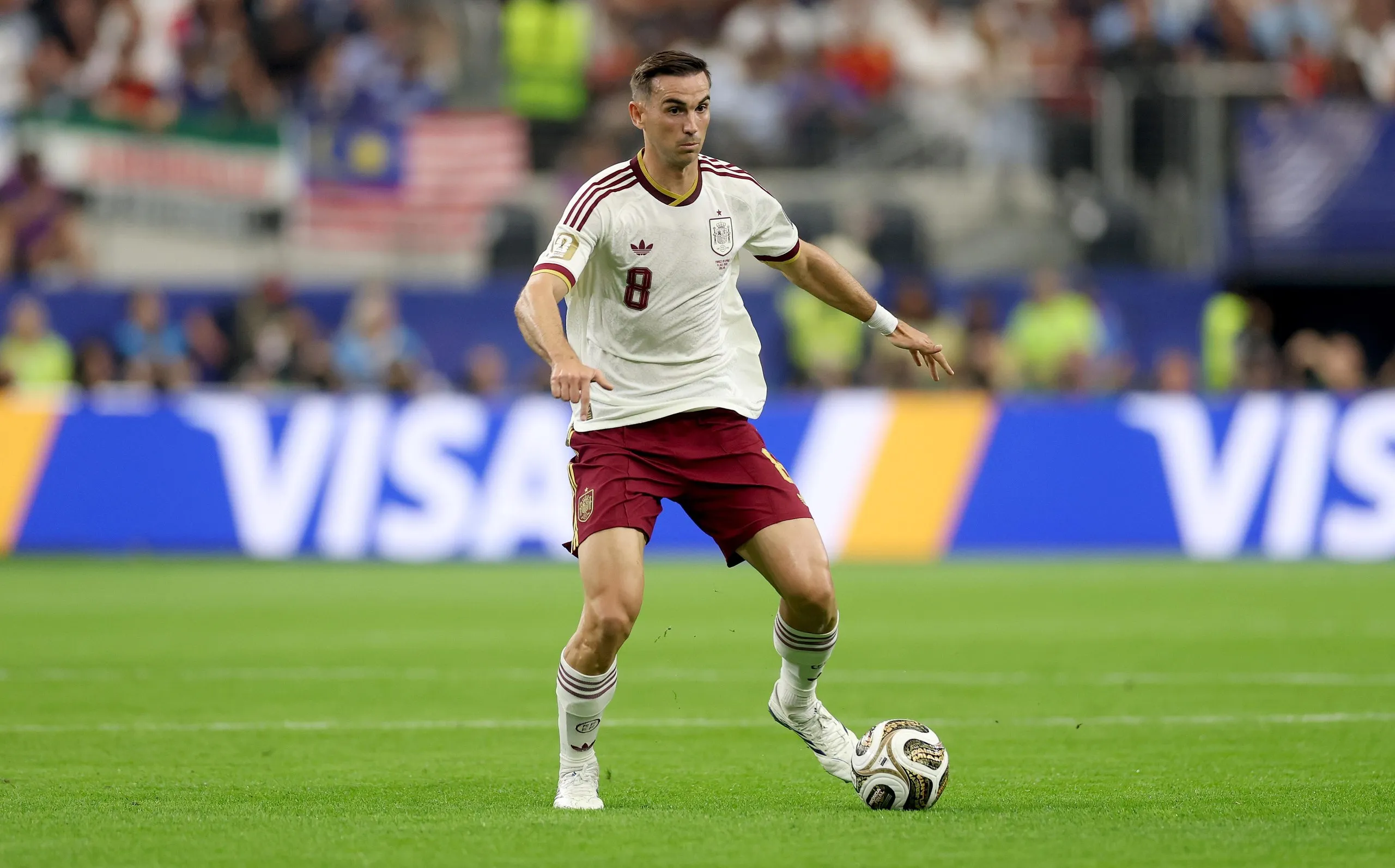
In English football, there is often an overemphasis on individual players. However, the game fundamentally revolves around teamwork. Spain’s impressive performance in the semi-final against France showcased this philosophy, emphasizing their mastery of space, timing, and fundamental principles. This collective approach is why Spain stands as one of the top teams globally, and I believe they are poised to claim the World Cup title on Sunday.
The focus is not solely on standout players like Rodri, Lamine Yamal, or Pedri. Instead, it is the entire midfield unit that plays a pivotal role. Spain has ingrained the ability to achieve positional and numerical advantages from a young age, making them experts in manipulating time and space on the pitch. Against France, their cultural understanding translated into frequent moments of numerical superiority, often creating four-versus-two scenarios in critical areas.
As the final approaches, expect to read accolades about Rodri’s status as one of the best players globally. While it is true that he possesses exceptional technical, tactical, and psychological skills, these attributes alone do not account for Spain’s success. Reflect on the Euro 2024 final; when Rodri left the game at halftime, Martín Zubimendi stepped in, and the team’s control remained intact. This consistency stems from a well-established methodology that has developed over years, rather than relying on individual brilliance or frequent managerial changes.
How has Spain achieved this? Each player, regardless of gender, is nurtured through a system grounded in a shared philosophy that emphasizes a clear methodology. The development of their playing principles is structured to prepare them for the highest levels of competition. It begins with a fundamental 4-3-3 formation that serves as a foundation across all age groups, while still allowing for positional flexibility. For example, in 2024, they utilized a traditional No. 9 in Álvaro Morata, while this summer saw the effective use of a false 9 in Mikel Oyarzabal, who operates excellently between the lines. This adaptability has proven successful in both scenarios.
Spain’s approach is deeply rooted in the football culture established during Johan Cruyff’s era at Barcelona, and it has become a hallmark of their national teams, outperforming others in both men’s and women’s football. This commitment to collective development has led them to a record nine Under-17 Euros titles, appearances in the last three Under-19 European finals, and a joint record of five Under-21 Euros victories. The women’s teams mirror this success with eight Under-19 women’s Euros trophies, seven of which were won since 2017, including five consecutive titles. In Spain, it is mandated by law for athletes to accept national call-ups at all levels, a practice not universally followed in many countries. This commitment to youth national teams is crucial for fostering players’ understanding of their roles under pressure in significant tournaments.
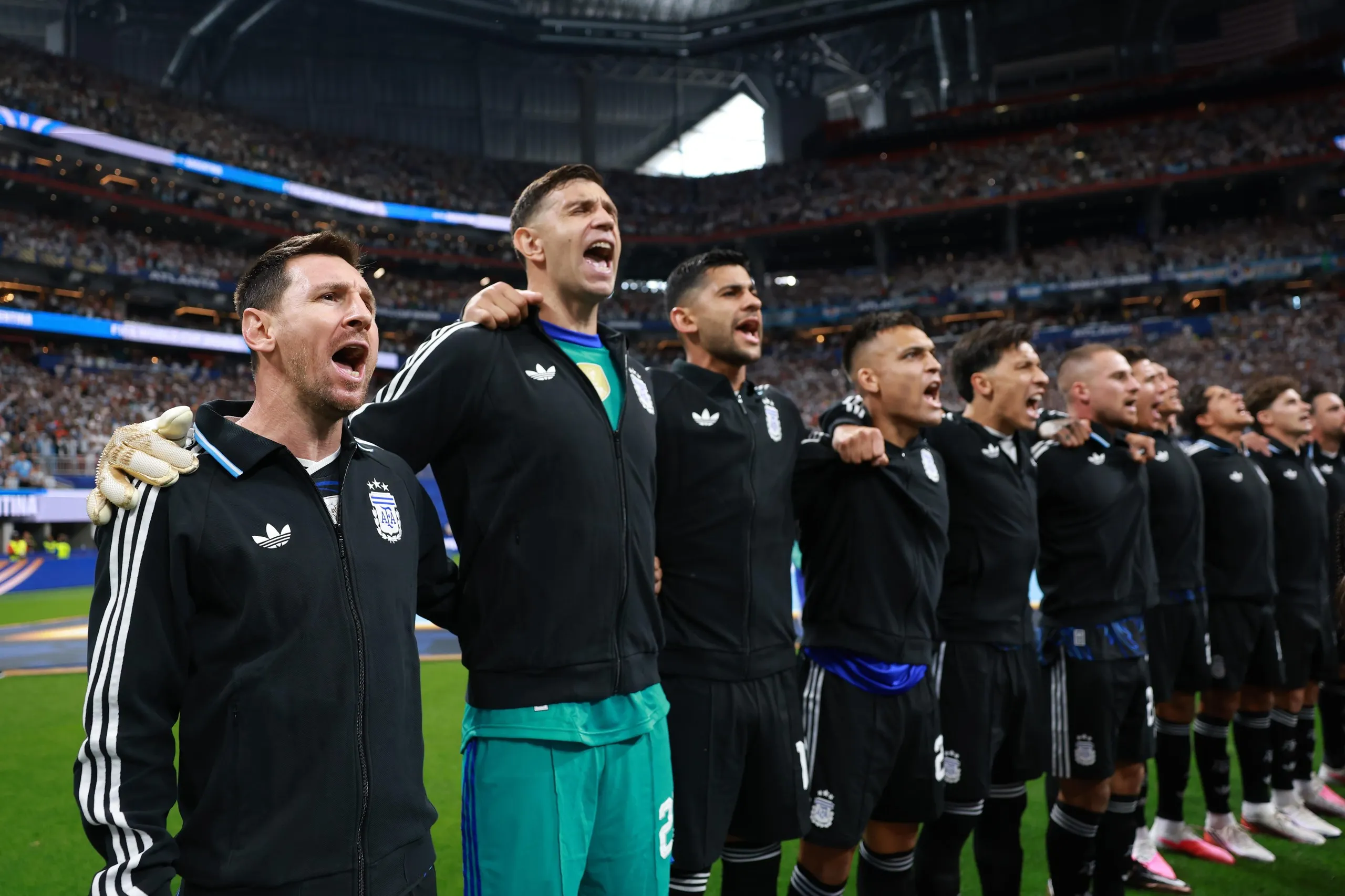
Argentina embodies a different kind of collective spirit. I resonated with the insights shared by sports psychologist Daniel Abrahams recently, who noted that Argentina “How can we create a positional advantage with rotation?” and display an aggressive style during matches. Their willingness to push boundaries, combined with a fierce passion for one another, creates an environment devoid of anxiety, allowing them to compete with fervor and determination.
The challenge of cultivating such a collective mindset is significant. The level of commitment, the bonds formed within the team, and the connection with their fans are unparalleled in the sporting world. Their manager emphasizes their resilience in the face of adversity, characterizing the team as warriors of international football. This mentality ensures they remain competitive in any match, even when they do not dominate possession, and they will fight until the final whistle.
Spain excels at manipulating the ball, shifting it across the pitch to reposition midfielders and exploit targeted zones. Some might think a man-for-man strategy against Spain could succeed, but that is not the case. They are adept at withstanding pressure and breaking through it, showing that they have evolved as a team. They are not hesitant to play long, direct passes into open spaces, showcasing their versatility. They stand as the best team in the world, and I reaffirm my belief that they are favorites for this championship.
For England, watching the final will undoubtedly evoke painful reflections. The question arises: why can’t we make that final leap? Is it rooted in our social and cultural fabric? I contend that the answer lies within the mental aspects of the game. At elite levels, one must train their mental faculties just as rigorously as their physical abilities to ensure that emotions do not hinder performance under pressure. We must ponder why Argentina consistently excels in crucial moments while we do not.
This issue transcends tactics and substitutions. It is shortsighted to focus solely on these aspects immediately following a semi-final loss. In the long run, we must explore the psychological barriers that our nation has yet to confront in order to overcome this hurdle. All stakeholders—players, coaches, fans, media, and clubs—must reflect on their roles in this collective effort.
Argentina’s unwavering belief in each other has been a cornerstone of their success. They maintain an unbreakable bond and refrain from casting blame or fault on individuals. Our instinct is often to highlight flaws or praise singular achievements. We must embrace the notion that victories and defeats are collective experiences.
This understanding is why both Argentina and Spain have reached the final. They represent two nations with a profound clarity of identity and the strongest collective teams in the tournament.
- Spain
- Argentina
- World Cup 2026
- World Cup
- comment