


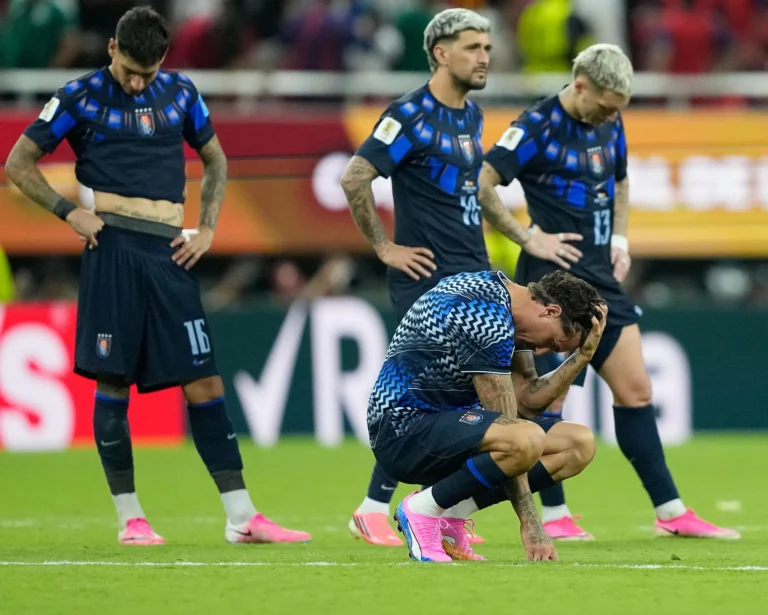
Uruguay has once again faced an early exit from the World Cup, culminating in frustration marked by a red card and sideline disputes. A banner in Guadalajara read, “It’s my responsibility; we had a potential that I didn’t manage to turn into a team that played to its level,” but this reality turned into a recurring nightmare for the team. With a disjointed performance, they managed only a pair of shots on target, neither threatening, and both arriving late in the match against Spain.
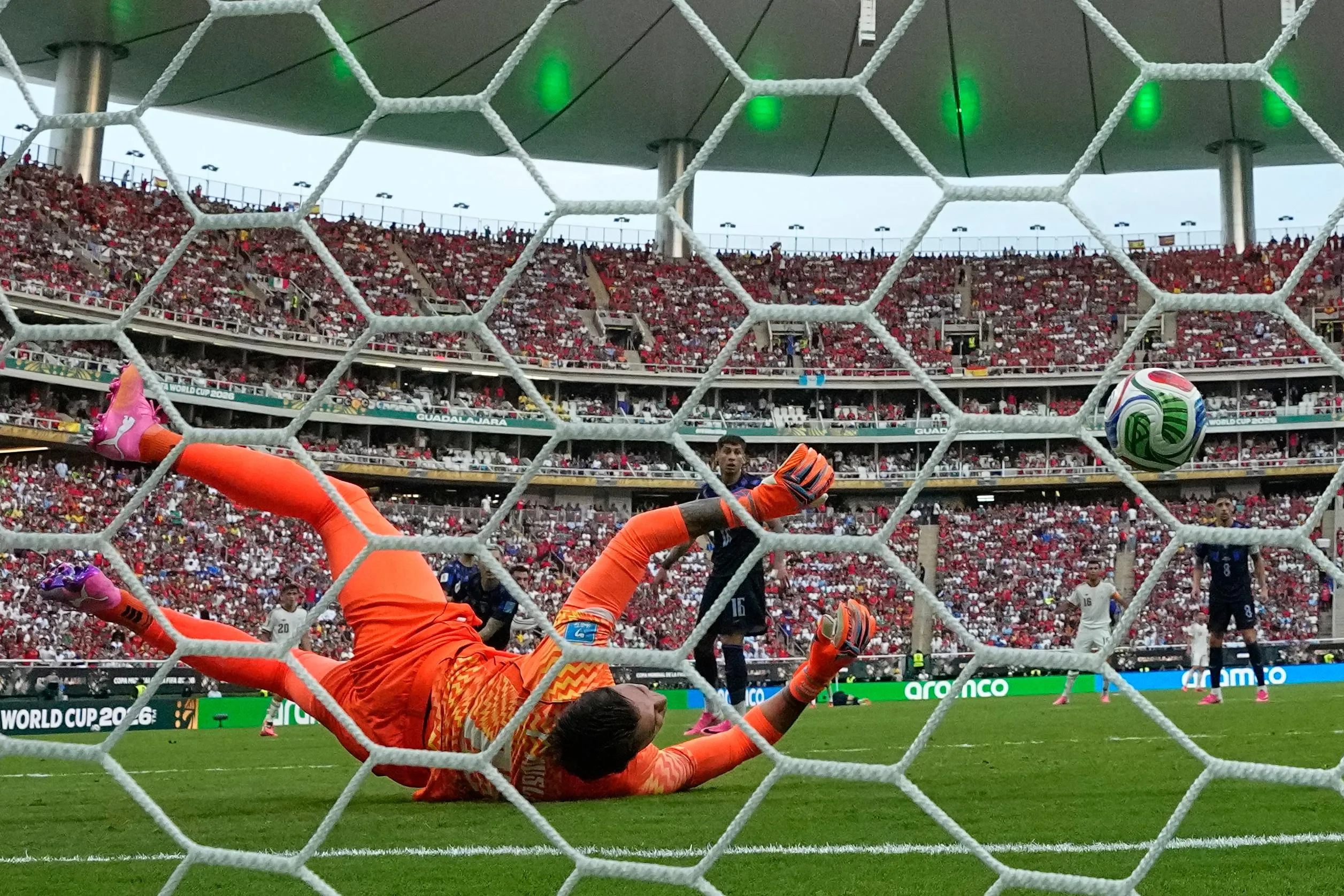
In contrast, Spain also struggled offensively, recording just one shot on target. However, a significant blunder by 40-year-old goalkeeper Fernando Muslera allowed Álex Baena’s attempt to find the back of the net just before halftime. While Uruguay fought hard, their lack of cohesive football led to their downfall. For the second consecutive World Cup, they failed to advance from the group stage, and this time, the shortcomings against less formidable opponents called for deeper scrutiny.
“Maybe they used excessive [force] but that is what the referees are there for. You have to know how to play these kids of games too; the players understood the circumstances,”
said Marcelo Bielsa. Muslera requested to be substituted at halftime, marking the premature end of his World Cup journey, but the blame for this failure lay collectively with the team. Federico Valverde was also taken off against his wishes during the game, visibly frustrated as he left the pitch, expressing his dissatisfaction with the team’s disappointing World Cup performance. As the match concluded, the crowd in Guadalajara chanted the name of Cape Verde, the nation that had outperformed Uruguay to secure a spot in the next round.
In the first half, Uruguay made life challenging for Spain, who appeared unsettled. Their efforts were driven more by aggression than skill, with early mistakes on both sides. Unai Simón dropped a cross, and Baena’s poor pass nearly allowed Manuel Ugarte to set up Valverde. These moments sparked a flicker of hope for Uruguay, as Darwin Núñez attempted a back-heel in front of the goal, and Ugarte’s long-range effort sailed over the bar.
However, Uruguay’s momentum was fleeting, and disaster struck again. The goal that decided the match in the 42nd minute epitomized the self-inflicted wounds that have marred their World Cup campaign.
The sequence began with Ugarte falling while trying to dispossess Pedri. Although teammates urged Spain to halt play, there was no obligation to do so in this physical contest. The Spanish team pushed forward, culminating in Lamine Yamal getting fouled, but Marcos Llorente quickly retrieved the ball, crossing it to Baena. The shot, taken on the turn, should have been routine for Muslera, but the goalkeeper, who had previously retired only to return, allowed the ball to slip through his fingers and into the net.
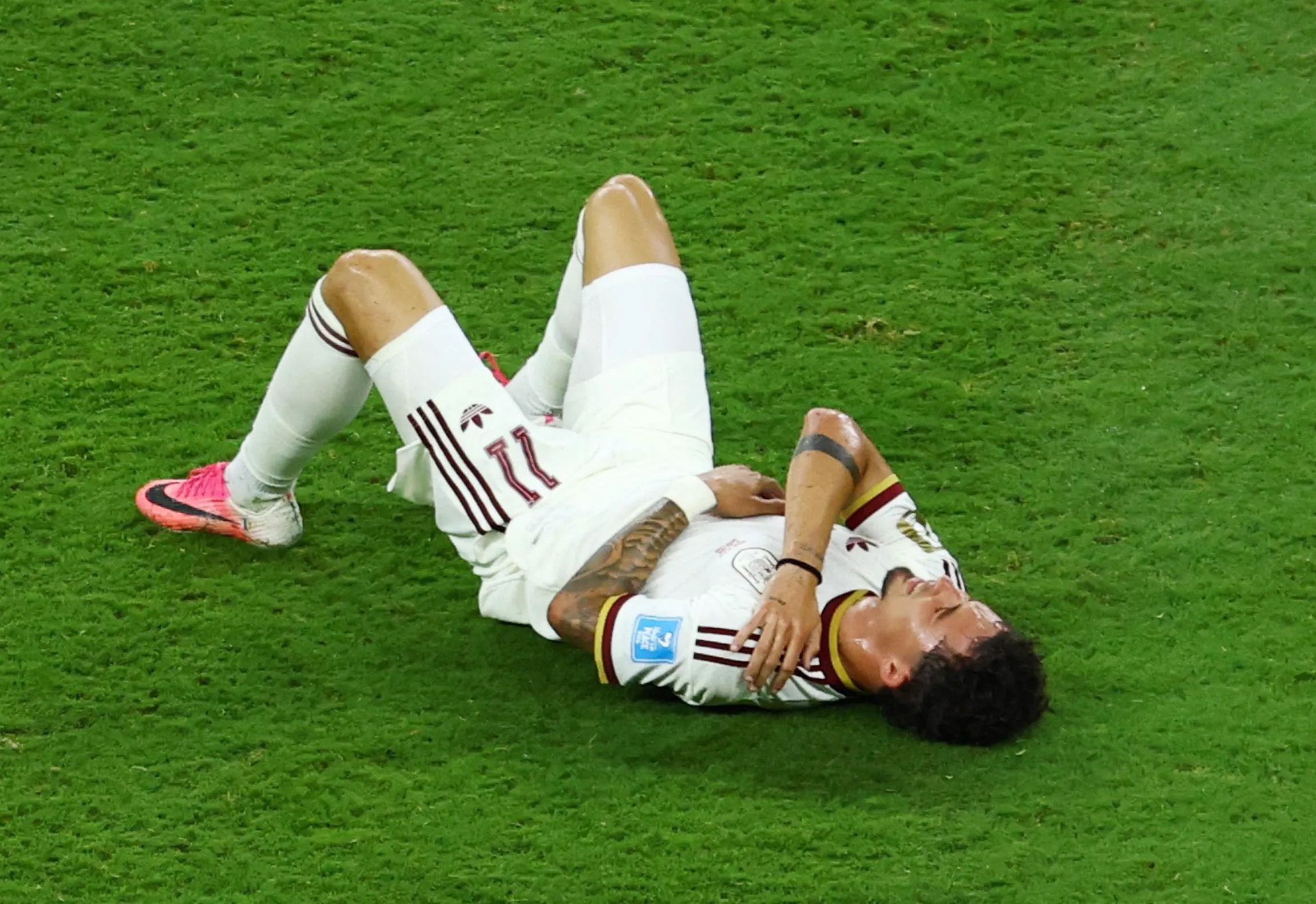
Muslera did not return for the second half, marking a somber and humiliating conclusion to his national team career. Ugarte also left the field due to injury, and his departure further diminished Uruguay’s chances, highlighting the tragic nature of their exit. This moment encapsulated their tournament experience, marred by unfortunate outcomes.
Uruguay attempted to press Spain, but their limitations were evident as time slipped away. They did not register a shot on target until Mathías Olivera’s attempt in the 83rd minute raised questions about its intent. When Nicolás de la Cruz scored two minutes later from distance, it was easily saved. Shortly after, Ferran Torres had a golden opportunity but struck the crossbar. Ultimately, Spain’s solitary goal was sufficient.
As the match wore on, Uruguay received a red card after Canobbio’s reckless challenge, which could have been issued earlier. Tensions rose on the sidelines, but the game and Uruguay’s World Cup aspirations were as good as over, with Bielsa observing the disheartening end from his seat.
- World Cup 2026
- Spain
- Uruguay
- World Cup
- match reports