


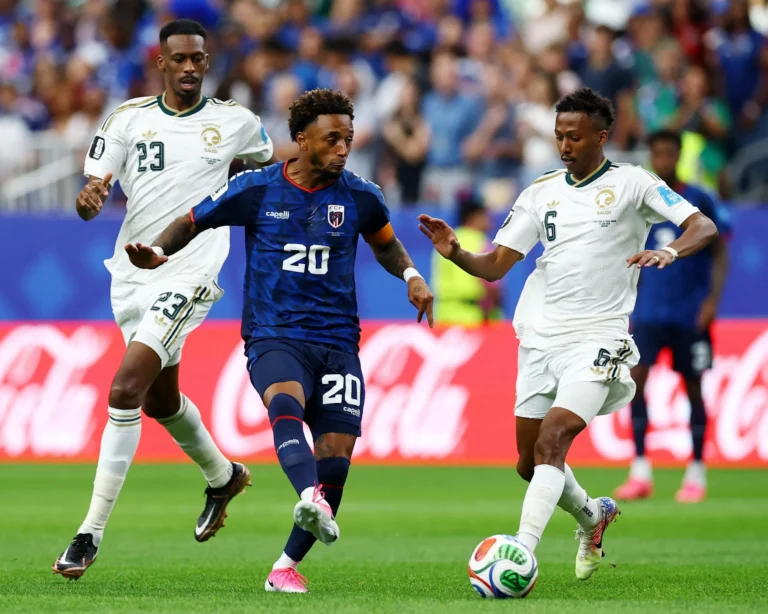
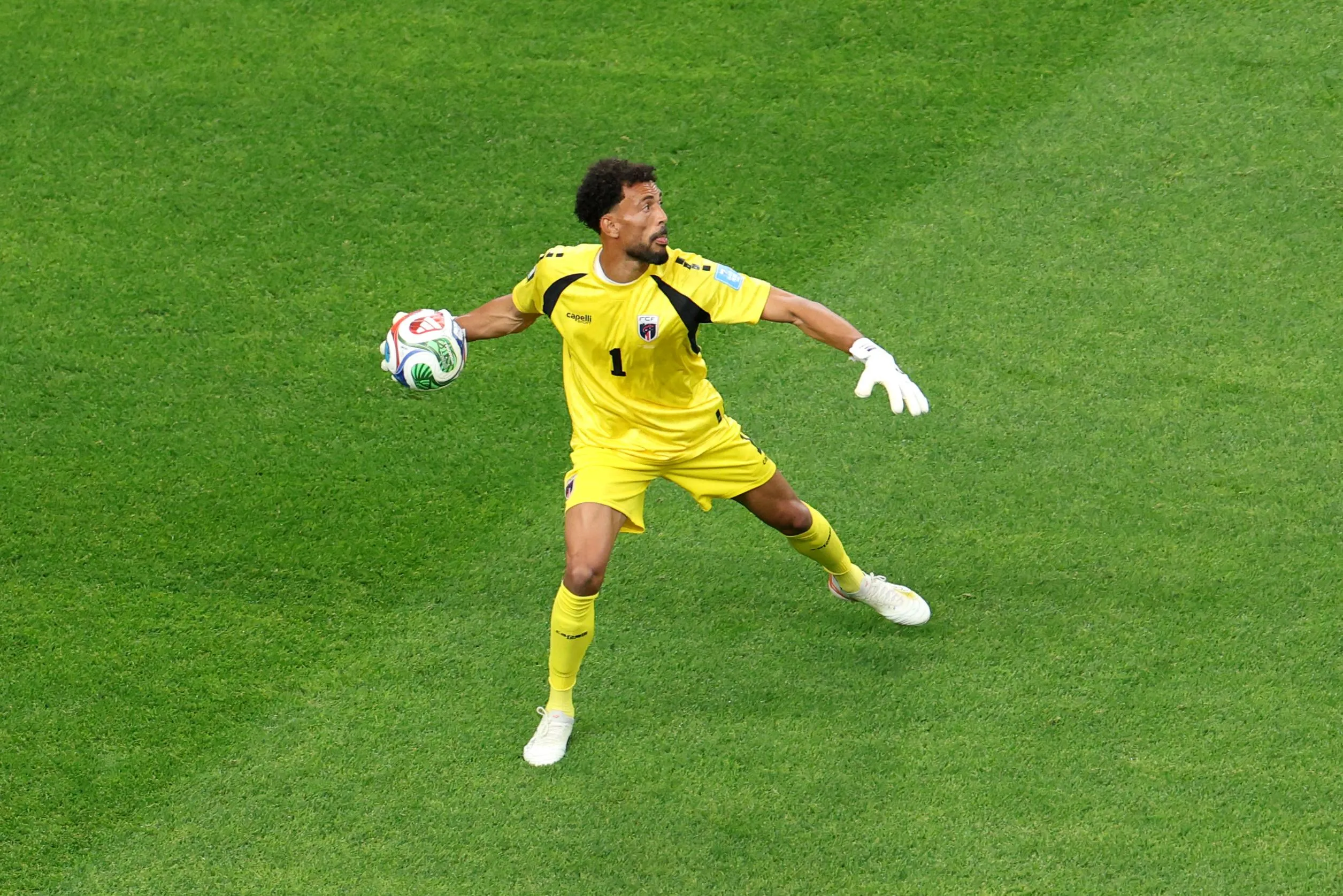
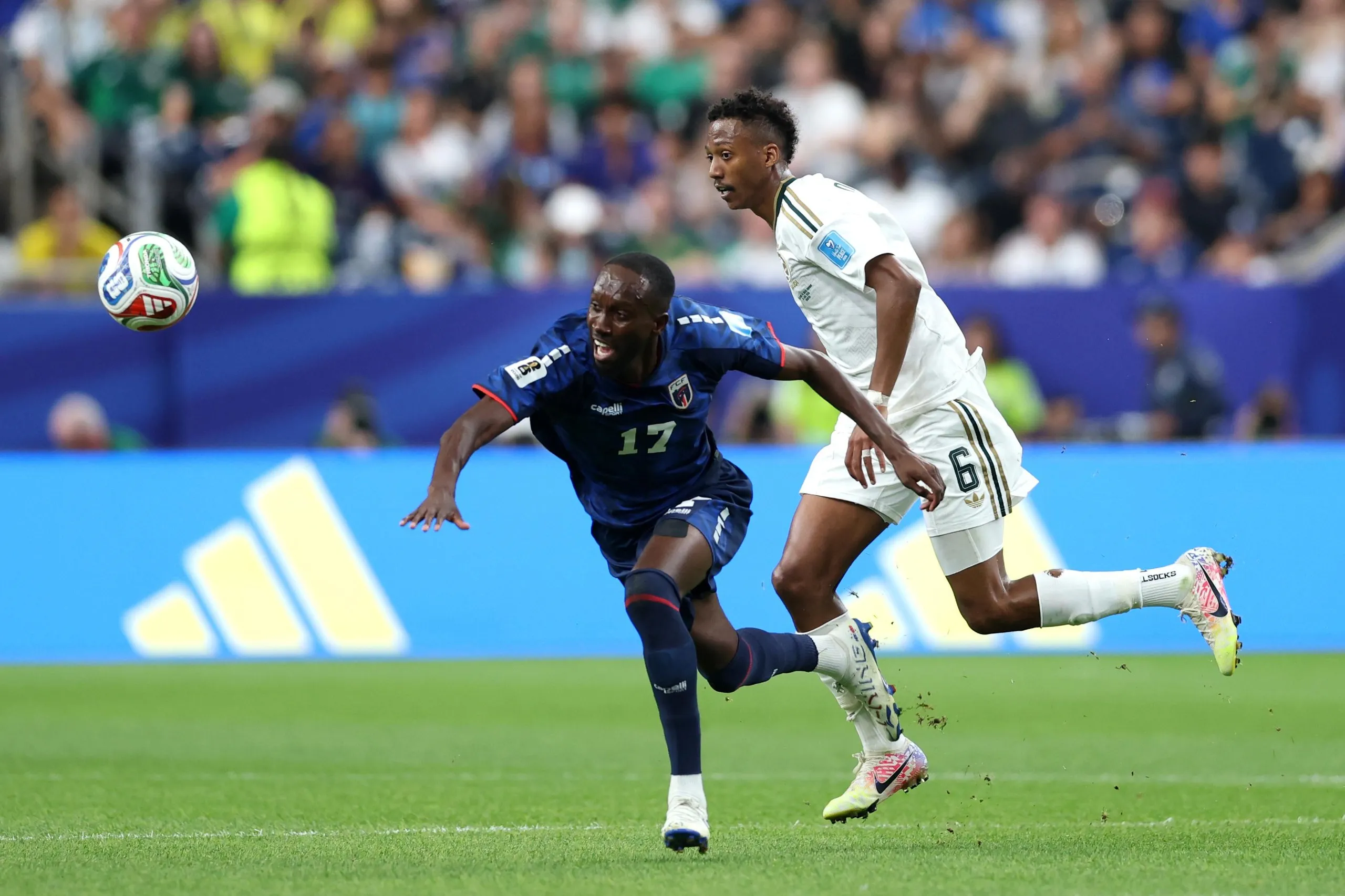
In a tightly contested World Cup 2026 match, Cape Verde made notable substitutions in the second half, particularly with the exit of Willy Semedo, who had dominated the pitch with his performance. His departure, along with Livramento, brought in Nuno da Costa and Hélio Varela, the latter being the scorer of the equalizing goal against Uruguay.
As the game progressed, both teams struggled with ball control, characterized by erratic giveaways. Despite the stakes, Cape Verde’s industriousness was evident, though the match lacked the flair to impress extraterrestrial observers.
Vozinha initiated a long pass, but while Saudi Arabia managed to win it in the air, they quickly surrendered possession again. The Saudi team was in dire need of a goal, and their attempts to regain control of the match were met with mixed success.
Willy Semedo, having earned a corner kick earlier, watched as his teammates attempted to capitalize on the opportunity. Deroy Duarte tried his luck with a long-range shot, but it failed to hit the target.
Saudi Arabia’s passing game seemed disjointed, struggling to connect more than two passes at a time. In contrast, Cape Verde displayed fluid passing, relinquishing the ball only when it posed little threat to their opponents.
Opportunities arose for Cape Verde as they pushed forward, with Monteiro coming close on multiple occasions. However, the precision of their passes often left much to be desired.
In a shift of momentum, Saudi Arabia managed a prolonged possession, but Vozinha’s quick reflexes nearly got tested as he almost lost the ball at his feet.
Kevin Pina took a shot from distance that soared just over the bar, while Monteiro’s effort lacked the necessary power. Notably, the match’s implications extended beyond the field, with Scotland also hoping for a specific outcome from this game.
Saudi Arabia earned an early corner after the break, followed by a substitution that saw Musab Al-Juwayr replace Al-Khaibari, signaling a potential shift towards a more aggressive attack.
As the first half concluded, only a single shot on target was recorded, a testament to both teams’ struggle to find the back of the net. Cape Verde, however, showcased a commendable performance, particularly in the final minutes.
In the closing moments of the first half, a momentary lapse allowed Salem some space, but Cape Verde quickly regained their composure. They launched an ambitious long ball that ultimately drifted into the hands of Al-Owais.
During the halftime break, fans were treated to glimpses of Cape Verde’s enthusiastic supporters, while the game continued to unfold with tension.
As the match resumed, Cape Verde’s offensive efforts were met with a mix of success and frustration, as they continued to press Saudi Arabia.
In the 39th minute, Cape Verde earned a corner that was knocked out by Saudi Arabia, only for VAR to intervene and determine it was a goal kick, confirming the referee’s decision.
The Blue Sharks pressed hard in the latter stages, forcing a corner kick that demonstrated their growing confidence on the field.
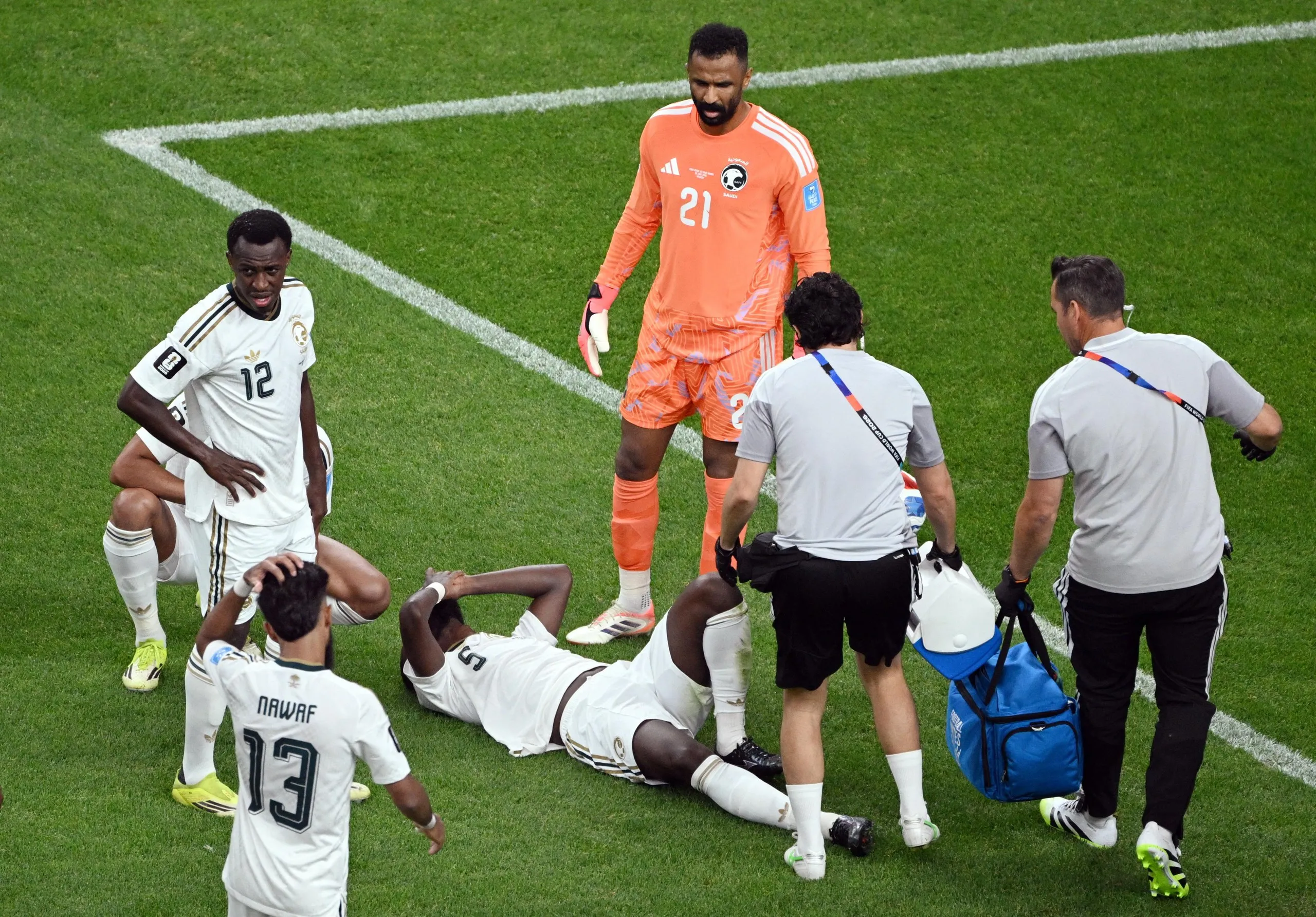
With a long period of treatment for an injury to Al-Tambakti, Cape Verde took advantage of the stoppage to regroup. Ali Lajami stepped in as a substitute for Al-Tambakti, as the match continued to unfold.
As the match statistics indicated, Saudi Arabia edged Cape Verde in expected goals, leading 0.06 to 0.02, highlighting the competitiveness of the encounter.
Willy Semedo earned a free kick just past midfield, showcasing his energetic debut for Cape Verde. His presence on the field was a bright spot in what had been a challenging match for both teams.
- World Cup 2026
- World Cup
- Cape Verde
- Saudi Arabia