


As the 2026 World Cup approaches its grand finale this Sunday, the co-hosting United States, which hosted 78 matches across 11 cities, reflects on its performance. With only two games left—the third-place match in Miami and the championship in East Rutherford, New Jersey—questions arise regarding the U.S. hosting experience in its second attempt.
The U.S. showcased impressive venues, where massive NFL stadiums attracted large crowds, generating an electrifying atmosphere despite lacking traditional charm. Although the stadiums were designed to amplify sound and engage fans, the infrastructure struggled to accommodate the sheer volume of attendees, leading to congestion in the concourses. Grade: B+
Transportation Challenges
The anticipated transportation hurdles became evident as the U.S. leaned heavily on automobile-centric infrastructure developed throughout the 20th century. While some cities enhanced public transport options with temporary bus services, others inadvertently increased costs for riders. Fans faced long delays both arriving at and departing from venues, resulting in frustrating experiences. Grade: D+
Affordability Issues
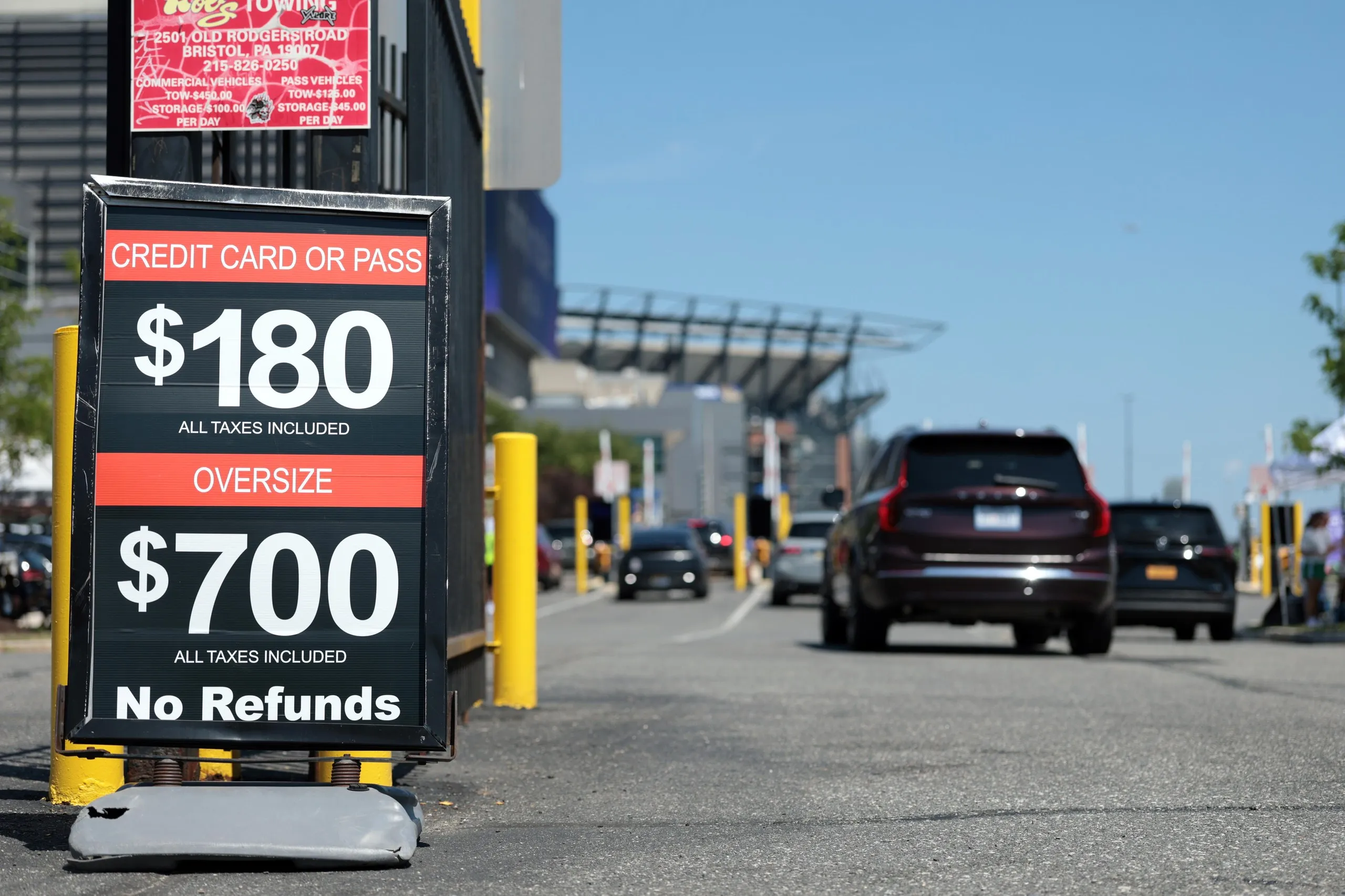
The exorbitant prices for tickets were hardly a surprise, following the trends set in previous World Cups. However, the 2026 event stood out as an anomaly in pricing, making attendance unattainable for many. FIFA acknowledged this unique opportunity to generate substantial revenue but warned that such inflated prices would not be feasible in future tournaments. This decision created a ripple effect, as local vendors and services adjusted their prices similarly, further alienating soccer enthusiasts. Grade: F
Hospitality Experiences
Despite the steep costs, displays of community spirit were heartwarming. Fans from around the globe bonded over drinks, sharing moments before and after matches, while FIFA’s volunteers offered friendly assistance in vibrant attire. However, not all attendees found the same level of hospitality. Several referees and team officials faced exclusion due to policies from the Trump administration, which also impacted fans from certain nations. The flimsy rationale behind these exclusions left many wondering how much richer the event could have been had accessibility matched that of the 1994 World Cup. Grade: A for community spirit, but F for the barriers imposed on fans.
City Atmosphere Beyond the Grounds
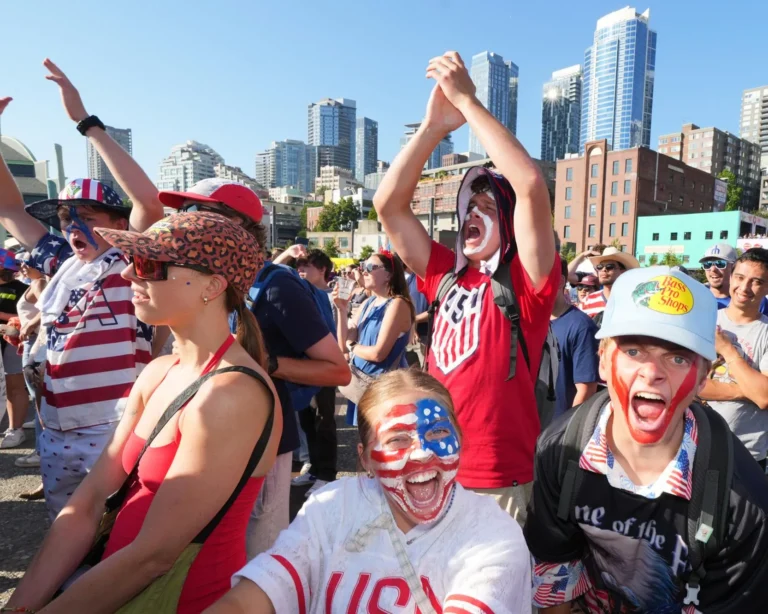
The disparity in urban atmospheres was notable, with cities like Seattle, Philadelphia, and Kansas City establishing themselves as vibrant soccer hubs. These locales fostered a festival-like atmosphere with community events, public viewing parties, and fan engagement. In contrast, cities such as Boston and the Bay Area either embraced their visitors or offered opportunities for local celebrations between matches. Conversely, areas far from the action struggled to capture the tournament’s excitement, leading to a sense of detachment among fans. Texas, despite having multiple host cities, seemed indifferent, with reports from Dallas and Houston conveying a lackluster vibe. Grade: B-
- World Cup 2026
- World Cup
- Football Politics
- Features