


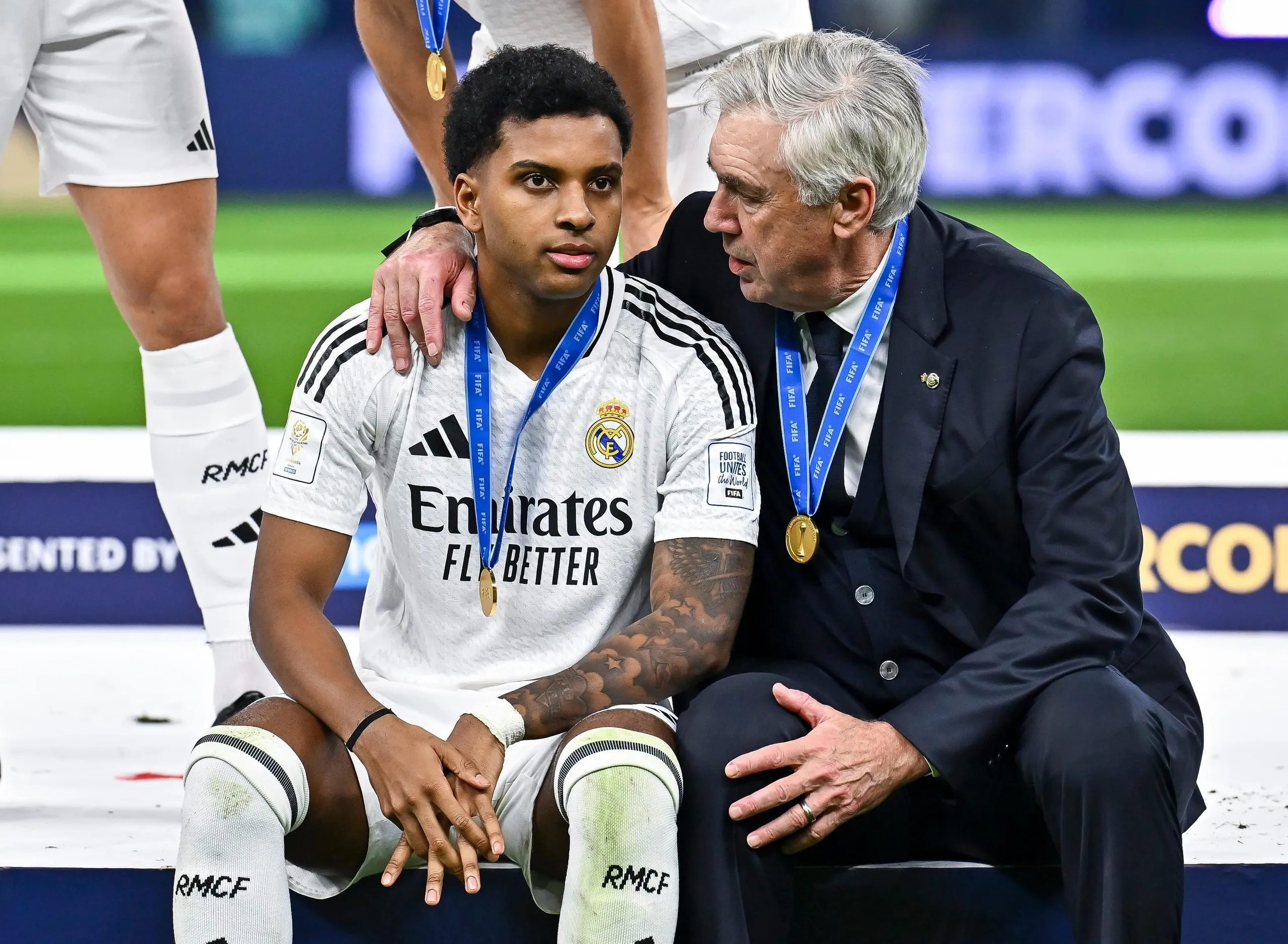
In the 2022 Champions League semi-final at the Santiago Bernabéu, with over 60,000 fans cheering and Manchester City ahead, Carlo Ancelotti summoned me from the sidelines. He instructed me to enter the match with aggression and take charge.
I stepped onto the field in the 68th minute. By the 90th, I had equalized, yet we still trailed on aggregate. After restarting, I struck again just a minute later, pushing us into extra time. We emerged victorious, adding another title after defeating Liverpool in the final. This moment underscores the critical role coaches play in a team’s journey and a player’s development, often performing vital tasks unnoticed by the public.
Having experienced Ancelotti’s coaching firsthand, I find his methods easier for players to grasp. The true dynamics of football often unfold behind closed doors, away from the cameras. Those outside the locker room may struggle to predict his decisions. It’s natural for observers to feel somewhat bewildered, as they often expect one strategy, only for him to surprise them with another.
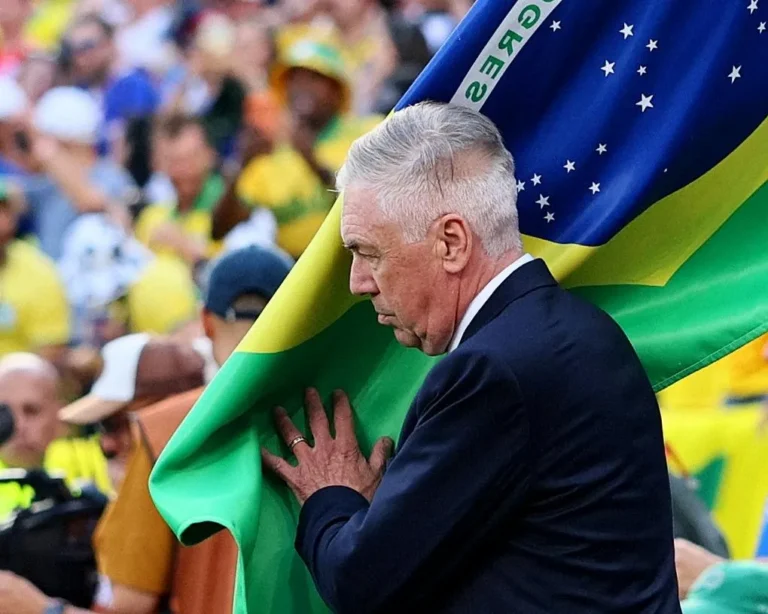
However, it’s crucial to recognize that his choices are always meticulously considered, reflecting a remarkable coherence that arises from his substantial tactical acumen and ability to manage group dynamics. As we gear up for Monday’s match against Japan, I anticipate that my fellow Brazilians, particularly those newly acquainted with his philosophy, will increasingly rally behind the Mister’s approach.
Ancelotti embodies a father figure for us. I have immense respect for him, both as a coach and as a person. He engages with us, offering advice on both football and life. I recently learned about a documentary series being made about Ancelotti, and I am certain it will be remarkable. The rise of social media, YouTube channels, and documentary filmmaking now provides greater insight into the inner workings of clubs and national teams, revealing aspects of football history that were once kept hidden or disclosed only in retrospective articles.
Nonetheless, numerous issues are resolved within the confines of locker rooms and meetings. It is within these private spaces that the true value of mentors becomes evident—through discussions about family life, addressing grievances, and offering steadfast guidance on the right path to follow.
I recall my first coach who recognized my potential aside from my father—Eric Goes, a former player who continues to inspire me. I was just six years old, playing with older kids in the streets of Osasco, a city in the São Paulo metropolitan area. These boys were more than twice my age and trained at a local youth academy, while I was still too young for enrollment.
One day, an academy coach paused to observe our street match, known as a “pelada.” After we had exhausted ourselves on that makeshift pitch, he called me over, snapped my photo, and registered me for the municipal tournament representing the neighborhood team, despite my being half the age of the other players. That moment made me realize my father’s belief: to succeed, I needed to face the toughest opponents and triumph over the best.
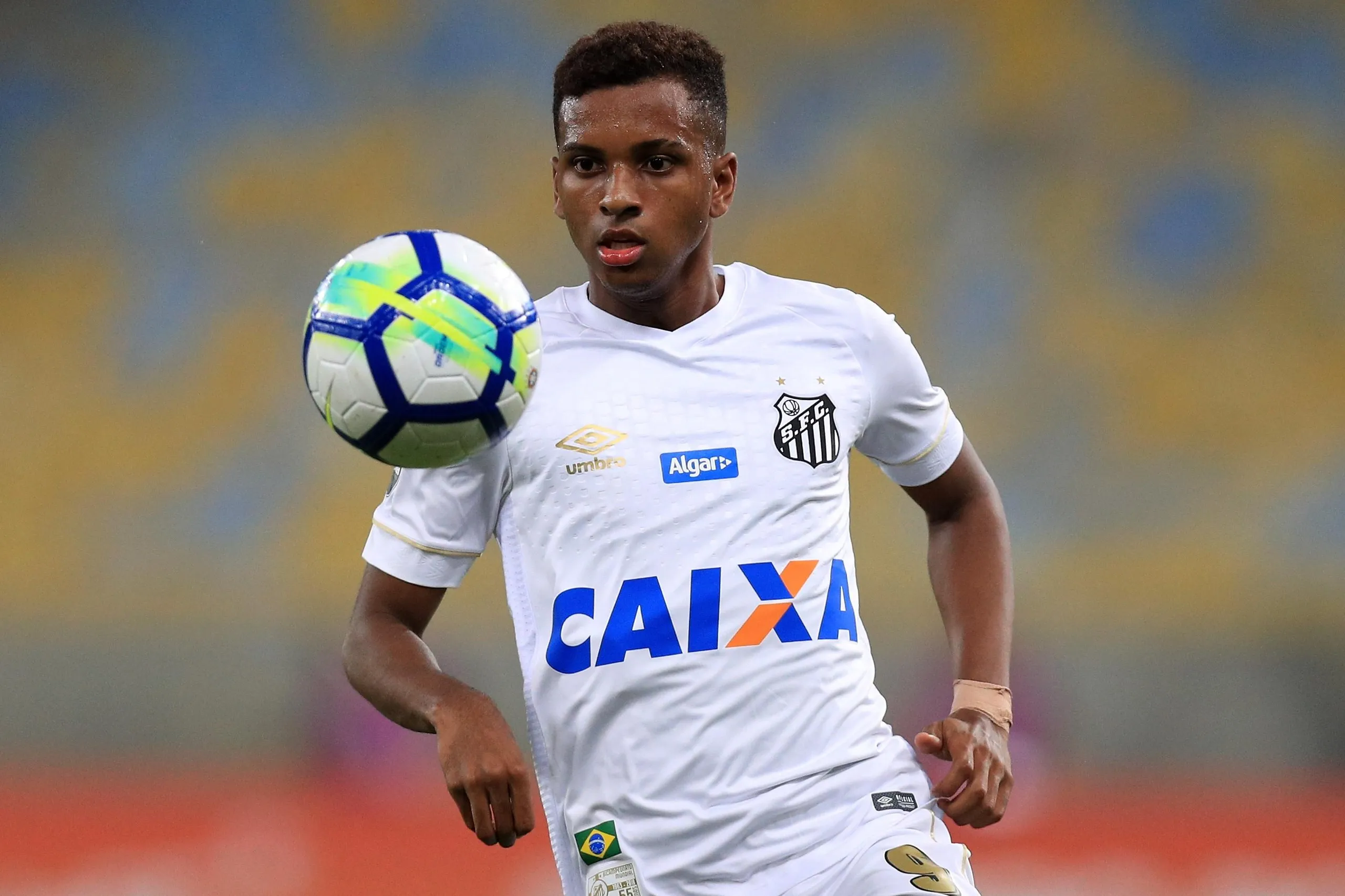
During my time in the Santos youth system, I often watched the professional team and envisioned wearing that jersey while fans cheered my name at the Vila Belmiro stadium. Coach Jair Ventura was instrumental in my journey, promoting me to the first team in 2018 and illuminating the path for my talent to flourish. Jair emphasizes the importance of understanding players’ lives and aspirations. During our conversations, I shared my dream of playing for Real Madrid, and he believed in my conviction, which led to increased opportunities.
After many matches, by 2019, I received the offer, and Ventura was among the first to learn of it. In the lead-up to the 2022 World Cup, Tite, Brazil’s then-manager, consulted Ventura about another player, and Ventura highlighted my playing style and strengths, describing me as unique. He noted that his primary role was to launch my professional career, using the word “only” without realizing that this single word can carry immense significance. Shortly after, I received my first call-up to the senior national team, remaining part of Tite’s squad throughout that cycle and ultimately being selected for my first World Cup in Qatar.
Recently, I encountered Luiz Felipe Scolari backstage at the Seleção Copa show on SporTV in New York. It became clear why the 2002 World Cup-winning team is known as the “Scolari Family.” Felipão perceives football as a platform for authentic relationships, prioritizing players as human beings, recognizing their virtues, flaws, potential, and the capacity to learn and adapt.
Thus far in my career, I have been fortunate to learn from numerous exceptional coaches and individuals I deeply respect, including Zinedine Zidane, Fernando Diniz, Xabi Alonso, and Álvaro Arbeloa. I remain optimistic about my recovery and the prospect of joining Real Madrid under José Mourinho, a manager equipped to guide us back to winning trophies. In a sport as competitive as football, it is impossible not to look forward to collaborating with a professional known as “The Special One.”
- Brazil
- Carlo Ancelotti
- World Cup 2026
- World Cup
- Football tactics
- comment