


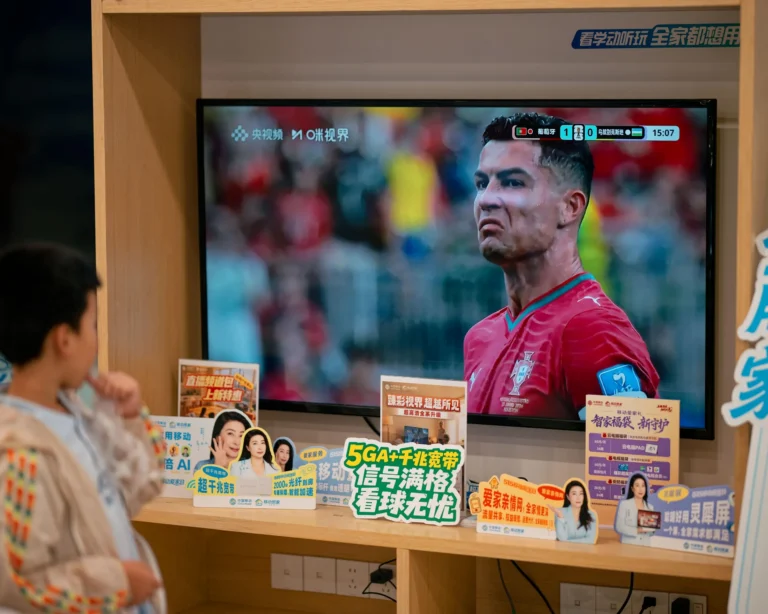
“C ristiano Ronaldo’s record-equalling sixth World Cup got off to a disappointing start,” began the match report following Portugal’s 1-1 draw against the Democratic Republic of the Congo last week. While this event represents a significant milestone for the world’s 15th most populous nation, the narrative quickly shifted focus as the 41-year-old star failed to score. It’s a classic case of prioritizing key headlines to attract search traffic. You may have noticed how I just did precisely that.
This summer, however, there seems to be a notable change in the atmosphere, influenced by both on-field events and the industry’s evolving dynamics. This World Cup is overflowing with star power, and never before have these elite athletes been so openly celebrated. Instead of France simply beating Iraq, Kylian Mbappé is seen as challenging Erling Haaland, Harry Kane, and others. Reports indicate that interest in Miroslav Klose’s goal record has surged during this tournament, surpassing searches from the year he set it. At times, the group stage appears to be more of a distraction from the intense competition for the Golden Boot. (Can Lionel Messi finally claim the one trophy eluding him?)
Previously, individual accomplishments contributed to team success. Now, the situation appears reversed. Messi doesn’t win the World Cup for Argentina; rather, they secure it for him. A victory for Portugal would represent a remarkable feat for a nation of merely 10 million, validating its football culture, scouting, youth development, and a coaching tradition rooted in tactical evolution from decades past. However, that would likely be overshadowed by the narrative of how an already adored figure became even more celebrated.
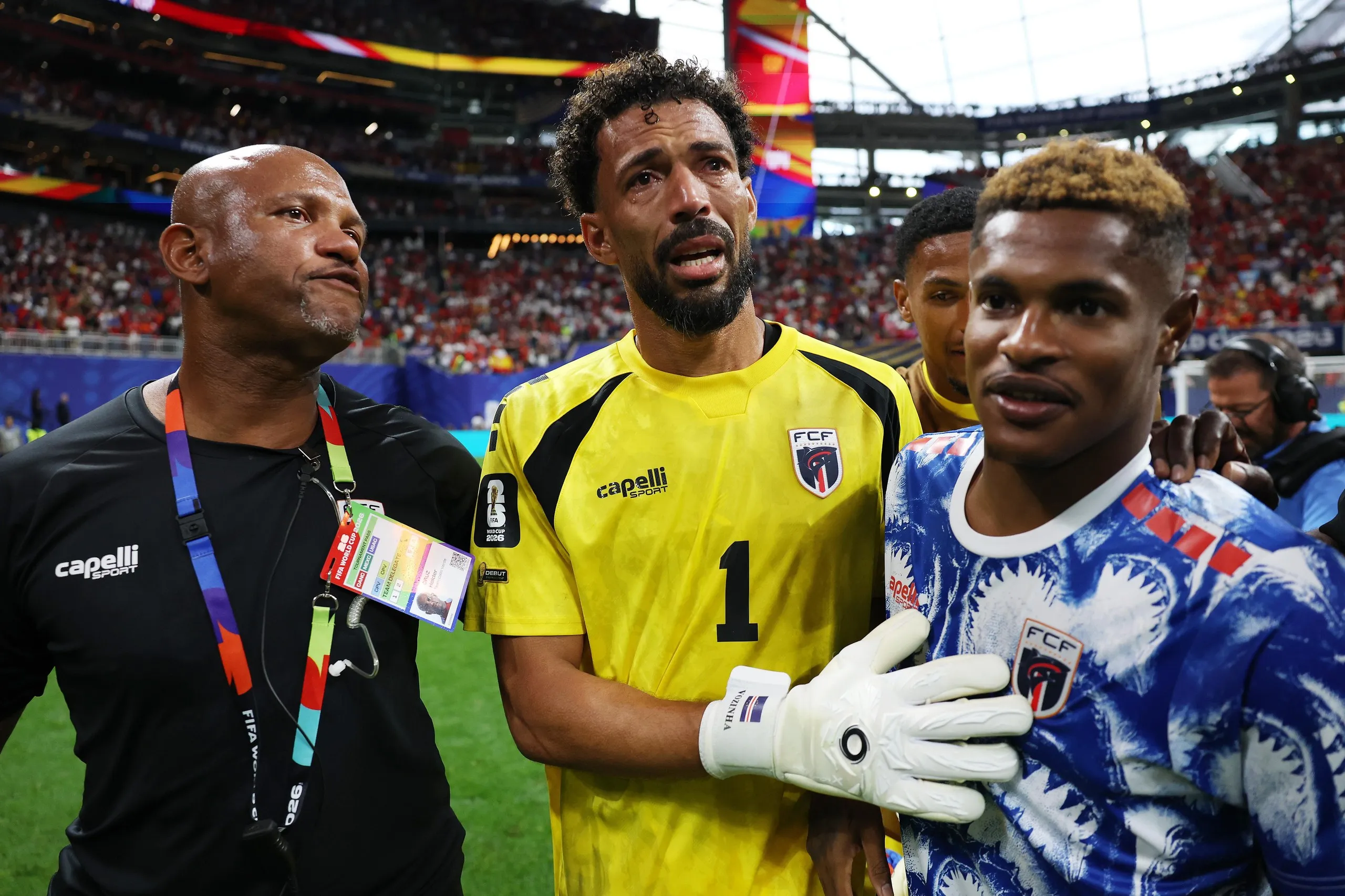
Yet, the reverence for individual players extends beyond just the prominent figures. Lesser-known heroes like Vozinha and Eloy Room have emerged as pivotal contributors to their teams’ successes. David Beckham has garnered more visibility during this tournament than in some of his playing years. Zlatan Ibrahimovic, appearing on Fox Sports (two World Cups, zero goals), has dominated the social media snippets. Even those who prefer anonymity find themselves in the spotlight: take, for instance, Marcelo Bielsa’s viral official portrait, where he gazes solemnly, reminiscent of a folk singer poised to release a deeply personal album.
This emphasis on individualism is not coincidental. It is not solely a result of the rise of algorithm-driven media or catering to popular demand. The unique characteristics of modern international football, marked by a more diverse talent pool and limited training time, account for some of this shift. However, it largely stems from a series of decisions leading to an intense focus on individuals in what is fundamentally a team sport. The introduction of cinema-style cameras, which blur backgrounds to emphasize a single subject, perfectly illustrates this trend.
The upcoming knockout stage will feature more isolated player cameras. Directors will seize every chance to cut away from the action to showcase celebrities, individual fans, or lingering shots of Gianni Infantino in deep discussion, perhaps revisiting the laws of the game. Moreover, with the increasing interruptions in matches—due to video assistant referees, substitutions, and hydration breaks—games are more likely to be defined by moments of individual brilliance.
This may simply reflect our increasingly self-centered society. Athletes become influencers, fans transition into participants, and Fifa’s president sees himself as the director, writer, producer, and star of a grand production. It’s akin to Citizen Kane, stripped of dialogue, with the Macarena playing over the top, extended to four hours, and set far from the sun’s surface. For Infantino, this might represent his vision of football in its most idealized form: a version suited for the age of social media and reality television.
If this resonates with you, that’s valid. The consumer’s preference reigns supreme. However, what implications does this have for the essence of the sport when we are encouraged to perceive it solely through the lens of individualism? What stories remain untold, what perspectives go unnoticed?
The irony of the current superstar-centric narrative is that it enhances rather than diminishes the significance of teamwork. Ronaldo’s triumph in 2016, Mbappé’s in 2018, Messi’s in 2022, and Haaland’s success with Manchester City in 2023 all occurred within the context of teams that were greater than the sum of their parts. The adoration of Diego Maradona has inadvertently overshadowed the achievements of his 1986 Argentina teammates—Jorge Burruchaga, Sergio Batista, Oscar Ruggeri—who are now viewed as some of the most underrated players in World Cup history.
Thus, football’s obsession with individualism appears not just as a stylistic choice but as a form of willful ignorance. Player X performs Player X feats: simple enough. Yet explaining football through the intricate interplay of 22 athletes on the pitch, the tactics, relationships, collective histories, identities, traumas, and the translation of abstract concepts into physical actions poses a greater challenge. This complexity is part of what makes the simplest sport so profoundly beautiful.
The more you explore, the more you discover. The more you discover, the more you learn. The more you learn, the deeper your understanding becomes. The deeper your understanding, the greater your love for the game. But what if you prefer not to explore at all?
- World Cup 2026
- Social media
- Fifa
- Gianni Infantino
- Football politics
- World Cup
- Lionel Messi
- comment