


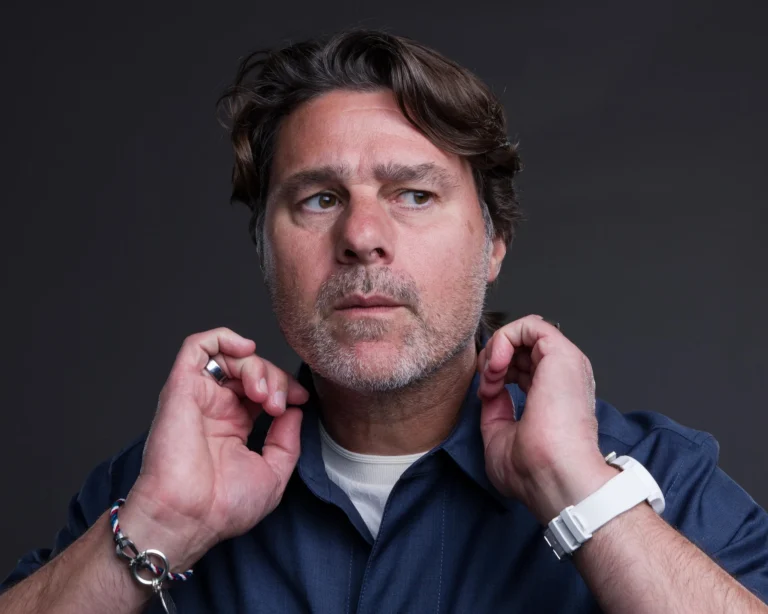
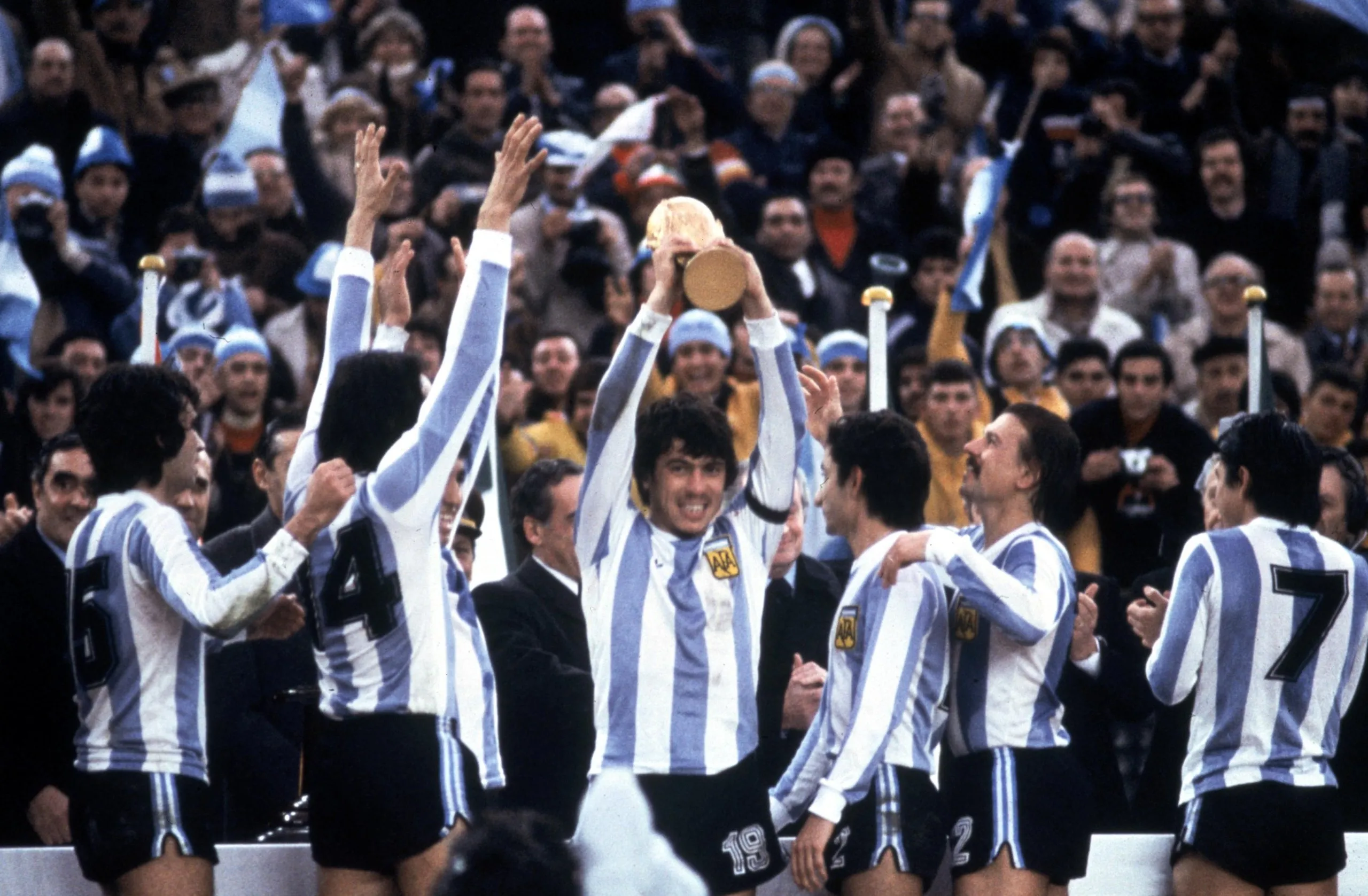
Mauricio Pochettino’s journey began in the charming town of Murphy, nestled in Santa Fe, Argentina. At the tender age of six in 1978, he fondly remembers a local club where the older residents gathered to play boules, and where one of the few color televisions could be found. Those memories are filled with nostalgia as he reflects on his childhood experiences.
“I lived in a prefab with my grandmother and my older brother because my parents were off working the land, then at the weekend we would go to the club,” he recalls. “There were three courts and I remember standing there, hanging on to my dad’s pocket, watching the World Cup. The ticker-tape at River [Plate], that image engraved. Passarella, Ardiles, Luque, Bertoni, Kempes, Fillol, Tarantini … my heroes.”
A smile lights up his face as he continues, “I lived near Ossie Ardiles in north London and I always told him: ‘You were my idol.’ He says: ‘Bah, you don’t remember that; you were too small. I say: ‘Bloody hell, Ossie!’ Whenever I’m with him I think: ‘Wow, here I am with a world champion. Me, from Murphy, and a world champion.’ That’s for ever.”
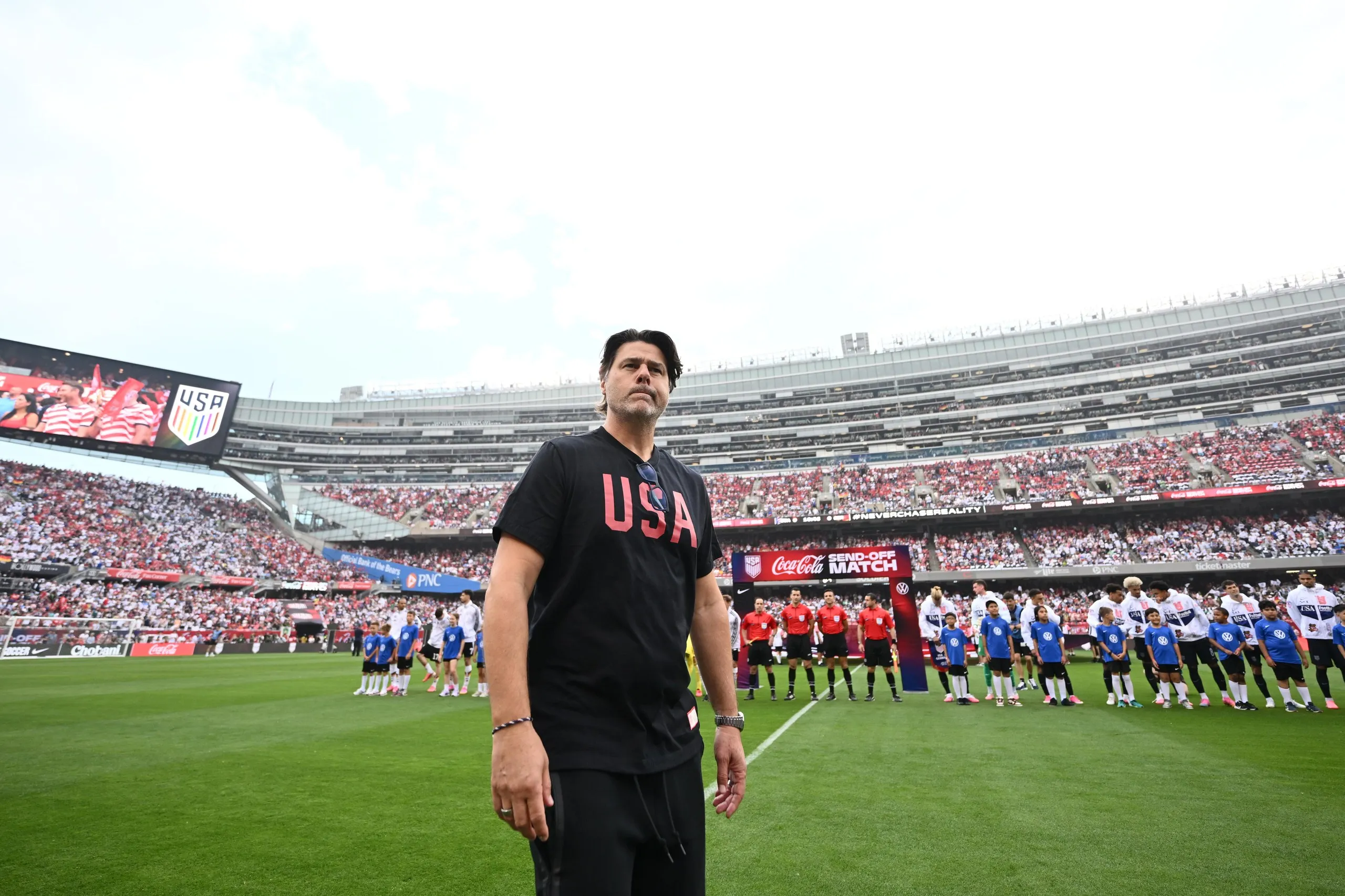
Today, that hope and significance have transformed into a moment of national importance as Mauricio from Murphy leads the United States men’s national team, co-hosting the forthcoming World Cup. “Well, if you think of it like that,” Pochettino admits, “it’s very hard to sleep at night.”
Enjoying the morning sun with a cup of coffee, Pochettino radiates charm and humor, seemingly unfazed by any sleepless nights. “From the day we accepted this challenge, we took that responsibility as motivation, energy,” he explains. “And no one sees the US as a [contender]. But you analyse other World Cups and think: ‘Why not?’ Being hosts can create synergy with the people, a support players feel. Let it give us the freedom to fly. Why not? “Sometimes,”
“you’re in the US tracksuit and people say: ‘What sport do you guys play?’ ‘Soccer.’ ‘Soccer, but what …?’ ‘The US national team.’ ‘Ah.’ ‘We’re preparing [for] the World Cup.’ ‘Oh, OK.’” he chuckles, recalling the reactions he faces, “So that they know who we are! Jesús likes to say: ‘We’re masked heroes,’”
What motivates him to embrace this formidable challenge? Pochettino beams at his assistant, Jesús Pérez, who sits alongside him. “No, no. Because we like the challenge. “After Chelsea we thought: ‘A World Cup is something we’re missing’. And just then the US appears, other national teams too. This challenge is special, and being hosts is part of that. It was a good moment to get out of our comfort zone. How do you prepare a national team? How do you work with little time, in a demanding country, in a cultural idiosyncrasy that’s different? How do you change things? It’s soccer, not football. If you don’t understand that, you’re going to bash your head against the wall. “You gather the staff, talk, find out how people think culturally, how we can help. We get together, talk. We always said we’re not going to educate, to impose. We’ll bring our experience but we went to create something together that we all feel part of.” he responds, laughing again. “Football doesn’t exist like in Argentina,”
“But the feeling [in the US] is much deeper [than it was]. The federation has done a great job unifying MLS, universities, colleges. There are people with big economic capacity who love football, have a passion, want to be a soccer country too. I have players in Europe, MLS is growing. Messi has had an enormous impact. And it’s the Messi who’s world champion. An MLS player says: ‘I play against the best in the world,’ which brings belief. All of that is a process we’re still in. “I don’t think the [resistance] is from other sports [protectionism]; I think it’s more cultural. The first gift an Argentinian gets is a football; here, it’s a baseball bat, a basketball, an oval ball. Changing that’s not today or tomorrow. But there are almost 400 million people, 80 million Latinos, who already have that football DNA, and there’s space [for all sports]. What’s the problem? That people want results now.”
“Pitches are built: ‘Now I want a Messi, a Ronaldo,’”
The World Cup signifies not merely an opportunity for the team but for the sport itself—a potential cultural shift in sports. Pochettino envisions himself as a catalyst for change, viewing the US through an Argentinian lens. This perspective introduces both opportunities and pressures. He views this transformation as significant.
“It can’t be reduced to investment. What takes time is that emotional relationship, for that kid not to wait until they’re 12 to touch a ball with their feet. You build a soccer school: ‘Now, shoot!’ But football’s not that. “The relationship is built through freedom. I get a ball and my brother, cousin, the friend who’s older, takes it off me. How do I get it back? That’s the game: not roboticised, automated. When that relationship starts, talent appears. Over time, that creates footballing nations: there’s something deeper.” he explains. “There’s something fundamental, a fight we took on when we came. I accept the ‘arrogance’ of Spain, Argentina, England, France … but there’s a confusion that says: ‘I’m the United States of America: I’m No 1, the biggest, best country in the world. I go, fight, win. I get to the moon first. ‘I’m the US’ and, boom, it happens. ‘We’re the best in the world in basketball, hockey, baseball; why wouldn’t we win in football?’ Wait, wait. NBA: where’s that played? The United States. World champions. NFL: world champions. “In soccer you compete against 100 years of history, and that’s beautiful. Argentina, Brazil, England, Spain: they win, it’s life or death. That ‘arrogance’ is exciting and you don’t want to lose it but we need balance. We’ve found a path. We needed the players to believe in us.”
“We listened, trusted them and they felt that, creating the basis for professional harmony. The players arrive on different flights, they come in with Sam [Zapatka] and Michael [Kammarman], come into the office, sit down, have a chat. No real plan except to get to know them, to talk about everything and nothing. And then we got to work. “Generally, one thing we saw in the [typical] ‘American player’ is that he plays. We said: ‘Boys, playing is one thing; competing is another.’ I’ll explain: in MLS you haven’t won a game, you’re at the bottom, what happens? There’s no relegation so I don’t go up, can’t go down. The [federation] guys say: ‘US sport rewards failure.’ If I lose, what happens? Nothing. The only people who pay are us, the coaches! That comfort’s not good in football and we’ve tried to change that.” he continues. “I already was more of a bastard,”
In light of the resources available in the US, these expectations become even more pronounced. In such a vast, affluent country, people often question why it’s so difficult to find 11 players, similar to LeBron James, who can excel. “We’ve tried to ‘attack’ people through their intellectual capacity. Any footballer appreciates you not underestimating them. They’re not footballers because they were donkeys at maths, geography or economics. If you respect them, value them, they’re intelligent enough to know they weren’t on the right path. That’s what we homed in on. “But we like to convince through performance [not impose]. And players need to see that their leaders are just. If a player is toxic for a group, a team, the others wouldn’t understand us not attacking that, taking on the toxicity. We didn’t go after anything on a whim but to coexist and compete. It was a message to the group and to those who had created toxicity. And they’re not banished; they’re given the opportunity to be important, to think, change, behave the right way, which creates a positive energy.” Pochettino emphasizes. “there’s probably not as much drama as you guys think”
“I’m the head coach, not a mannequin.”
Pochettino and the USA men’s national team face the challenge of participating in this evolution and accelerating it through imitation. Yet, the primary focus is simply to play. However, this focus is also influenced by cultural factors.
“It’s a general thing. I wouldn’t say one person or two, or three or five. It was broader.”
“Players need to talk on the pitch, not outside; we’re not politicians, we’re only sports people.”
Building this trust was crucial, especially since there could have been skepticism toward his arrival. “I take this role with all the responsibility that comes with coaching a team; I don’t represent it at other levels. I represent it through sport which is what I know how to do. “I was in Argentina’s squad in 2002; for five years Argentina had been the best team but when we got there we were tired, had injuries and maybe the emotional weight was too much. There was an economic crisis. We had to win to make people happy, forget their problems: we were saviours of the nation. That had a negative impact on the group.” Pochettino acknowledges. His initial squad was introduced to the technical staff, which brought its own advantages.
“which is where I think about protecting them. We all empathise when we see injustice, want a better world, an end to violence, for everyone to have enough to eat. I respect those that leave the system to fight it; but if you’re inside the system, benefit from it. “Any coach can say tickets are expensive. We know. My responsibility preparing a team for the World Cup is how [external issues] affect the dynamic of the group. A job comes with [other] responsibilities that if you don’t accept, step out. If I stay in and speak, there’s hypocrisy, populism, contradiction: I don’t know what to call it. “Football can create affection, love, happiness; it unites, brings people together, opens minds. That’s our responsibility, not to create more conflict, hatred. Of course when there’s injustice it hurts. Everyone sees. How do we effect change? Through football’s values, principles. It’s easy to denounce, separate; harder to unite, construct, rather than distance us [from each other]. “If we position ourselves on the extremes, it becomes impossible to meet. Football isn’t just a sport you play and have fun. I grew up with my dad’s values and football reaffirmed those. Football is empathy, solidarity. As an Argentinian in the US, maybe I can contribute my grain of sand.”
“First, because I believe it,”
“And second because when the biggest representative of a country asks … if I was the president and the coach didn’t reply with the vehemence I expect, didn’t say ‘of course’, I’d kick him out. If the coach wavers: ‘This isn’t my guy, bring another one.’ “I never had an American dream. I didn’t speak English, didn’t understand anything, hadn’t been in the US: I didn’t go until Seattle in 2014 with Tottenham and one game in Washington in 1999 with Argentina. I had an Argentinian dream, then a Spanish dream, an English dream. The American dream is the idea anything is possible and we all have dreams: it doesn’t just belong to America. But why not? In football you can’t be honest: you need to create dreams, believe in the impossible. Because the impossible can be done. In football if you don’t believe: ciao! But if you believe you will have a chance, for sure.” he is asked. “I’ve always been a bit of a hardliner,” Pochettino chuckles. “We’ve aimed to challenge players intellectually. Any footballer appreciates being taken seriously. They aren’t footballers because they struggled in maths, geography, or economics. If you respect and value them, they’re smart enough to recognize when they’re not on the right path. That’s what we focused on.”
“We prefer to persuade through performance rather than impose. Players must see their leaders as just. If a player is detrimental to the group, the others wouldn’t understand why we wouldn’t address that toxicity. We didn’t act impulsively; we aimed for coexistence and competition. It was a message to the group and those who contributed to the negativity. They aren’t cast out; instead, they’re given the opportunity to become valuable, rethink their actions, and behave appropriately, fostering a positive atmosphere.”
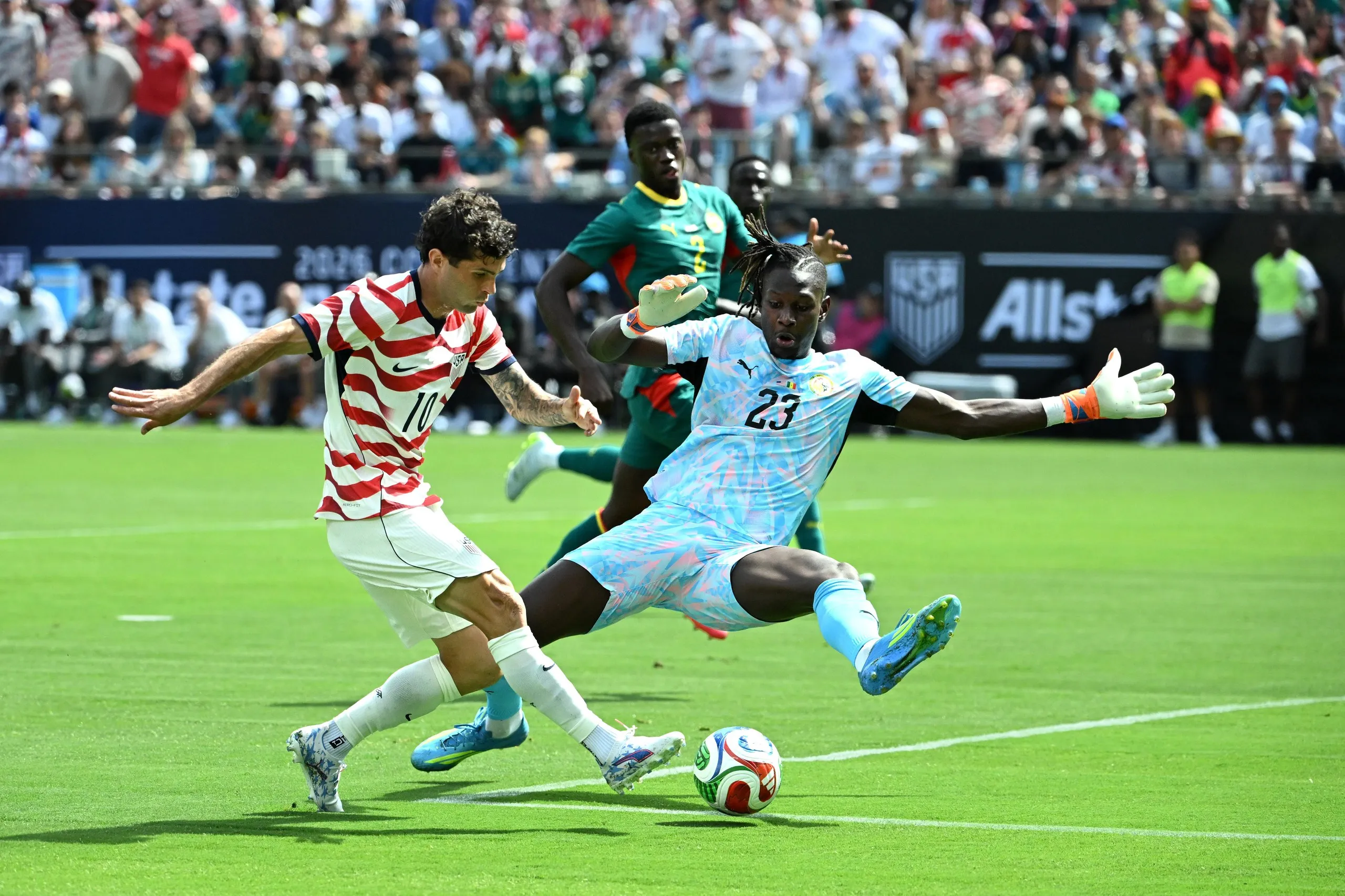
There was considerable discussion about Christian Pulisic missing the Gold Cup while offering to play in two friendlies, which Pochettino declined, insisting on building cohesion within his group: if you’re in, you’re in. Although the USA captain claimed “there’s probably not as much drama as you guys think,” Pochettino acknowledged that something had changed, asserting: “I’m the head coach, not a mannequin.” Now he states: “It’s a general issue. I wouldn’t pinpoint just one or two; it was broader.”
Pochettino reflects on the pressure he faces, drawing from his own experiences, which partly explains his reluctance to engage with the polarized political climate in the US, marked by ICE raids and recent violent incidents. He has also called out Tim Weah for criticizing ticket prices, reminding him: “Fifa knows why,” and advising his winger: “Players need to speak on the pitch, not off it; we’re not politicians, we’re just athletes.”
He approaches political statements with caution. “I take on this role with all the responsibilities that come with coaching a team; I don’t represent it at other levels. I represent it through sport, which is my expertise.”
“I was part of Argentina’s squad in 2002; for five years, Argentina had been the best team, but when we arrived, we were fatigued, injured, and perhaps the emotional weight was overwhelming. At that time, there was an economic crisis. We had to win to bring joy to people and help them forget their problems: we were the nation’s saviors. This pressure had a detrimental effect on the team.”
These parallels highlight the intense pressure players face now, thrust into the role of patriotic heroes, often bearing an additional responsibility they may not want.
“Exactly,” Pochettino agrees, “which is why I contemplate protecting them. We all empathize with injustice and desire a better world, an end to violence, and for everyone to have enough sustenance. I respect those who step outside the system to combat it; however, if you’re within the system, you should benefit from it.”
“Any coach can point out that ticket prices are high. We know. My responsibility in preparing a team for the World Cup is to understand how external issues impact group dynamics. A role carries responsibilities that, if you can’t accept, you should step back. If I speak out and remain involved, it becomes hypocrisy, populism, contradiction—I’m not sure how to label it.”
“Football can evoke affection, love, and happiness; it unites people, opens minds. That’s our duty—not to foster more conflict or hatred. Of course, when injustice occurs, it stings. Everyone notices. How do we bring about change? Through the values and principles of football. It’s easy to condemn and divide; it’s harder to unite and build rather than separate ourselves.”
“If we take extreme positions, it becomes impossible to find common ground. Football isn’t merely a sport for fun. I was raised with my father’s values, and football reinforced them. It embodies empathy and solidarity. As an Argentinian in the US, perhaps I can offer my small contribution.”
Or something even larger. When Donald Trump asked Pochettino if the US could win the World Cup, he replied affirmatively. “First, because I believe it,” Pochettino explains. “And second, because when the highest representative of a country asks you … if I were the president and the coach didn’t respond with the enthusiasm I expect, didn’t say ‘of course,’ I’d dismiss him.”
“I never envisioned an American dream. I didn’t speak English, didn’t understand anything, and my first trip to the US was in 2014 with Tottenham in Seattle; my only other visit was in 1999 with Argentina in Washington. I had an Argentinian dream, then a Spanish dream, then an English dream. The American dream embodies the belief that anything is achievable, and we all have dreams—it isn’t exclusive to America. But why not? In football, you can’t be sincere: you must inspire dreams and believe in the impossible. Because the impossible can be achieved. In football, if you don’t have belief: ciao! But if you believe, you’ll certainly have a chance.”