


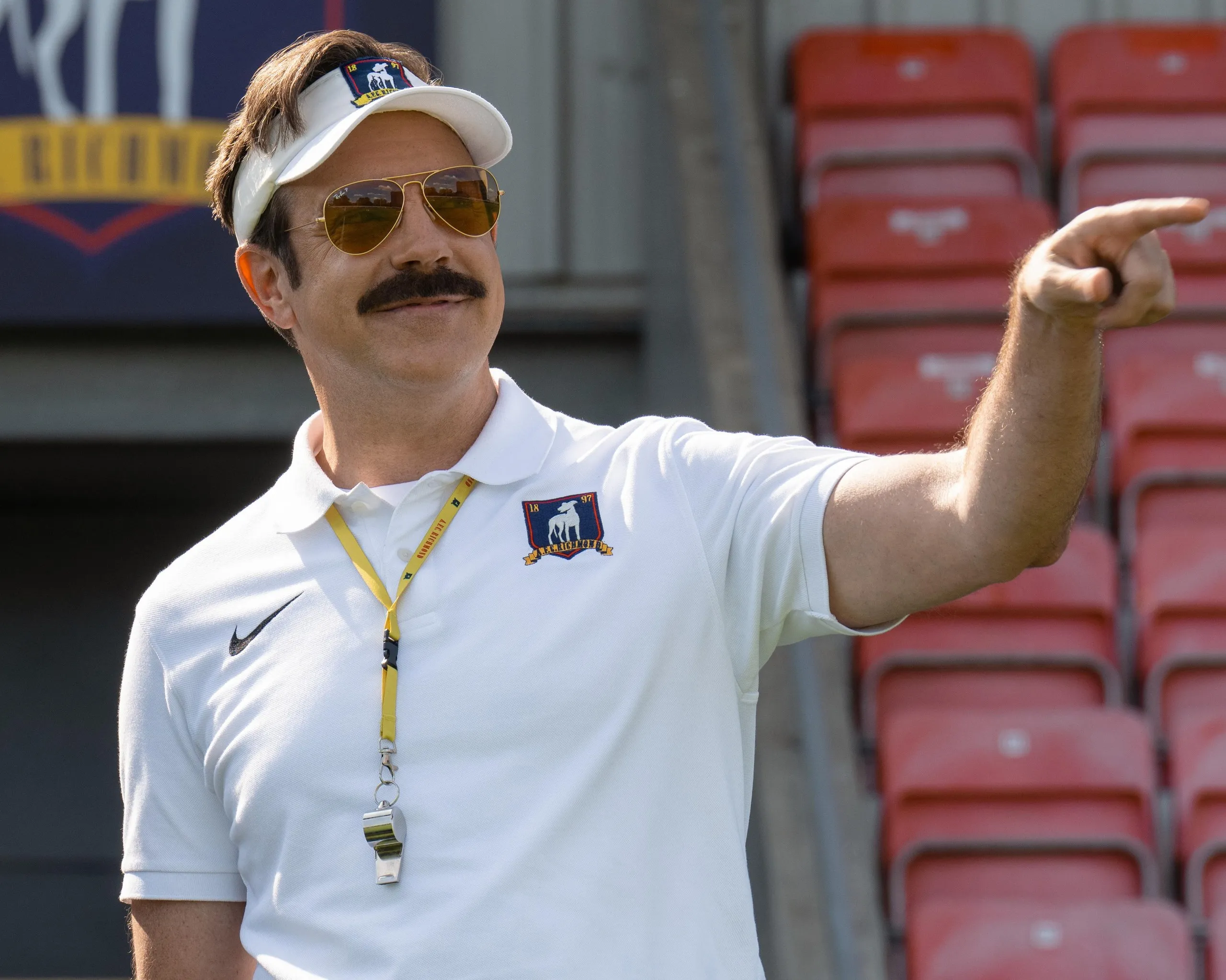
On Friday evening, just before 6pm local time at the Los Angeles Stadium, actor Jason Sudeikis, known for portraying Ted Lasso, will address an audience of hundreds of millions tuning in for the American segment of the FIFA World Cup. He is set to proclaim that football unites the world.
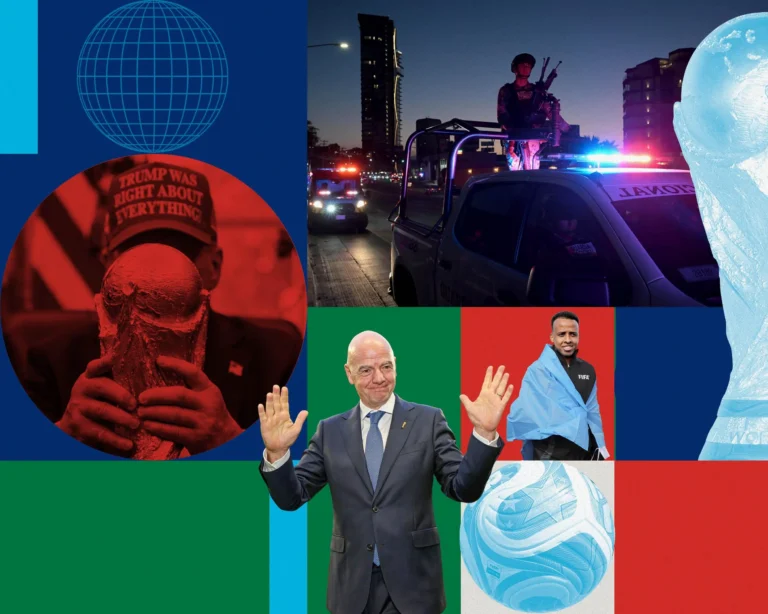
This declaration, however, comes amid a backdrop where the World Cup host is actively engaged in military operations against the second-ranked nation in Group G, having recently executed its leader. This message of unity is likely to resonate with U.S. President Donald Trump, who has instigated six military conflicts during his second term and enacted harsh immigration policies, resulting in the exclusion of Omar Artan, the current African referee of the year.
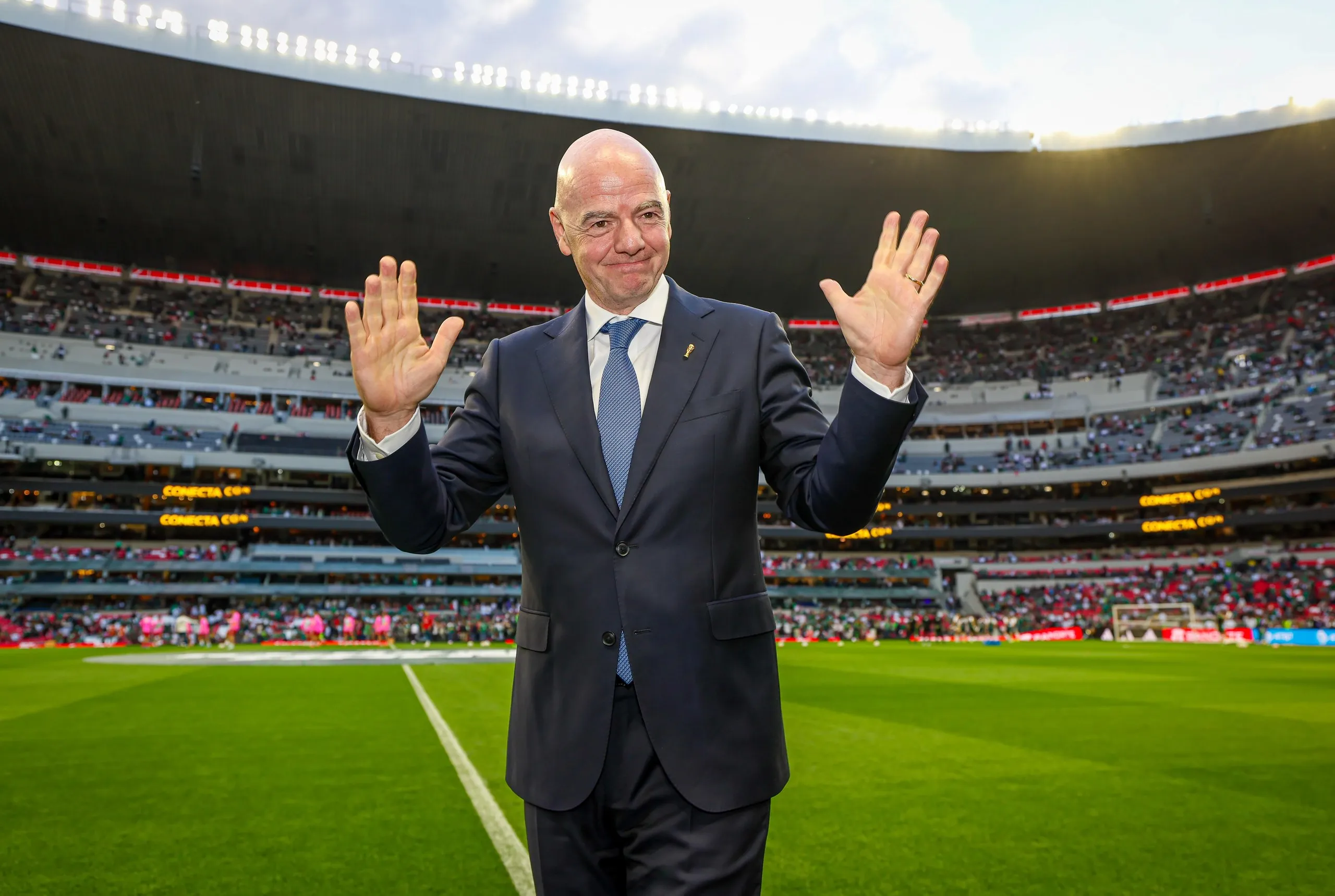
It is possible that Sudeikis’s hopeful words will be better received by Gianni Infantino, who similarly champions the idea that football connects the globe. Infantino often refers to it as “Pediludus Coniungit Mundum” a notably Latinized phrase adorning his cherished Club World Cup trophy.
Yet, it seems more likely that Infantino will appear not as a benevolent figure of football but rather in a state of full alignment with Trump’s fervor, seemingly indifferent to the exclusion of a Somali referee or the ongoing restrictions affecting 39 football officials barred from entering the United States.
Regardless, the show must go on. This is LA, and if Sudeikis genuinely believes in the message, the hope is that others will too. The irony remains that the spectacle is unfolding amid chaos. As the clock edges closer to midnight, fans remain captivated by the drama of the game while ignoring the larger global issues at play.
As the World Cup progresses into its extravagant opening rounds, characterized by patriotic displays and ceremonial speeches, it’s an opportune moment to discuss the concept of American sportswashing, the implications of American imperialism under Trump, and football’s unsettling compliance with this narrative.
This tournament has generated considerable hyperbole, yet it undeniably represents a significant moment in sports history. The kickoff in Los Angeles will mark the first occasion a World Cup is hosted by a nation actively involved in initiating both a global conflict and an economic crisis, all while seemingly escaping serious scrutiny.
In contrast, Qatar was unapologetically blatant about its own human rights violations. It openly acknowledged hosting a World Cup built upon the exploitation of migrant labor. While there may be debates over semantics, the event is taking place. Infantino could present himself as a reformer addressing the failings of others, portraying a progressive internationalist perspective that resonates with the challenges faced by deeply affluent monarchies.
Previously, Russia caught many off guard with its overtures. The country projected a façade that captivated the world, even as it prepared for its eventual invasion of Ukraine. Now, viewers can seamlessly transition from one channel to witness the U.S. live, with all its complexities unfolding in real-time.
There exists a palpable sense of disappointment regarding lost opportunities. The United States, the world’s foremost economic and cultural power, has positioned itself as a self-appointed global watchdog of democracy. In a nation that champions liberty, the term “freedom” is often wielded as a threat or an insult. Yet the U.S. stands alone as the only World Cup host to bar FIFA members from attending. The atmosphere it has created is one of division and hostility, presenting a disheartening variant of football as a unifying force.
This situation was avoidable. Football already enjoys immense popularity among various immigrant communities in the United States. Two consecutive summers of FIFA festivities could have fostered unity and inclusivity. Instead, Trump has utilized his second term to target segments of his own population, unleashing a militia at the border while perpetuating toxic narratives surrounding race and immigration.
The exclusion of a Somali referee should not merely be viewed as a bureaucratic misstep or an unfortunate oversight. This exclusion is a calculated message from Trump to his supporters. It epitomizes American isolationism, reinforcing the notion that external interests are adversaries and that border security is the primary concern of the wealthiest and most successful immigrant nation.
From an external perspective, this isolationism manifests as unilateral military actions and missile strikes, serving as the foremost reason why the U.S. is an unsuitable World Cup host at this time. The strangeness of Iran’s participation in Los Angeles cannot be overstated, especially as the team kicks off its campaign just two days after the U.S. men’s national team and Sudeikis’s optimistic appeal.
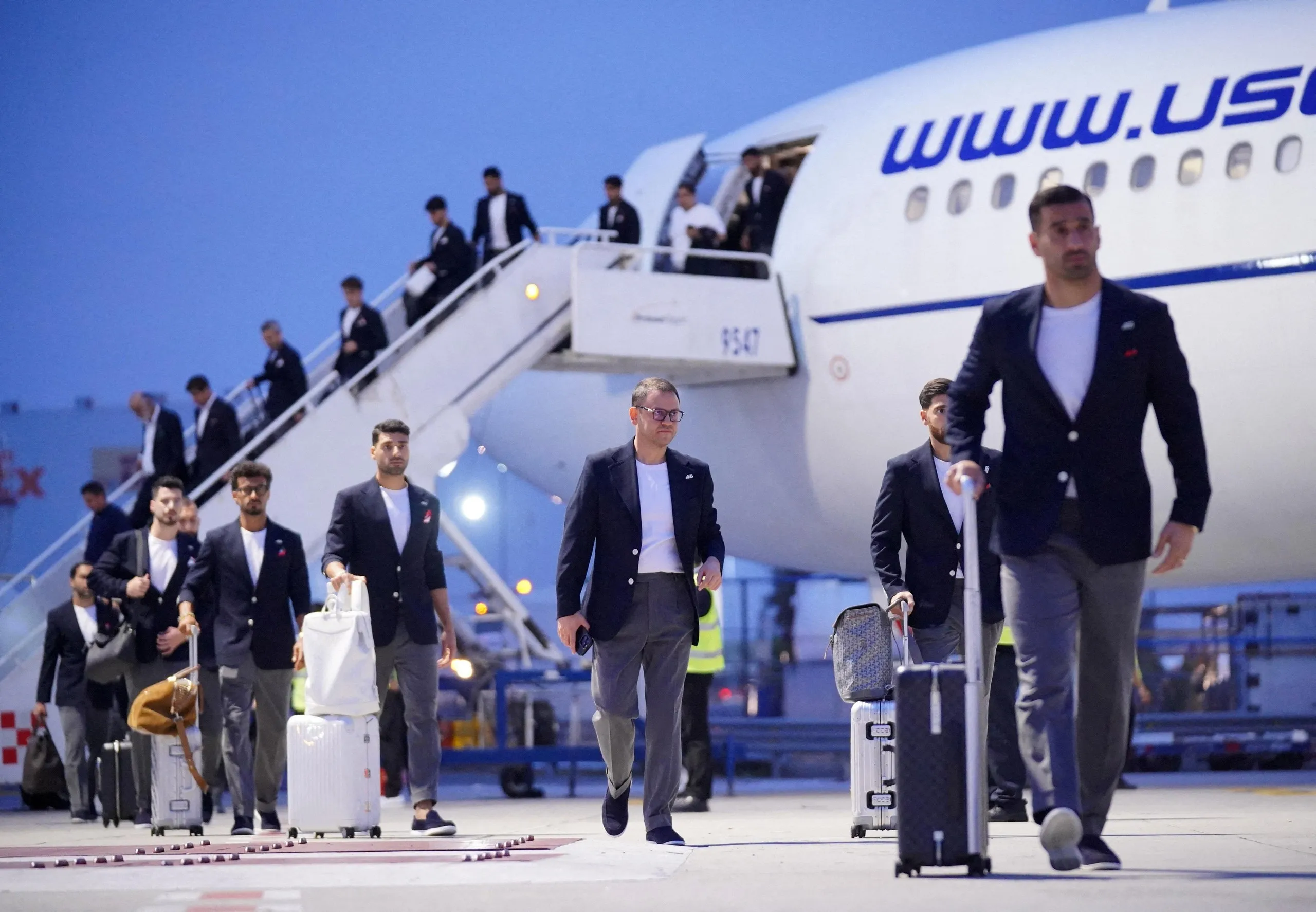
To clarify, the challenges concerning Iran extend beyond the logistical hurdles of travel or visa issues. This situation encompasses the broader context of U.S. and Israeli military actions that have disrupted global oil supplies, which also represents a violent act against countries worldwide.
Thus far, the fear of catastrophic fuel shortages has been averted. Yet, analysts suggest that the world football claims to unite may be on the brink of an economic crisis. Surging prices for jet fuel and diesel—previously unconsidered for stockpiling in Europe—could soon escalate. Discussions of rationing have emerged among Pacific nations, and the prospect of diminished winter vacations looms. Trump’s actions may ultimately threaten basic food supplies.
Why is the U.S. permitted to operate in this manner without facing backlash or condemnation? Is it merely acquiescing to the whims of the world’s most unpredictable and powerful ally? Or is there a lingering belief that America’s actions in the Gulf are beneficial for everyone, reminiscent of Tony Blair’s misguided optimism?
In truth, American isolationism under Trump is not simply reckless or irrational. It constitutes an economic approach aimed at generating wealth through disruption. The U.S. stands to gain from military action against Iran, remaining insulated by its fracking industry while the global community bears the consequences. Instead of outrage or demands for accountability, the world is poised to celebrate in Trump’s backyard, overseen by the self-proclaimed king of football, eyes gleaming with admiration for authoritarian leaders.
There is speculation that the extent of FIFA’s complicity could leave Infantino vulnerable to challenges from his members during next year’s presidential election. This World Cup represents his magnum opus, but it could also signify an overreach. Infantino has integrated FIFA into his identity, becoming its sole representative and self-appointed spokesperson, embodying the notion of a leader with a divine mandate to preside over these events. Now, he stands as football’s destroyer.
He has also stretched FIFA’s regulations by linking the global game to a singular, divisive political ideology, managing this World Cup without a local organizing committee, and overseeing it alongside MAGA politician and noted American patriot Andrew Giuliani. Football has withstood the challenges posed by Qatar and Russia. It will endure this as well, but the question remains: in what form, and with what level of affection, trust, and connection? How much can the sport be stretched before it breaks? We may soon find out.