


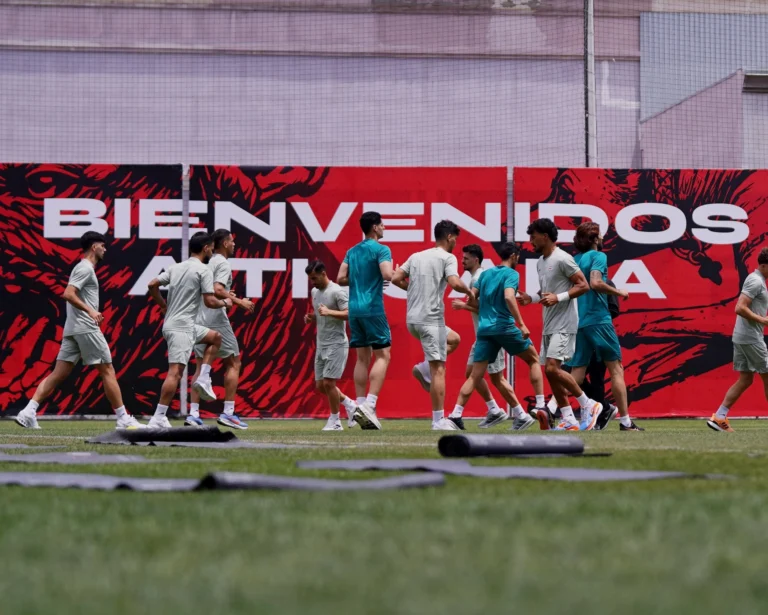
Today, open-top trucks monitored the streets surrounding Estadio Caliente, manned by armed individuals in helmets and masks wielding machine guns. These vehicles patrol the vicinity every few hours, safeguarding the expansive city block that has become the temporary, albeit makeshift, home for Iran’s national football team as they gear up for the World Cup.
Such security measures have become commonplace in this region of northwest Mexico, at an arena that many domestic league teams typically dread visiting due to its isolation from the country’s footballing epicenters and the harsh artificial turf playing surface.
The team had initially planned to set up camp approximately 400 miles away, across an international border, in Tucson, Arizona, at the well-equipped Kino Sports Complex. However, following the onset of attacks by the US and Israel on Iran, which resulted in the assassination of the nation’s head of state and several prominent leaders, these plans were hastily abandoned. The current location in bustling Tijuana reflects the aftermath of that turmoil and various other forms of aggression.
Club Tijuana staff were only notified about the Iranian team’s relocation two weeks ago during a call with FIFA. Since then, they have been laboring 18-hour shifts to prepare the training facilities for one of Asia’s leading teams, given that the complex features just one field with natural grass. They face a multitude of logistical challenges, including strict access controls. Admission to the facility demands thorough credential checks, with every detail verified multiple times. Despite the team residing at a nearby hotel, the political climate necessitates heightened security, hence the presence of armed guards and the overall lack of information regarding training schedules and player availability for interviews.
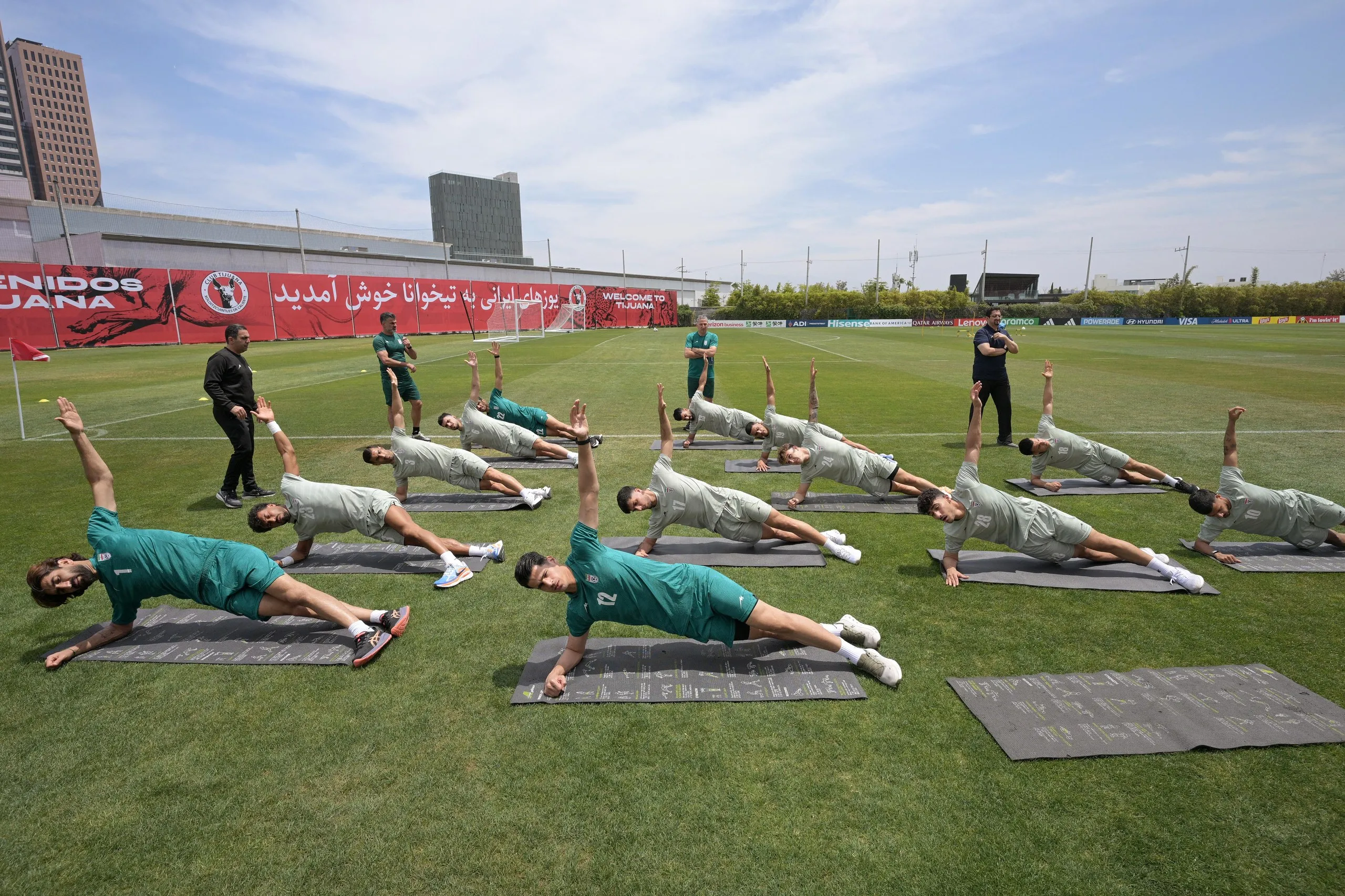
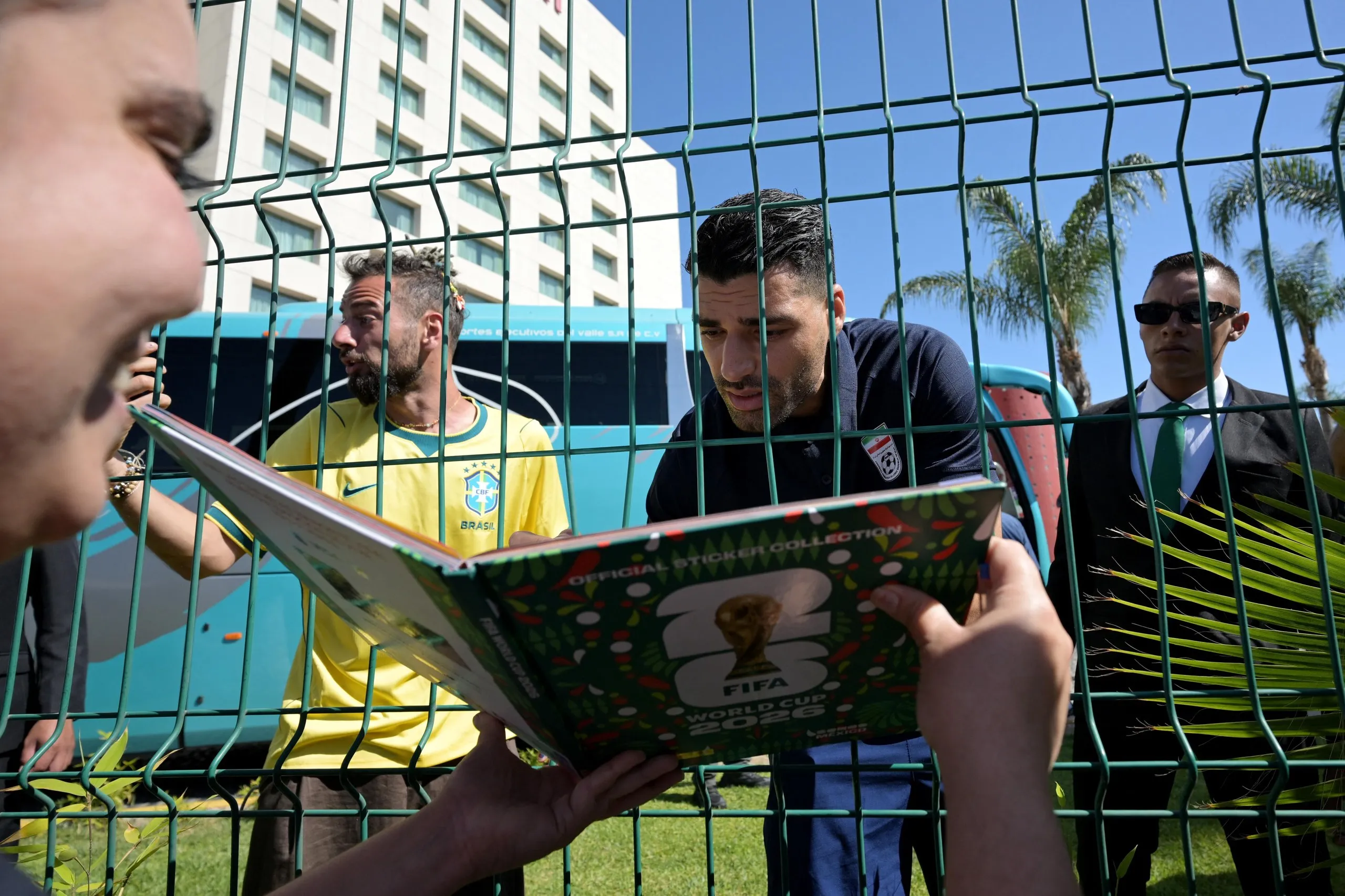
Among the local populace, Mexicans have extended a warm welcome to the Iranian players. Although the Club Tijuana staff are understandably stressed by the abrupt changes, they have made considerable efforts to ensure the team feels at home. A large banner draping the training field reads, “Iranian cheetahs, welcome to Tijuana” in Farsi. Local fans have gathered outside the team’s hotel, cheering them on and requesting autographs as they depart for training.
One enthusiastic fan expressed their sentiments, stating, “I’m ashamed of what the United States is doing,”
Another added, “It’s wrong… [the United States] treat everyone like terrorists,”
This Sunday, when the team transitions to Los Angeles for a FIFA-mandated press conference, they will travel with 15 support staff members, including their entire media operations team, as confirmed by a federation official. Speculating on who will lead the press conference and facilitate access to players after their World Cup opener against New Zealand, the official suggested it might fall to the kit manager.
The federation is currently allowing only a limited view of the team in the media spotlight, and this situation is particularly fraught compared to their previous World Cup appearances amid political pressure. Players will not be available for interviews, as there is little to gain from speaking out. Back home, the regime and its supporters would quickly seize on any perceived offense during a time when national unity is crucial. In the diaspora, opponents of the regime would criticize the team for representing the oppression they fled. Amidst this, there are Iranians who simply wish to see their team succeed, as football brings joy to a nation fervently passionate about the sport. The players find themselves in a precarious position, navigating political and cultural tensions where remaining silent is the safest option.
Despite the circumstances, the Iranian players are indeed training. Today consists of a light regeneration session as they recover from their recent 3-0 victory over Club Tijuana’s Under-21 team, their hosts. This match serves as one of the few competitive opportunities available, given their country’s status as a pariah in international football, making it difficult for them to secure matches against stronger opponents. A scheduled friendly against Grenada was abruptly canceled, necessitating this encounter with the U-21 squad.
In 2022, Iran participated in the World Cup in Qatar amid ongoing protests following the death of Mahsa Amini, a woman who died in custody after being arrested for improper hijab. During their first match in the Middle East, Iranian fans chanted the rallying cry: Woman, Life, Freedom. Over the course of their subsequent matches, the atmosphere reportedly shifted, with hundreds of IRGC operatives sent to monitor the crowds.
The denial of visas to many Iranian officials makes a similar situation unlikely this time around. However, this Iranian team lacks the support of all citizens, particularly from the diaspora concentrated in the Los Angeles area, where the team is set to play two of their three group matches. Divisions within this fan base are almost inherent, but FIFA will likely overlook them, presenting the team’s participation in the World Cup as solely about the sport.