


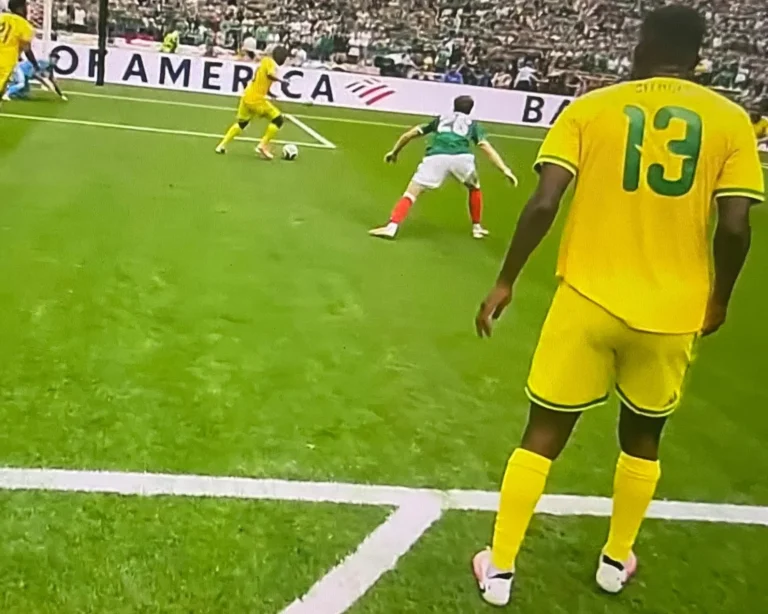
The recent men’s World Cup has seen a mixed reception for FIFA’s innovations, yet one standout feature appears to have resonated with viewers: the newly enhanced referee camera, or refcam.
This device, a compact high-definition camera, is securely attached to the referee’s headset, offering a fresh perspective on the game. Pierluigi Collina, the esteemed Italian referee and chair of FIFA’s referees committee, remarked before the tournament, “We think that it is a good chance to offer the viewers a new experience … from an angle of vision which was never offered before.”
Previously, a less refined version was tested during the Club World Cup, and the Premier League has made sporadic use of it. However, the focus in England has often been on contentious moments, such as Manchester United’s Bruno Fernandes confronting officials while trying to shield his words from being lip-read. In contrast, the refcam’s integration into World Cup broadcasts has taken a different approach. During the first two matches, it has been utilized to present goal replays from an unprecedented viewpoint, enriching the viewing experience at home.
One notable instance was Raúl Jiménez’s goal for Mexico against South Africa, which was captured from referee Wilton Sampaio’s perspective, illustrating the challenge of keeping pace with elite athletes while tracking the action. This angle highlights the myriad developments occurring just beyond the referee’s line of sight. Additionally, replays of close calls, like Mexico striking the post late in the first half at the Azteca, underline the necessity for referees to remain closely attuned to the action, emphasizing the slim margins that define pivotal moments.
In another match, Ladislav Krejci’s opening goal for Czechia showcased the numerous visual cues referee Amin Omar had to process as players crowded the ball near the six-yard box. He faced the difficult task of deciding if an offside player was obstructing goalkeeper Kim Seung-gyu’s view. While VAR technology looms in the background, the refcam adeptly conveys the rapid pace of top-tier football in a way that traditional high-angle shots or spectator views cannot.
Whether this innovative perspective will foster greater empathy among viewers for the substantial pressures officials endure remains uncertain. To date, no glaring officiating blunders have occurred, but with 102 matches remaining, the likelihood of such an event seems inevitable.
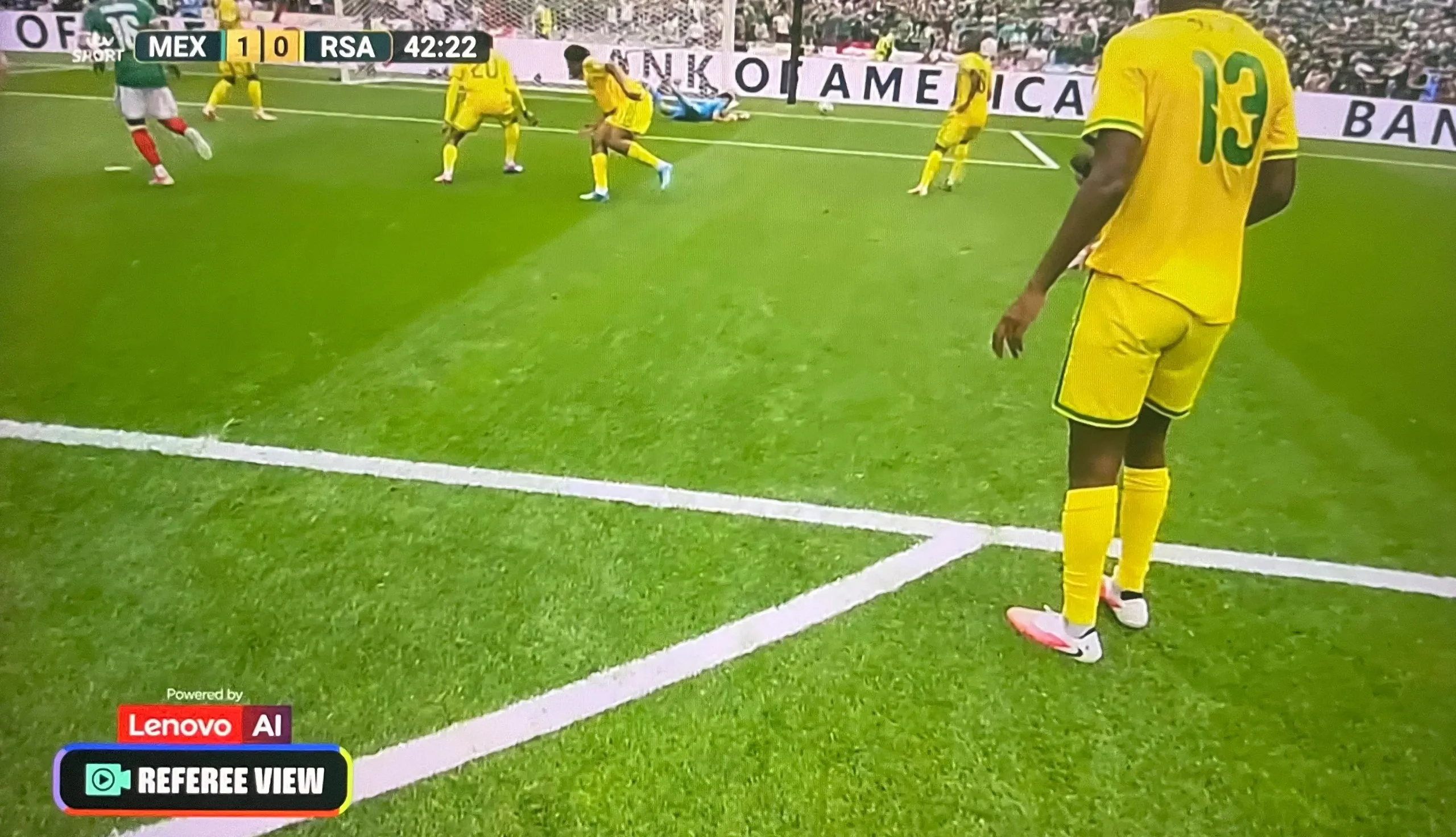
Clearly, this is yet another instance where the presentation of football on television is drawing inspiration from the video gaming sector.
Interestingly, despite the ongoing rift between FIFA and EA Sports regarding the long-standing football simulation series, FIFA’s graphic and interactive designers for the 2026 World Cup are embracing a gaming aesthetic. The striking opening lineup graphics, featuring digitized players in hyper-realistic montages alongside data-rich overlays, bear a strong resemblance to loading screens and HUDs found in video games. This first-person perspective mirrors the experiences of millions engaging in popular titles such as Fortnite and Call of Duty.
While the refcam is not without its flaws—its stabilization technology still requires refinement—it offers an intriguing new avenue for fans to feel as though they are at the heart of the action on one of the world’s grandest stages. Amid FIFA’s recent missteps, this innovation may well herald the future of football broadcasting.