


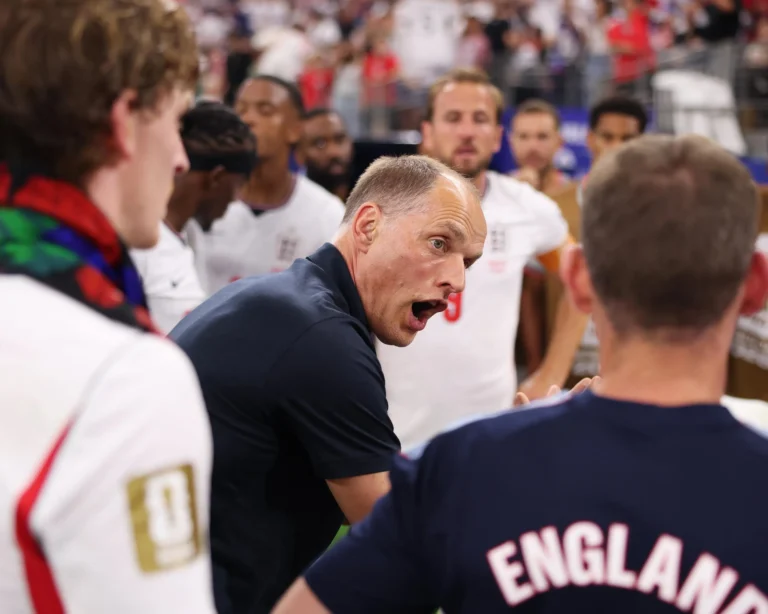
As the sun set over Dallas Stadium, fans left with a sense of excitement, reflecting on the pivotal moments just witnessed inside the England locker room. With the scoreboard reading 2-2 at halftime against a spirited Croatia, Thomas Tuchel’s squad appeared on the brink of repeating old tournament habits marked by frustration.
What transformation transpired? Did the players engage in some sort of ritual to release the burdens of past leadership? Perhaps Tuchel delivered a motivating, tactical speech while dismantling a symbolic Gareth Southgate effigy, its contents spilling forth like a piñata, filled with past anxieties and team mottos, marking a definitive shift away from previous eras.
It seems that second chances in American World Cup journeys are rare. Yet, if a manager can inspire a team to break free from its former patterns after a lackluster first half, anything is possible. Following a disjointed opening period, England emerged in the second half with renewed vigor, shedding the remnants of their past styles.
This shift was palpable, as the change in gameplay mirrored a significant evolution. While the initial half exhibited shades of Southgate’s era, the latter showcased Tuchel’s vision for a more proactive and aggressive approach, transforming England into a squad that seeks victory rather than waiting for competitors to falter.
Instead of following the familiar script where England tends to diminish as matches progress, they displayed an invigorating energy that built throughout the game. With a total of 22 shots on goal, three-quarters of which came in the second half, the contrast was stark when compared to their previous tournament opener against Serbia, where they managed only four attempts.
No one is claiming that England is poised to lift the World Cup just yet, nor did they seem like a team destined for immediate success in Dallas. However, there were clear positives to take away. They faced a formidable opponent and emerged victorious—a first under Tuchel. Key attacking players made their mark, with Marcus Rashford looking particularly dangerous, troubling defenders with his agility.
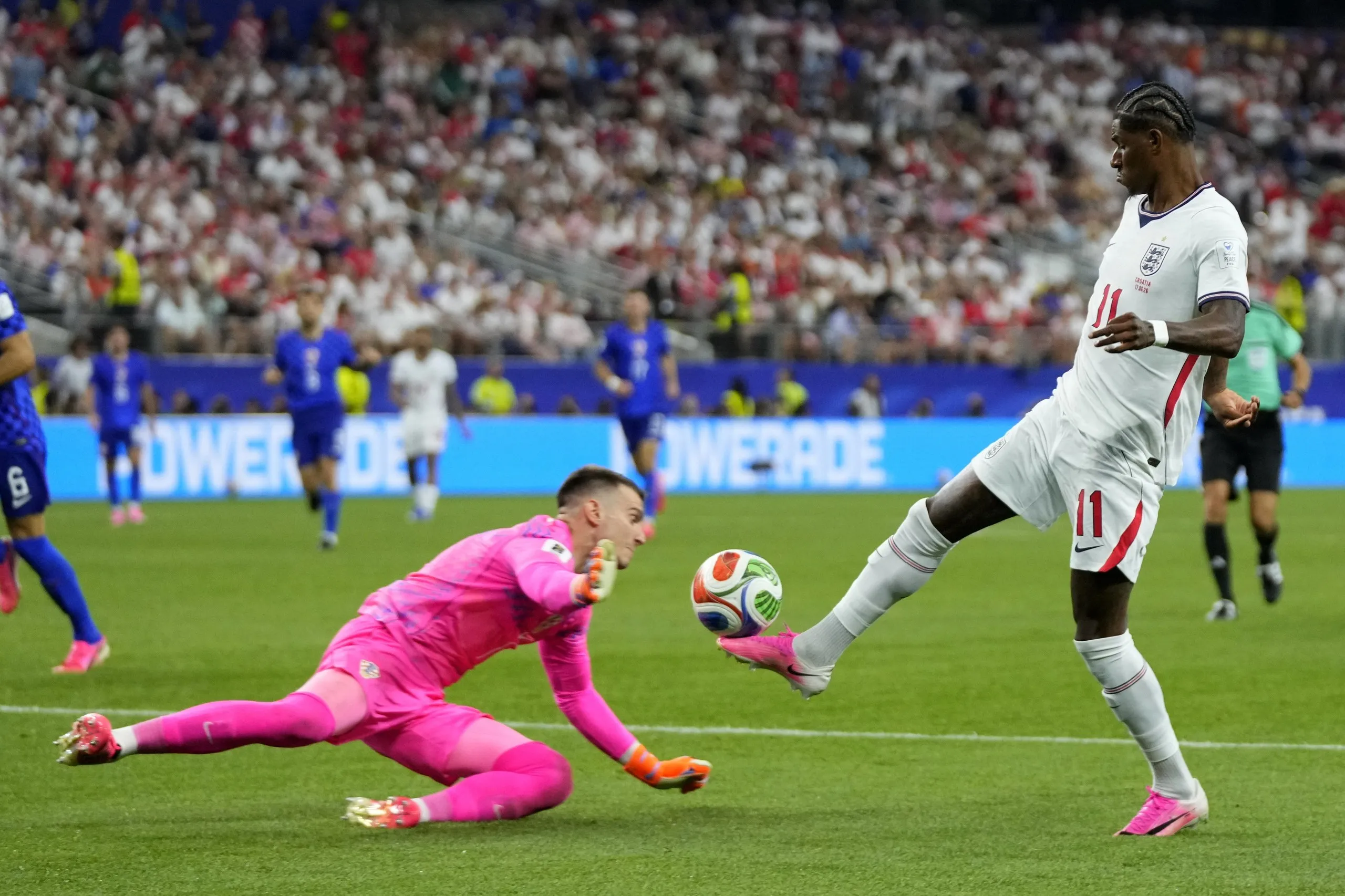
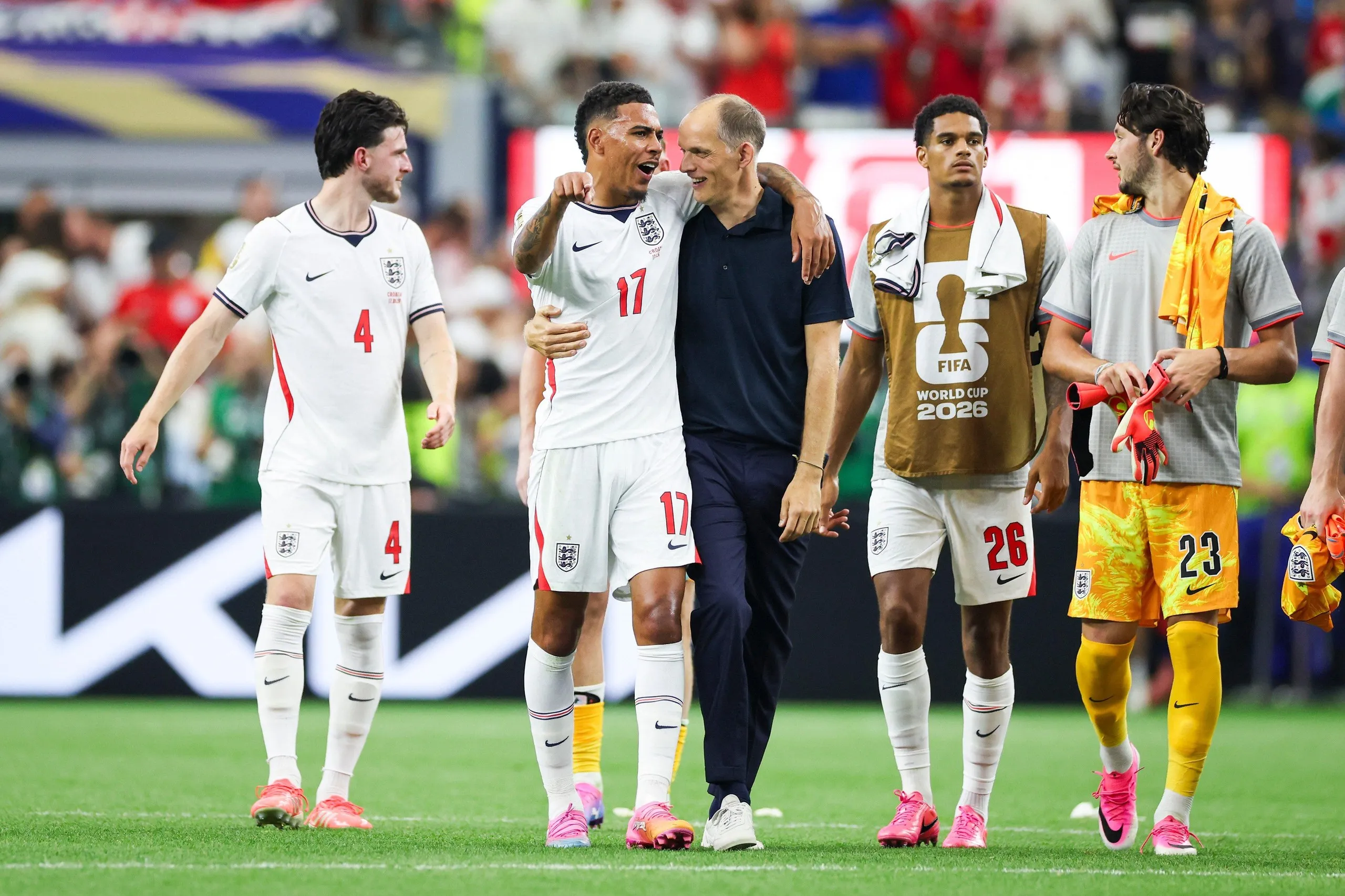
Furthermore, the match offered a glimpse into how an elite tactical mind can leverage the legacy left by Southgate. The second half, often referred to as the Surge, was characterized by a more aggressive midfield presence, with players pressing higher and delivering more incisive passes.
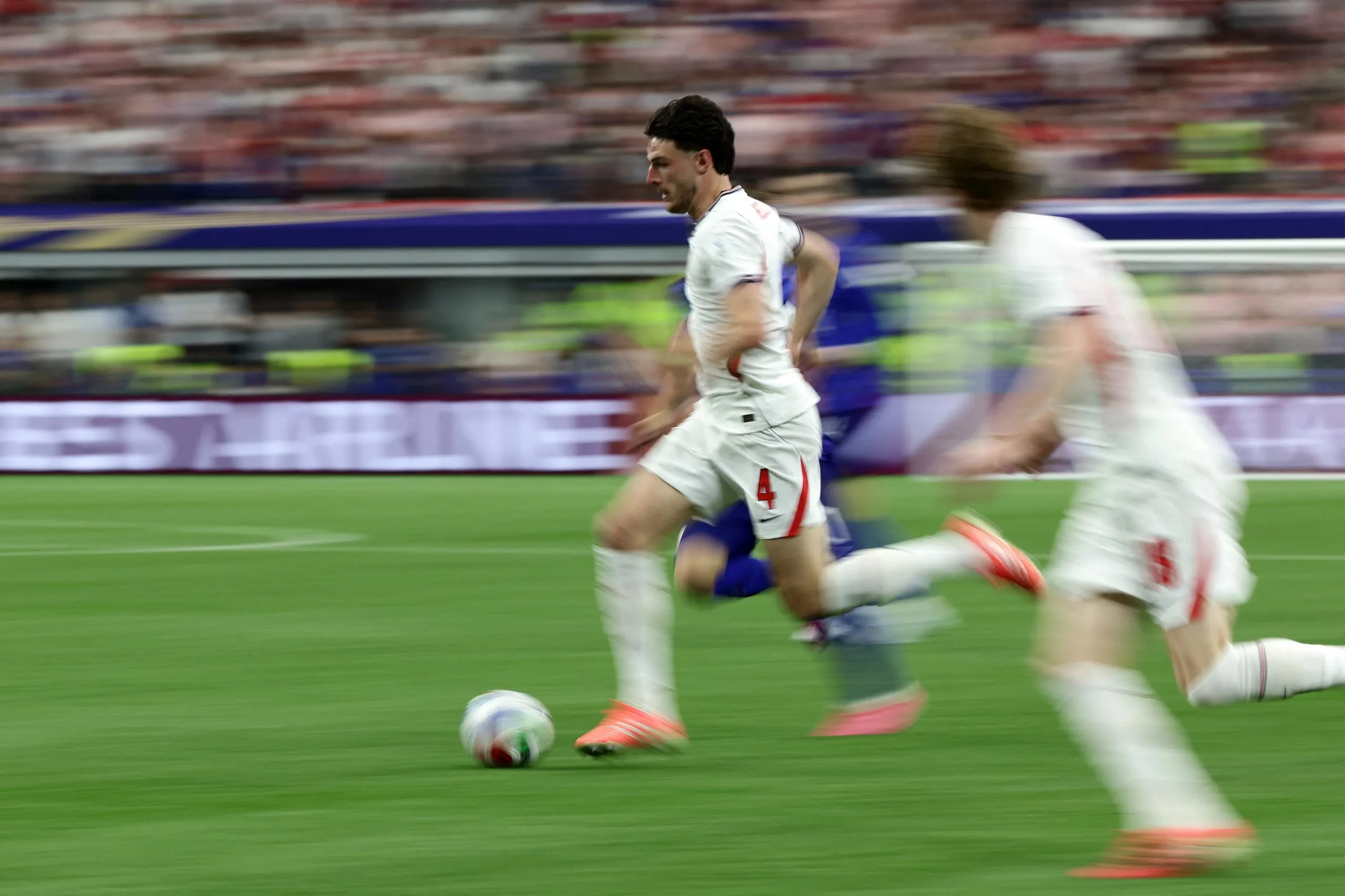
Tuchel emphasized the importance of connecting with fans, noting how the supporters would relish this style of play. The Surge was not merely about casual enjoyment; it felt more like an electric experience, reminiscent of pre-match festivities filled with anticipation.
While some remarked that England resembled a Premier League side, they embodied the exhilarating essence of early 2000s football—fast-paced, dynamic, and relentless. This intensity may not guarantee triumph over top-tier rivals, but it highlights the potential within this squad to dominate when they are at their best.

Tuchel’s decisions during the match showed a forward-thinking mentality. With England leading 3-2, conventional wisdom might suggest a more defensive posture. Instead, he opted to introduce additional attacking players, showcasing a commitment to maintaining pressure.
It’s essential not to overlook the merits of the first half, particularly the threat posed by set pieces—an area where England could have easily scored two more goals. The first-half penalty also validated Tuchel’s selection strategy, as a nimble player outmaneuvered an aging defender, demonstrating the physical edge England can exploit.
Post-match, Tuchel maintained a light-hearted yet pointed critique of Jude Bellingham, praising his improvement while reminding him to remain hungry. He quipped, “He has learned to be a team player,” showcasing his intent to keep players motivated.
Tuchel’s refreshingly candid approach, coupled with Anthony Barry’s assertive halftime discussion, reflects a departure from the traditional, reserved demeanor often associated with coaching. This forthrightness is beneficial for a team that had previously become overly cautious.
However, challenges remain. Luka Modric, though aging, still posed a significant threat and was ultimately contained, but England’s midfield dynamics need fine-tuning. Declan Rice appeared to be nursing an injury, raising concerns about their control in crucial knockout situations.
Defensively, the squad showed signs of vulnerability. While their front line boasts an impressive goal tally, heavily skewed towards Harry Kane, the overall effectiveness will depend on collective performance—something Tuchel must ensure is balanced.
Kane himself seemed to thrive in this system, benefiting from the presence of dynamic players around him. His retaken penalty showcased a decisive mindset, emphasizing the need for confidence and immediacy in execution.
Will this performance have lasting significance? Historically, England’s tournament starts have been shaky, often leading to mixed results. Yet, there was an undeniable sense of progress in Dallas, and Tuchel’s influence could be the catalyst for a new chapter in England’s footballing narrative.
As they move forward, England is now characterized by a style that embraces excitement and creativity.