


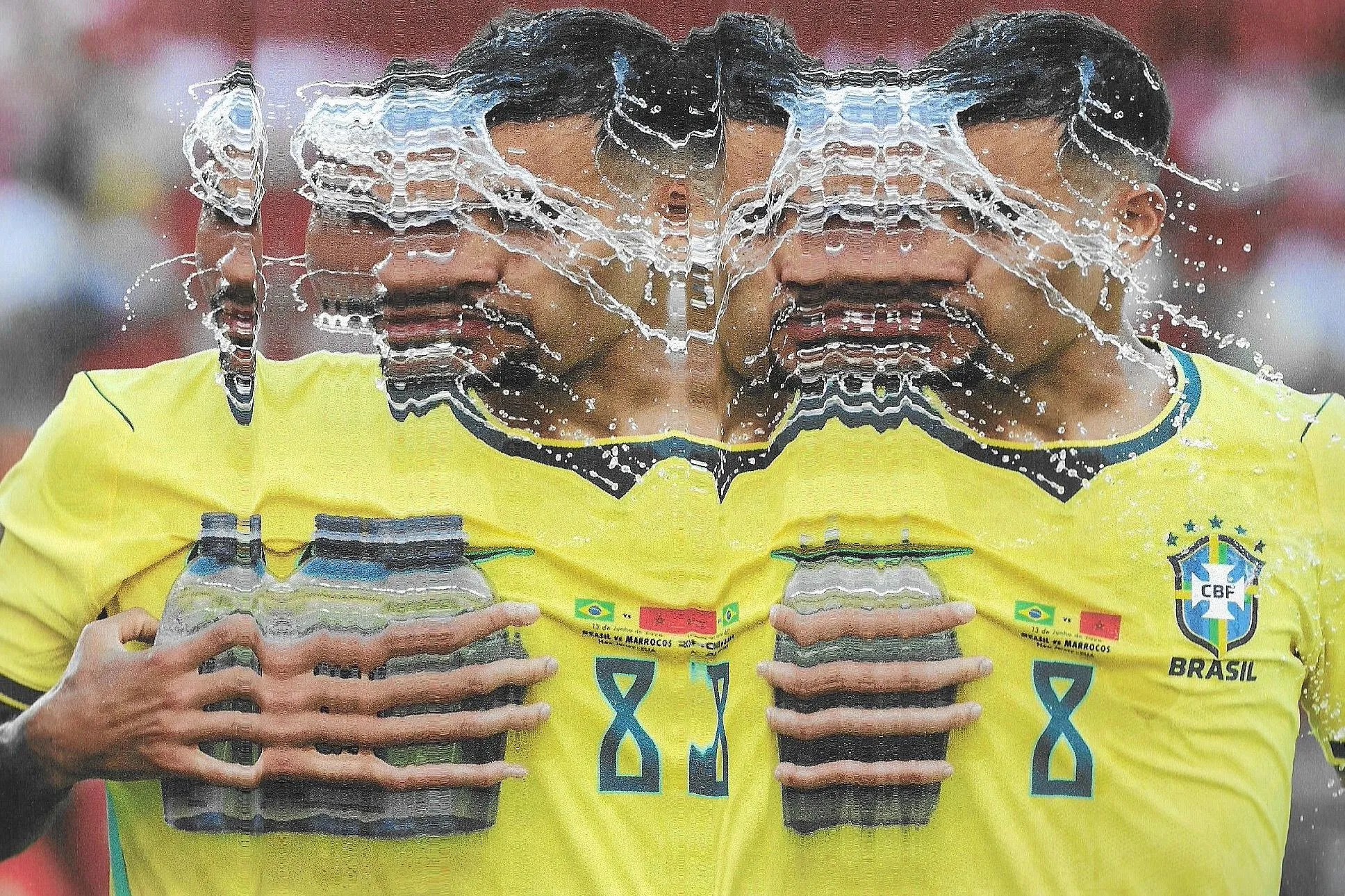
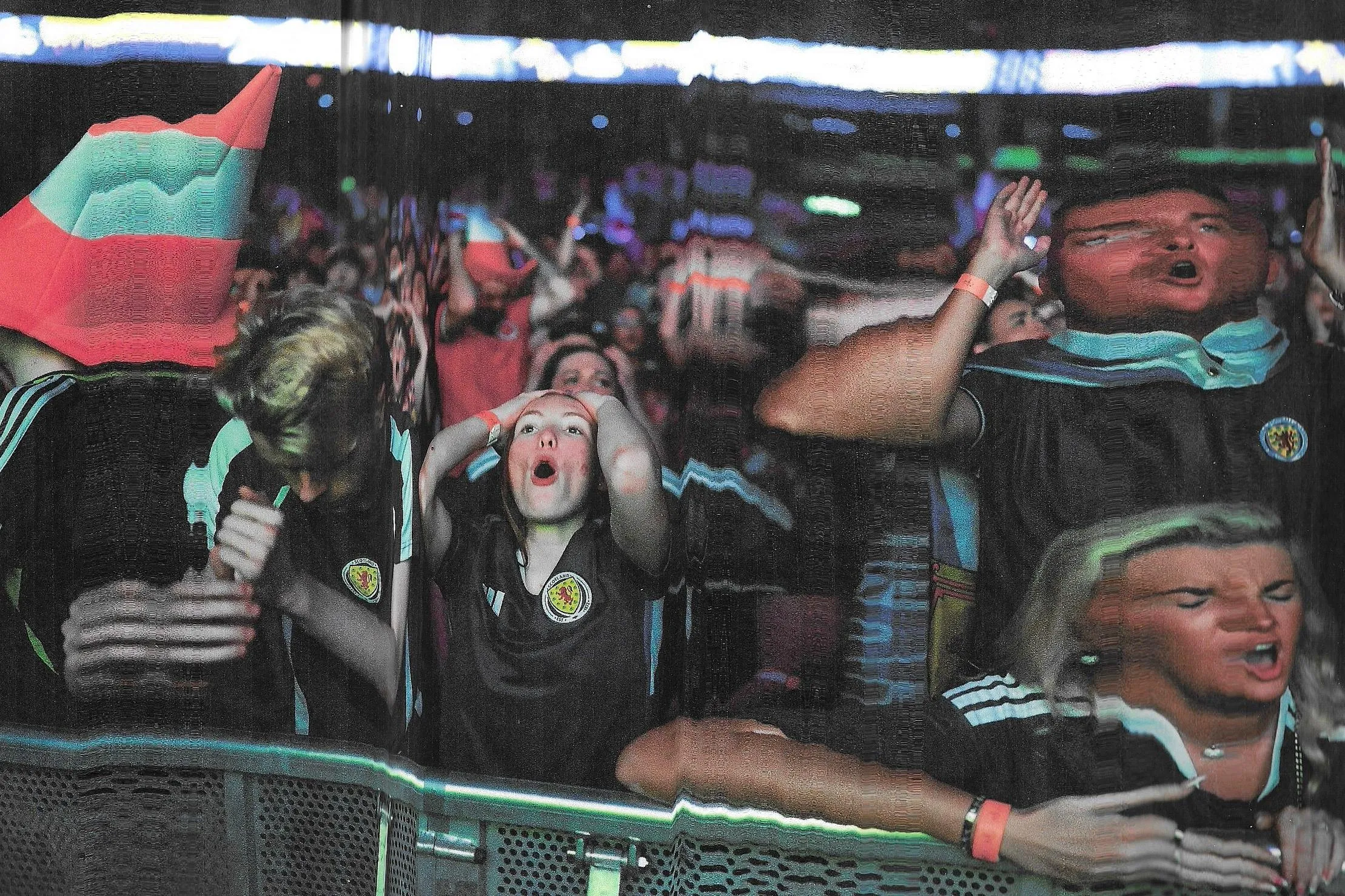
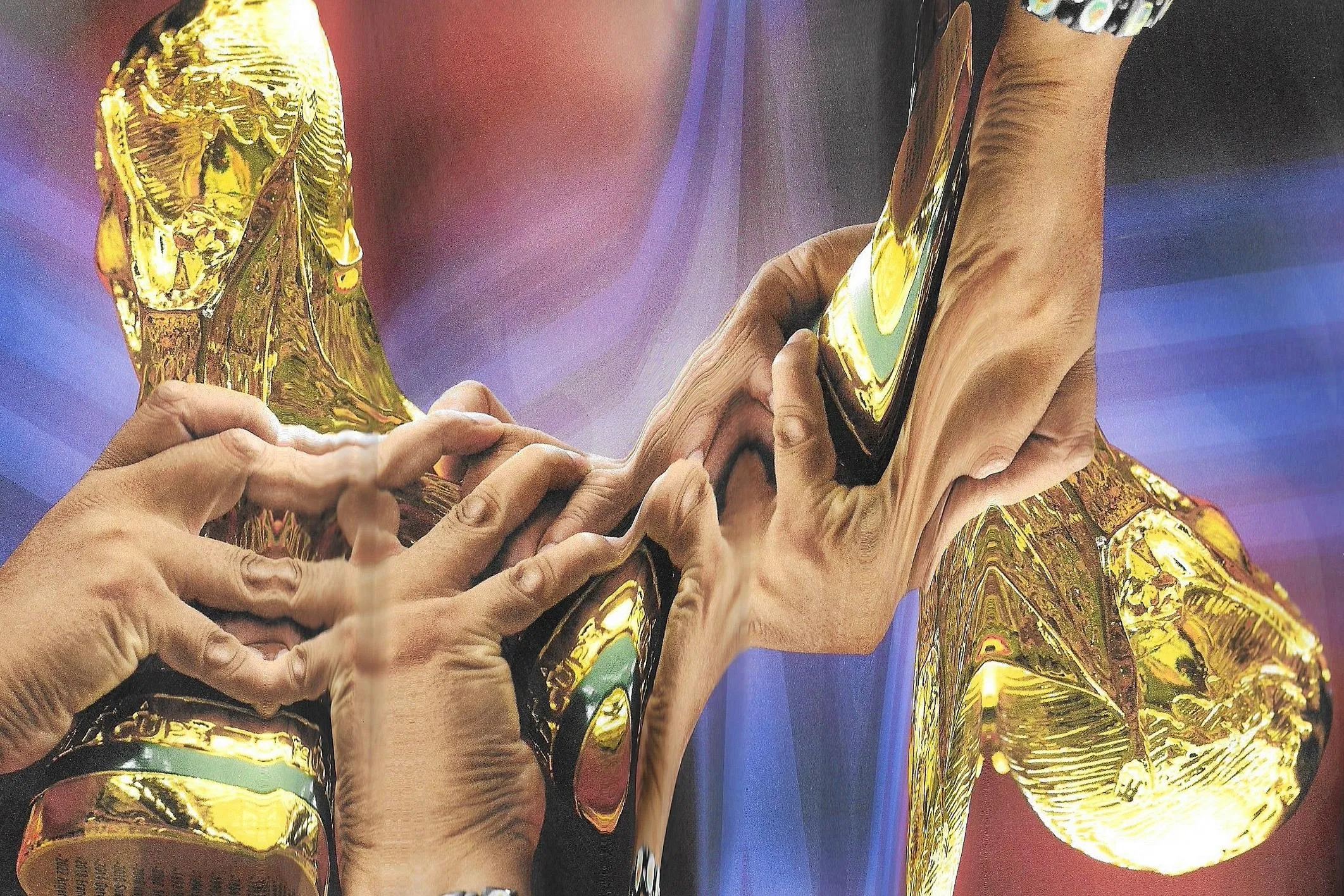
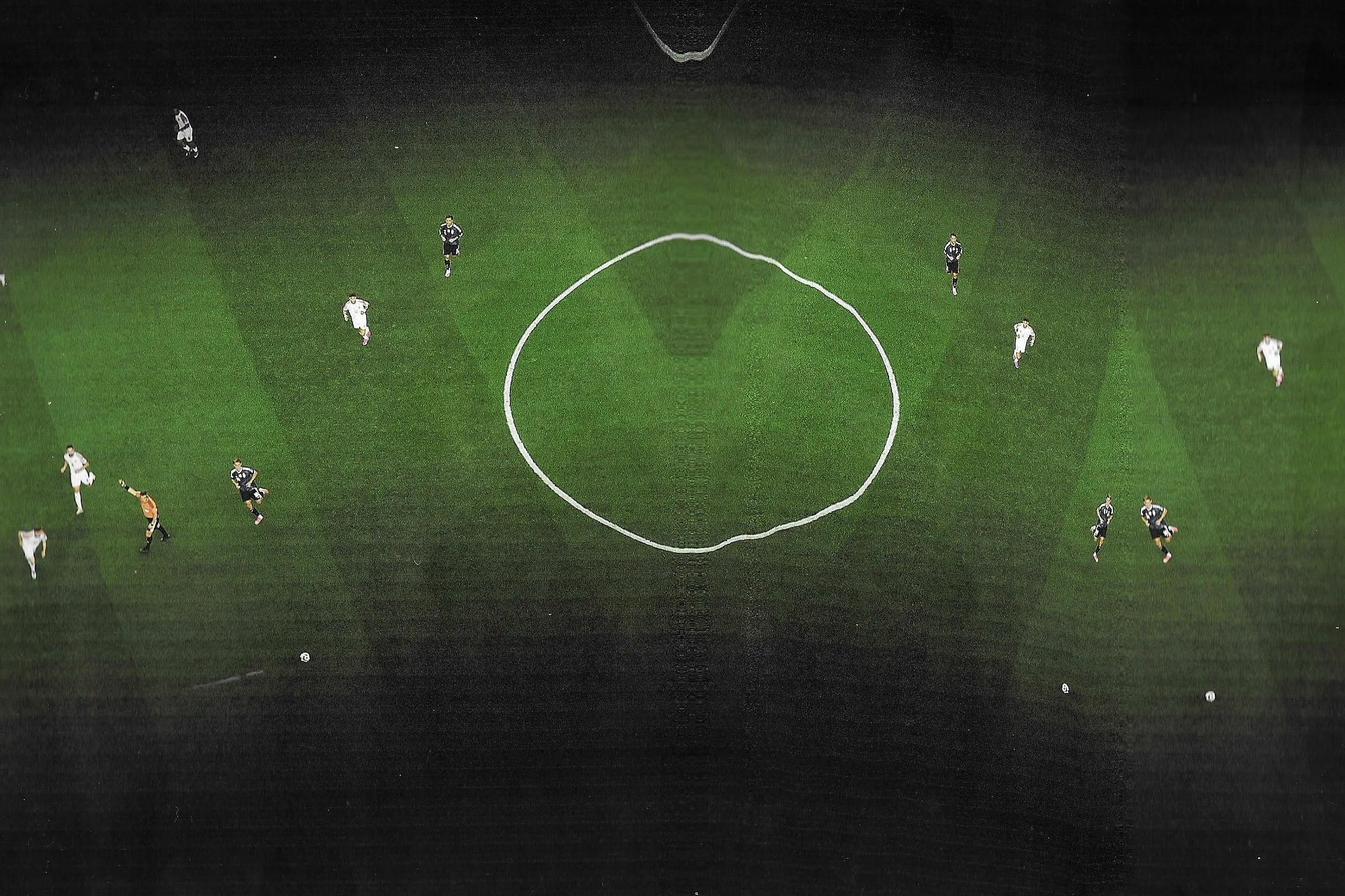
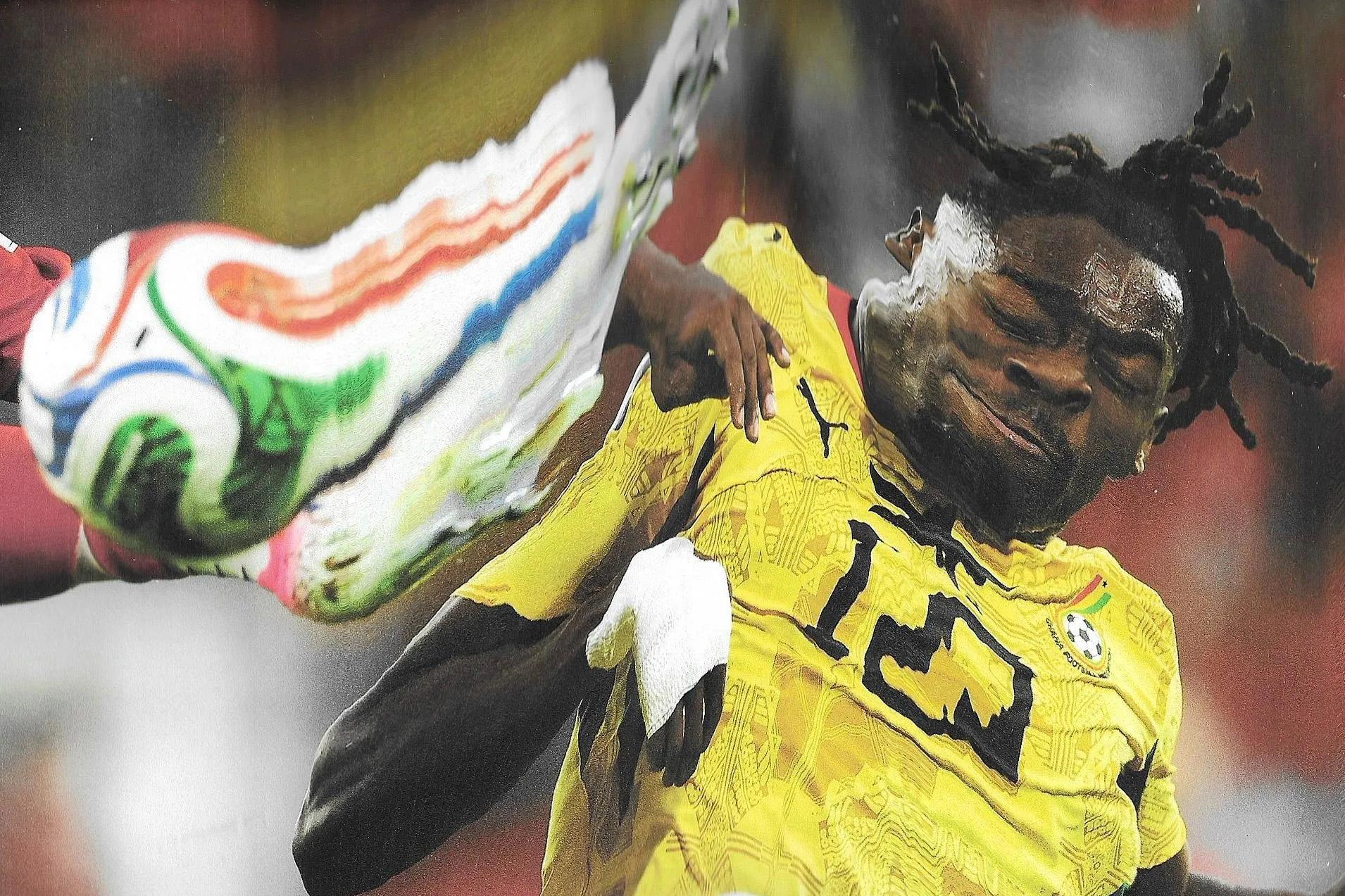
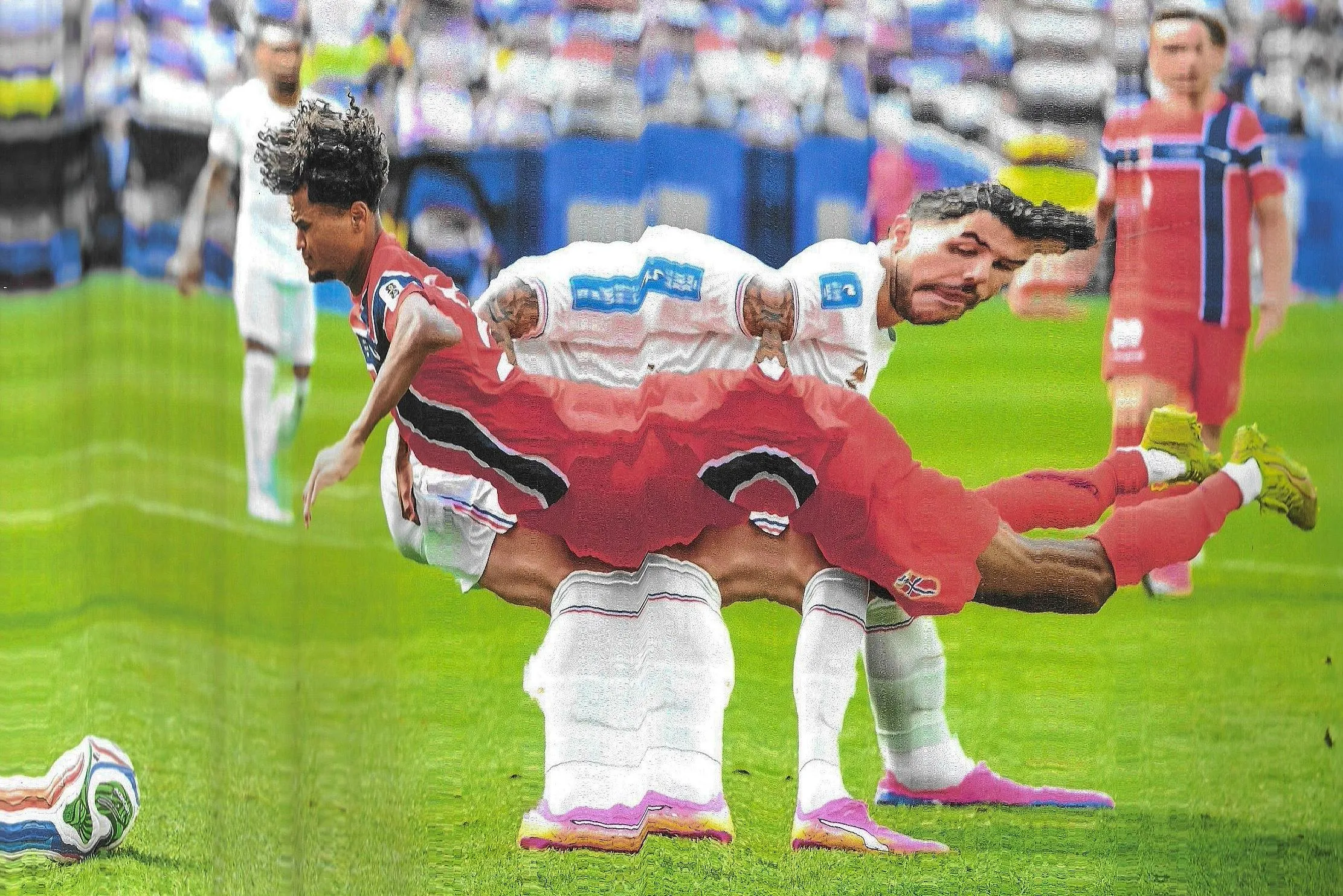
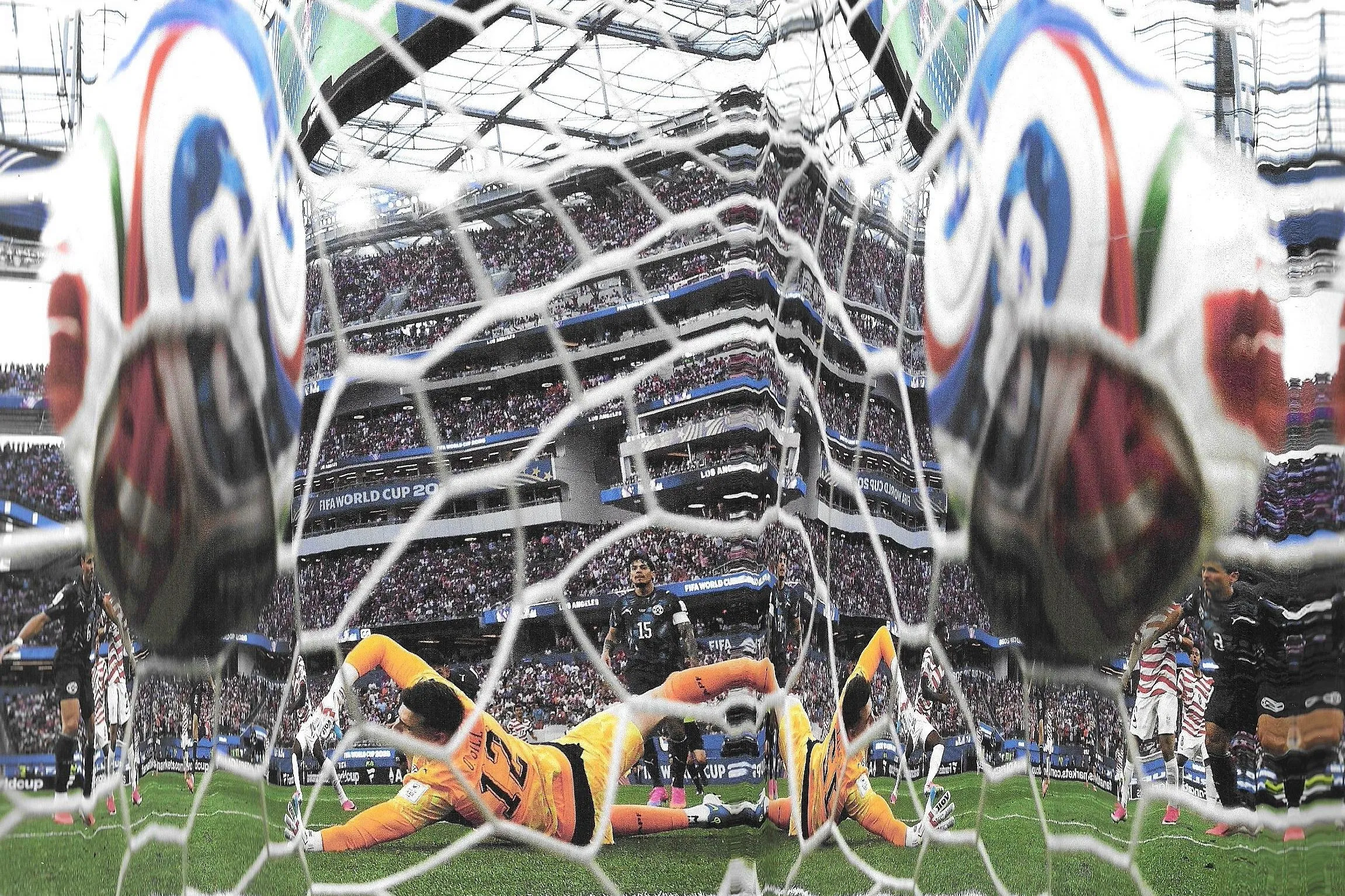
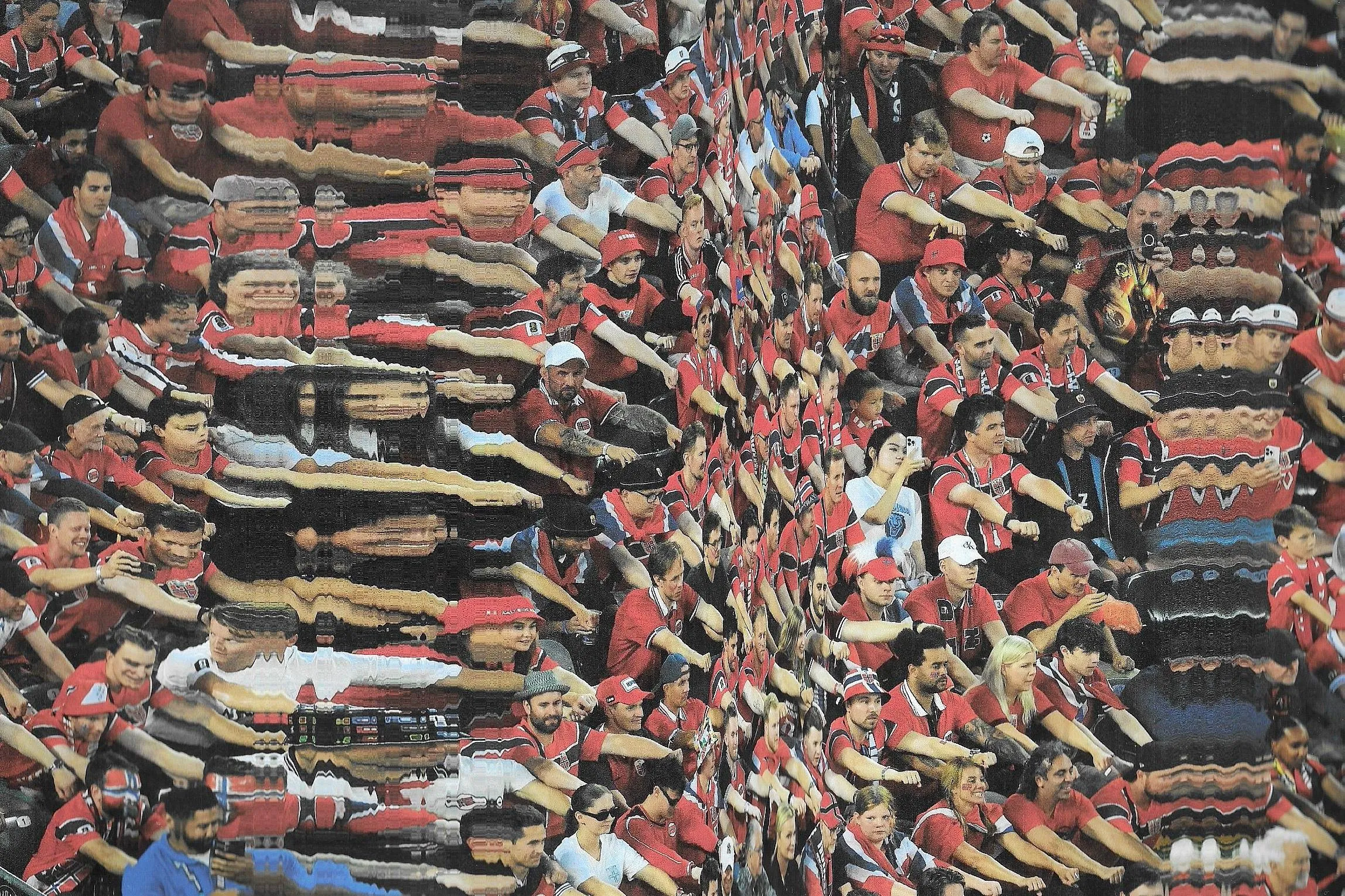
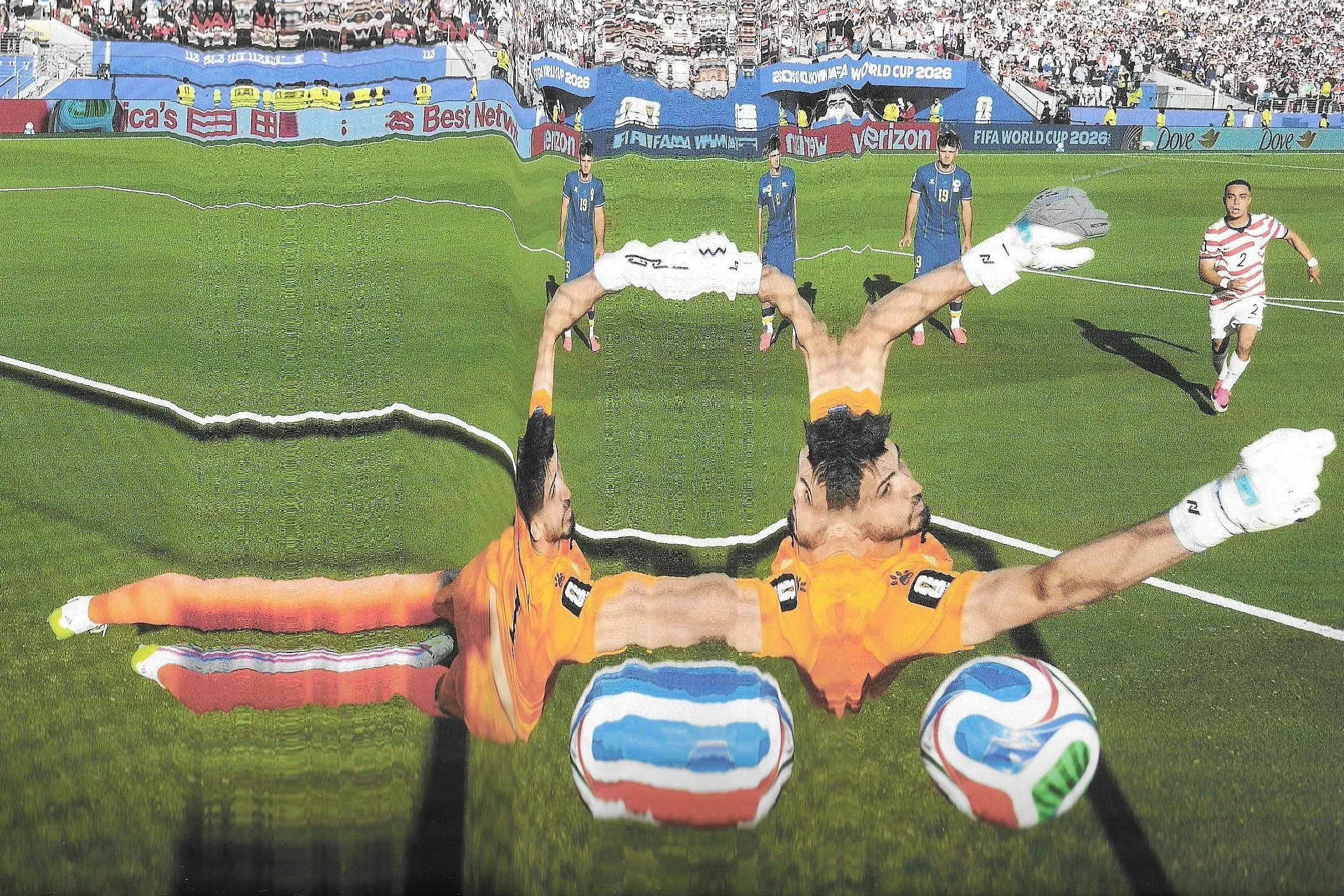
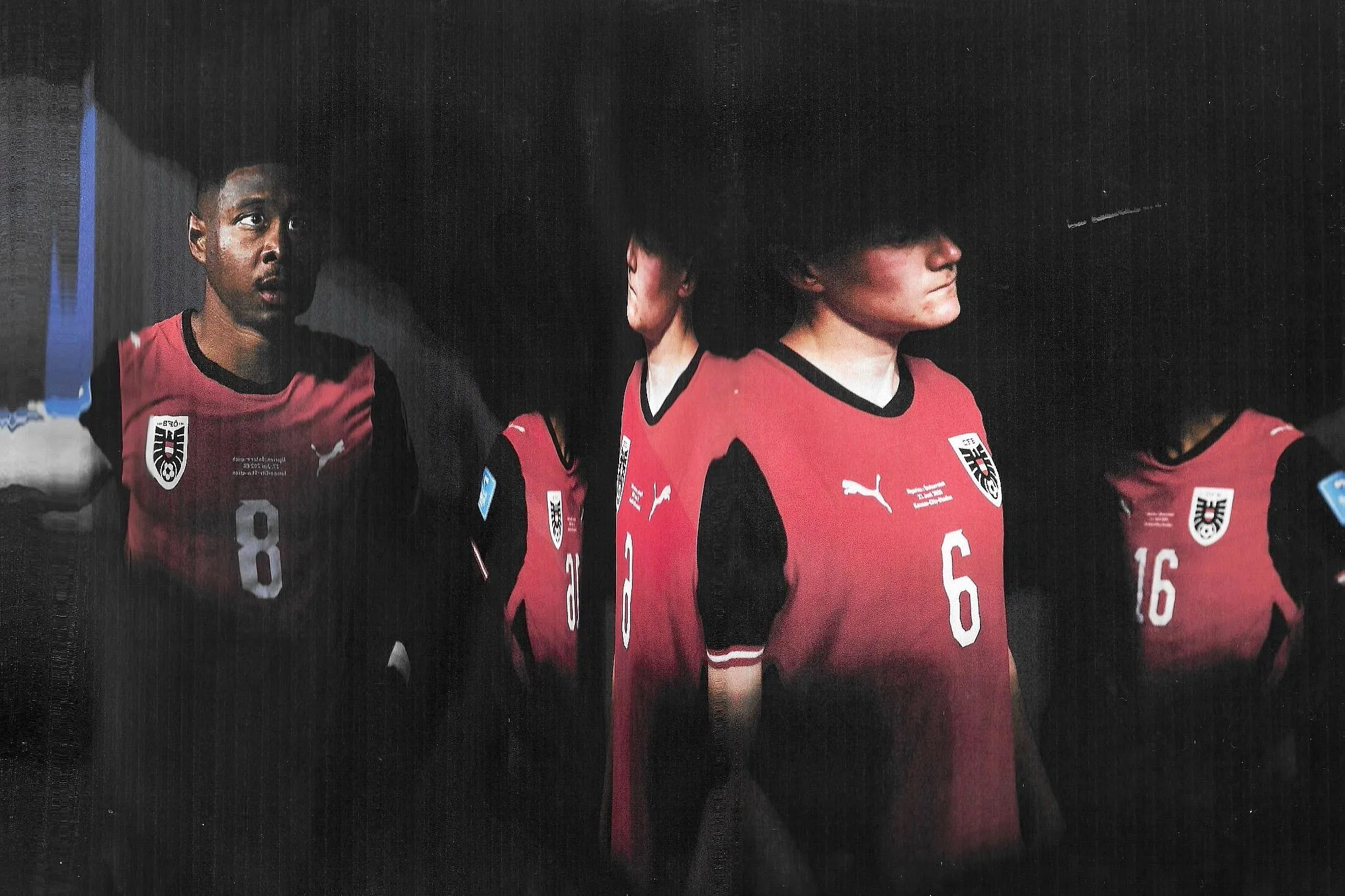
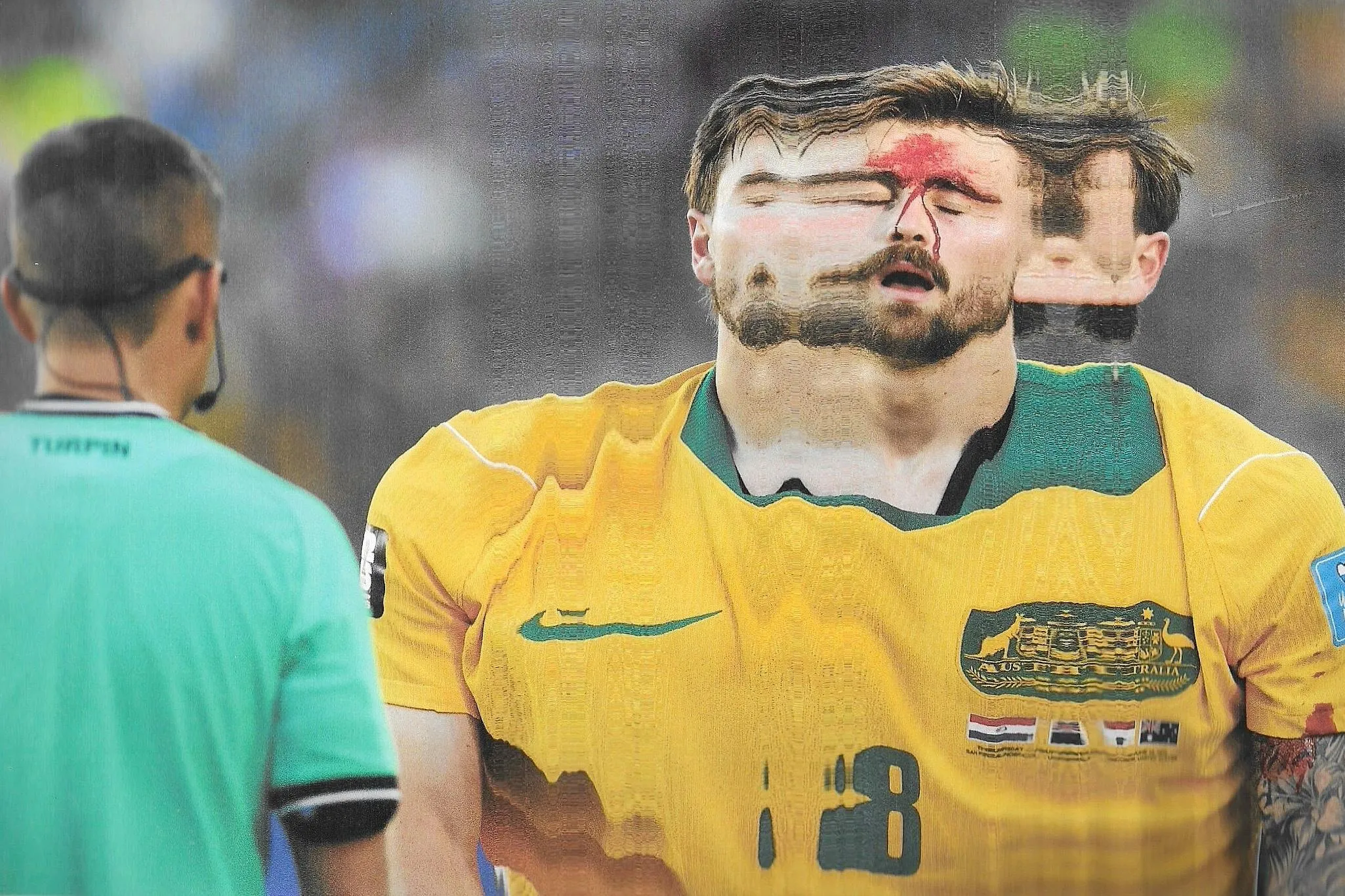
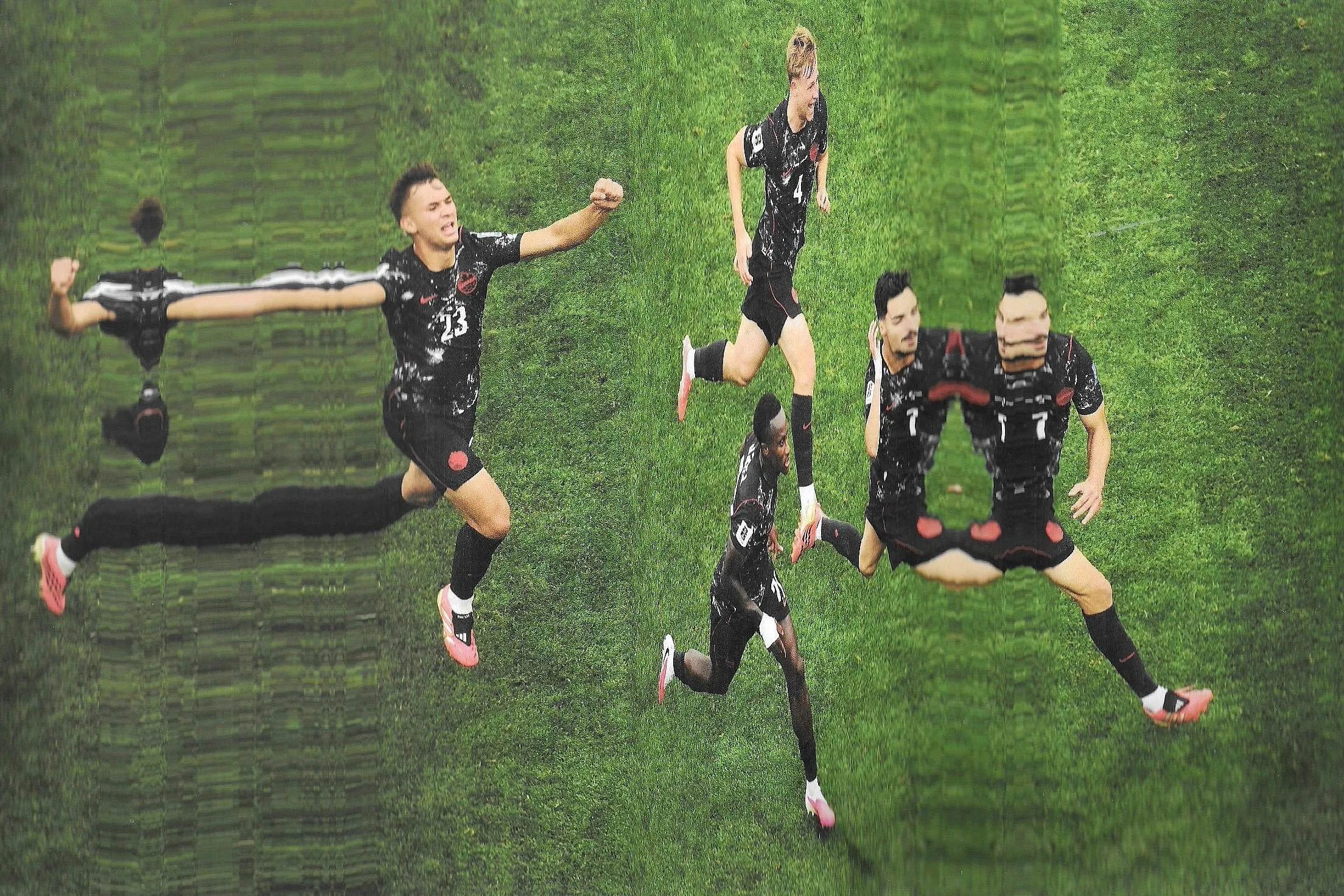
Having edited numerous football images over the years, I have yet to feel the excitement of witnessing a World Cup match in person. I hold deep admiration for those who can capture the action from close range. However, this tournament has revealed that it’s possible to craft experimental representations of the event even from afar.
One alternative photographic method I’ve explored is slit-scanning. This technique involves moving a roll of film past a narrow slit in an analogue camera, which captures the flow of time. Although it is a challenging and time-consuming process, the results often yield fascinating distortions that highlight the long-standing issue of ‘rolling shutter’ that has perplexed photographers for many years.
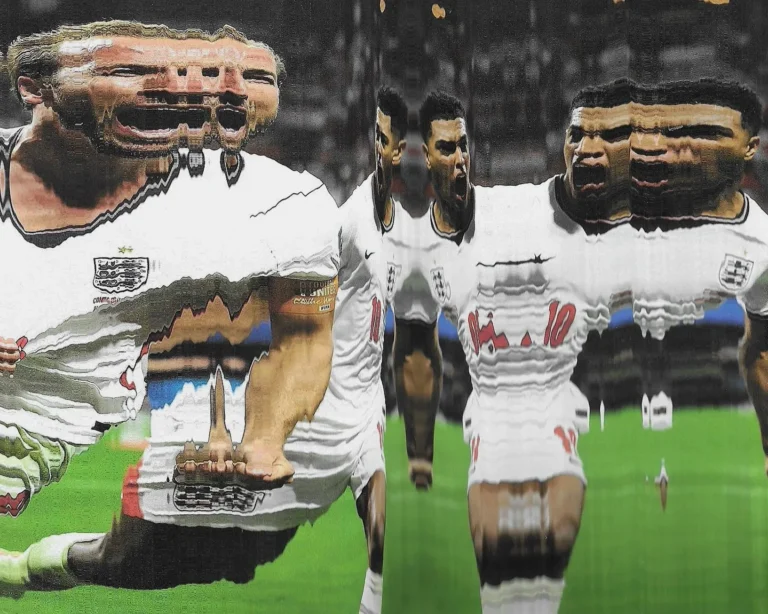
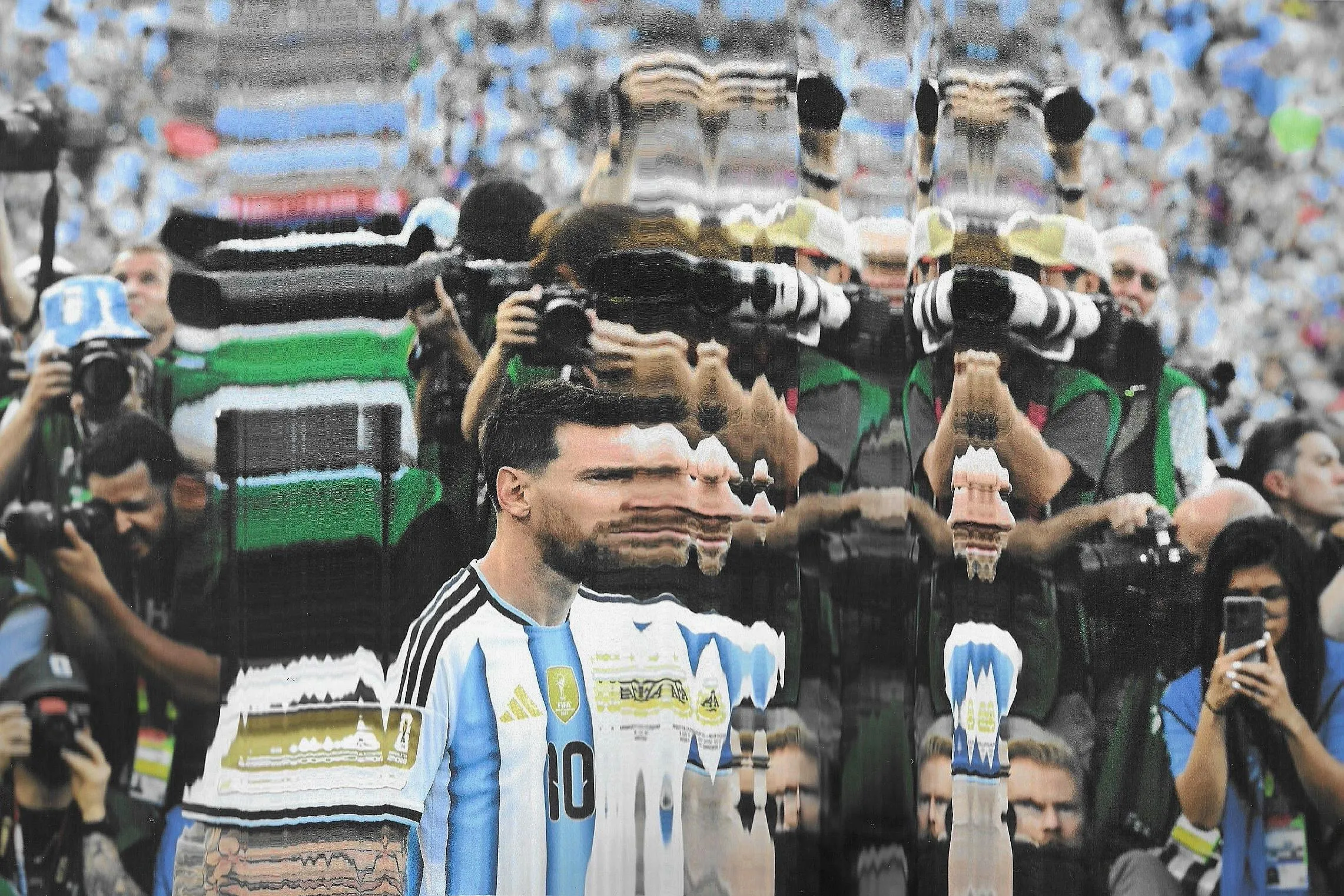
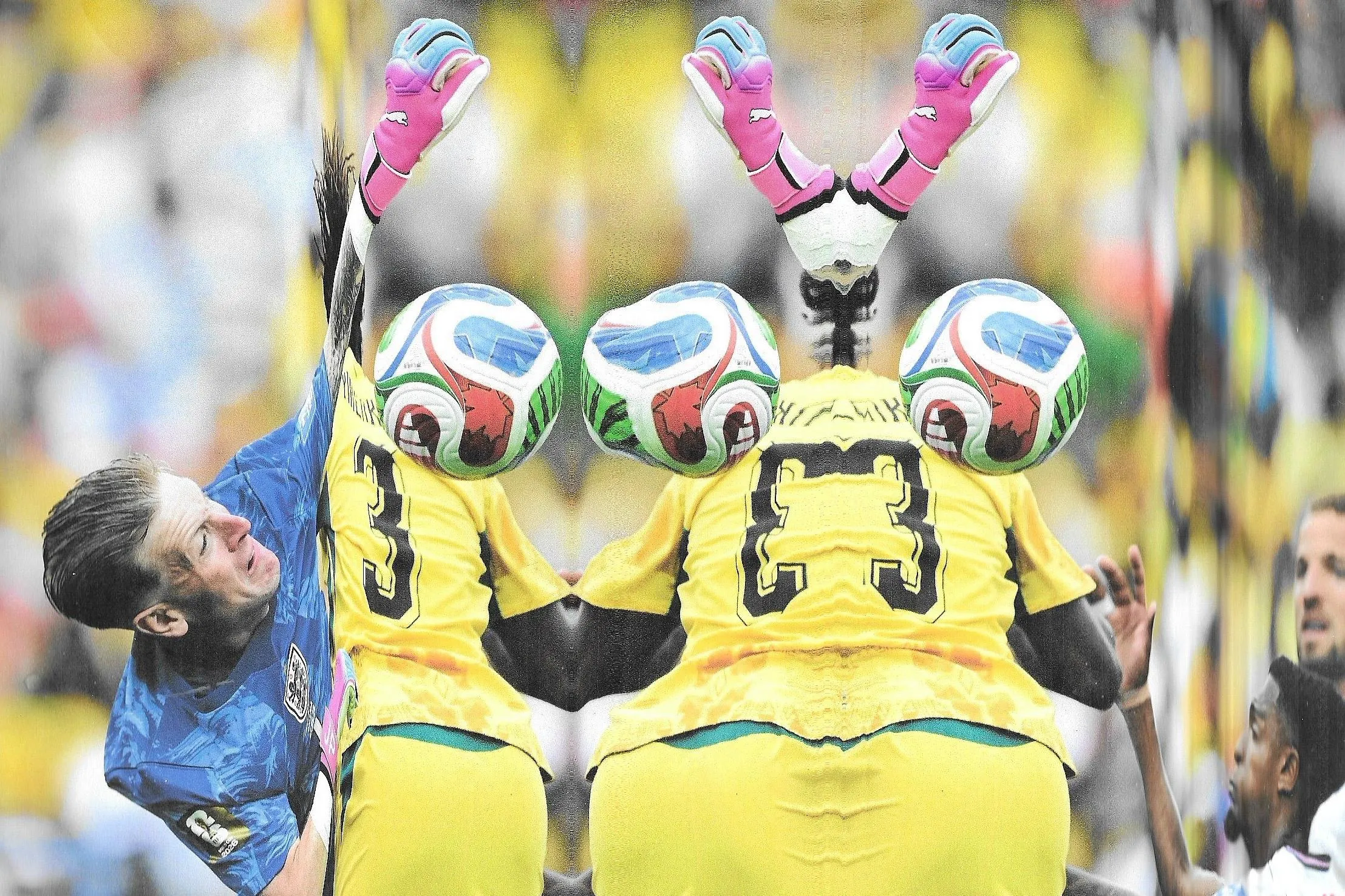
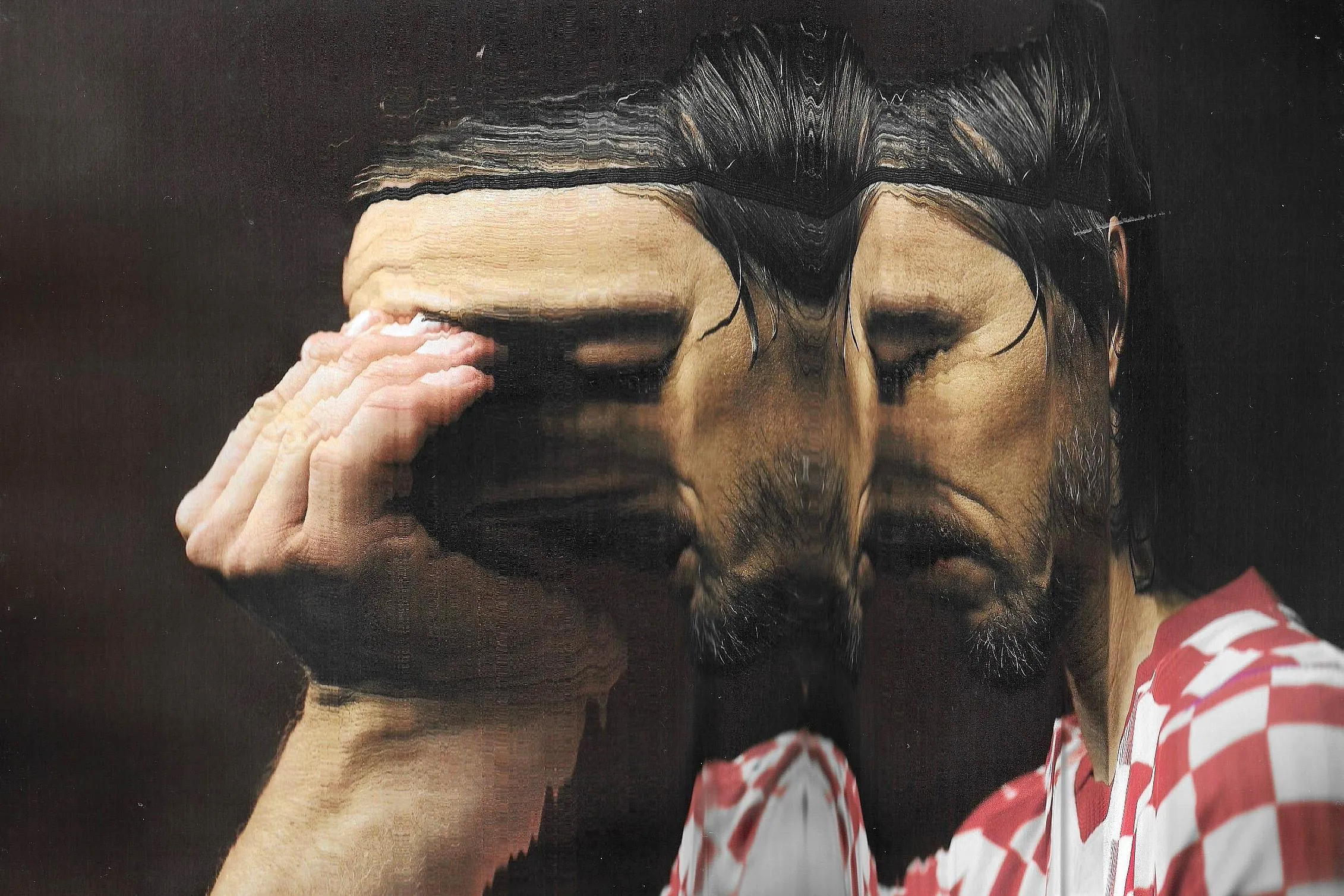
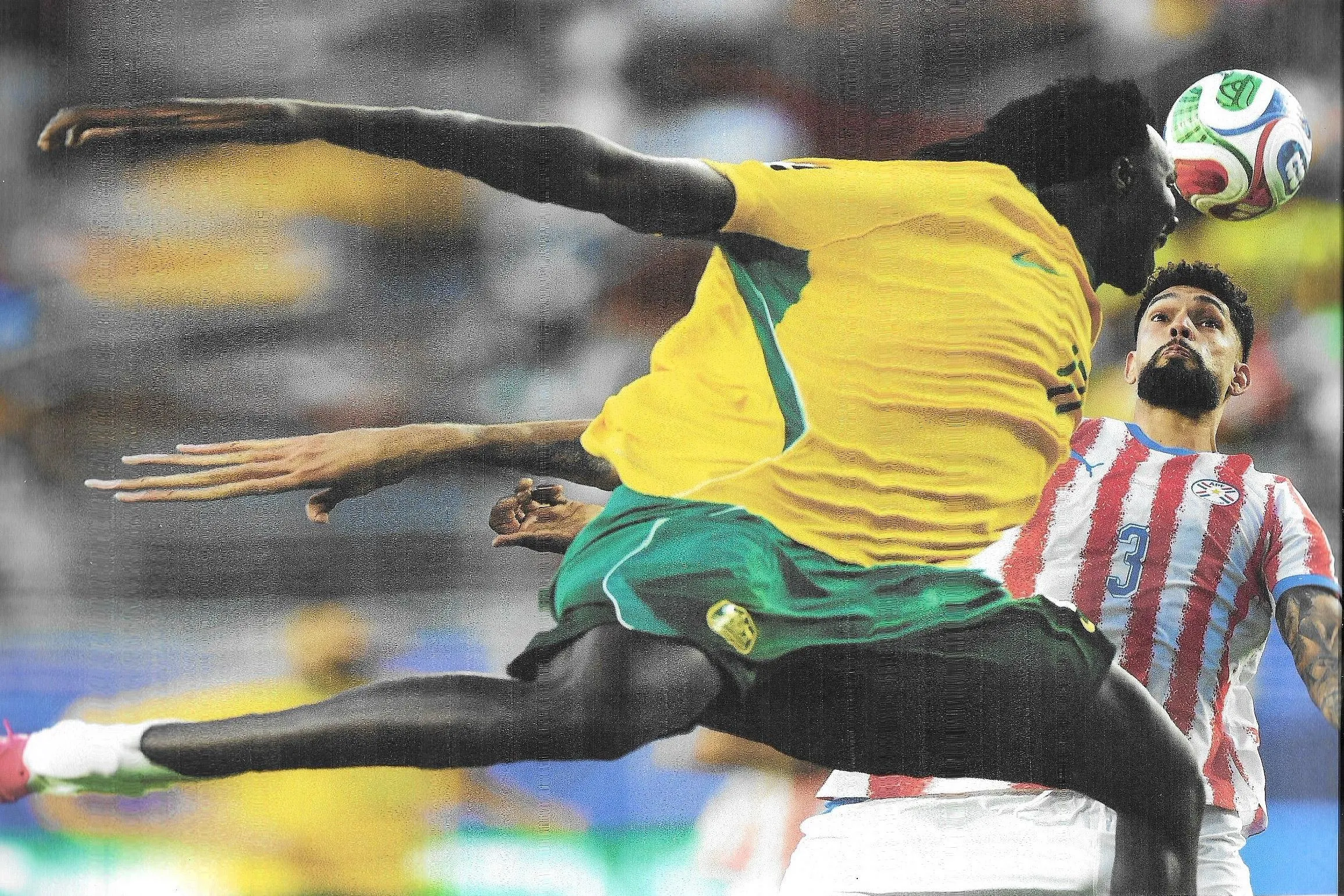
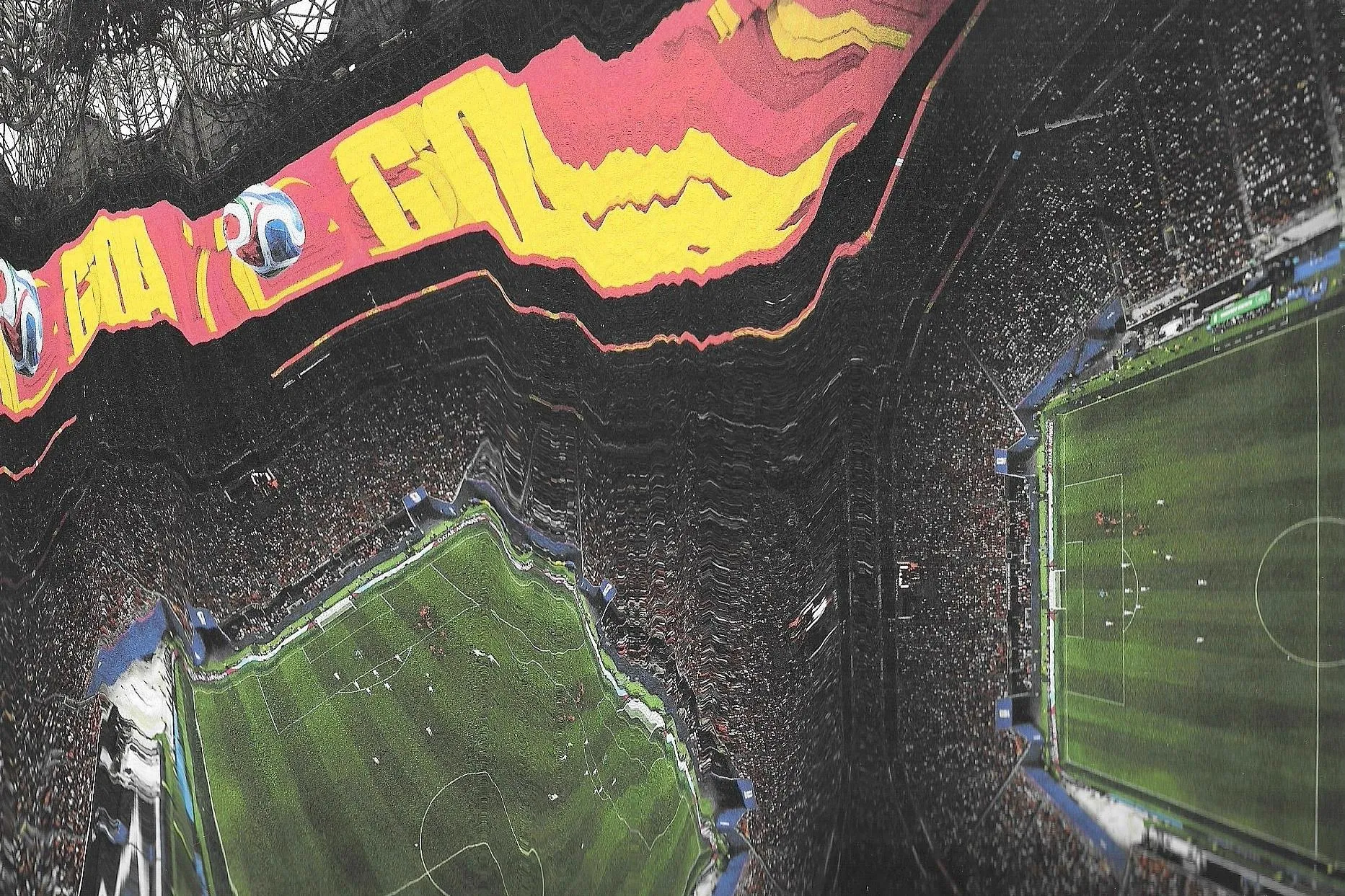
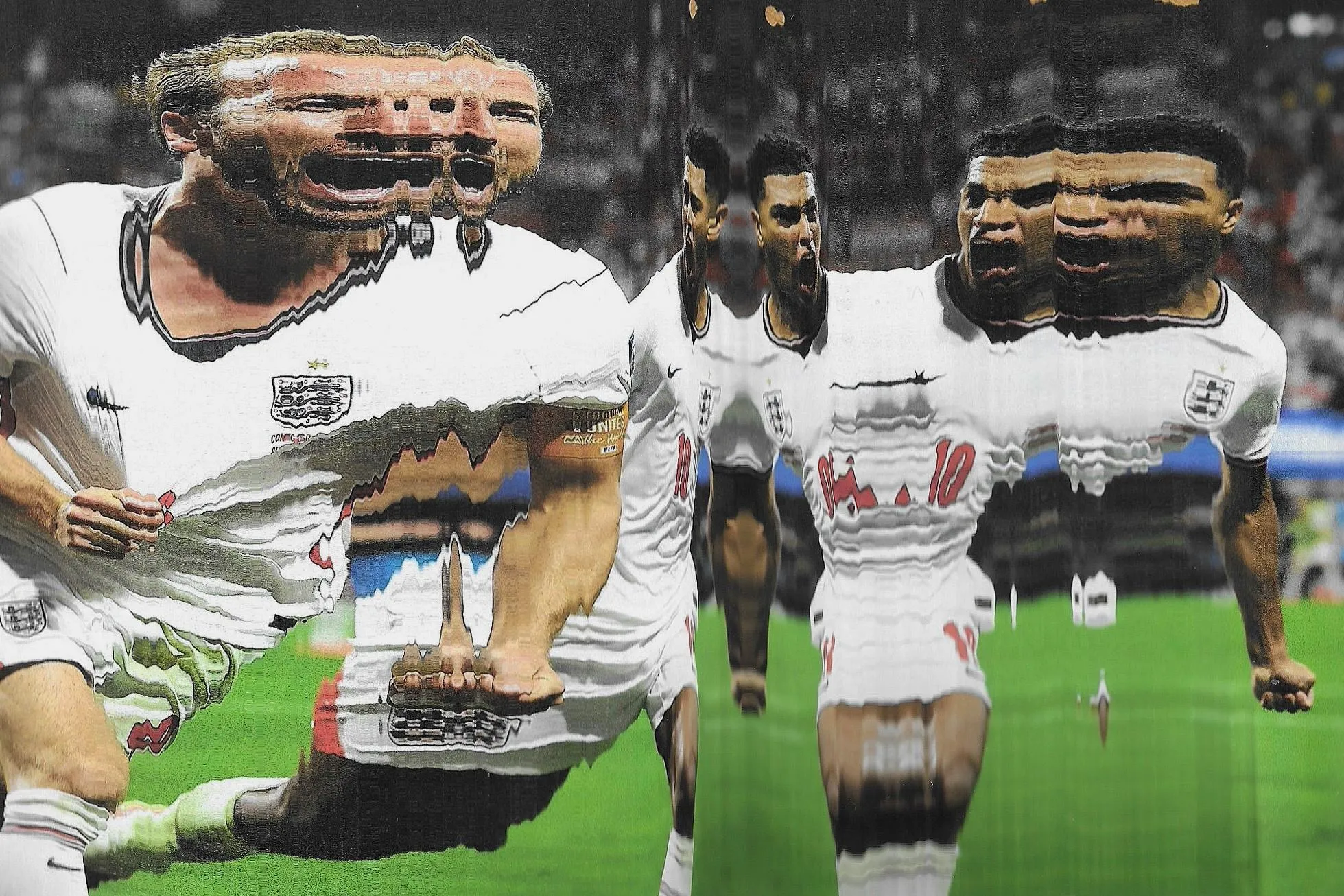
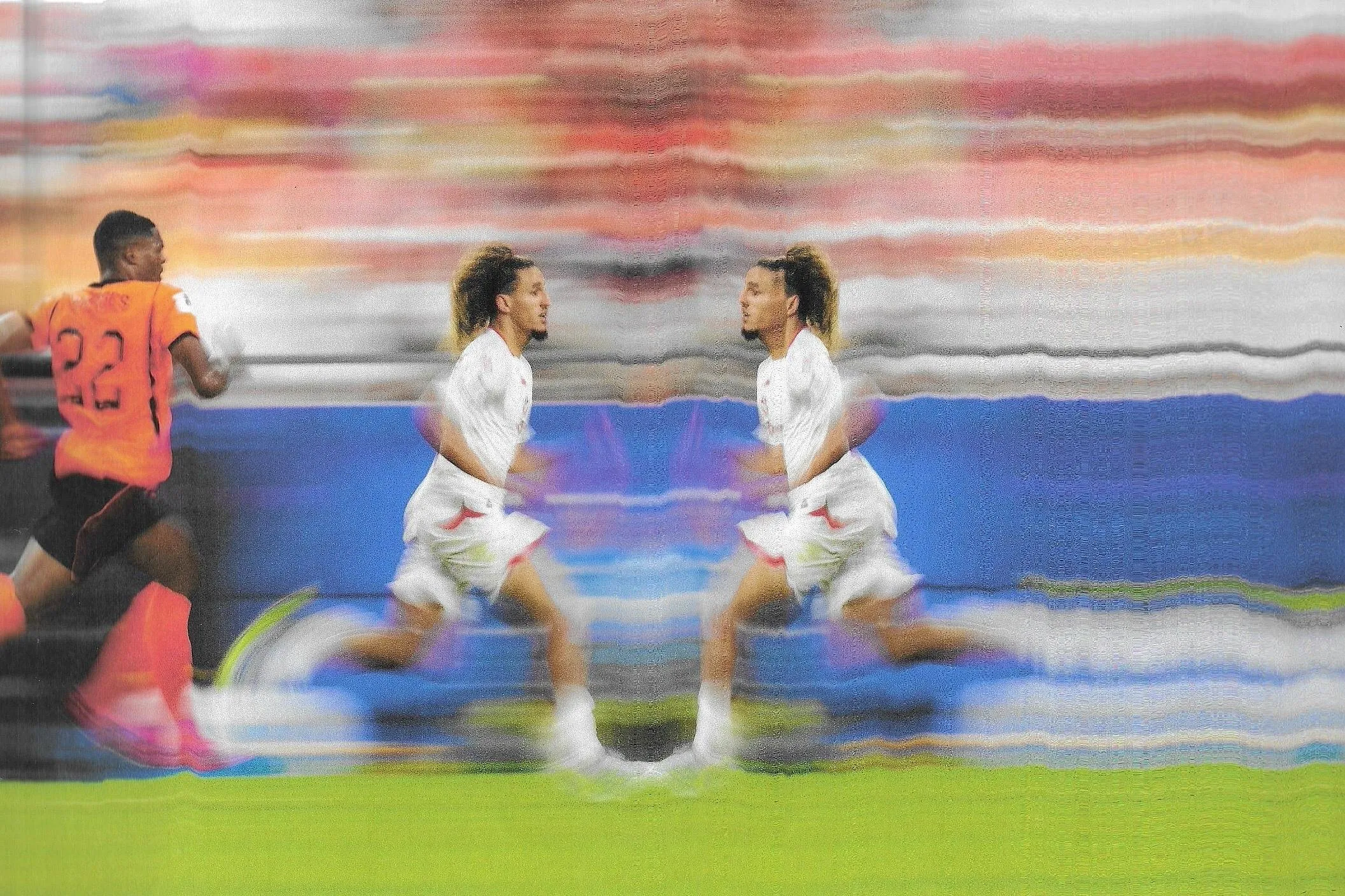
A simpler way to create a warping effect is by using printed photographs and a digital flat-bed scanner, as showcased in this gallery.
Interestingly, scanning holds historical significance in the realm of sports photography. The mechanical slit-scanning technique was developed in the late 1930s by Hollywood engineer Lorenzo Del Riccio, who created the ‘circular flow camera.’ This innovative device was employed at the Del Mar Thoroughbred Club in the U.S., positioned strategically at the finish line.
As the film traversed through the camera at a speed comparable to that of an average horse, any body parts moving at different velocities appeared distorted. More crucially, the camera adeptly captured the race’s critical outcomes.
About two decades later, the esteemed Life magazine photographer George Silk utilized slit-scanning during the Olympic tryouts in 1960 to convey the dynamism of the human form. His images of shot-putters and sprinters offered an impressionistic view of athleticism.
This World Cup has witnessed a surge of photographers employing innovative techniques to capture the event. Florence Pernet has gained attention for her striking images, taken by photographing her television screen. These photos went viral after being shared by French footballer Michael Olise. Pernet stated, “I don’t have an accreditation, but I do have my TV and my own vision.”
Photographers working with major global agencies are also being encouraged to embrace alternative methods. This has led to the use of vintage cameras, infrared imaging, and prismatic filters alongside high-end mirrorless cameras and telephoto lenses. Recently, Getty’s Shaun Botterill utilized the same film stock he used during the 1986 World Cup in Mexico.
Through my own experiments with the flat-bed scanner, I found that certain types of images are more suited to particular kinds of motion. For instance, during Harry Kane’s goal celebration, I adopted a spontaneous and jagged technique, whereas later scans, such as those of Kylian Mbappé, were carefully orchestrated.
Some might question the purpose of distorting reality or embracing imperfections. After all, it wasn’t long ago that photographers sought cameras capable of capturing thirty sharp frames per second with eye-controlled autofocus. Why reject technological advancements and journalistic standards? The explanation lies in the fact that photography has always served as both an artistic expression and a documentary medium. It is inherently flexible, subjective, and free from rigid rules.
I acknowledge that the images I have reinterpreted required significant skill and creativity to create—each one was remarkable in its own right, which is precisely why I selected them. Nevertheless, there are times when it is refreshing to experiment with photography and view the World Cup from a different lens, even if it means being 3,000 miles away from the action.