


The World Cup continues to evolve, expanding its reach and experimenting with its structure while consistently seeing victories from the same eight nations in Western Europe and South America. The tournament has recently introduced new phases and altered tie-breaking rules, but the familiar dominance of traditional footballing giants remains.
Since Argentina’s victory in 1978, only two nations, France and Spain, have emerged as new champions, both benefiting from the resources available to European clubs. These countries have established themselves as leaders in youth development, setting benchmarks for others to emulate in their quest to enhance football academies.
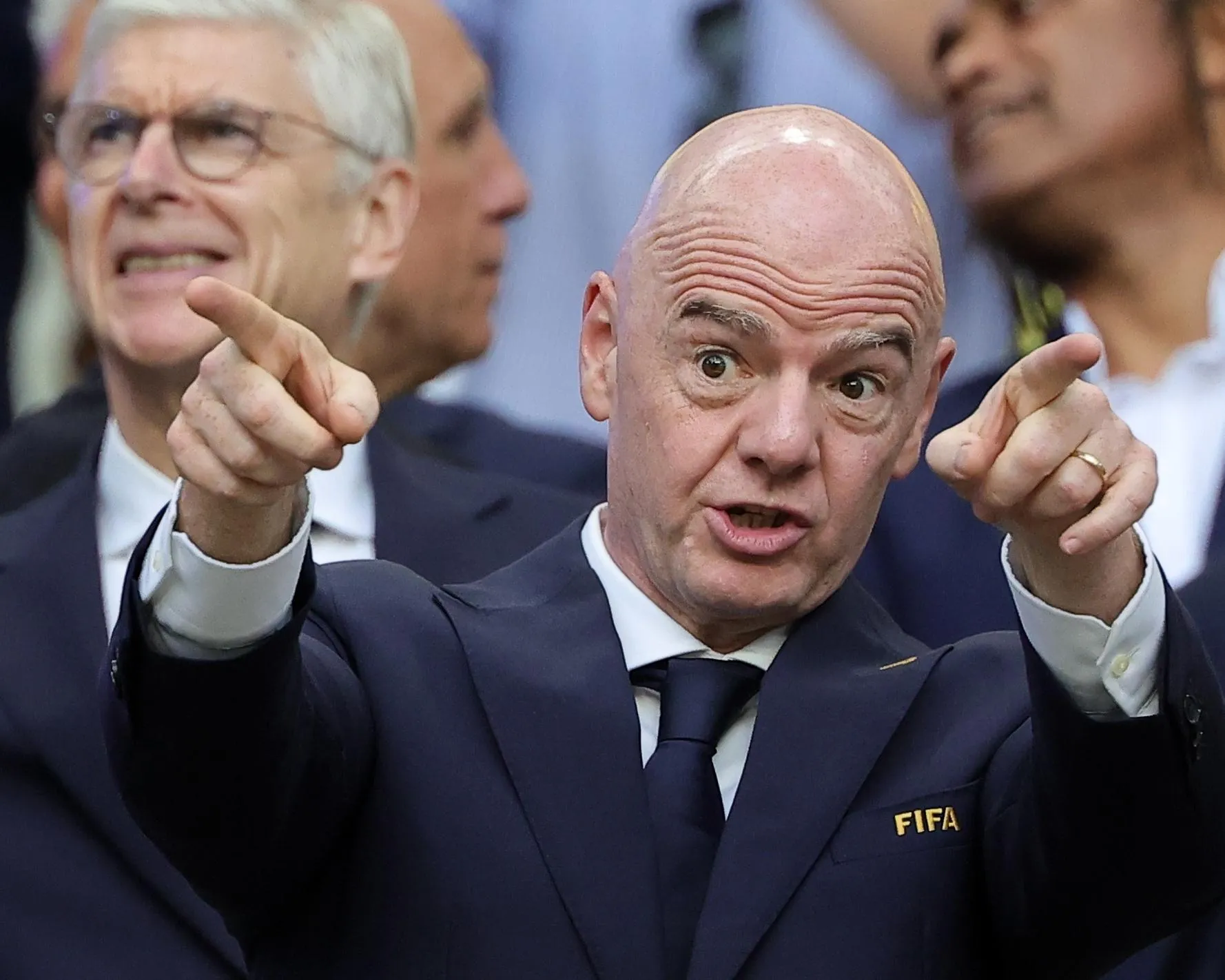
However, a growing disconnection between the footballing elite and governance is evident. Fifa President Gianni Infantino positions himself as an advocate for developing nations, supported largely by votes from Africa, Asia, and Latin America, much like his predecessors Sepp Blatter and João Havelange.
Despite ongoing issues, such as the treatment of migrant workers in Qatar and restrictions on entry into the United States and Canada for various individuals related to the sport, Infantino’s standing remains unshaken. His supporters benefit from financial incentives, comfortable positions, and are unlikely to challenge the status quo.
The expanded Club World Cup has undoubtedly generated revenue for certain affluent clubs in Europe, but it also signifies a continuing power struggle between Infantino and Uefa. While Europe might have the potential to confront Fifa under more innovative leadership, Uefa has largely focused on symbolic gestures, like freezing ticket prices for Euro 2028 and appointing Omar Artan, the Somali official denied entry in Miami, to referee a Super Cup final.
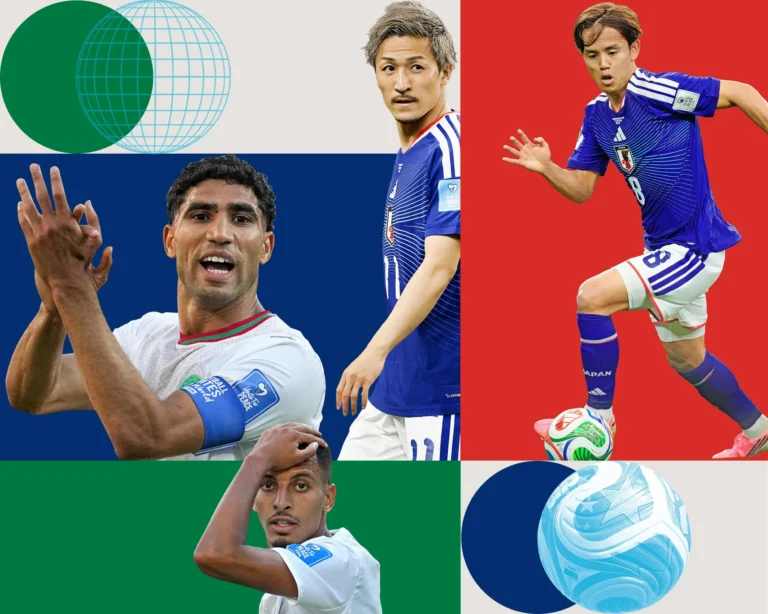
As the World Cup progresses, the question of whether a non-European or South American team can triumph persists. This query has gained urgency since Cameroon reached the quarter-finals in 1990 and Nigeria and Cameroon secured Olympic gold in 1996 and 2000. In the current tournament, Japan and Morocco stand as credible contenders facing established giants: Japan against Brazil and Morocco taking on the Netherlands, a team emblematic of the traditional football order despite their lack of a World Cup title.
Both Japan and Morocco displayed strong performances leading up to the tournament and have generally upheld their form during the group stages, albeit through differing paths.
Morocco’s World Cup success surpasses its achievements in the Africa Cup of Nations, where they have only claimed the title once. In 1986, Morocco made history as the first African nation to advance beyond the World Cup group stage, and four years ago in Qatar, they became the first to reach the semi-finals.
The Moroccan squad has greatly benefited from its diaspora; 19 of the 26 players were born outside Morocco, including three in the Netherlands. Many have had the advantage of training in elite European academies, which offer resources that are not accessible in their home country.
Nonetheless, Morocco is actively developing its own football system. The Mohammed VI Academy near Rabat contributed four players to the 2022 squad. Although Azzedine Ounahi is currently the only alumnus in the team, the academy’s influence is expanding to additional cities, suggesting that opportunities for aspiring Moroccan footballers could significantly increase in the coming decade.
In contrast, Japan’s challenges do not stem from a lack of financial resources. The J League, established in 1992, has thrived, although most top players still move to Europe. Currently, only three members of the national squad play in Japan, yet they are primarily trained domestically. Major European clubs now recognize that players from the J League can adapt easily, comparable to talents from other lower-tier leagues.
Japan’s national team has developed a distinct style under coach Hajime Moriyasu over the past eight years, characterized by organized pressing and technical possession play. Daizen Maeda’s recent goal against Sweden exemplified this unique Japanese football identity.
As Morocco faces the powerful Brian Brobbey, it will need to find ways to limit his impact and control the supply of the ball to him. The duel between Achraf Hakimi and Cody Gakpo will likely be crucial. Japan, still seeking their first knockout victory in World Cup history, must contend with psychological barriers, although their comeback from a 2-0 deficit to defeat Brazil in a friendly last October could bolster their confidence.
Carlo Ancelotti’s Brazil finds itself in an interesting position, reminiscent of the complexities his Real Madrid side once faced: undeniably talented yet flawed. Ancelotti may continue to elicit standout performances from Vinícius Júnior, but Japan’s midfield could dominate, especially with Takefusa Kubo’s possible return from injury to enhance their creative options.
These encounters promise to be fiercely competitive. Both Brazil and the Netherlands hold the potential to advance, presenting a risk that the best chances for a breakthrough victory from outside the historical powerhouses could vanish quickly. However, the intrigue surrounding these matchups indicates a shift on the horizon; if a new footballing order is emerging, it will materialize on the pitch through collaborations with the European system rather than through Infantino’s strategies.
- World Cup 2026
- Inside football
- Japan
- Morocco football team
- Netherlands
- Brazil
- World Cup
- comment