


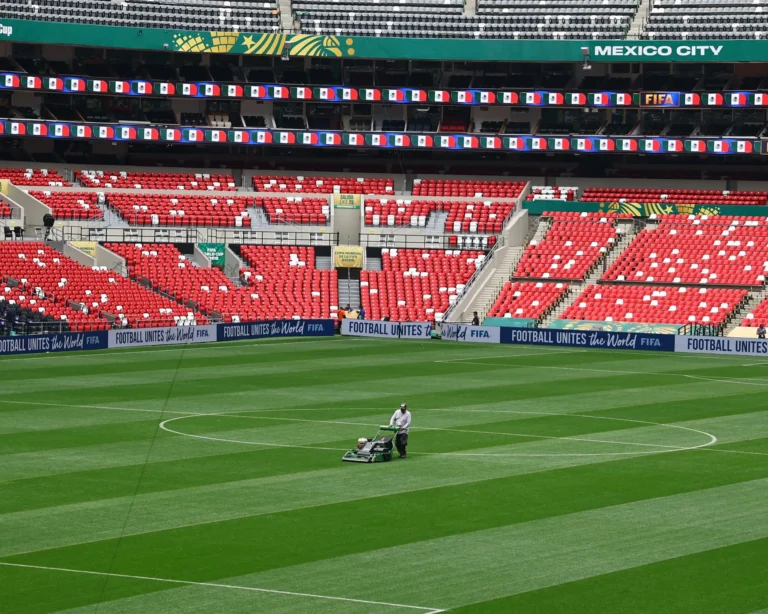
In Mexico City this week, it has been nearly impossible to avoid the presence of Hugo Sánchez, the legendary former Real Madrid striker, who is prominently featured in numerous advertisements. While Raúl Jiménez and Toluca’s Alexis Vega also grace a few billboards, Sánchez reigns supreme. Football promotions dominate the landscape, with a FIFA banner at the airport partially obscuring the view for arrivals bearing foreign passports, which might serve as an ironic symbol if the local immigration process weren’t so straightforward. Amid the heavy traffic, exacerbated by a teachers’ strike and related protests, vendors are seen selling counterfeit Mexico jerseys.
This scene raises the question: is there a true pre-tournament buzz? Maybe not yet. Several murals around Coyoacán, including those of Frida Kahlo, now feature football themes, though the disapproving expressions of the iconic artist seem to linger. Flags are draped in various bars and cafes, but the enthusiasm of waitstaff and taxi drivers when encountering actual World Cup attendees suggests that the excitement has yet to fully materialize. If traffic congestion indicates fervor, then Mexicans are eager for the tournament; however, many appear to harbor low expectations for their national team and express frustration at being overshadowed by Donald Trump’s presence.
The city’s usual chaos has intensified, and as further demonstrations are anticipated this week from teachers, retired judges, and activists raising awareness about the plight of Mexico’s 134,000 missing persons, the situation may become even more tumultuous. Yet, the World Cup has not officially commenced.
This World Cup carries its own baggage, marred by visa complications, exorbitant ticket prices, and Gianni Infantino’s overt deference to Donald Trump. While it may seem unlikely, there exists the possibility that widespread disillusionment could culminate in a significant push for reform within FIFA. Nevertheless, the tournament is set to begin, kicking off with matches featuring Mexico against South Africa and South Korea versus Czechia. The path forward remains uncertain.
Even under the best circumstances, the tournament may unfold slowly, with 72 group matches to weed out the lowest-ranked teams (in contrast to the previous format of 48 games for teams ranked 17th to 32nd since 1998). Simply being the World Cup may suffice to maintain public interest, but many final group-stage matches could feature teams already through to the next round. Consequently, the tension of the knockout stage might arrive abruptly.
In the last World Cup, Argentina overcame an early loss to Saudi Arabia to emerge victorious, just as Spain did in 2010 after falling to Switzerland. If either were to suffer defeat against similarly ranked teams in this year’s last-32 stage, their journey could end, which may not be beneficial for the tournament’s appeal. This format appears hastily conceived, seemingly a product of Infantino’s whims during the 2022 World Cup.
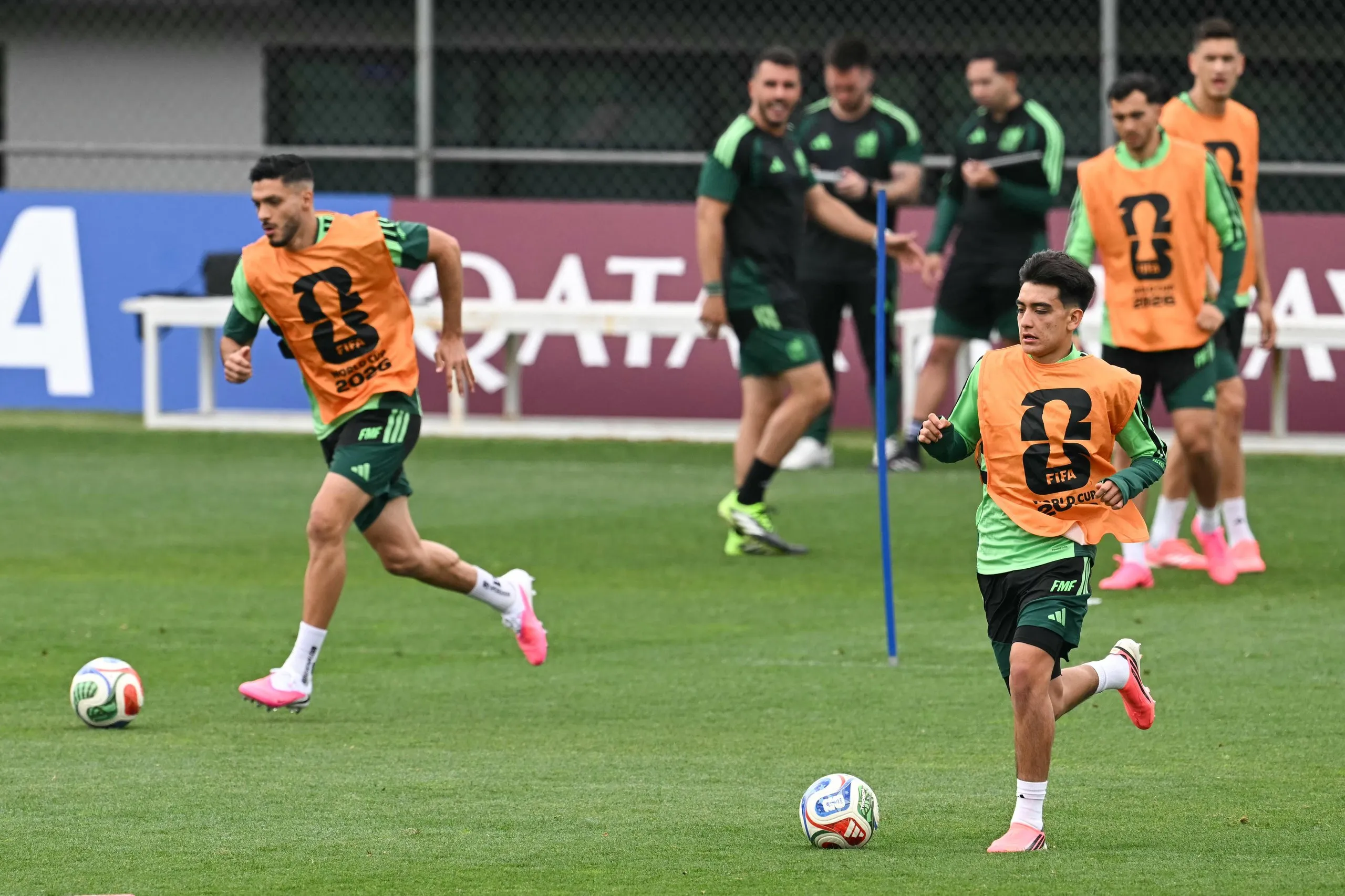
Following their triumph in the Concacaf Gold Cup last year, Mexico struggled, failing to secure a win in their last six friendlies. However, they have since bounced back, claiming victories in six out of eight matches and drawing against both Belgium and Portugal. The suitability of Vega within Javier Aguirre’s 4-3-3 formation remains uncertain, but a recent 5-1 victory over Serbia indicates the team may be peaking at the right moment. Hopes for a resurgence following South Africa’s semi-final run at the 2023 Cup of Nations have dimmed, especially after their disappointing exit in the last 16 against Cameroon in the 2025 Cup of Nations, coupled with a winless streak in their friendlies.
Historically, Mexico has reached the quarter-finals in each of the two previous World Cups they hosted. To replicate that feat this year, they would likely need to defeat England in the last 16, given the seedings. England, one of the four top seeds, would be kept apart from other top teams until the semi-finals, a designation that seems justified. However, they may be more susceptible to fatigue than any other squad due to the demanding nature of the Premier League.
With the Club World Cup and expanded Champions League behind them, combined with the oppressive heat and humidity of many venues, player fatigue is anticipated to be a significant concern. Spain showcased their strength by winning the Euros in 2024 and possess a midfield capable of maintaining possession—a critical advantage given the conditions—but injuries to key forwards may hinder their direct play that was so effective during the Euros.
The extended tournament duration necessitates vigilant player management and minute allocation, making it crucial for teams to keep their rosters fresh. No nation can match the depth of France’s squad. Although Didier Deschamps’ conservative tactics may have limited France since their 2018 World Cup win, a cautious strategy, supported by a talented roster of forwards, could prove successful. In a field lacking a standout favorite, both France and Spain emerge as strong contenders.
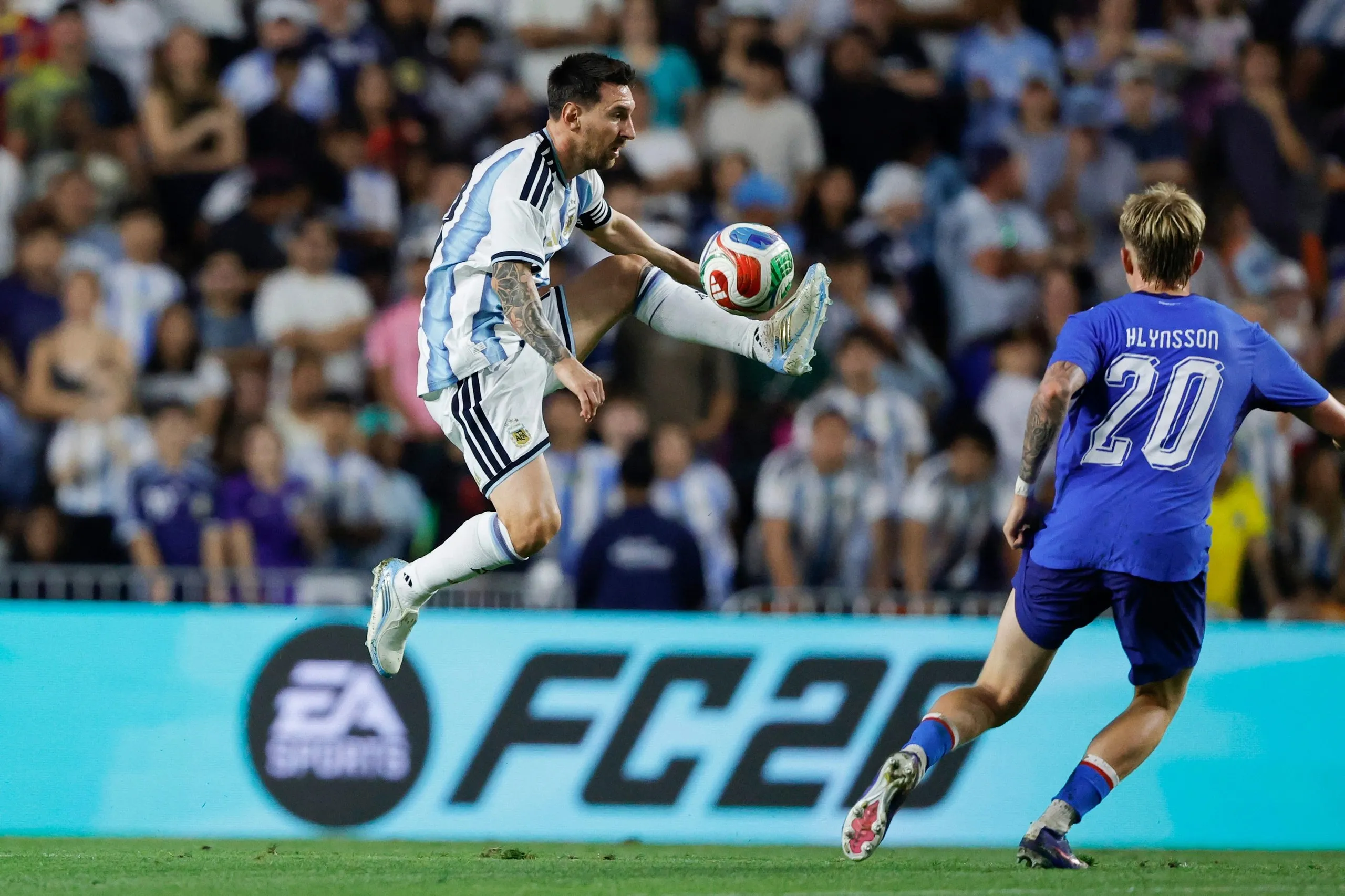
Argentina will again rely on providing a platform for Lionel Messi, who will celebrate his 39th birthday during the tournament, while Cristiano Ronaldo, now 41, poses the most significant challenge for Portugal and their impressive midfield in breaking their championship drought.
Brazil continues to grapple with midfield dilemmas, and injuries have plagued the Netherlands. Meanwhile, Morocco and Senegal pose credible threats, and should there be a serious challenger from outside Europe and South America, Japan may rise to the occasion, despite Kaoru Mitoma’s injury.
However, all of this feels distant, as there remain nearly six weeks until the final. This lack of intensity during the group stage may explain why discussions have predominantly centered around various controversies involving Trump and FIFA, rather than the sport itself.
Typically, the anger surrounding World Cups tends to fade once the matches commence. This time, however, the overwhelming disgust and the vague intrigue surrounding an inflated group stage may prevent that from happening. Alternatively, perhaps Vega will assist Jiménez in scoring during the opener on Thursday, leading everyone to overlook the negativity, and even Frida Kahlo will smile.