


Before Siphiwe Tshabalala unleashed his stunning strike, before Peter Drury delivered his memorable commentary, and before the cacophony of vuvuzelas filled the air, there was a figure named Philip. From the moment Sepp Blatter revealed “Goal Bafana Bafana! Goal for South Africa! Goal for all Africa!” as the World Cup host on May 15, 2004, skepticism loomed large. Many questioned whether the nation could safely and successfully host such a prestigious tournament amid fears of crime, inadequate infrastructure, and unreliable public services.
In response to these doubts, a nationwide movement emerged. Various sectors united to support the event, with supermarkets showcasing World Cup merchandise and vehicles displaying South African flags. Airports underwent renovations, roads expanded, and brand-new stadiums rose from the ground. Central to this surge of optimism was a slogan crafted by the national broadcaster, encouraging citizens to embrace the moment: “Feel it. It is here.”
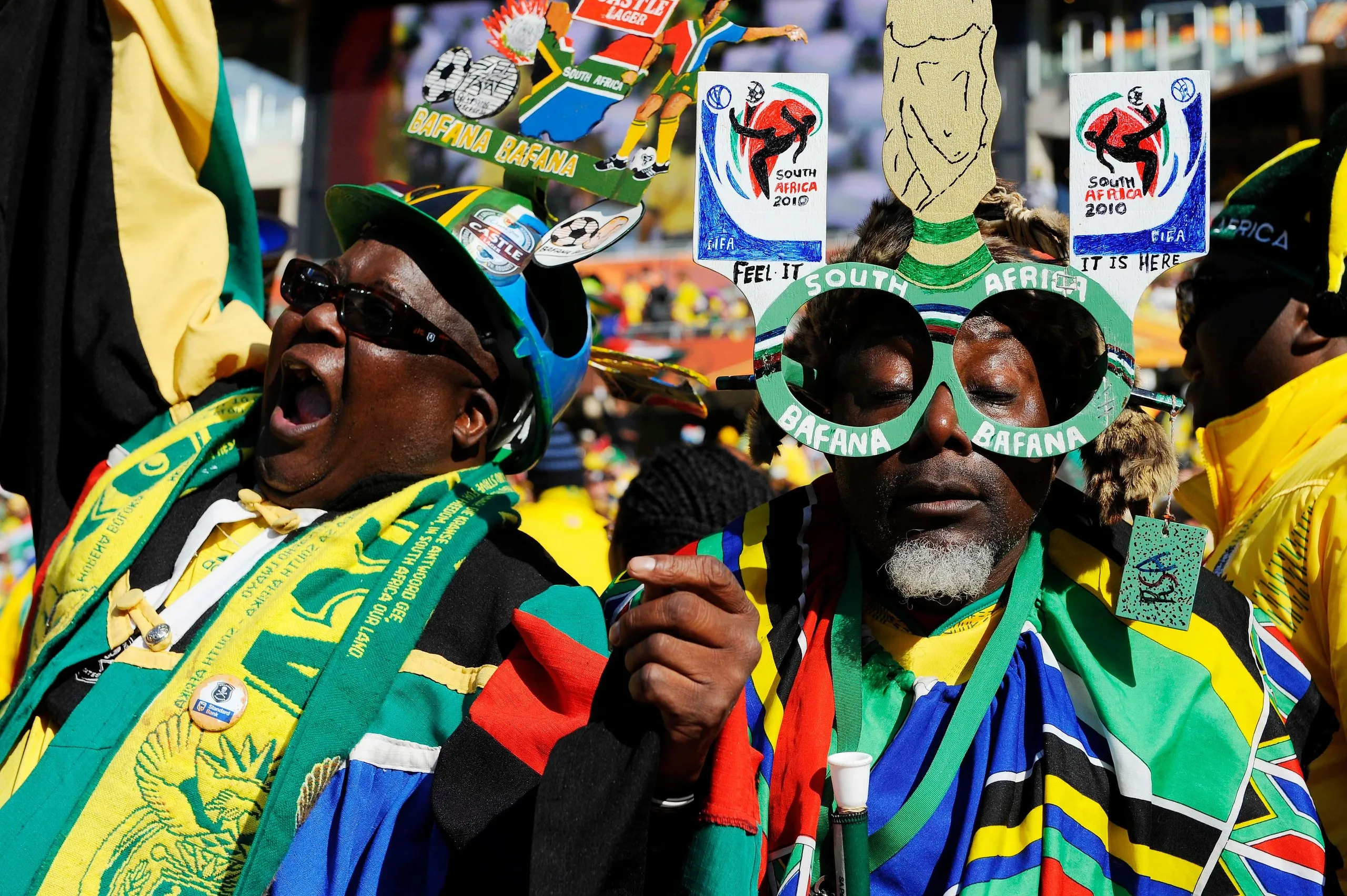
And feel it we did. On Fridays, we donned golden Bafana Bafana jerseys to work. Fans who previously focused solely on rugby or cricket began to engage passionately with the local soccer scene. This rallying cry evolved into the embodiment of our collective spirit, personified by Philip, who became a symbol of this extraordinary experience.
Philip’s persona may have been whimsical, yet he served a vital purpose, giving voice to the unarticulated hopes and doubts of a nation. South Africa in 2010 was a paradox, grappling with its own insecurities and disillusionment with its leaders and their unfulfilled promises. Despite past disappointments, in the weeks leading up to the tournament, something began to change. People who typically navigated public spaces with the constraints of race and class began to share a common rhythm.
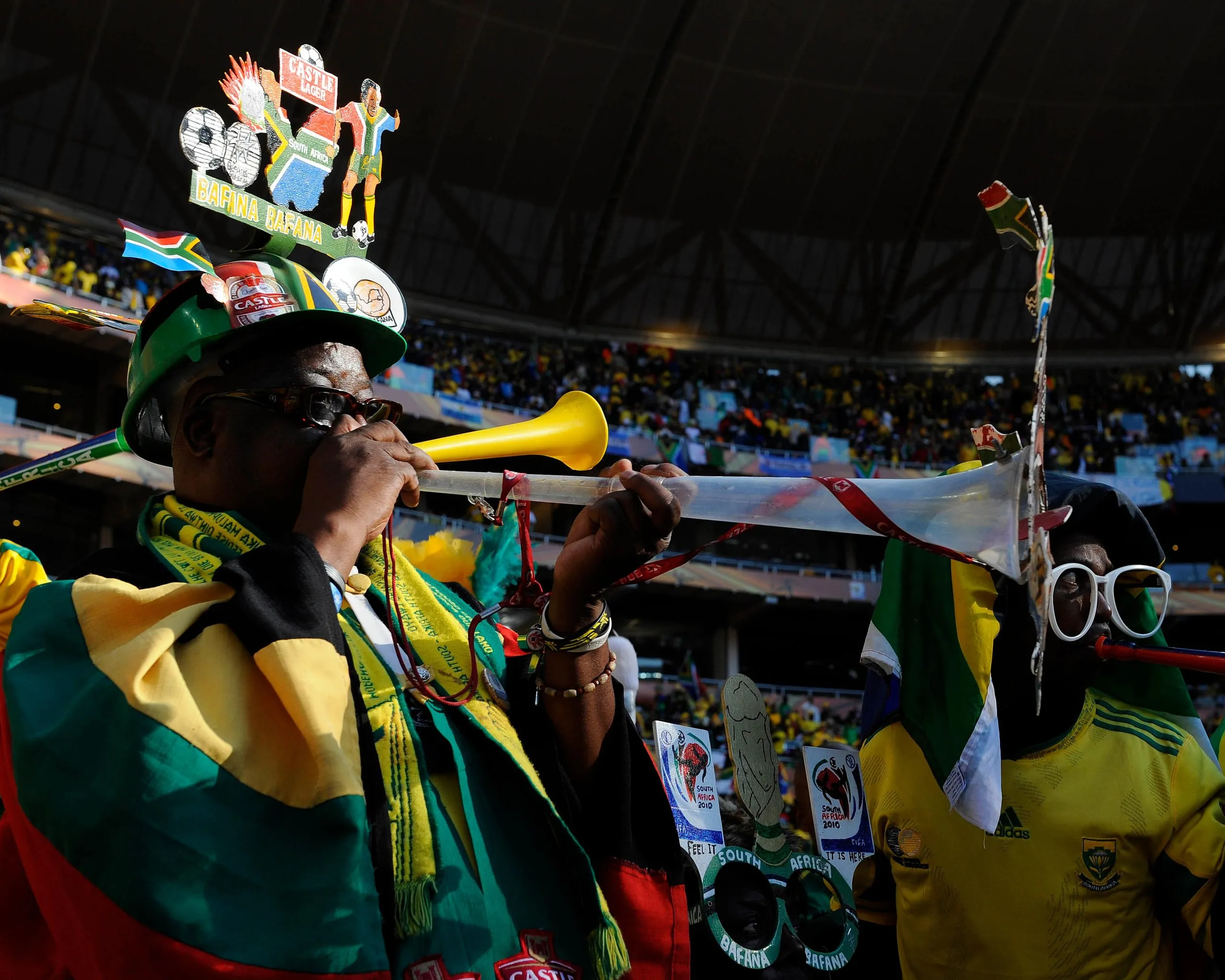
I watched the opening match at a fan park on Durban’s beach alongside my family and close friend. The atmosphere was warm and vibrant, alive with color. Yet it was the sound that truly defined the experience. The vuvuzela, often criticized on television, became a spiritual presence, wrapping around us like a tangible force. Those plastic horns buzzed like a swarm of bees, creating an atmosphere as if Philip himself had drawn a breath.
The match unfolded as is typical for opening games: tense and tentative. Mexico quickly established themselves as the superior team, thwarted only by brilliant saves from goalkeeper Itumeleng Khune and a disallowed goal. South Africa managed to hold on to a draw at halftime.
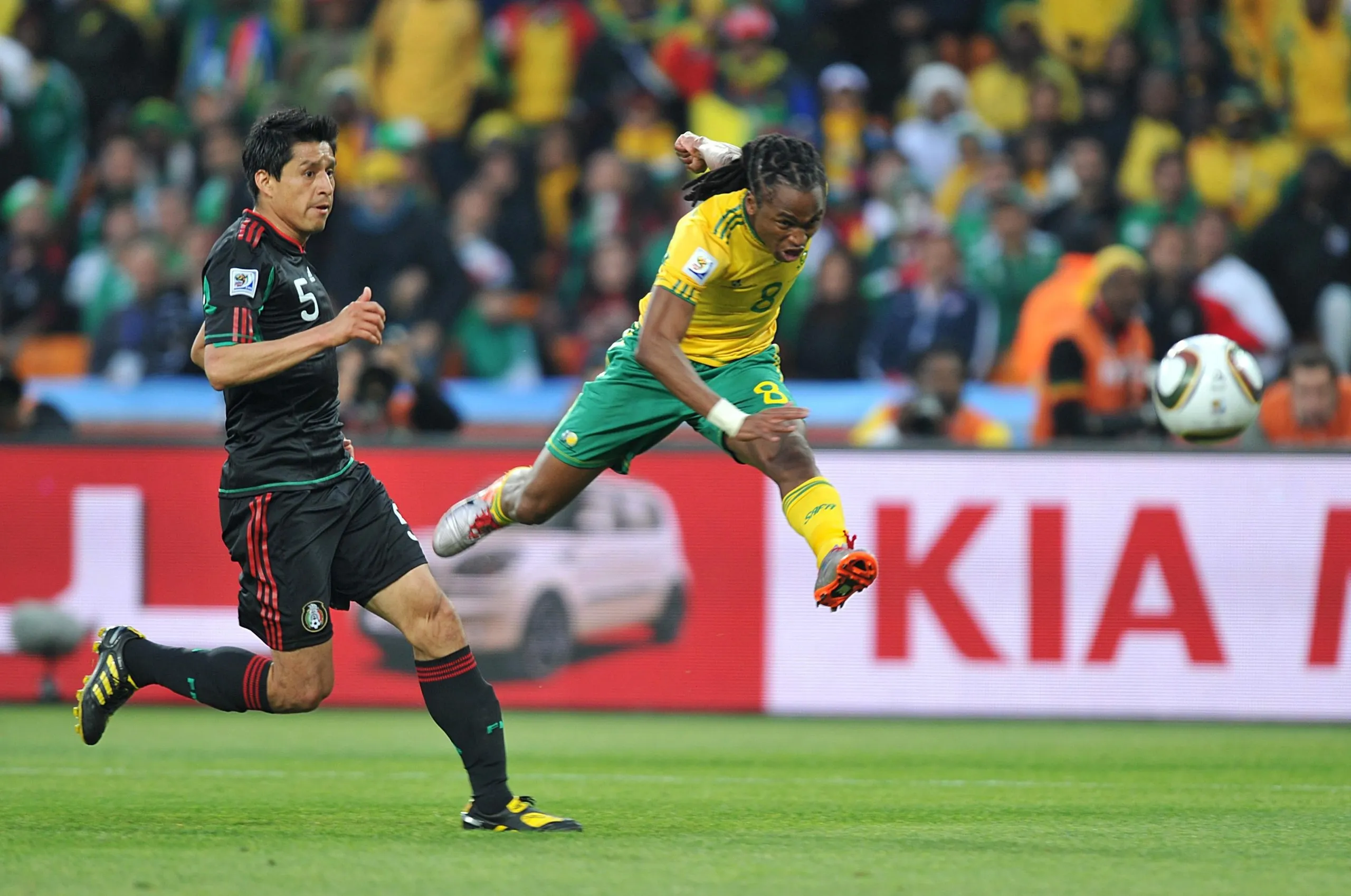
Just nine minutes into the second half, Mexico lost possession in midfield, and within three swift passes, Kagisho Dikgacoi launched a beautiful, incisive ball to the speeding Tshabalala on the left flank. His first touch adjusted the angle, and with his second, the ball rocketed past Óscar Pérez into the top corner. For a fleeting moment, disbelief gripped the crowd. Then, South Africa erupted in jubilation. From Soccer City to the beaches of Durban, across townships and neighborhoods, the nation celebrated in unison. I recall jumping into the arms of strangers, searching their faces for confirmation that this was, indeed, real.
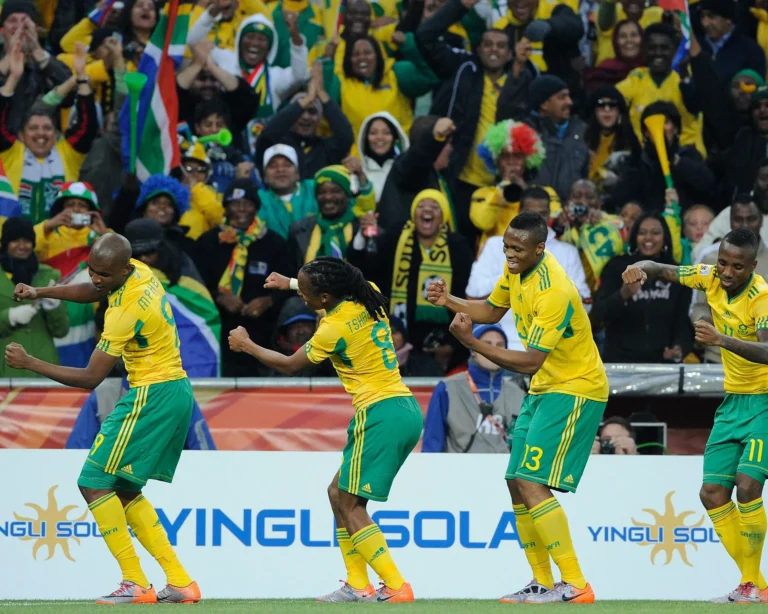
“Goal Bafana Bafana! Goal for South Africa! Goal for all Africa!” exclaimed Drury, perfectly articulating the emotions that surged through us. “Jabulile! Rejoice!” Tshabalala and his teammates launched into a choreographed celebration, embodying joy and rhythm as the country briefly united.
However, football rarely permits a fairytale to remain unblemished. With just 11 minutes left, Rafael Márquez equalized, finding space at the back post. Katlego Mphela then hit the bar, and one couldn’t help but imagine a different reality where the Durban fan park soared high above the ocean. The match concluded with South Africa 1, Mexico 1. Not a victory, but certainly not a loss.
The tournament proceeded with a whirlwind pace. South Africa struggled against Uruguay, suffering a 3-0 defeat, then managed a 2-1 victory over a disorganized French team, yet still became the first host nation not to progress past the group stage. The celebration continued, but our role shifted. We became hosts, graciously welcoming others into their narratives.
We united behind the African teams, and when Ghana emerged as the continent’s final hope, we shifted allegiance from Bafana Bafana to BaGhana BaGhana. When Luis Suárez’s handball denied Ghana a goal and Asamoah Gyan’s penalty struck the crossbar, the heartbreak felt deeply personal. And then, it was all over.
In the days following Andrés Iniesta’s decisive goal in the final, a sense of numbness settled in. The vuvuzelas fell silent, flags on car mirrors began to fray, and national decorations gradually faded. The stadiums remained, stunning and costly, with some beginning to languish as unused structures. Questions that had been put aside re-emerged. What was the true cost? Who truly benefitted? What lay hidden beneath the spectacle?
Over time, allegations of corruption surrounding the bid surfaced, including claims of bribery and compromised officials. Connections to criminal figures involved in construction projects also emerged. The familiar self-doubt resurfaced: even our most cherished moments seemed tainted, commodified, and exploited from within.
Now, with the country scarred by xenophobic violence, an economy still grappling with the aftermath of mismanagement under Jacob Zuma, and persistent inequality, one must ponder the significance of it all. What did that month truly change? Did it nourish us? Did it mend the nation? Or did it merely mask our wounds with flags and sell the imagery to the world?
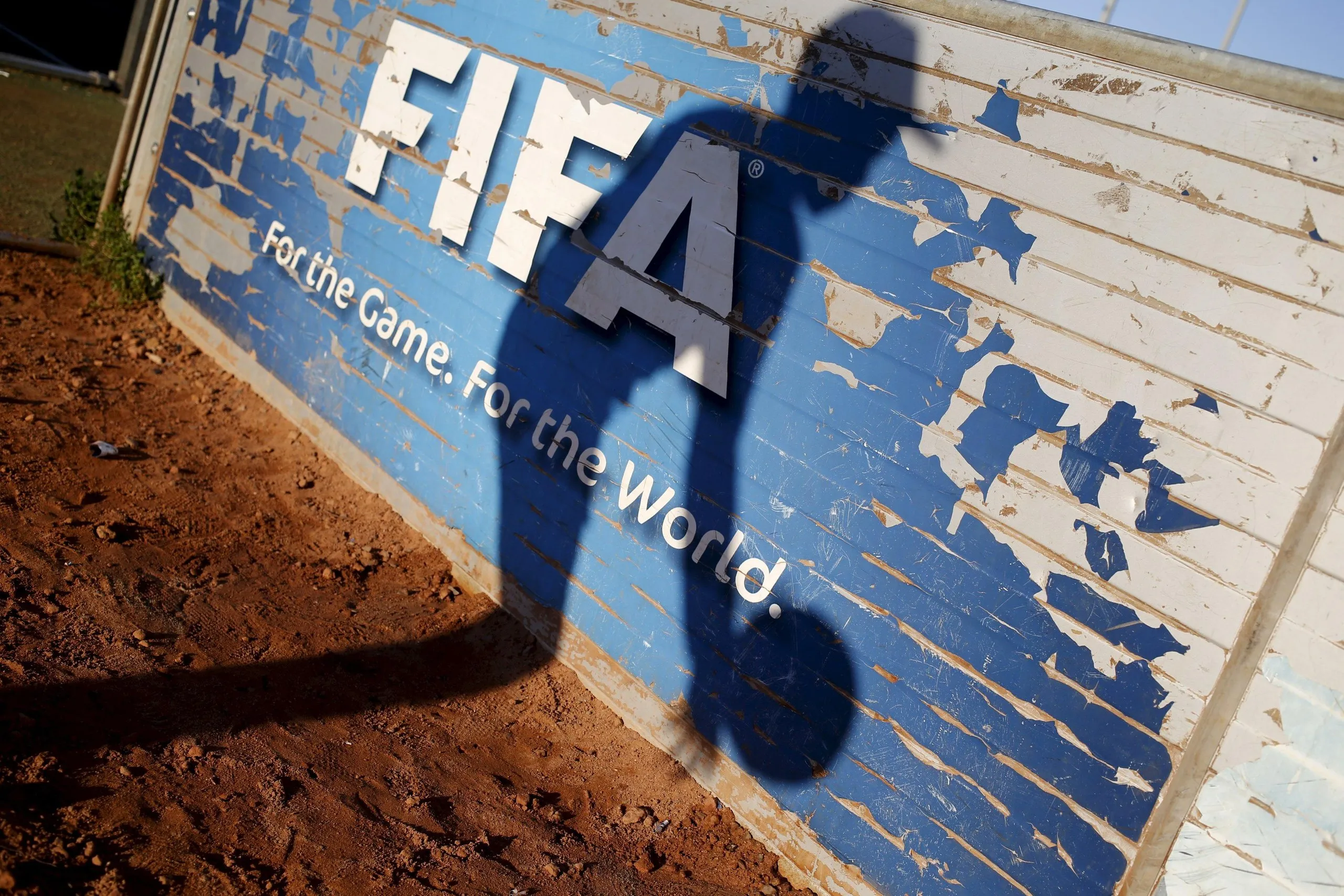
The stark truth is that it resolved nothing. No goal could. South Africa’s challenges run too deep, too entrenched, and too systemic to be alleviated by a mere football match, even one under the global spotlight. The notion of a rainbow nation was more aspiration than reality. In 2010, we did not transform into a different country; we briefly embodied the ideal version of the nation we yearned to be.
Yet, that moment was not insignificant. Nations require proof of their potential, and their people need defining moments to reflect on and say, “we were there,” and “that was us.” Not the corruption, not the violence, not the queues outside labor offices. Together, loud, absurd, and vibrantly alive.
As South Africa prepares to face Mexico again in another World Cup opener, this time in Mexico City, the symmetry is striking. Sixteen years later, Bafana Bafana will step into a new narrative, one that attempts to transcend football. Inevitably, for South Africans of a certain generation, the matchup will evoke memories of that winter afternoon in 2010. Back to the sandy shores of Durban with painted faces and flags.
Back to Philip and the significance he held for us. Back to that left foot connecting with the ball, and a nation rising in that moment. The World Cup did not save South Africa, but for one fleeting second, as that ball soared into the net, it revealed the country we aspired to be. Regardless of what followed, we will always cherish that goal.