


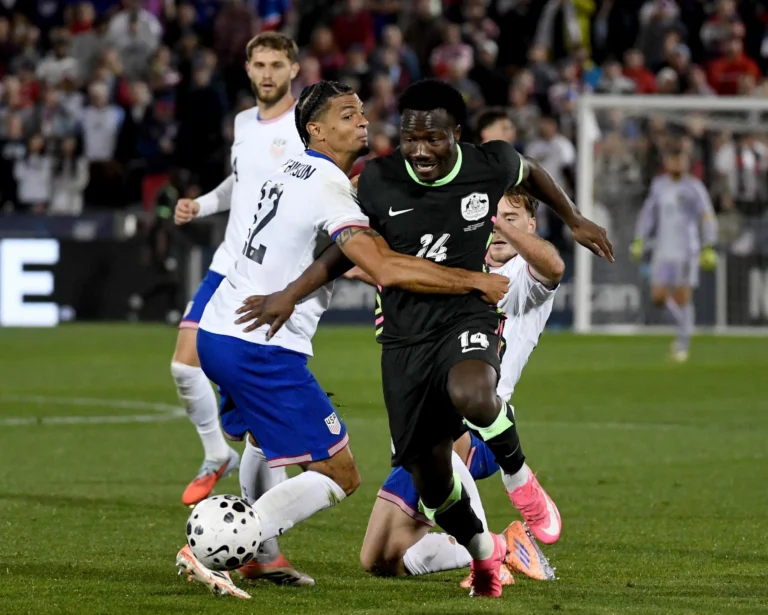
The upcoming World Cup match between the United States and Australia, co-hosts of the tournament, is shaped by dramatic narratives that heighten perceptions of rivalry. Critics often amplify conflicts, suggesting this encounter in Seattle is merely the latest episode in a long-standing, contentious sporting feud.
Last year’s friendly match, marked by animosity, set the stage for what has now evolved into a pivotal group-stage contest that will determine the leaders of Group D. However, within the football communities of both nations, harboring hatred for the other is akin to self-loathing. This match not only promises excitement but also reflects the unique positions of these two countries, where the global sport of soccer occupies a secondary role.
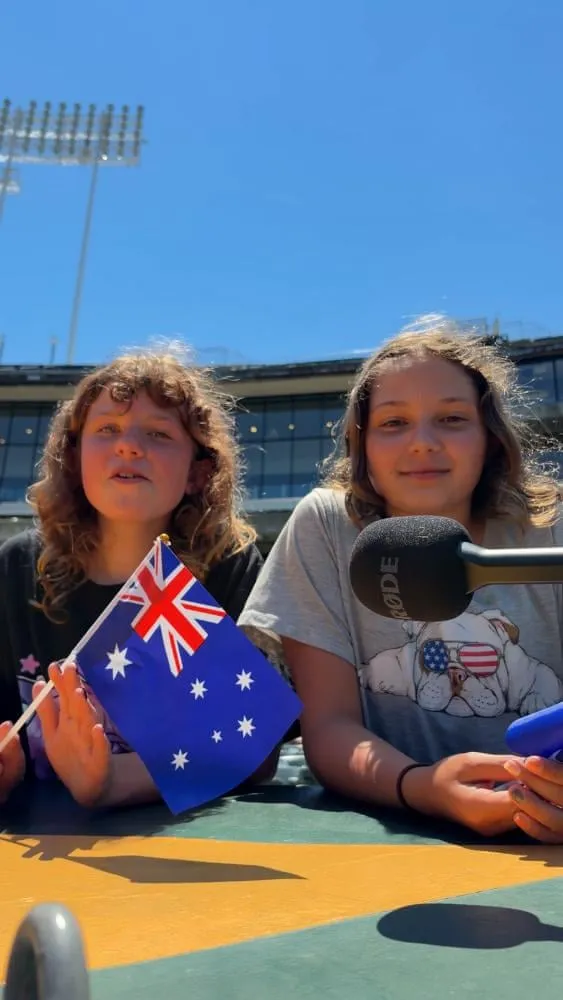
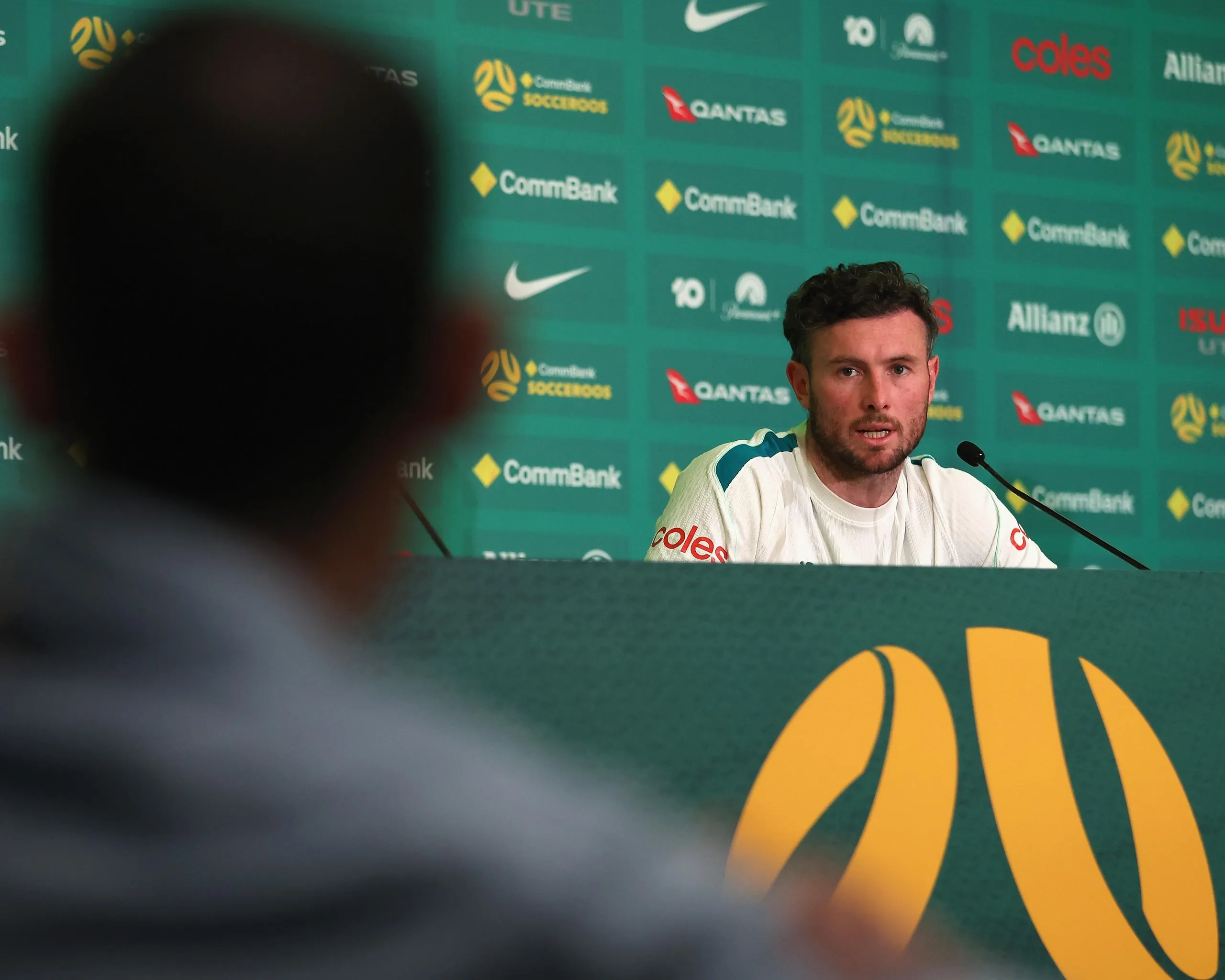
This encounter serves as a powerful lesson in understanding and empathy. Aiden O’Neill, a midfielder for the Socceroos and New York City FC, recognizes that the status of soccer in both nations does not parallel its prominence elsewhere. He observes, “[Soccer in the US] is similar to Australia, it’s starting to change here in America,”
In Australia, Australian Rules Football and Rugby League are dominant during the winter, while cricket reigns supreme in summer. Conversely, in the United States, American football, basketball, and baseball form the core of the sporting landscape.
Both countries exhibit a striking similarity. John Shea, a veteran sports journalist now with the San Francisco Standard, remarks, “You’ve got some massive other sports, but I think it’s starting to grow in popularity.”
Statistics from the National Sporting Goods Association reveal that in 2025, over 7 million Americans aged 7 to 17 were engaged in soccer, making it the second most popular sport in terms of participation, trailing only basketball, which has a greater number of participants but is more skewed towards casual play.
In Australia, football recorded around 850,000 participants among those under 17, surpassing basketball by approximately 300,000, and ranking just behind swimming, according to the Ausplay survey published by the government.
Bernardo Ramallo, involved with the non-profit Soccer Without Borders in the San Francisco Bay Area, notes that young American soccer players have historically endured ridicule from peers in other sports. He recalls, “It’s one of the great oddities in this country,” Growing up in Virginia, he faced comments like “It’s the number one participation sport among boys and girls, yet in the high school ranks, it’s not as popular as [American] football, basketball, and even baseball.” a perception shaped by the success of female soccer players in the 1990s, including Mia Hamm.
Noelle Shaw, a soccer enthusiast from Oakland and a former junior goalkeeper, believes that soccer deserves more respect in the United States. “Growing up there’s been jokes saying, like, ‘soccer is weak, [American] football’s a real sport’,” she asserts.
Ramallo, who works on initiatives for newcomers and refugees, observes that participants in US soccer are generally younger and more diverse. “I grew up in Virginia, which is in the south – which is very different to California – it was always ‘soccer is a girls’ sport’, because of the success of the 1990s and Mia Hamm.” he explains. “Soccer is a hard sport, and I don’t think a lot of people realise that to run back and forth on that field for 90 minutes, no time-outs, no anything, that takes a different level of grit and drive.”
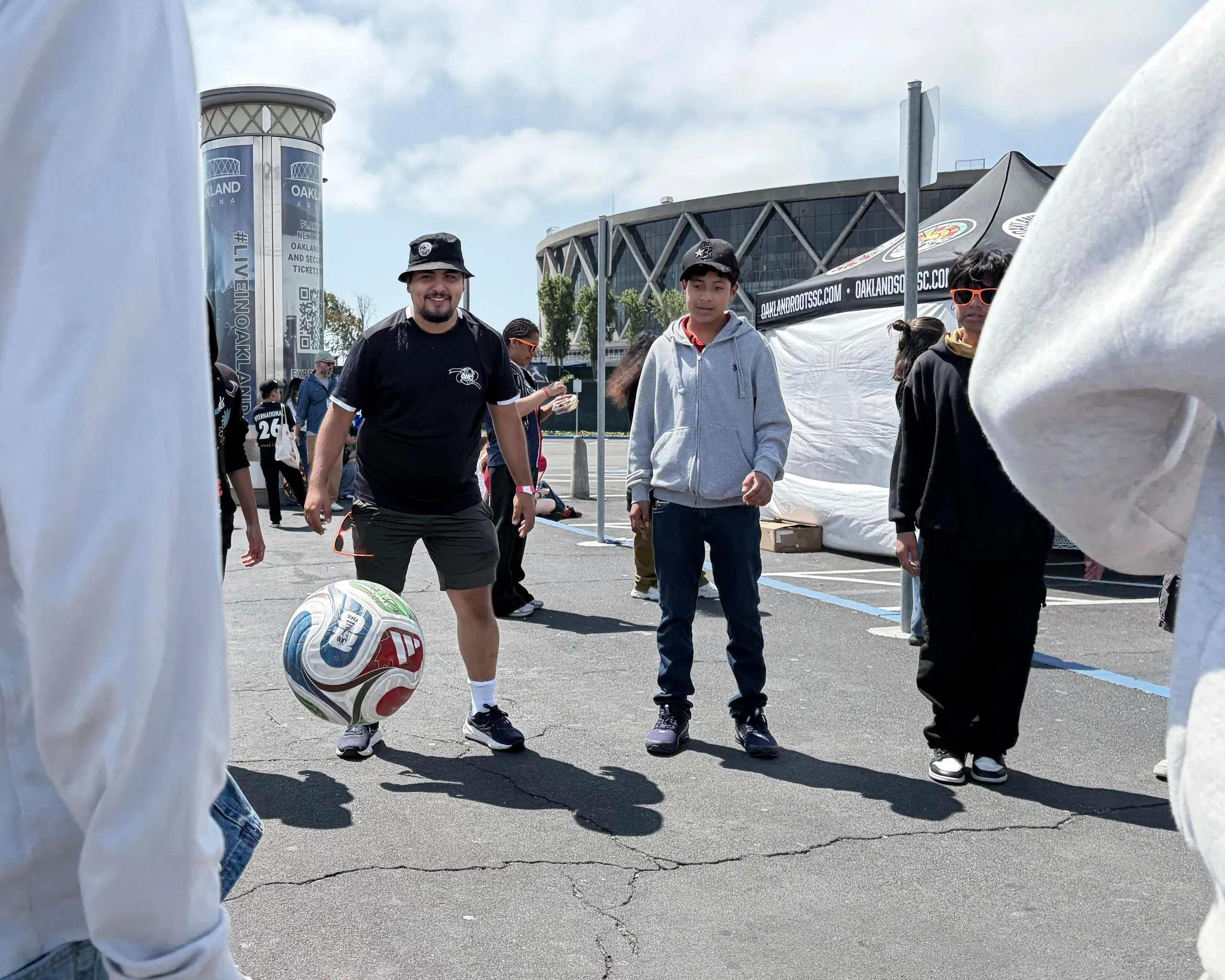
Edreece Arghandiwal, co-founder of the Oakland Roots, a club in the USL Championship, is optimistic about the growth potential for soccer in the United States. Established in 2018, the club draws an average of about 6,000 fans per home game. “Soccer has always been the first sport that many children play,” he states. “But as well, now, it’s a lot of immigrants, people that come from Bolivia, Argentina, Chile, African countries, and they come here and they bring that love, that craziness, that support, so it’s a nice mix.”
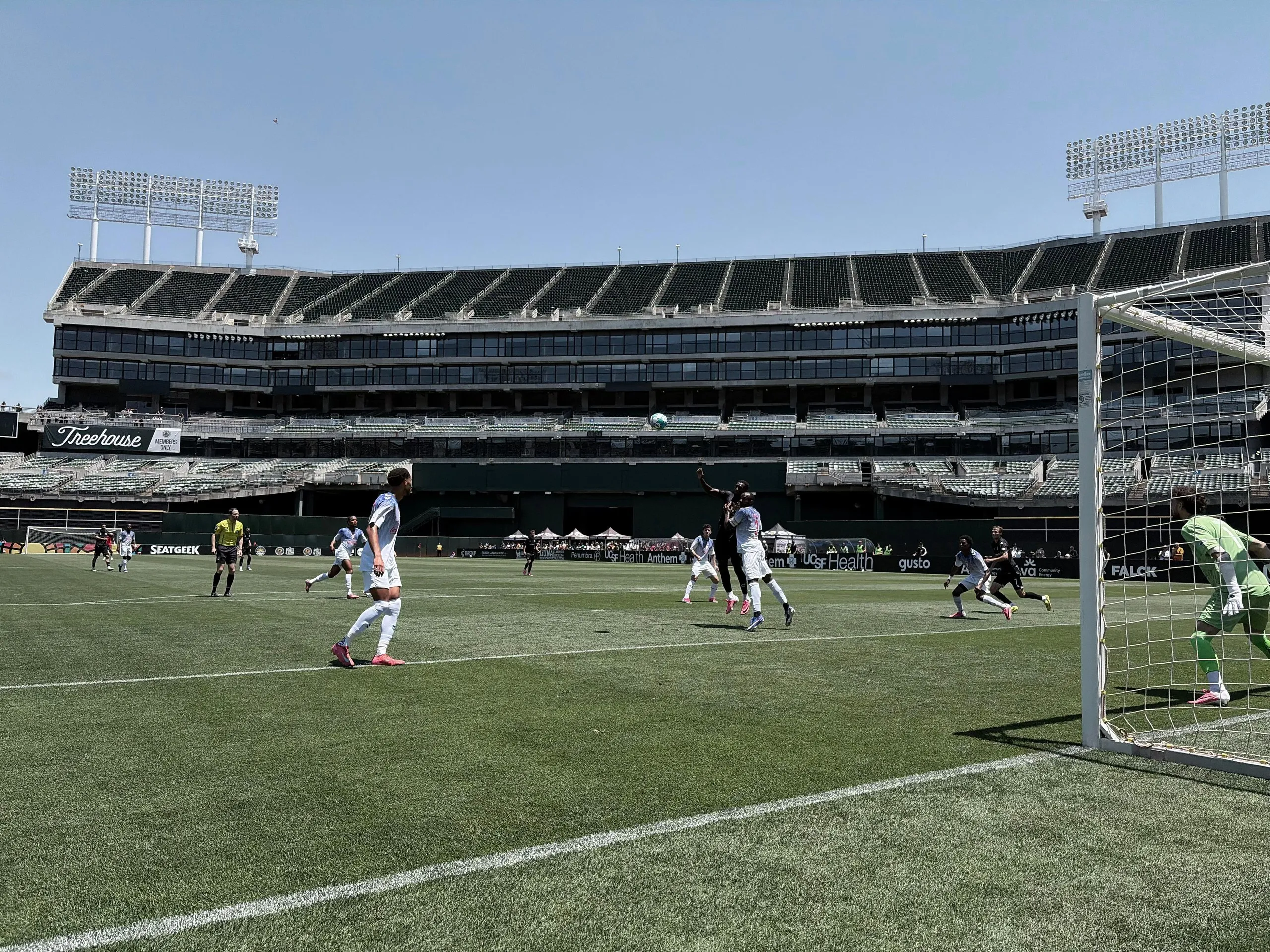
Shea, who experienced the sports media landscape following the 1994 World Cup in the USA, enjoys the current tournament but questions its potential to instigate significant change. “America is a very diverse place, especially here in Oakland,” he reflects.
He likens the excitement surrounding the World Cup to the fleeting interest generated by the Olympics, which may temporarily elevate sports like gymnastics or track before Americans revert to their traditional sporting preferences. “Soccer belongs here, it always has been here, it just needs the right vehicles, the right voices, the right stories to get to the minds and hearts of people and I think we’re trying to do that here at the club.” he comments. ‘94. He is enjoying the current World Cup, but is not sure whether it will trigger structural change. “I’
The eagerly awaited match on Friday local time follows both teams’ victories in their World Cup openers last week. This fixture will also provoke reflections on the nuanced relationship between the two nations, touching on themes such as the Aukus defense agreement, the legacy of President Trump, and the shift in focus among many Americans from global engagement to domestic concerns.
Football commentators like Alexi Lalas have made headlines with their somewhat disparaging remarks regarding Australia’s Socceroos. Shaw, at a tailgate event with friends before a Roots game, expressed her hope that Australian fans would not harbor resentment toward Americans. “Which is blasphemy when I hear from all these other countries where soccer is absolutely number one, you get a taxi or an Uber and all they do is talk about soccer,” she stated.
Ramallo emphasized that the commonalities between the two cultures should be celebrated. “And I just don’t get that here. I don’t think I ever will.”