


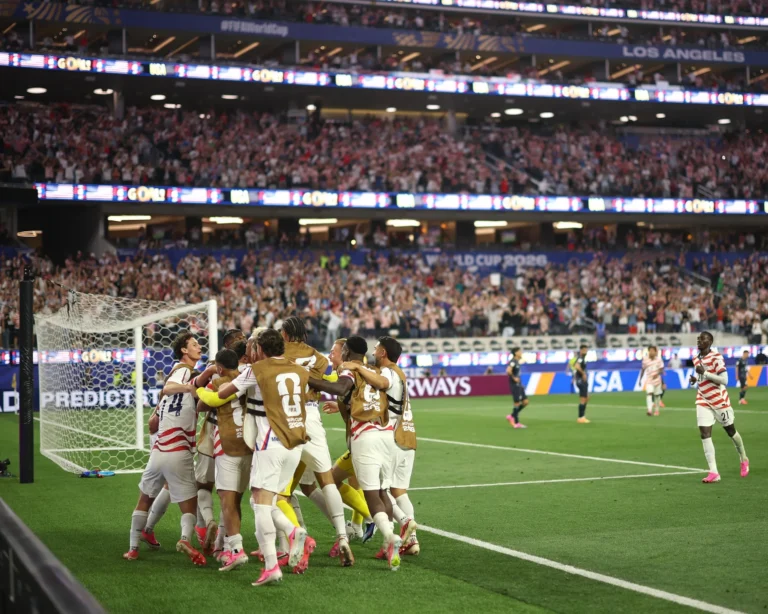
The ball holds a certain magic, a fact that becomes apparent as you keep your eyes on it. On a beautiful, soft powder blue evening in Los Angeles, the World Cup kicked off in the United States with a spectacle that felt orchestrated by the charismatic hands of Gianni Infantino, the FIFA president who increasingly resembles a celebrity magician. Or perhaps he simply understands the allure of grand performances.
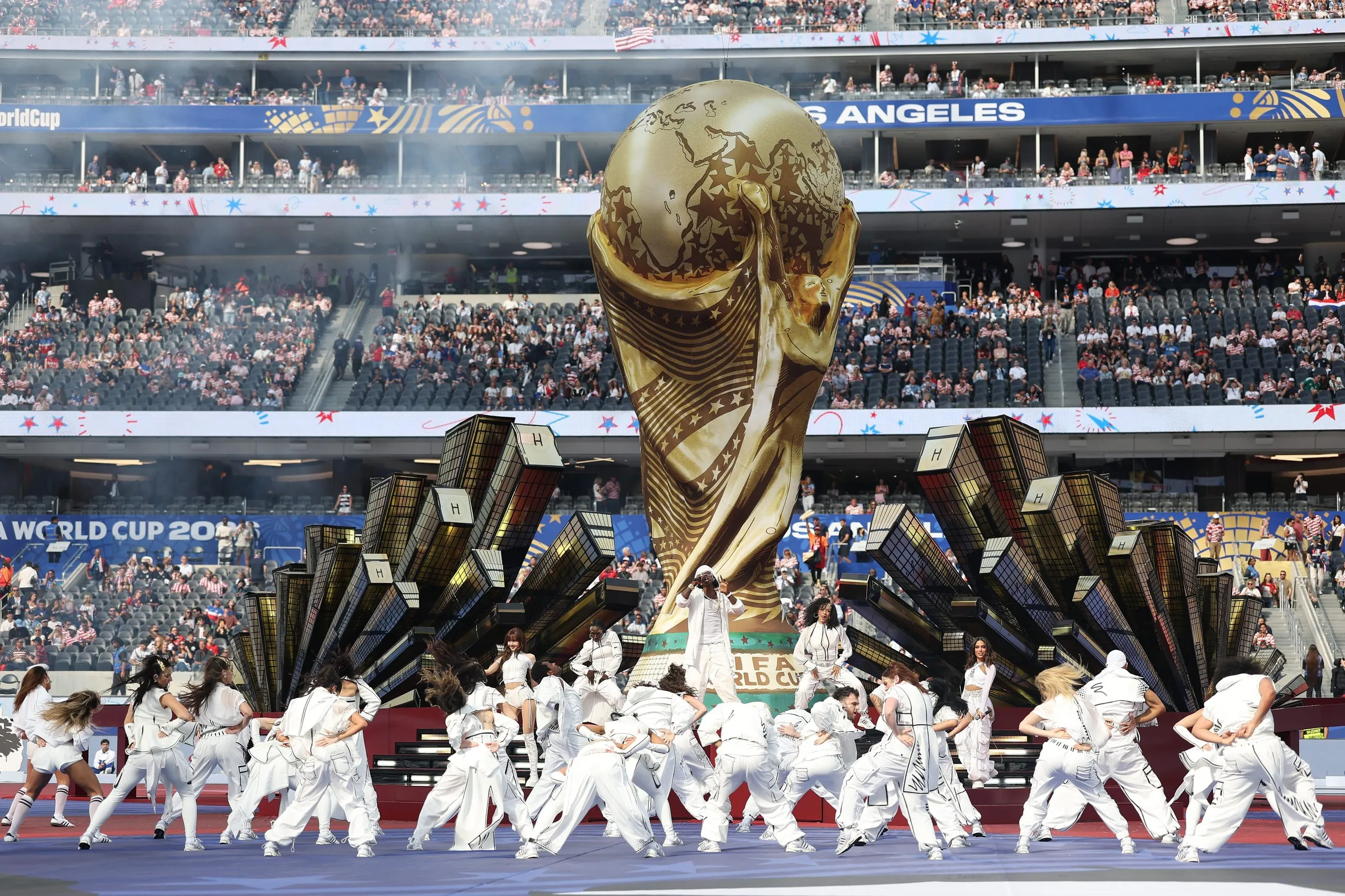
California truly knows how to put on a show. Just before the match began, a moment captured the bizarre charm of the entire FIFA experience. Shortly thereafter, pop superstar Katy Perry appeared in a shimmering outfit, performing alongside a ten-year-old TikTok sensation.
Before her, the Korean pop star Lisa, boasting 105 million Instagram followers—102.5 million more than the US Men’s National Team—took to the stage, supported by a group of male dancers executing overtly suggestive hip thrusts, a performance that on some level symbolizes the essence of international sport.
Nearby, a man in a tracksuit held up a golden ball, reminiscent of an ancient deity displaying a sacred item. This was followed by a massive golden FIFA sign, with each letter towering at least 50 feet, descending from above like a vision of divine intervention—if not the most ridiculous display in sports history, it surely ranks among the top.
What does this enormous FIFA sign even represent? Is it merely the initials of an administrative body? What authority does it convey, and how are we expected to reverence it? How can we evade its displeasure?
Eventually, the FIFA sign ascended again, albeit reluctantly. By the conclusion of the evening, the USA team, which entered the tournament with cautious optimism, decisively triumphed over a lackluster Paraguay, netting three goals in the first half for a final score of 4-1.
A successful start is crucial for any World Cup host, and even more so in the US, where concerns linger that the president might sulk or lose enthusiasm, akin to a petulant child overturning his toy train set.
FIFA, too, needed a strong opening after this World Cup—now stretched thin and altered—became a politicized public entertainment spectacle in a nation seemingly embroiled in constant internal conflict.
A singular enjoyable day on the Pacific coast might merely serve as a distraction, like turning up the volume to drown out the noisy neighbors. Yet, we understand how the spectacle functions. And this display was captivating in its quintessential Los Angeles style, during one of those evenings when the very air feels softer and bluer.
Before the match, throngs of USA supporters flooded the streets, brandishing flares and engaging in festivities reminiscent of a civil war reenactment. Contrary to popular belief, these fans do not see themselves as hardcore ultras. Instead, it resembled a colorful costume party, a celebration of Americana filled with stars and stripes, twirling flags, pom-poms, straw hats, and spinning bow ties.
The stadium itself is a masterpiece, featuring sweeping lines, refreshing fountains, and gentle breezes, resembling a design conceived by futuristic architects from a distant Star Trek planet. Despite the extravagant atmosphere, a beer at the concourse will still set you back an outrageous $23.50.
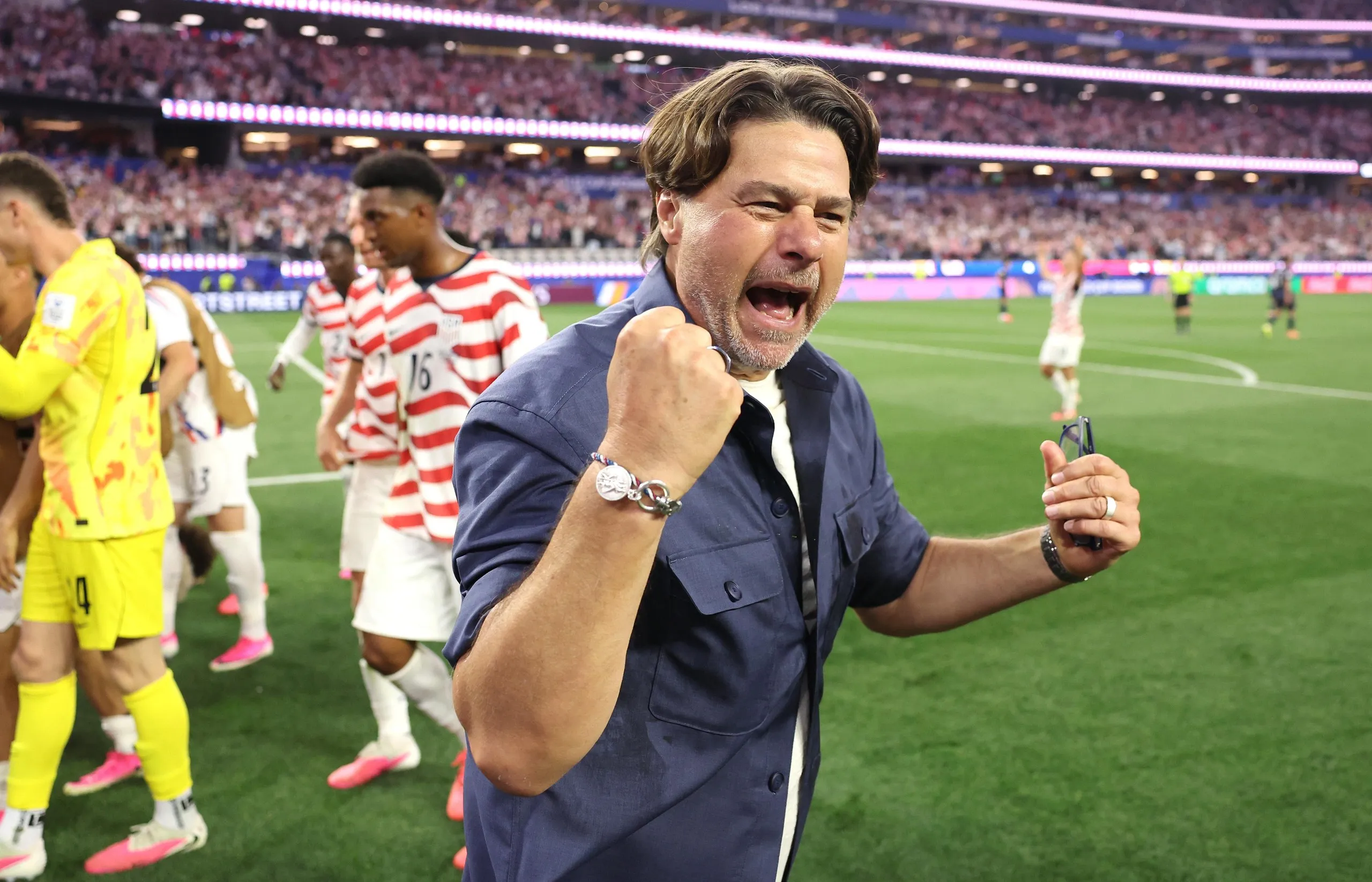
As fireworks erupted, the crowd erupted with deafening chants of “the team no one wants to face” Mauricio Pochettino, dressed in a blue-grey suit and white sneakers, appeared on the sidelines, his long hair giving him the look of a 1980s cop on a diamond-laden speedboat.
The USA commenced the match with an aggressive pressing tactic and swift offensive play, showcasing impressive bravery on a day that signified the pinnacle of their international careers.
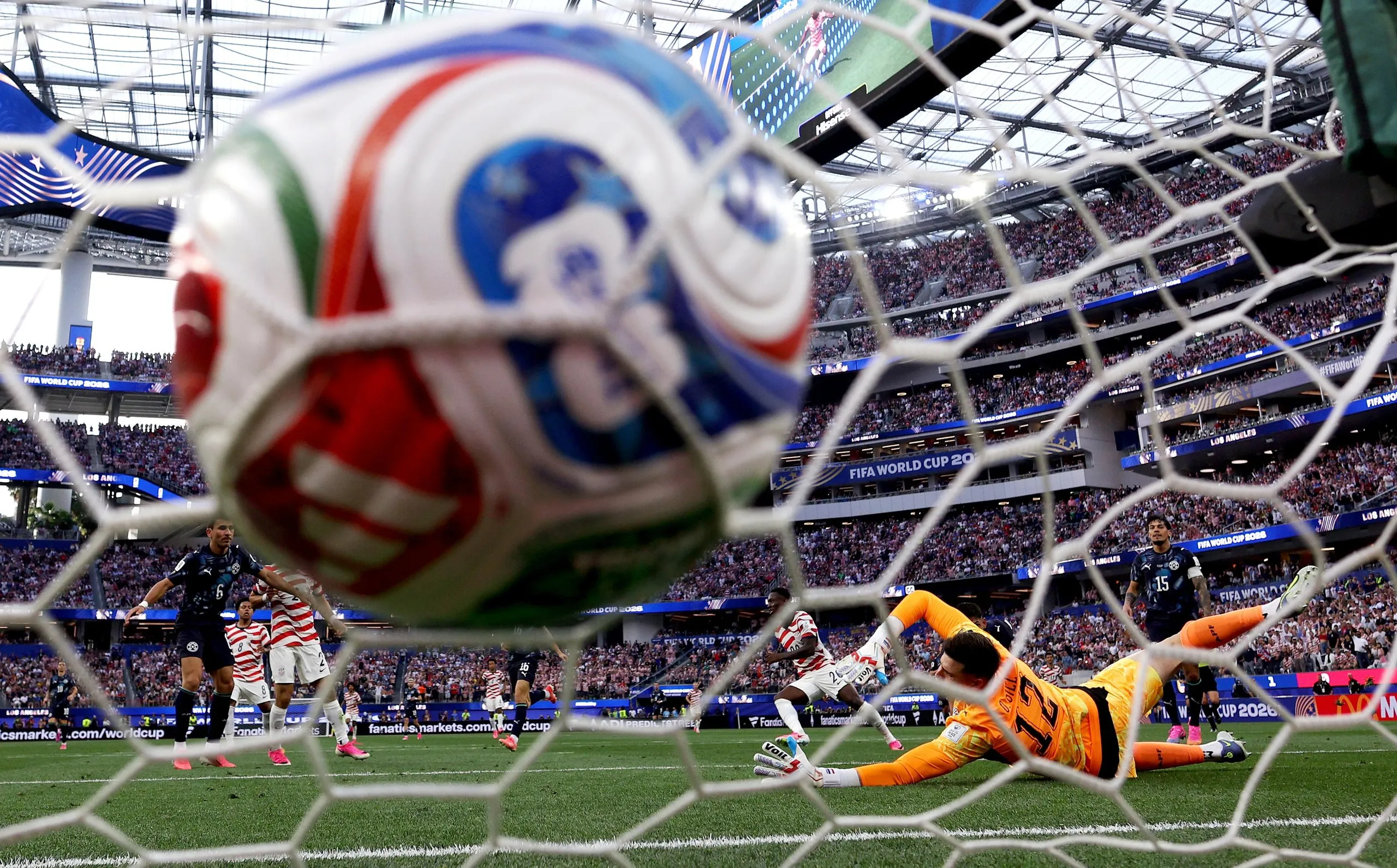
The opening goal stemmed from Weston McKennie’s powerful run, leading to a deflected own goal by Damián Bobadilla. Paraguay, who had previously defeated Brazil and Argentina in qualifying, spent the initial hour in a disheartened defensive stance, adhering to Gustavo Álvarez’s call to be “the team no one wants to face,” primarily due to the dullness of their play.
Folarin Balogun scored the second goal just before the half-hour mark. This moment represents a larger narrative, a glimmer of grace amidst the chaos. America, a nation built on immigration and freedom, is currently grappling with rising walls and divisive rhetoric targeting its own citizens.
This USA squad embodies something different. It is a richly diverse team of dual nationals with roots spanning from Liberia to Croatia. Balogun, a pivotal figure on the field, has Nigerian heritage—an identity that has been marginalized and insulted in recent political discourse. Yet, this spirited team illustrated the essence of sport, promoting ideals of unity and camaraderie, bringing joy to the stadium and the broader sports community. While moments like these may not resolve deeper issues, sport consistently conveys messages worth heeding.
Balogun netted a third goal, leaving two defenders sprawled on the ground and firing the ball into the top corner as the crowd erupted in cheers. There was also time to celebrate the celebrity montage on the massive screen, featuring David Beckham and Tom Cruise smiling like colossal celebrity titans, while Ishowspeed excitedly gestured at the camera, astonished to see his own reflection.
Notably absent was Trump, replaced by Marco Rubio, who sat alongside Infantino, who appeared somewhat begrudging and melancholic, reminiscent of a scene from *Goodfellas* where Henry Hill is forced to endure an awkward double date before making a hasty exit.
Perhaps Rubio will remain for the next match featuring Iran, which promises a stark shift toward themes of conflict and geopolitics.
Nonetheless, this peculiar, overblown three-part tournament began to take on a coherent form in California, the land where the coast meets the horizon and America blends into the blue. Suddenly, the upcoming five weeks feel more aligned with the essence of a World Cup.