


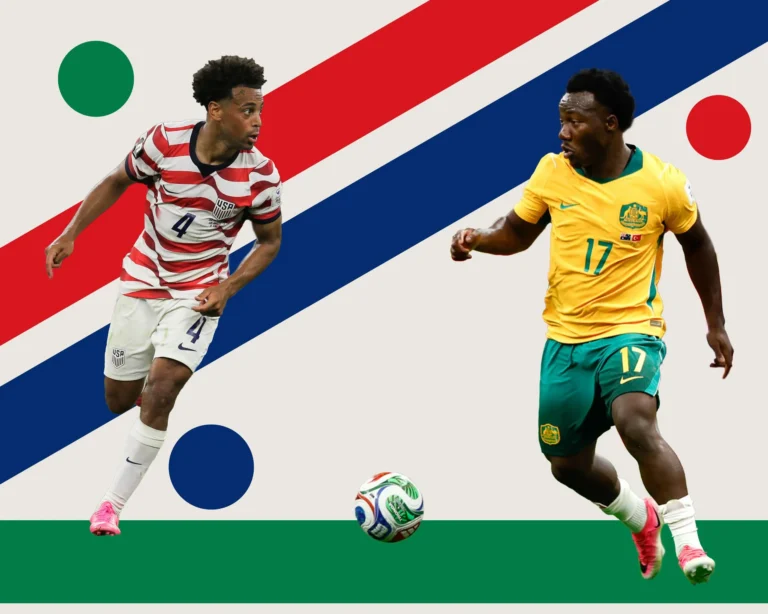
As Australia prepares to face the United States in their next World Cup match, both teams are focusing on different strategies to secure victory. Each side has unique strengths and potential weaknesses that could play a crucial role in determining the outcome of this high-stakes encounter.
Australia’s Tactical Approach
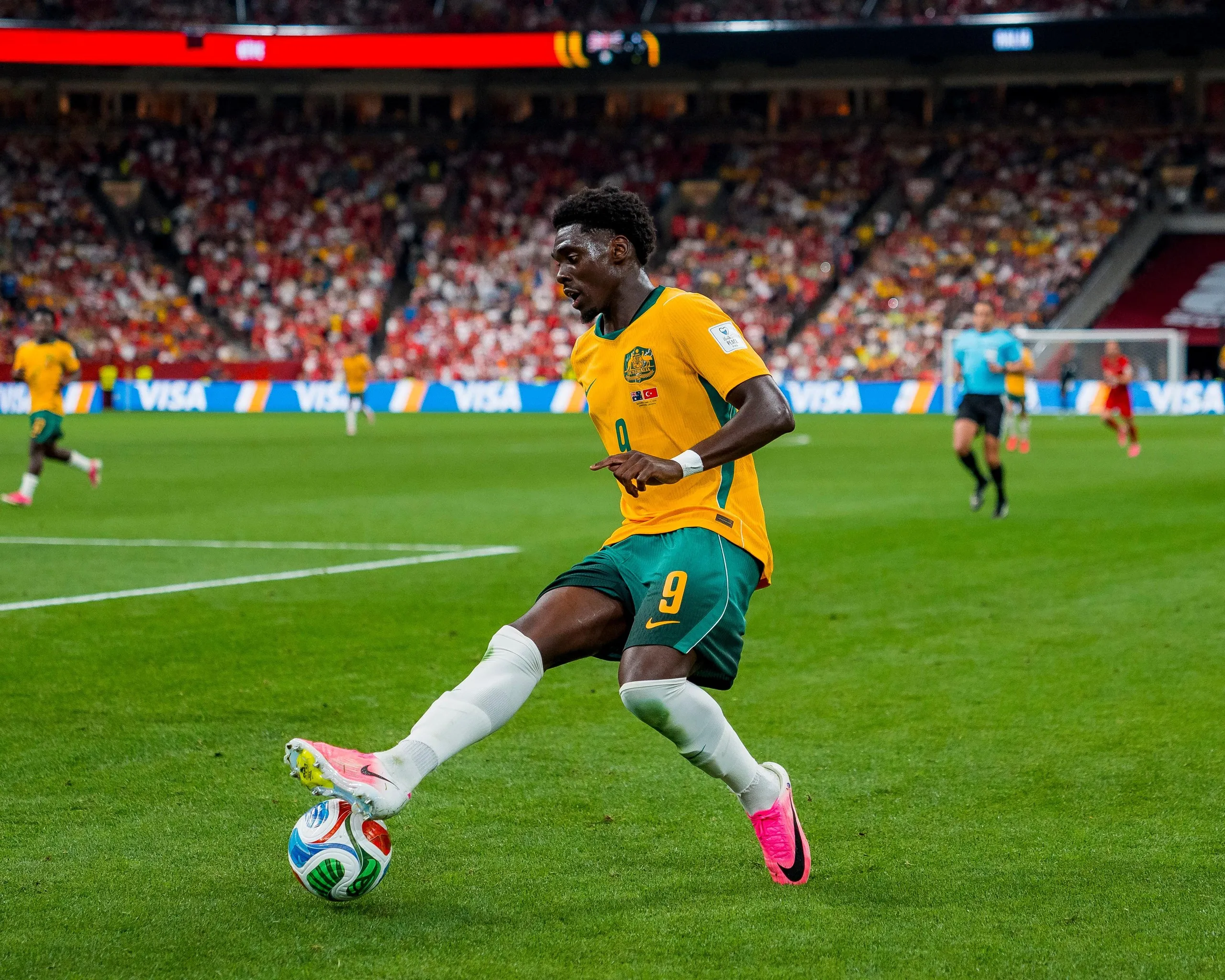
Back Nestory Irankunda: the 20-year-old was anticipated to be a game-changer in this World Cup, stepping onto the field as a substitute to impact matches against fatigued opponents. His standout performance as a starter against Turkey highlighted his importance to the Socceroos. While he continues to hone his skills on the wing, his speed and relentless work rate off the ball are essential for a team that often relinquishes possession to its rivals. His ability to capitalize on quick transitions and create opportunities, as demonstrated by his opening goal against Turkey, could serve as a major asset.
Bring in the reinforcements: Australia made five substitutions during their match against Turkey, including three while the score was still 1-0. With a squad lacking in standout players, it is prudent for Australia to manage their physical exertion wisely, especially with the knockout rounds ahead. Recent health concerns regarding midfielder Aiden O’Neill, who was barely able to walk the day after the Turkey match, and striker Mo Touré, who is dealing with calf issues, emphasize the necessity for rotation. Touré, in particular, is instrumental due to his speed and ability to relieve defensive pressure.
Play for the draw: securing just one point will nearly guarantee the Socceroos a spot in the round of 32 ahead of their third group match against Paraguay, perceived as the weakest team in Group D. A draw would also position Australia favorably to potentially win the group, as they would only need to match the result achieved by the United States in their final game against a driven Turkey. Finishing atop the group would allow Australia to remain in the San Francisco Bay Area for the round of 32, facing one of the third-place finishers from other groups. With their current setup, the Socceroos are equipped to deliver a robust performance.
United States’ Game Plan
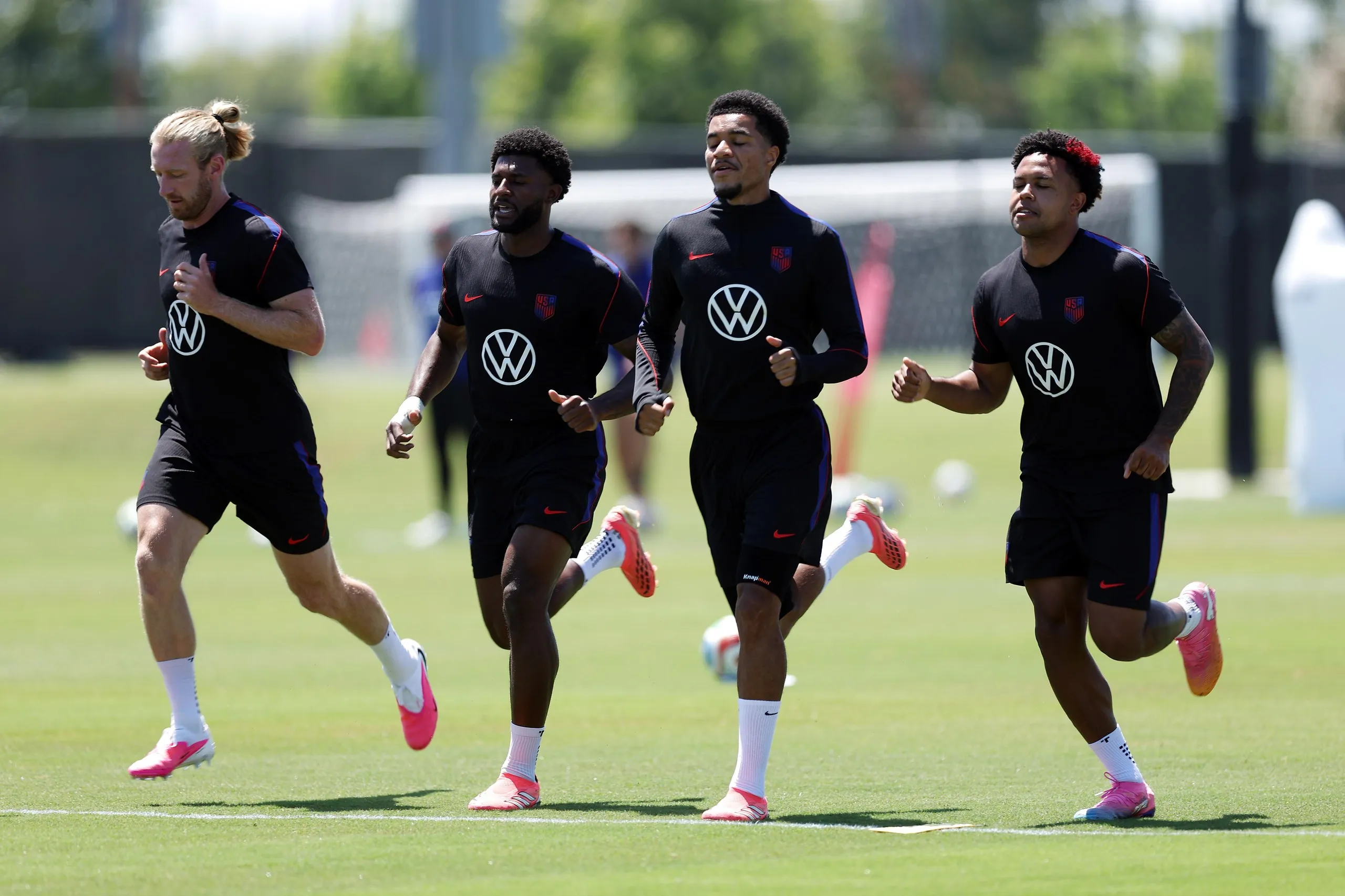
Midfield rotations are key: any USMNT supporter would have recognized the significance of this strategy before last week’s impressive opener. The way the US played in that match underscored this necessity. Paraguay’s head coach, Gustavo Alfaro, took a moment during his press conference to commend the starting trio of Weston McKennie, Tyler Adams, and Malik Tillman, whom he described as “floating” and integral to a “pentagon” of play. Although Australia performed admirably against Turkey, they failed to control the game’s tempo, ceding over 70% possession and being overwhelmed in midfield. For the US to capitalize on a similar possession advantage, their midfield must rotate effectively to exploit any weaknesses in Australia’s defense.
Don’t get carried away: following the US’s resounding opening win, fans were ecstatic, and many journalists speculated that it might have been the team’s best performance in a men’s World Cup. However, players and head coach Mauricio Pochettino have remained grounded. Directly after the match, Pochettino emphasized that the 4-1 victory was merely a starting point. Throughout the week, players have echoed the sentiment that Friday’s match is set to be a significant challenge. Given how the Socceroos surprised Turkey, the US would benefit from maintaining their focus and preparing for a potentially different style of game than what they experienced at Los Angeles Stadium.
Score early (if you can): Australia is known for its structured defense and high intensity, traits that could also apply to Paraguay, a team that conceded only 10 goals in the 18-game Conmebol qualifying series. Last week, however, Paraguay’s strategy was upended by a seventh-minute own goal from Damián Bobadilla, forcing them to abandon their defensive stance to press higher up the pitch, which created midfield gaps. Scoring early would not only energize the anticipated lively crowd in Seattle but also compel Australia to adjust their defensive approach, potentially leading to additional opportunities for the US.