


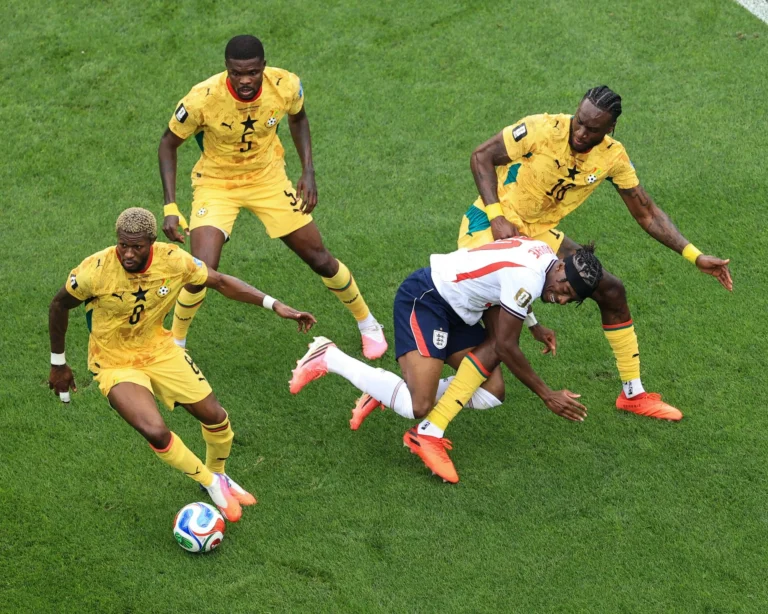
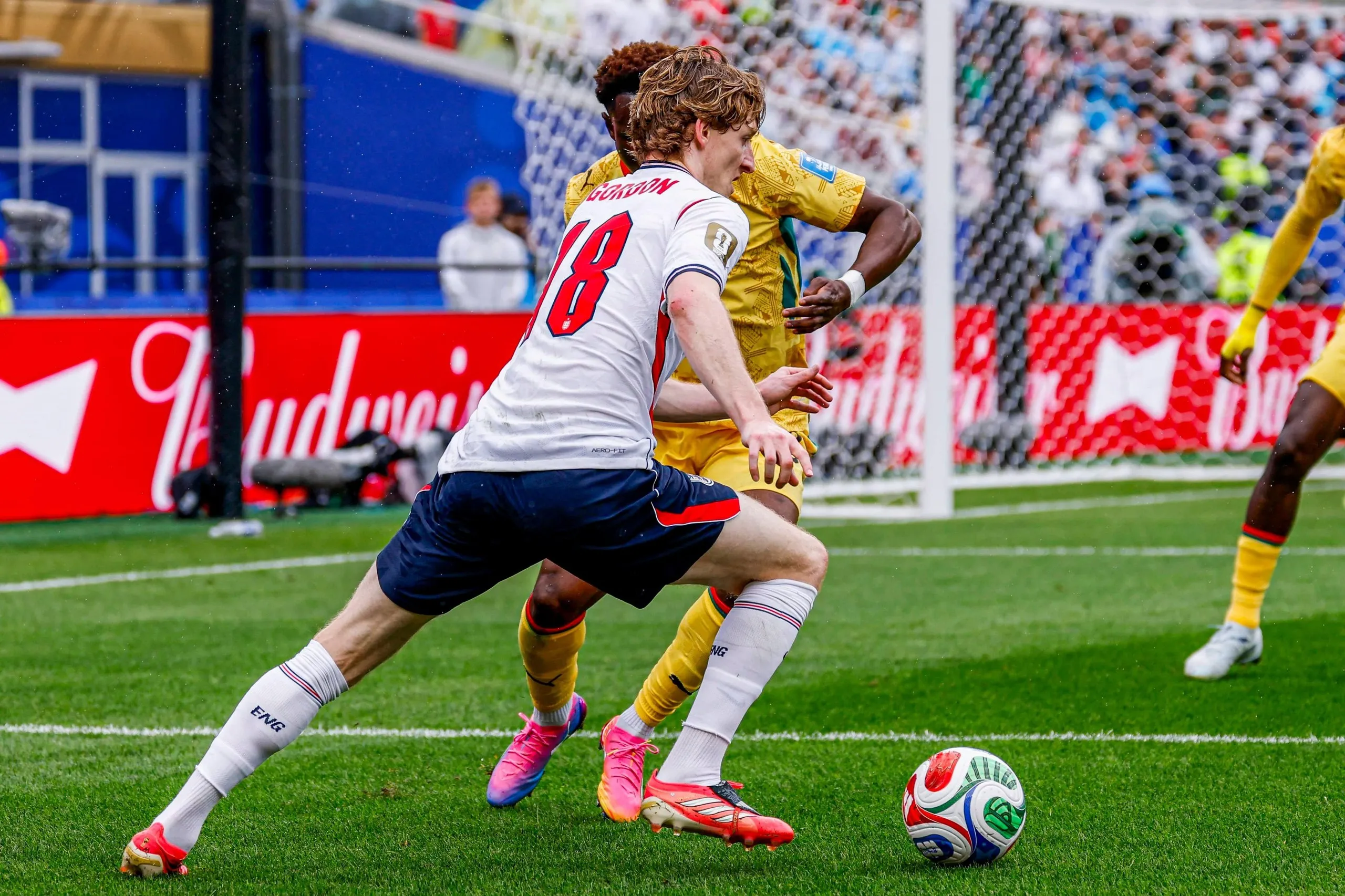
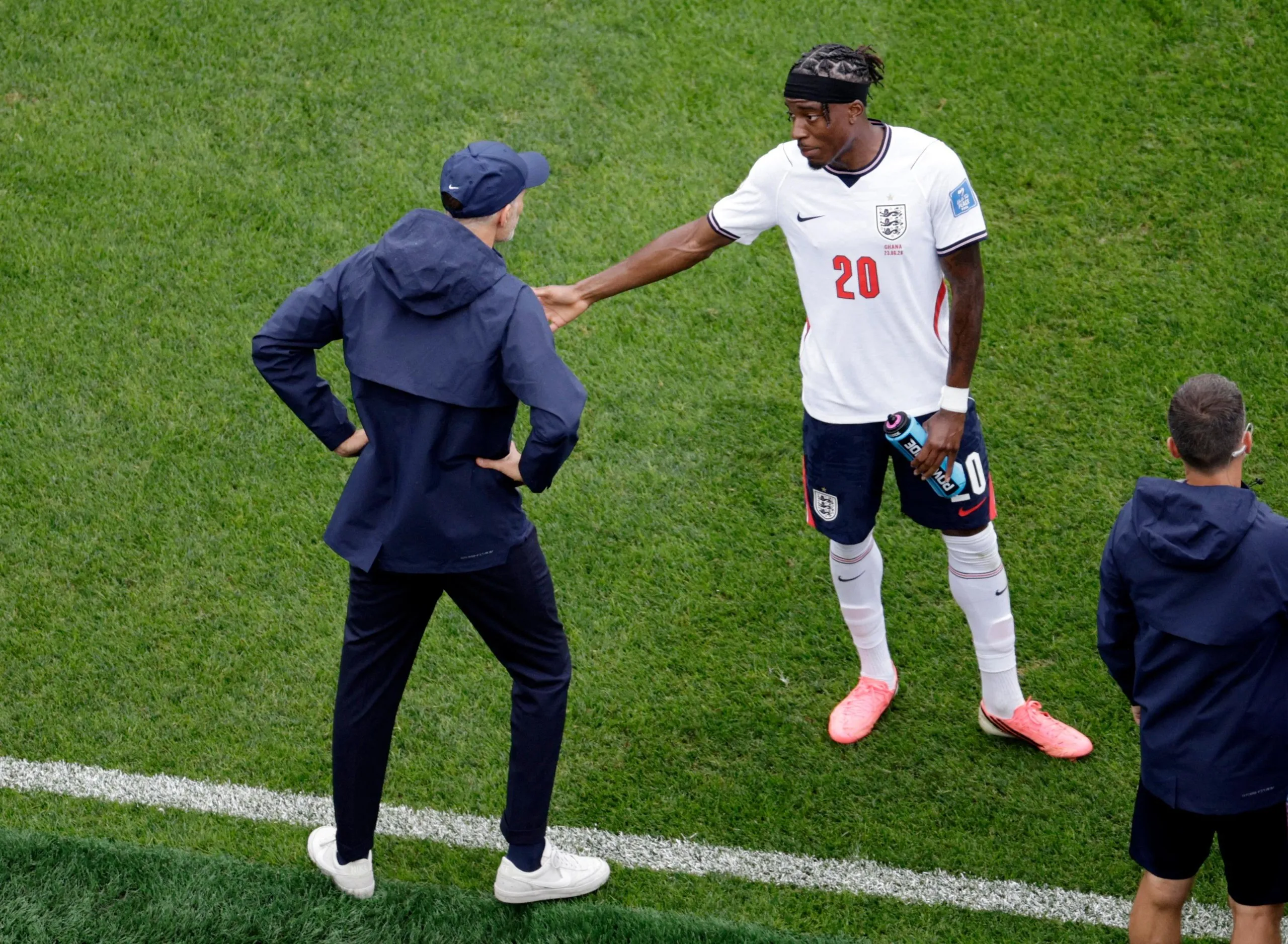
After the exhilarating high of their previous match, England faced a sobering reality in Boston. The thrill that accompanied their performance in Dallas was a distant memory as they struggled against a stubborn Ghana side, which managed to stifle their creativity. The match felt like an exhausting exercise, gradually draining the hope and enjoyment from spectators.
The pivotal moment nearly arrived in the closing minutes. With just four minutes left, England uncovered a rare opportunity amid the dense Ghanaian defense. Reece James delivered a precise cross to Nico O’Reilly, whose header hit the crossbar. The rebound found Harry Kane, perfectly positioned to score, yet he sent his shot soaring well above the goalpost, leaving fans in disbelief.
A 0-0 stalemate is not catastrophic for England’s aspirations. Throughout the match, Ghana displayed a particularly unyielding defensive strategy orchestrated by Carlos Queiroz. While he may not be the face of this tournament, his tactics effectively neutralized England’s offensive efforts.
Queiroz and Ghana executed a well-planned strategy, understanding the limitations of England’s approach. Initially, England appeared vibrant, but they quickly fell into a cautious rhythm, ultimately losing their creative spark. The question now arises: does this lack of dynamism matter?
The match offered little insight into how England might perform in knockout rounds against teams willing to engage in an open game. Yet, there are aspects that will undoubtedly concern coach Thomas Tuchel, particularly regarding the performance of his starting wingers. Anthony Gordon and Noni Madueke seemed one-dimensional, repeatedly resorting to the same predictable movements without finding new ways to break down the defense.
Despite the hype surrounding their potential, Gordon and Madueke have collectively scored just four goals in 34 appearances for England, which raises doubts about their ability to contribute effectively. While there will be discussions about absent players like Cole Palmer and Phil Foden, the reality is that neither Gordon nor Madueke made a compelling case for selection. Foden, in particular, has yet to shine in an England shirt.
Creativity in football is a multifaceted endeavor that thrives on movement and teamwork rather than solely individual brilliance. England must elevate their game, adding more innovation and unpredictability to their play. Teams that succeed in tournaments often find ways to surprise their opponents.
The atmosphere in Foxborough was chilly and damp, evoking a sense of New England charm. Fans donned shorts and ponchos, displaying banners bearing the names of their hometowns, creating a lively pre-match spectacle.
Boston Stadium, home to the New England Patriots, features an open design reminiscent of a grand hat flipped upside down. The venue has a festive ambiance, suitable for gatherings, with its impressive structures and soaring outlines.
England started the match energetically, dominating possession for the first three minutes. They created an early opportunity on the right for Madueke. However, the predictable pattern soon emerged as Madueke hesitated to use his right foot, retreating instead and becoming surrounded by defenders. Given the high stakes of the World Cup, it raises the question: why not take a chance and deliver a cross?
After 14 minutes, England held an impressive 86% possession, completing 138 passes to Ghana’s 13. Ghana’s players resembled a cohesive unit, effectively neutralizing England’s attempts to penetrate their defense. England faced a significant challenge: the use of inverted wingers became problematic against a low block, as the space they occupied was already congested.
The first half was marked by Ghana’s passive strategy, playing dead in hopes of disorienting their opponents. Yet, England lacked the necessary urgency and failed to capitalize on their advantages, allowing the match to drift by.
As the second half progressed, Tuchel introduced Bukayo Saka, whose skills could significantly enhance England’s attacking options. While England will need to adapt and learn from this experience to make an impact in the tournament, there remains a sense that they are still far from their desired performance level.
- England
- World Cup 2026
- World Cup
- analysis