


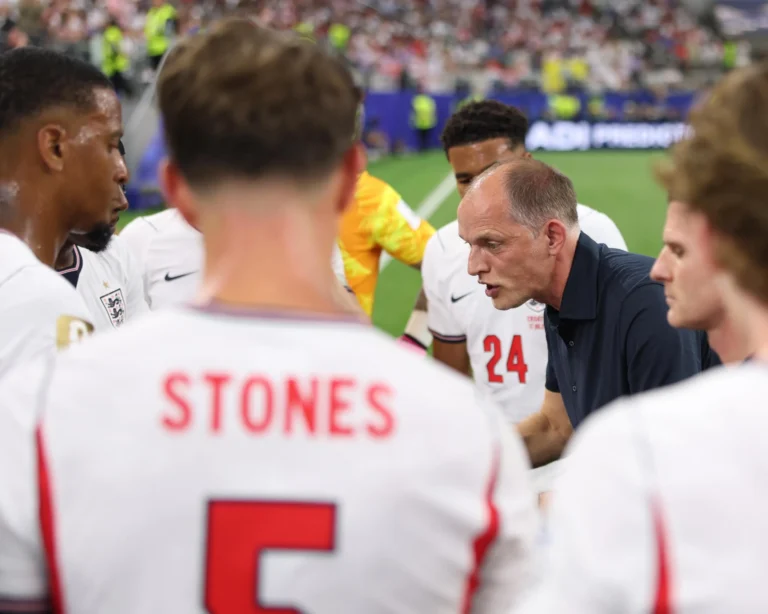
In sports like the NFL and NBA, head coaches often have the ability to influence game momentum during timeouts. In contrast, soccer typically requires players to adapt and solve problems independently on the field.
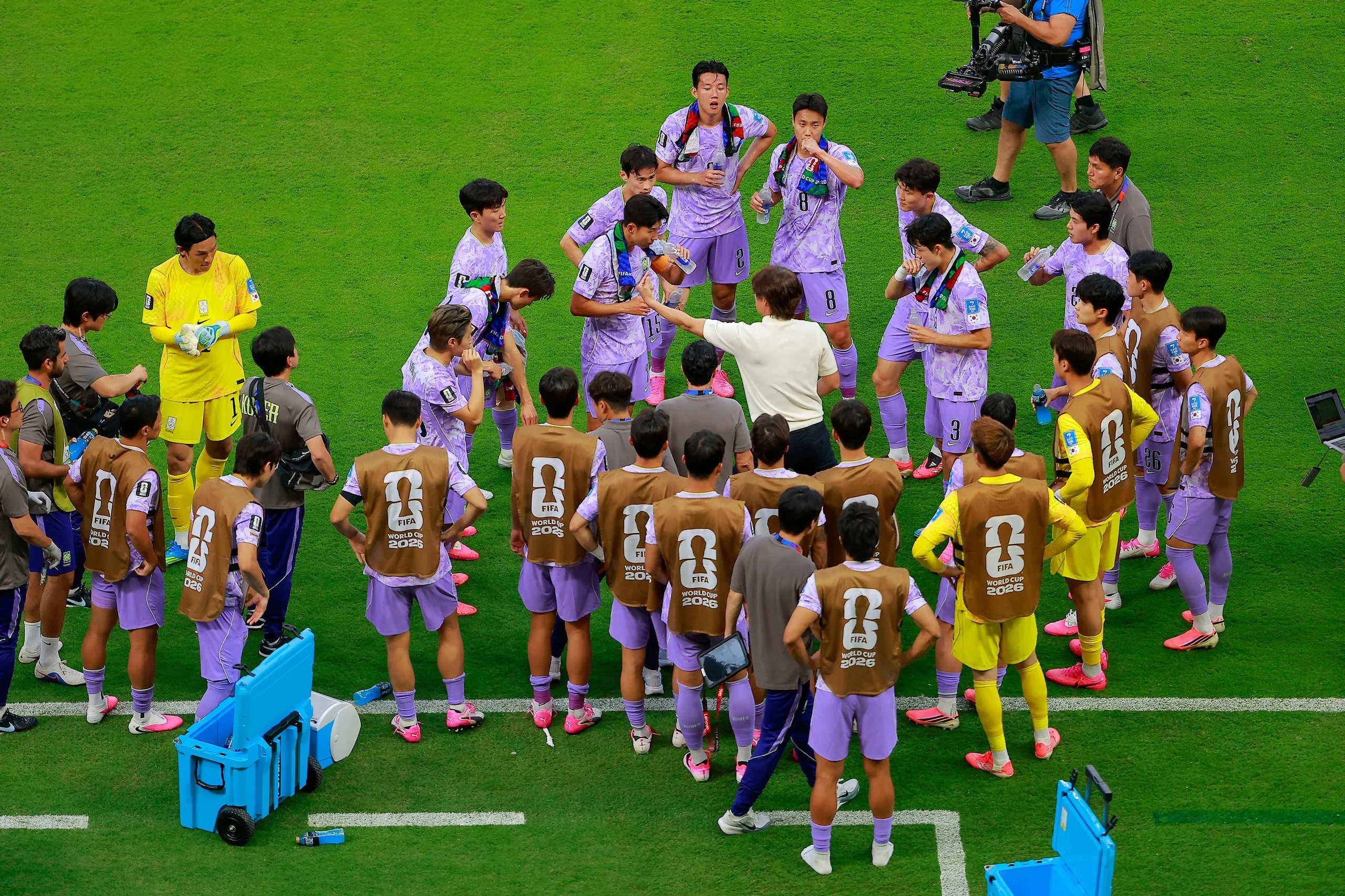
While I have reservations about the hydration breaks implemented during this World Cup, their presence has sparked intriguing dynamics from a coaching standpoint, as teams often regain momentum immediately following these pauses. This indicates that coaches are indeed able to make tactical adjustments during these intervals.
The shift towards breaking the game into four quarters seemed inevitable, and while I personally do not favor this change, I must acknowledge its necessity for player health and safety during hot conditions. From FIFA’s perspective, limiting drink breaks to only specific venues could lead to allegations of unfair advantages for teams based on their location. For instance, it would be problematic to suggest, ‘We’ll only have VAR in some stadiums, not all.’ It’s essential to maintain consistency across all matches.
Thus, I can understand the rationale behind applying these breaks universally. They provide coaches with opportunities to strategize, as noted by Netherlands coach Ronald Koeman, who stated,
“We’ll only have VAR in some of the stadiums, not all.”
Coaches across the board are likely to leverage these breaks.
I share Arsène Wenger’s sentiment regarding the desire for more active gameplay. I advocate for quicker goal-kicks and throw-ins, aiming for a minimum of 60 minutes of ball-in-play time. It’s encouraging to see some of the recent rule changes that have contributed to this goal. The average ball-in-play time has decreased by approximately 40 seconds compared to 2022, now standing at 57 minutes and 22 seconds. However, once we account for hydration breaks, the percentage of time the ball is active has seen a slight increase.
As there are already numerous stoppages during matches, the last thing we need is further interruptions. Nevertheless, hydration breaks are currently part of the game. On ITV, we utilized this time to provide tactical analyses, an idea from one of our producers that resonated with me, as it mirrored my daily work as a coach, simplifying complex strategies.
Viewers have varying levels of football knowledge; some are seasoned fans, while others may only tune in during the World Cup. I find it rewarding to cater to these diverse audiences.
The efficiency of the VAR system has also been noticeable, with quicker decision-making processes that have not disrupted the flow of the game as we have seen in past tournaments or leagues. The ability to rectify critical moments, such as mistaken identity or corner disputes, is a positive development.
Additionally, the new regulations that limit teams from relaying tactical information while a goalkeeper receives treatment are a step forward, although it’s still possible for information to be communicated from a distance. Although there is much work to be done to enhance the game, the steps taken thus far are promising.
The most significant change since 2022 is the expansion of the tournament to 48 teams, up from 32. This increase often raises concerns about the quality of competition; however, the early performances from teams like Cape Verde and DR Congo prove otherwise. The opportunities presented by this expansion foster competition and growth. Development comes through experience, and this is beneficial for the global nature of the sport.
I was particularly impressed by Cape Verde’s display in their draw against Spain. Their bravery, especially in possession, was noteworthy. As Ange Postecoglou aptly stated on ITV,
“You can use it in different ways to your advantage and this is what we will be doing”
They actively sought the ball and pushed forward, committing players to attack and creating opportunities, even if they were only half-chances. Their tactical discipline and the heroics of their goalkeeper stood out.
The quality of the stadiums, the enthusiastic fans, and the unique spirit of the World Cup have been truly remarkable. The atmosphere in New York has been electric, with supporters donning jerseys from every participating nation. Unlike in 1994, you no longer need to request that a bar or restaurant show the match; it is readily available.
The current environment is much more conducive to nurturing the sport in the U.S. compared to 1994, and this palpable enthusiasm is evident. While one might expect such fervor in traditional footballing nations, witnessing it across the United States has been a delightful surprise.