


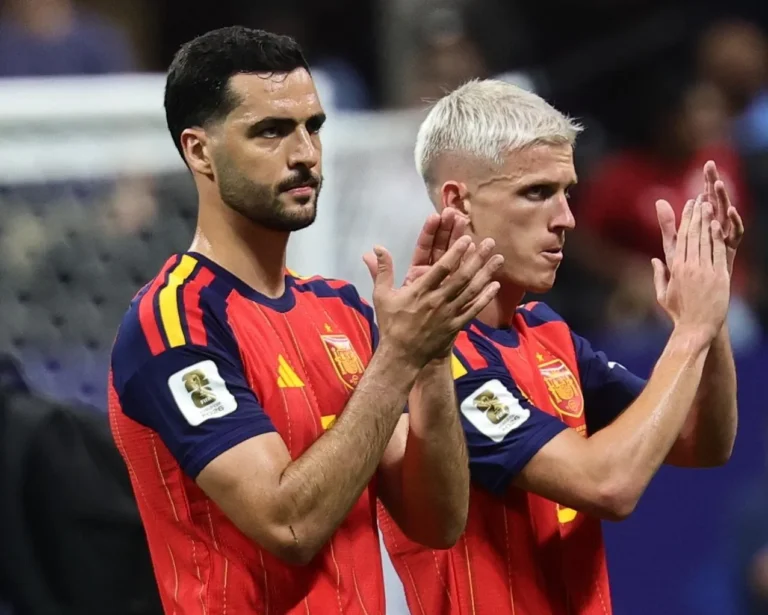
The aftermath of a disappointing match can be emotionally taxing, as noted by Mikel Merino. The Arsenal midfielder expressed, “No one died, it’s not a mourning exactly, but at times defeats can feel like that,” Despite Spain’s underwhelming 0-0 result against Cape Verde in their World Cup opener, he stressed the importance of processing this outcome and regrouping as they head back to their training camp in Tennessee, just six days before their next encounter.
Addressing a wave of media inquiries, Merino was the only player not present at the practice field the morning following the unexpected draw. He chose to face the journalists directly in the press room, handling the situation with grace. “If there’s one thing that’s not good for us, it is for there to be panic,” he articulated, engaging in a 30-minute session filled with insightful responses. He referenced Spain’s experience in 2010, recalling how they lost their opening match yet ultimately secured the World Cup title. At that time, he was just 14 years old.
“Like every game that doesn’t go as you’d like, every player lives with that mourning,” Merino said, reflecting on how players cope with setbacks. He mentioned that coping strategies vary; some players prefer to analyze the match immediately, while others need time to disconnect. “Some like to watch the game back straight away, some like to disconnect and think about other things instead. You have to swallow the disappointment. We have to recover as soon as we can. Luis [de la Fuente] always says that it’s about trying to be better tomorrow, even if you’ve won. We’re always self-critical. Personally, I am not one to send messages [to fans]; I think the best message is the next game, turning it around with a win.” he emphasized, pointing out that coach Luis de la Fuente often underscores the need for continuous improvement, irrespective of the results. “It is easy to talk of ‘family’ but when things don’t go well, when they are difficult, is when you truly see that ‘family’ – and I see unity, enthusiasm and a will to play well,”
Merino underscored the importance of team unity, stating, “It is important to have ego; as a footballer, with all the criticism from outside you need it to feel good on the pitch. But you also need the humility to know that this belongs to everyone. Players come to the national team because they are important [at their clubs] and find a new reality where only a few can play. “That’s what the word ‘family’ is. We have to be united, support each other in every moment. You can be annoyed, angry, but that energy has to be positive.” He recognized the balance of teamwork, indicating that while a certain degree of ego is essential for individual success, embracing humility and acknowledging collective effort is equally vital.
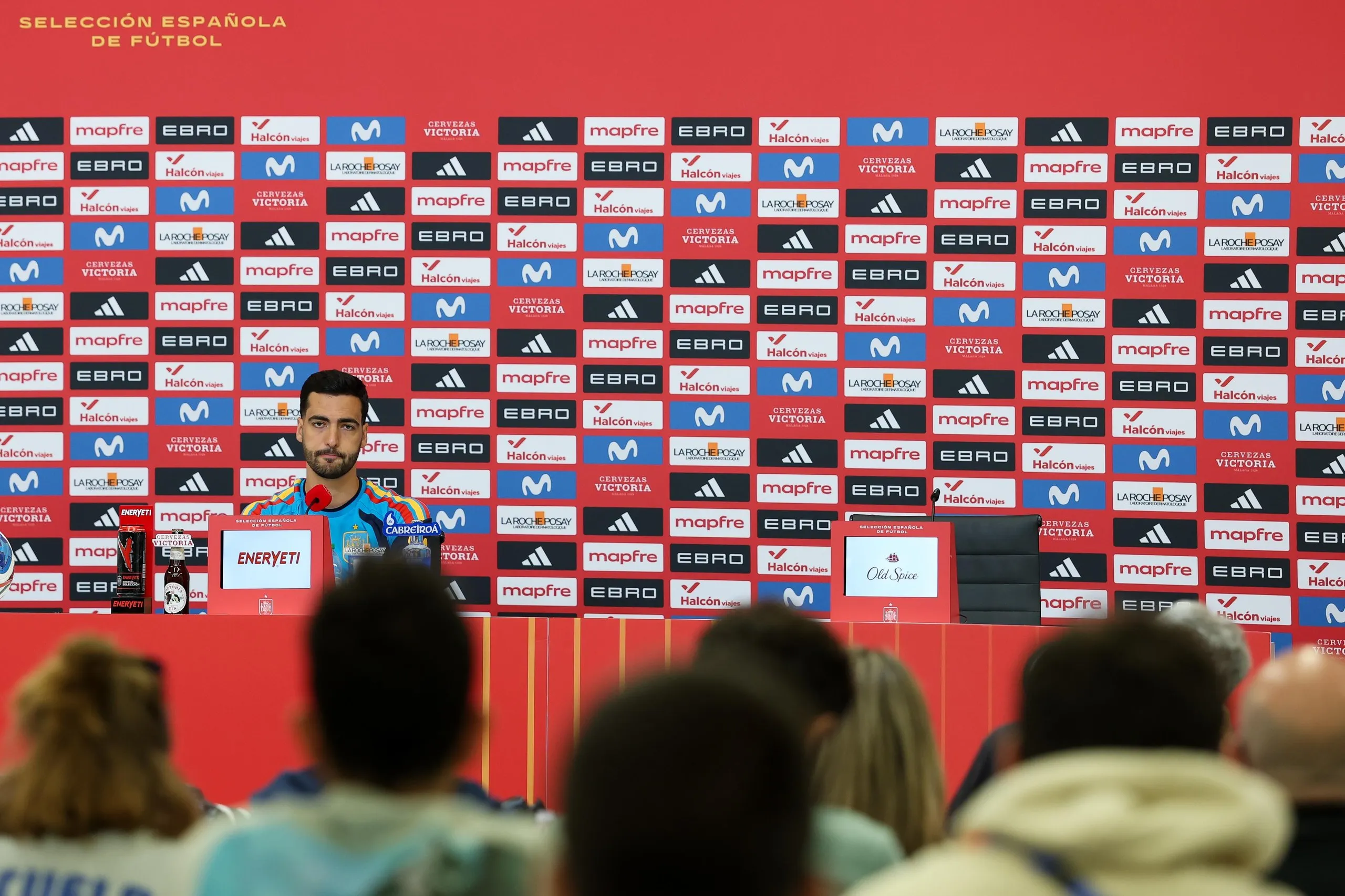
The emotional impact of a lackluster performance can heavily burden athletes, and Merino’s earlier comments about mourning resonated with many. He remarked, “Maybe I didn’t express myself well,” yet he stood firm on his choice of words, explaining, “It was an attempt at a metaphor, a comparison. You’re so competitive that when it doesn’t go well, sometimes you go home and don’t even want to talk to your family. That’s why I say it’s like a mourning. Everyone deals with it differently. I like to face it and watch [games back] as soon as possible but that doesn’t mean it’s the best approach for everyone. “What you want after a bad game is to play again straight away to get the bad taste out of your mouth. The risk [of the expanded World Cup] is you have lots of time to go over it; it’s a mental challenge to deal with that, evade all that and be as free as you can mentally.” He acknowledged that competitive nature might lead to a reluctance to engage with loved ones after a disappointing match. “That’s a reality; it’s part of the business, the reason we earn what we earn, why football is so big, so important: because you’re here to cover it, to create stories through which we explain things to fans,” he added, recognizing the psychological challenges posed by the expanded World Cup format.
Merino also addressed the scrutiny that accompanies the spotlight, stating, “There are players who like it more, or like it less, but it’s part of the ‘circus’ and we have to accept it and live with it. “Everyone handles these moments their own personal way. I’m one of those that finds it hard to swallow a bad result but with time I’ve realised that it is best to [confront it] and start trying to turn it around as soon as possible. Four, five hours and you realise that this [World Cup] has just started, that there is time to fix it. Then you can focus on the group, on what helps them. Put a hand on the shoulder of whoever is hurt because they didn’t play, or missed a chance. Or know who needs space for that mourning.” He acknowledged the media’s role in crafting narratives about players and teams. “I like to see the positive side,” he explained.
Reflecting on his personal methods for dealing with defeats, he shared, “The last world champion started by losing to Saudi Arabia. In 2010 Spain lost the first game and there was lots of criticism and they turned it around; that is an example to follow from people who were idols. I often take inspiration from athletes who have lived my dreams before I did. That generation means so much for this one: we want to emulate them.” He stressed the importance of supporting teammates dealing with their struggles, whether due to a missed opportunity or limited playing time. “Against Scotland something similar happened so we have the experience of dealing with it,”
Despite the disappointment, Merino found encouragement in the results of other matches, noting that the draw between Saudi Arabia and Uruguay provided a sense of renewal. “This can help the team understand and it’s still early: we have time and room for improvement. We have the humility and confidence, the calmness, to get better, not to go mad because the result wasn’t good.” he stated. He remembered how the last World Cup champion began with a loss, paralleling Spain’s rebound from a defeat in 2010. “That generation means so much for this one: we want to emulate them,” he concluded.
Merino also contemplated the early challenges faced by De la Fuente as coach, highlighting how the team bounced back after a loss to Scotland, ultimately leading to their triumph as European champions. “Against Scotland something similar happened so we have the experience of dealing with it,” he noted. “This can help the team understand and it’s still early: we have time and room for improvement.” He expressed confidence in the team’s ability to maintain composure and progress in their upcoming matches.