


At some point during the match between the Netherlands and Japan, I succumbed to sleep. The day had been sweltering by Lake Annecy, where the combination of heat, sunshine, and indulgent food and wine drained me of energy, much like squeezing juice from a carton.
I recall Virgil van Dijk scoring a header, and when I finally woke, the score was 2-1, with everyone heading off to rest, intoxicated by fatigue and the day’s festivities.
Not all my friends are passionate about football, so the World Cup became a subtle backdrop, a sort of mood music accompanying our discussions. Amid our lengthy conversations about home projects and political figures, an indistinct French commentary occasionally intruded from another realm. Names like Maeda and Gravenberch floated in the air, hinting at the Low Countries’ quest for their first final since 2010. My grasp of French is limited, but the sound of a Heineken bottle being opened brought me back to the moment. Bodies sprawled across the couch, fingers scrolling through their devices, basking in the luxurious ennui.
I managed to stay awake for the Belgium versus Egypt match, although my memories are hazy, marked only by Romelu Lukaku’s forced own goal and the regal presence of Mohamed Salah, striding around like a determined PE teacher. I do recall fetching beers during the second hydration break and challenging Ed to a game of chess, which I ultimately lost. The Belgians would gain confidence from this as they sought victory. My knight-and-queen strategy on the a-file was thwarted. Ssssake, Ed forgot to tap his clock again. I won’t remind him next time.
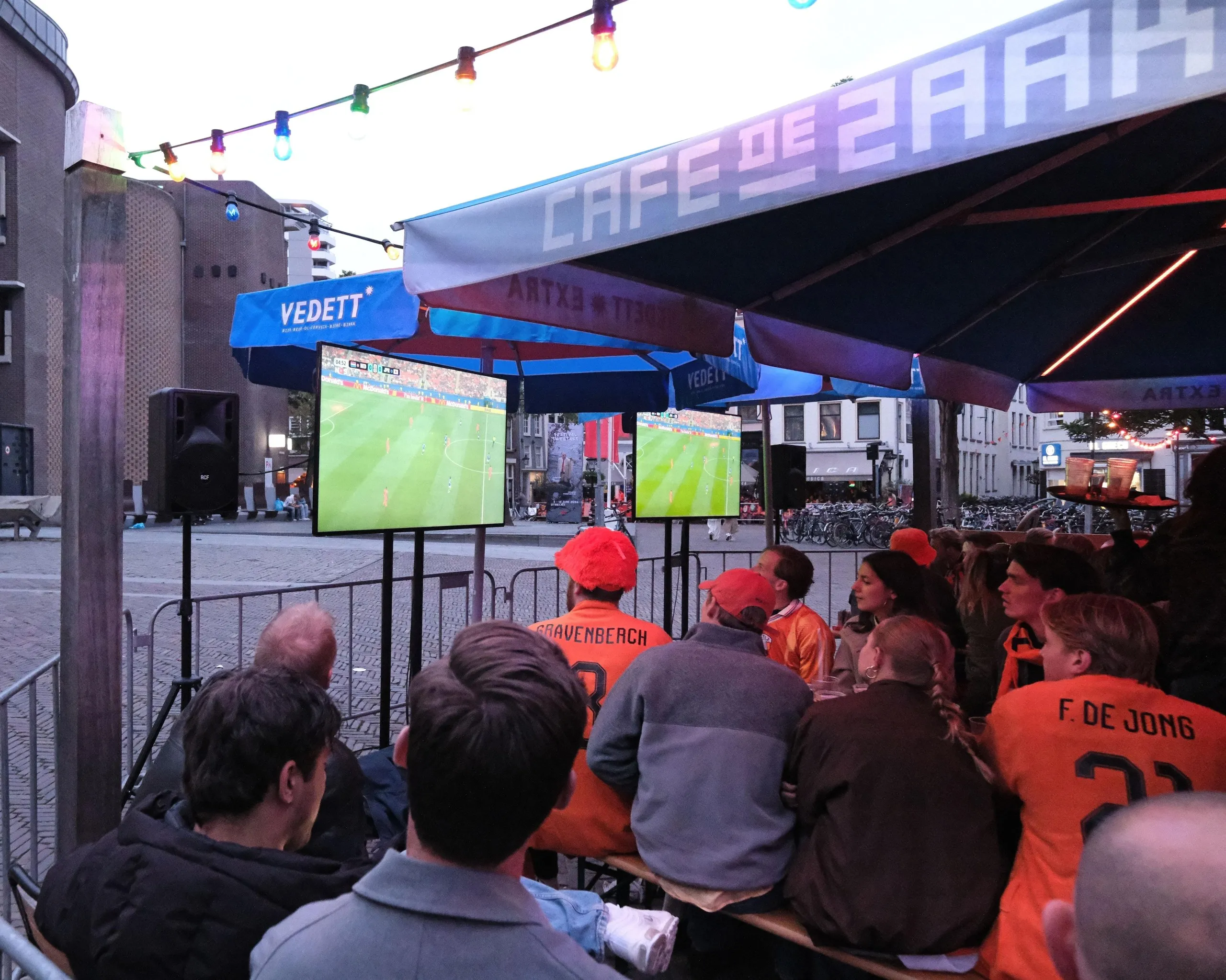
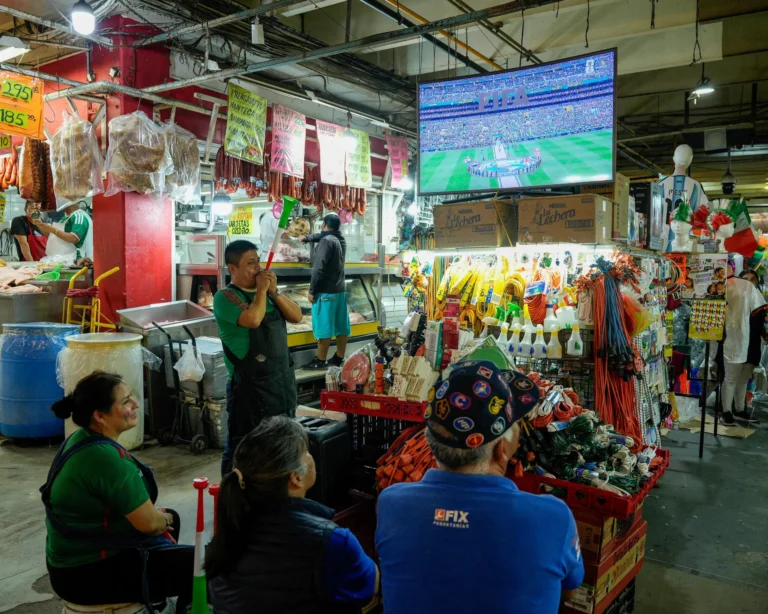
It’s true that much of the World Cup experience is best captured by those who are physically present. This is likely for the better, as attending an event provides deeper understanding, whether it’s a major football tournament or a court sentencing. However, I wanted to express how the World Cup is perceived by many: as ambient noise, with voices drifting from a distant dimension, images flickering on screens, and the aroma of a shared experience wafting through the air. It’s akin to waking up believing you witnessed the entire Iran versus New Zealand match, despite not actually watching it. World Cups subtly measure our lives, blending collective and personal memories into an intricate cocktail.
Everyone has a story like this. For instance, I watched the 2006 final – Italy versus France – at a seafood restaurant in Hvar, Croatia. It featured a giant television reminiscent of those wheeled into classrooms for educational videos. I missed Zidane’s infamous headbutt because of an obstructing waiter. Even though I have since watched the full game multiple times, if you asked me to recall that evening’s most vivid memory, I would likely mention the delightful monkfish over anything that transpired on the field.
Then, I transitioned into covering World Cups professionally, a wholly immersive experience. You quickly become entwined with the tournament, almost an extension of it, adapting to its rhythms and moods. From the moment you wake up until you go to bed (far too late), your entire focus revolves around the game schedule, the steady cadence of kick-off times, ideas, angles, content, and deadlines. Most of your thoughts are about logistics or meals. Upon returning home, my smartwatch usually indicates that my resting heart rate has been elevated by 10-20 beats above normal for an entire month. People visibly age during these events; it feels akin to warfare.
During the numerous breaks at this year’s tournament, the camera will often scan the crowd, highlighting the stark difference between World Cup football and regular matches. Everyone seems to be dancing, thumbs in the air, reveling in the moment. No one appears to be having a bad time; there’s no uproar over poor performances or referee decisions, save for the occasional performative outrage. Typically, attending a football match means accepting the risk of disappointment: your team could lose, the game might be lackluster, and your weekend could be ruined. Yet, when you’ve spent £800 on a ticket, plus a fortune on accommodations and travel, how can you allow yourself not to be entertained? The very idea feels incomprehensible.
In contrast, watching from home offers the luxury of detachment. It allows football to drift in and out of our awareness, filling the gaps of life instead of the other way around. It grants us the freedom to be pleasantly bored, even indulgently bored. One can step out for a smoke, grab drinks, or simply retire for the night. In Talloires, a quaint spot in Haute-Savoie, local establishments promote “the front-footedness of the press” on their chalkboards, presenting the world’s greatest sporting event as a delightful addition to dinner, nestled between cheese and dessert. Meanwhile, helicopters buzz low over the lake, a reminder of football’s transient nature; despite all its grandeur, the world keeps turning.
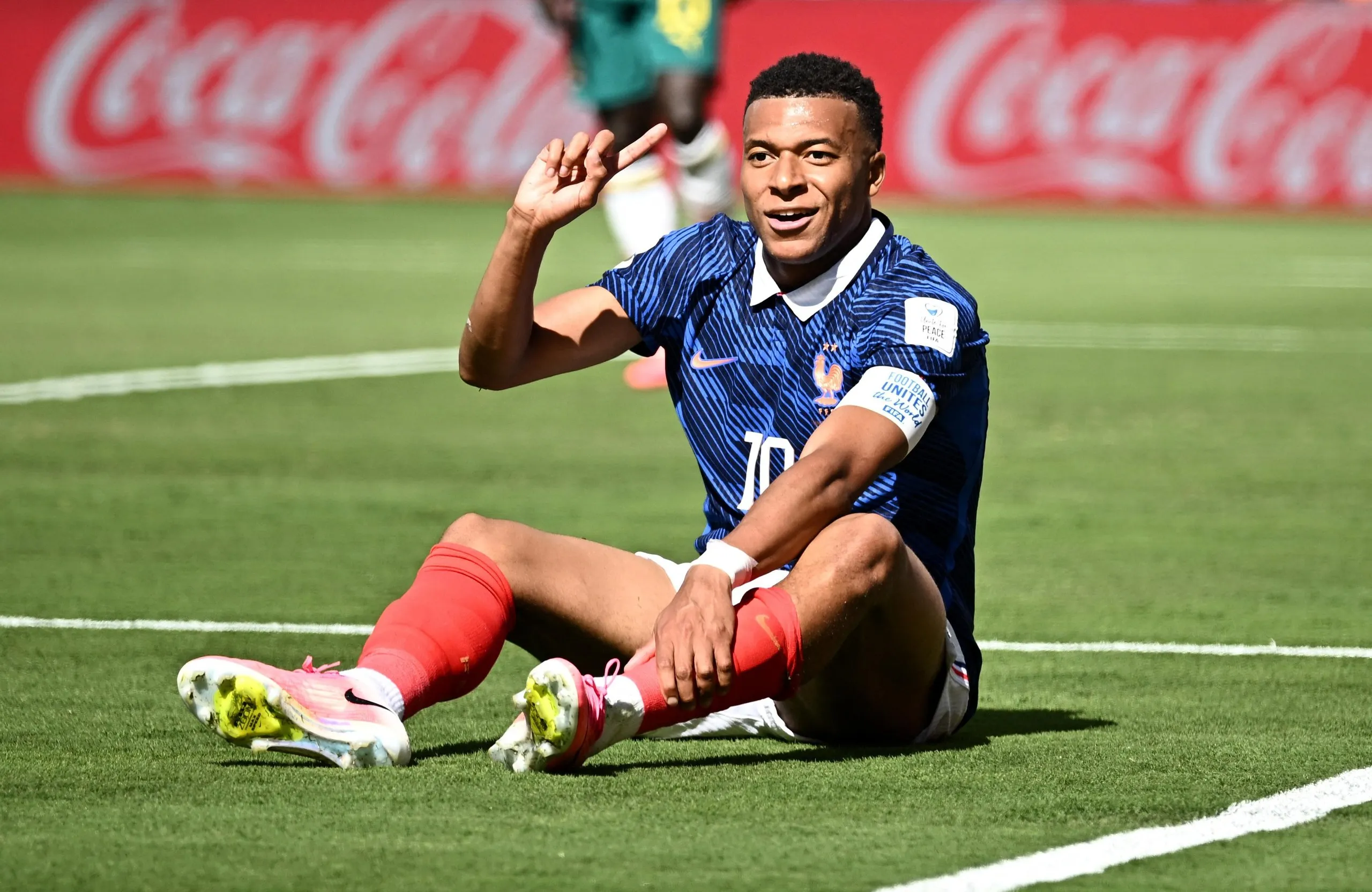
What a luxury it is to sip boxed wine while half-watching football as the world around us feels chaotic and blistering. To grumble about hydration breaks or the decision not to award a penalty to Kylian Mbappé, while observing these 104 matches scattered across the Americas like a shimmering map, without feeling obliged to watch every single one. This World Cup reveals itself for what it truly is: at times utterly captivating, at others merely diverting, and for the most part, disposable. It is a unique blend of human creation, a floral arrangement at the gates of hell.